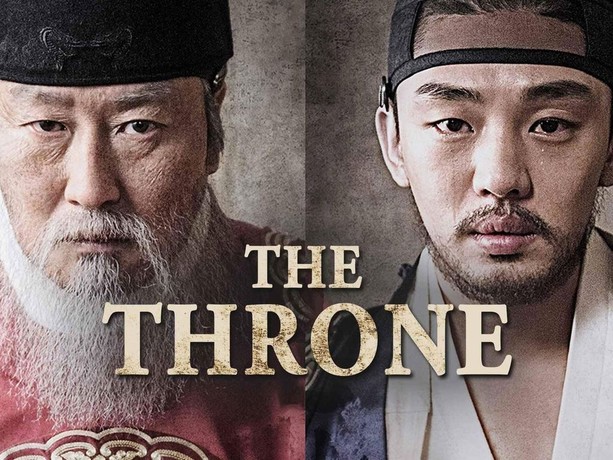
todozoo.com – “The Throne” (Korean: 사도; Sado), released in 2015, is a South Korean historical drama film directed by Lee Joon-ik. The film meticulously portrays the tragic and complex relationship between King Yeongjo (Song Kang-ho) and his son, Crown Prince Sado (Yoo Ah-in), during the Joseon Dynasty. “The Throne” delves into the pressures of royal duty, the devastating consequences of miscommunication, and the heartbreaking breakdown of a father-son bond, culminating in one of the most infamous incidents in Korean history.
Historical Context: The Reign of King Yeongjo and the Tragedy of Crown Prince Sado
The film is set during the 18th century, during the long reign of King Yeongjo (1694-1776). Yeongjo was a strong and capable ruler who implemented numerous reforms to strengthen the kingdom. However, his relationship with his son and heir, Crown Prince Sado (1735-1762), was deeply troubled. Historical records suggest that Sado suffered from mental instability and engaged in erratic behavior, which led to growing conflict with his father. This culminated in Yeongjo ordering Sado’s execution by being sealed alive inside a rice chest.
A Story Told Through Flashbacks
“The Throne” unfolds through a series of flashbacks, interweaving scenes from Sado’s childhood and adolescence with the events leading up to his tragic demise. This narrative structure allows the film to explore the gradual deterioration of the father-son relationship, revealing the underlying tensions and misunderstandings that contributed to the tragedy.
The Burden of Kingship and Filial Piety
The film explores the immense pressures placed upon both the king and the crown prince. Yeongjo, burdened by the responsibility of ruling the nation, demands absolute obedience and adherence to Confucian principles, particularly the concept of filial piety. Sado, struggling to meet his father’s expectations and grappling with his own inner demons, feels increasingly suffocated by the rigid constraints of court life.
A Clash of Personalities and Ideologies
“The Throne” masterfully portrays the clash of personalities between Yeongjo and Sado. Yeongjo is depicted as a stern and disciplined ruler, prioritizing order and stability above all else. Sado, on the other hand, is portrayed as a more artistic and free-spirited individual, yearning for personal expression and emotional connection. This fundamental difference in their personalities creates a deep chasm between them.
Themes of Duty, Sacrifice, and the Human Cost of Power
“The Throne” explores several poignant themes:
- Duty: The film examines the heavy burden of royal duty and the sacrifices required of those born into positions of power. Both Yeongjo and Sado are trapped by their roles, unable to escape the expectations placed upon them.
- Sacrifice: The film highlights the sacrifices made by individuals in the name of duty and tradition. Sado’s life is ultimately sacrificed to maintain the stability of the throne, a tragic consequence of the rigid social hierarchy.
- The Human Cost of Power: “The Throne” powerfully depicts the human cost of power, showing how the pursuit and maintenance of power can lead to devastating consequences for individuals and families.
Powerful Performances by Song Kang-ho and Yoo Ah-in
Song Kang-ho delivers a commanding performance as King Yeongjo, capturing his stern demeanor, internal struggles, and ultimate regret. Yoo Ah-in gives a heartbreaking portrayal of Crown Prince Sado, conveying his vulnerability, frustration, and descent into despair. The chemistry between the two actors is palpable, making their scenes together both intense and emotionally charged.
Critical Acclaim and Awards
“The Throne” was met with widespread critical acclaim and received numerous awards, both domestically and internationally. The film was praised for its powerful storytelling, exceptional performances, and insightful exploration of historical events.
A Timeless Tragedy of Familial Conflict and Royal Duty
“The Throne” remains a powerful and thought-provoking film, offering a poignant reflection on the complexities of family relationships, the burdens of power, and the enduring impact of historical events. The film’s exploration of universal themes of duty, sacrifice, and human fallibility continues to resonate with audiences, making it a significant contribution to Korean cinema.