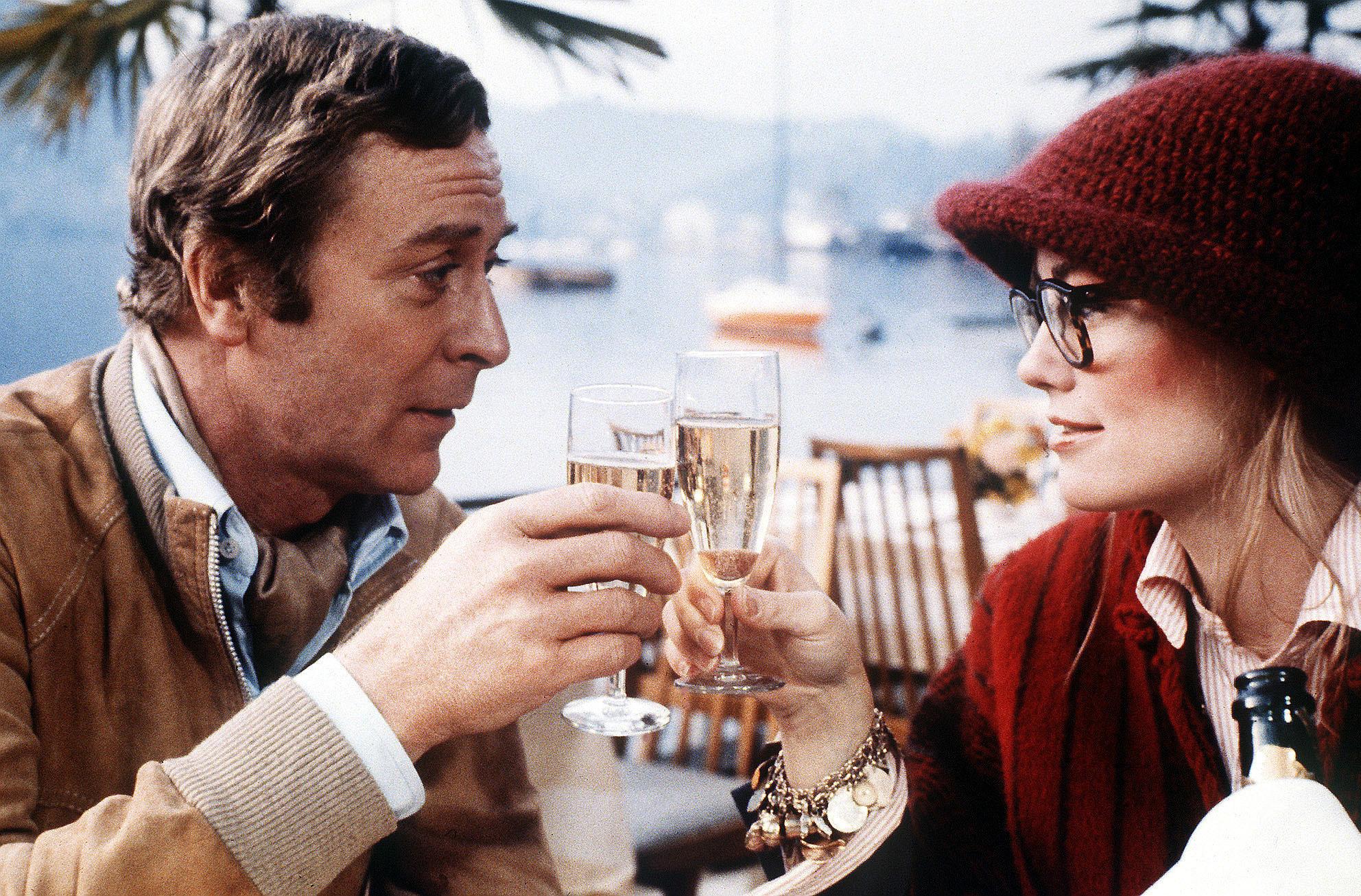
Silver Bears (1977): Crime, Comedy – Financial Schemes

todozoo.com – Silver Bears, released in 1977, is a lesser-known British-American crime comedy that brings together high finance, international intrigue, and a series of misadventures set against the picturesque backdrop of the Swiss Alps. Directed by Ivan Passer and based on Paul Erdman’s novel of the same name, the film stars Michael Caine, Cybill Shepherd, Louis Jourdan, and Tom Smothers. Though not a major hit, Silver Bears has developed a reputation for its offbeat charm and lighthearted take on the world of international banking and financial schemes.

A Plot of Gold, Fraud, and Farce

The film follows the story of “Doc” Fletcher (Michael Caine), an American conman and financial whiz hired by mafia boss Joe Fiore (Martin Balsam) to secure control over a Swiss bank. Fiore believes that owning a legitimate bank will allow him to launder money and expand his criminal empire into the world of high finance. However, what starts as a seemingly straightforward plan quickly spirals into chaos when Fletcher discovers that the bank he is sent to acquire, run by a small-time banker known as Prince di Siracusa (Louis Jourdan), is essentially bankrupt.

Undeterred, Fletcher devises an elaborate scheme to manipulate the silver market and prop up the failing bank. Along the way, he enlists the help of several eccentric characters, including the glamorous yet cunning Debbie Luckman (Cybill Shepherd), who becomes romantically entangled with Fletcher, and Albert Fiore (Tom Smothers), Joe Fiore’s bumbling nephew who adds comedic mischief to the proceedings.

As Fletcher’s silver scheme unfolds, he finds himself navigating a labyrinth of double-crosses, corporate corruption, and international intrigue. What begins as a financial ruse to save the bank turns into a complex game of deceit, as Fletcher and his team attempt to outwit rival bankers, Swiss officials, and even members of organized crime.

Michael Caine Shines as the Quick-Witted Conman

Michael Caine’s portrayal of Doc Fletcher is central to the film’s appeal. Caine brings his trademark charisma and sharp wit to the role, playing Fletcher as a quick-thinking hustler who always seems to be one step ahead of everyone else. His performance is breezy and confident, infusing the character with enough charm to keep the audience rooting for him, even as he operates in morally gray territory.

Caine’s ability to switch between suave manipulation and deadpan humor makes him a perfect fit for the film’s tone, which balances lighthearted comedy with moments of intrigue. As the mastermind behind the silver manipulation plot, Caine’s Fletcher becomes the film’s anchor, holding together the disparate threads of farce, financial complexity, and romantic subplot.

Cybill Shepherd and Louis Jourdan: Glamour and Eccentricity

Cybill Shepherd, fresh off her collaborations with Peter Bogdanovich, plays Debbie Luckman, a glamorous American who gets swept up in Fletcher’s schemes. Shepherd’s performance is both seductive and playful, as Debbie uses her charms to maneuver through the world of high finance. Her relationship with Fletcher adds a romantic angle to the story, though it remains secondary to the film’s larger plot of financial manipulation and comedic hijinks.

Louis Jourdan, as the quirky Prince di Siracusa, delivers a performance full of aristocratic eccentricity. Jourdan’s character is a small-time banker who is more interested in appearances than actual financial management. His involvement in Fletcher’s silver scheme provides much of the film’s humor, as he oscillates between cluelessness and pretentiousness, fully embodying the role of a hapless yet endearing partner in crime.

The Silver Market Scheme: A Satirical Take on High Finance

At its core, Silver Bears is a satire of the world of international banking and the corrupting influence of money. The film plays with the idea that financial institutions, even in the prestigious banking centers of Switzerland, can be just as susceptible to greed, manipulation, and absurdity as any other venture. The silver market plot, which involves inflating the price of silver to prop up the failing bank, mirrors real-life financial scandals, making the film a timely commentary on the excesses of global finance.

The film’s plot is filled with twists and turns, many of which revolve around the unpredictable nature of the silver market and the various characters trying to exploit it. The convoluted scheme reflects the complexities of financial manipulation, but the film treats the subject matter with a light touch, focusing more on the comedic potential of the situation than on the technical details of economics.

Quirky Supporting Cast and Comedic Moments

One of the film’s strengths is its ensemble cast of quirky characters, each of whom adds a layer of humor and eccentricity to the story. Tom Smothers, as Albert Fiore, plays the role of the inept but well-meaning nephew of the mafia boss. His misadventures in the world of high finance provide much of the film’s slapstick comedy, as he fumbles his way through meetings with Swiss bankers and international businessmen.

Other supporting characters, including Swiss officials, rival bankers, and shady business figures, contribute to the film’s lighthearted tone. While the plot centers on financial scheming, the film never takes itself too seriously, instead embracing the absurdity of the situation and allowing the cast to have fun with their roles.

Visual Style and Swiss Setting

The film’s setting in Switzerland provides a scenic backdrop to the caper. The picturesque landscapes of the Swiss Alps, along with the opulent interiors of bank offices and lavish parties, give Silver Bears a sense of glamour and international intrigue. Director Ivan Passer uses the Swiss setting not only as a contrast to the film’s criminal dealings but also as a visual reminder of the superficiality that often accompanies wealth and power.

The film’s pacing is brisk, with frequent shifts between locations and plot developments, keeping the audience engaged even as the financial scheme becomes increasingly convoluted. The tone remains light and playful throughout, ensuring that the film stays firmly in the realm of comedy despite its focus on serious topics like banking and market manipulation.

Critical Reception and Legacy

Upon its release, Silver Bears received mixed reviews from critics. Some praised the film for its lighthearted tone, entertaining performances, and witty dialogue, while others found the plot overly complicated and the comedic elements uneven. The film’s mix of crime, finance, and farce was seen as a somewhat unusual blend, which may have contributed to its modest box office performance.

Over time, however, Silver Bears has gained a small but loyal following, particularly among fans of Michael Caine and those who appreciate offbeat crime comedies. Its satirical take on high finance and its colorful cast of characters give the film a unique place within the genre of 1970s comedies.

Conclusion: A Quirky Financial Caper with Enduring Appeal

Silver Bears may not be a household name, but it remains an enjoyable, quirky entry in the crime comedy genre. With a strong central performance by Michael Caine and a playful approach to its subject matter, the film offers an entertaining look at the absurdities of international banking and financial schemes. For those who enjoy capers with a mix of wit, charm, and a touch of farce, Silver Bears is a lighthearted gem worth rediscovering.
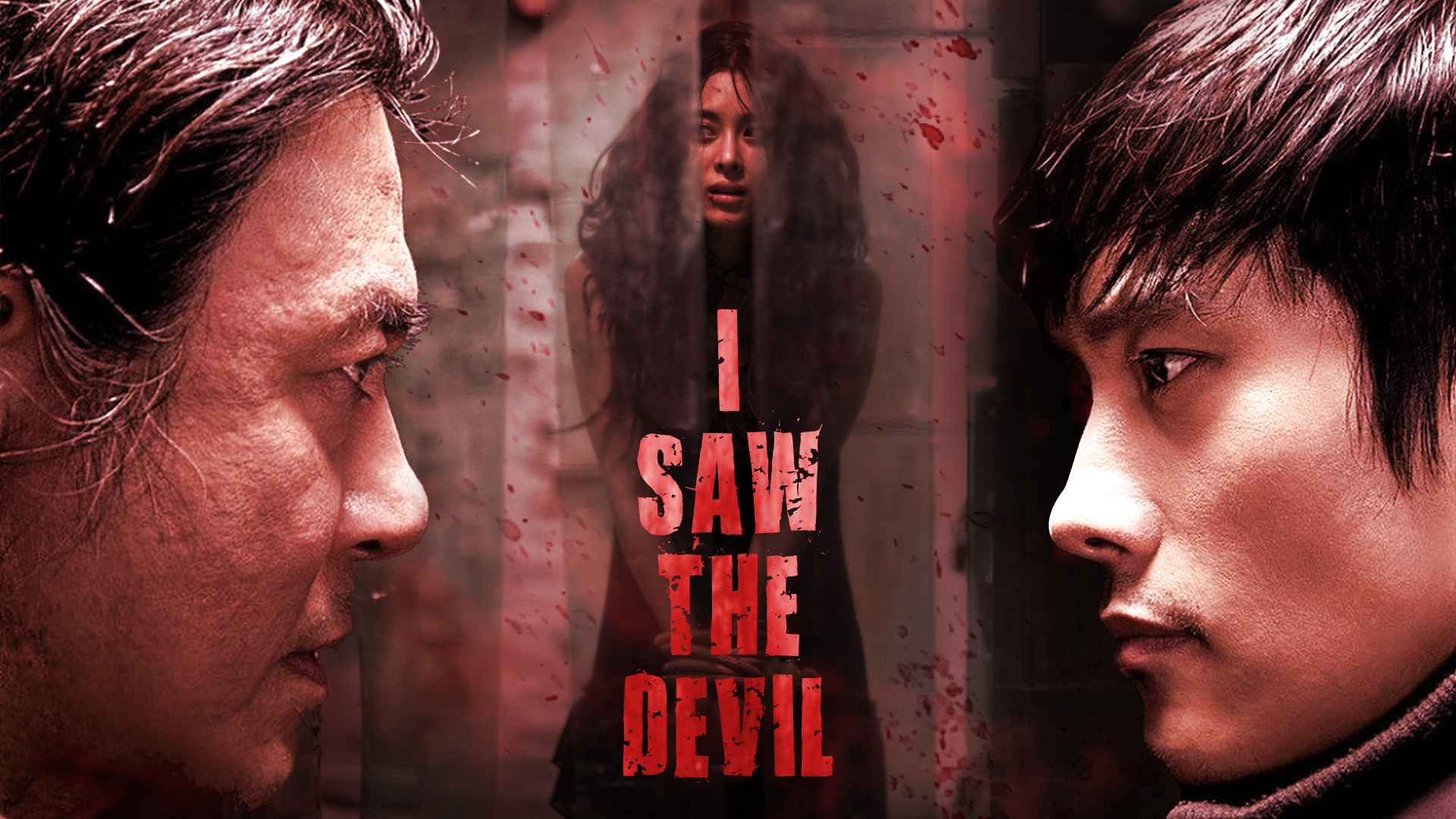

I Saw the Devil: A Descent into Darkness – Revenge

todozoo.com – Kim Jee-woon’s 2010 South Korean neo-noir action thriller I Saw the Devil is a brutal and disturbing exploration of revenge, blurring the lines between hunter and hunted. The film presents a chilling cat-and-mouse game between a special agent seeking vengeance for his fiancée’s murder and a psychopathic serial killer. This article delves into the film’s narrative, characters, themes, and lasting impact, examining its controversial nature and its exploration of extreme violence.

A Cycle of Violence Begins: Plot Summary

The story centers on Kim Soo-hyun, a highly trained special agent whose fiancée, Joo-yeon, is brutally murdered by Kyung-chul, a sadistic serial killer who derives pleasure from inflicting unimaginable suffering. Consumed by grief and rage, Soo-hyun abandons his duties and embarks on a personal vendetta against Kyung-chul.

Instead of simply killing him, Soo-hyun chooses to capture Kyung-chul and inflict a series of brutal punishments, releasing him only to hunt him down again and subject him to further torment. This twisted game of cat and mouse escalates into a horrifying cycle of violence, as Soo-hyun descends further into darkness, mirroring the very evil he seeks to destroy.

Two Sides of the Same Coin: Character Analysis

The film presents two compelling yet disturbing characters:

  • Kim Soo-hyun: Played with chilling intensity by Lee Byung-hun, Soo-hyun is a man driven by grief and a thirst for revenge. His methodical approach to inflicting pain reveals a dark side that emerges as he becomes increasingly obsessed with his mission.
  • Kyung-chul: Portrayed with terrifying realism by Choi Min-sik, Kyung-chul is a remorseless psychopath who embodies pure evil. His complete lack of empathy and his enjoyment of inflicting suffering make him a truly disturbing antagonist.

Themes of Revenge, Morality, and the Nature of Evil

I Saw the Devil explores several complex and unsettling themes:

  • Revenge: The film delves into the destructive nature of revenge, portraying how it can consume individuals and lead them down a path of moral decay. Soo-hyun’s relentless pursuit of revenge ultimately transforms him into something akin to the monster he hunts.
  • Morality: The film raises questions about the nature of good and evil, and whether it is possible to fight evil without becoming tainted by it. Soo-hyun’s actions force the audience to confront the uncomfortable truth that even those driven by righteous anger can cross the line into barbarity.
  • The Nature of Evil: Kyung-chul represents a chilling depiction of pure evil, devoid of any redeeming qualities. The film explores the disturbing reality of psychopathy and the devastating impact it can have on its victims.

Controversy and Critical Reception

I Saw the Devil generated significant controversy upon its release due to its extreme violence and graphic depictions of torture. Some critics praised the film’s artistic merit and its exploration of complex themes, while others condemned its excessive brutality. The film was even given a limited release in some countries due to its graphic content.

Despite the controversy, I Saw the Devil has garnered a cult following and is considered by many to be a modern classic of the revenge thriller genre. Its unflinching depiction of violence and its exploration of dark themes have cemented its place as a disturbing yet thought-provoking cinematic experience.

Conclusion

I Saw the Devil is not an easy film to watch. Its graphic violence and disturbing themes make it a challenging and often unsettling experience. However, it is also a powerful and thought-provoking film that explores the darkest aspects of human nature. It is a film that stays with you long after the credits have rolled, prompting reflection on the nature of revenge, morality, and the thin line that separates good and evil.

The Throne (2015): Royal Duty and Familial Discord

todozoo.com – “The Throne” (Korean: 사도; Sado), released in 2015, is a South Korean historical drama film directed by Lee Joon-ik. The film meticulously portrays the tragic and complex relationship between King Yeongjo (Song Kang-ho) and his son, Crown Prince Sado (Yoo Ah-in), during the Joseon Dynasty. “The Throne” delves into the pressures of royal duty, the devastating consequences of miscommunication, and the heartbreaking breakdown of a father-son bond, culminating in one of the most infamous incidents in Korean history.   

Historical Context: The Reign of King Yeongjo and the Tragedy of Crown Prince Sado

The film is set during the 18th century, during the long reign of King Yeongjo (1694-1776). Yeongjo was a strong and capable ruler who implemented numerous reforms to strengthen the kingdom. However, his relationship with his son and heir, Crown Prince Sado (1735-1762), was deeply troubled. Historical records suggest that Sado suffered from mental instability and engaged in erratic behavior, which led to growing conflict with his father. This culminated in Yeongjo ordering Sado’s execution by being sealed alive inside a rice chest.   

A Story Told Through Flashbacks

“The Throne” unfolds through a series of flashbacks, interweaving scenes from Sado’s childhood and adolescence with the events leading up to his tragic demise. This narrative structure allows the film to explore the gradual deterioration of the father-son relationship, revealing the underlying tensions and misunderstandings that contributed to the tragedy.

The Burden of Kingship and Filial Piety

The film explores the immense pressures placed upon both the king and the crown prince. Yeongjo, burdened by the responsibility of ruling the nation, demands absolute obedience and adherence to Confucian principles, particularly the concept of filial piety. Sado, struggling to meet his father’s expectations and grappling with his own inner demons, feels increasingly suffocated by the rigid constraints of court life.

A Clash of Personalities and Ideologies

“The Throne” masterfully portrays the clash of personalities between Yeongjo and Sado. Yeongjo is depicted as a stern and disciplined ruler, prioritizing order and stability above all else. Sado, on the other hand, is portrayed as a more artistic and free-spirited individual, yearning for personal expression and emotional connection. This fundamental difference in their personalities creates a deep chasm between them.   

Themes of Duty, Sacrifice, and the Human Cost of Power

“The Throne” explores several poignant themes:

  • Duty: The film examines the heavy burden of royal duty and the sacrifices required of those born into positions of power. Both Yeongjo and Sado are trapped by their roles, unable to escape the expectations placed upon them.
  • Sacrifice: The film highlights the sacrifices made by individuals in the name of duty and tradition. Sado’s life is ultimately sacrificed to maintain the stability of the throne, a tragic consequence of the rigid social hierarchy.
  • The Human Cost of Power: “The Throne” powerfully depicts the human cost of power, showing how the pursuit and maintenance of power can lead to devastating consequences for individuals and families.

Powerful Performances by Song Kang-ho and Yoo Ah-in

Song Kang-ho delivers a commanding performance as King Yeongjo, capturing his stern demeanor, internal struggles, and ultimate regret. Yoo Ah-in gives a heartbreaking portrayal of Crown Prince Sado, conveying his vulnerability, frustration, and descent into despair. The chemistry between the two actors is palpable, making their scenes together both intense and emotionally charged.   

Critical Acclaim and Awards

“The Throne” was met with widespread critical acclaim and received numerous awards, both domestically and internationally. The film was praised for its powerful storytelling, exceptional performances, and insightful exploration of historical events.

A Timeless Tragedy of Familial Conflict and Royal Duty

“The Throne” remains a powerful and thought-provoking film, offering a poignant reflection on the complexities of family relationships, the burdens of power, and the enduring impact of historical events. The film’s exploration of universal themes of duty, sacrifice, and human fallibility continues to resonate with audiences, making it a significant contribution to Korean cinema.

The Sound of Music: A Timeless Tale of Love and Music

todozoo.com – The Sound of Music, a beloved musical film released in 1965, has captured the hearts of audiences worldwide for decades. At its core lies the enchanting character of Maria Rainer, a young novice nun who brings joy, music, and love into the lives of the stern Captain Georg von Trapp and his seven children.   

Maria, played by the iconic Julie Andrews, is a free-spirited and vivacious woman who struggles to conform to the strict rules of convent life. Her love for music and nature often leads her to wander the hills surrounding Nonnberg Abbey, where she finds solace and inspiration.   

A New Chapter Begins

Recognizing Maria’s unique spirit, the Mother Abbess decides to send her to the von Trapp villa to serve as a governess for the Captain’s seven children. The children, initially resistant to the idea of a new governess, are soon won over by Maria’s warm and playful nature.   

Maria’s arrival transforms the once rigid and disciplined household into a place filled with laughter, music, and love. She introduces the children to the joy of singing and dancing, encouraging them to express themselves freely. Through her gentle guidance and unwavering belief in their potential, Maria helps the children to overcome their fears and insecurities.   

A Blossoming Romance

As Maria grows closer to the von Trapp family, she also develops a deep affection for the stern but kind-hearted Captain Georg von Trapp. Their relationship blossoms amidst the stunning backdrop of the Austrian Alps, and they soon fall in love.   

Their love story is a central theme of the film, highlighting the power of human connection and the transformative nature of love. Maria’s influence on the Captain is profound, softening his heart and reawakening his passion for life.

A Family United

The von Trapp family faces a significant challenge when the Nazi regime takes control of Austria. The Captain, a decorated war hero, refuses to serve in the German army, leading to a dangerous confrontation with the authorities.   

Maria and the von Trapps must make a perilous escape from their homeland, seeking refuge in Switzerland. Their journey is filled with suspense and danger, but they remain united by their love for each other and their unwavering faith.

A Legacy of Music and Hope

The Sound of Music is more than just a romantic love story; it is a celebration of family, music, and the enduring power of hope. The film’s iconic songs, such as “Do-Re-Mi,” “My Favorite Things,” and “Edelweiss,” have become timeless classics, captivating audiences of all ages.

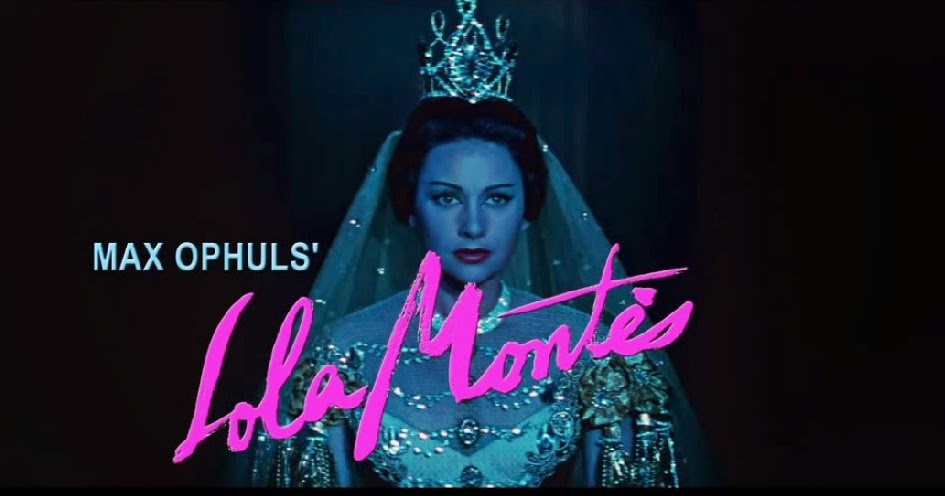
Lola Montès: A Tragic Tale of a Fallen Star – A Controversial Biopic

todozoo.com – Max Ophüls’ 1961 film, “Lola Montès,” is a lavish and controversial biopic that delves into the tumultuous life of the 19th-century Spanish dancer and courtesan, Lola Montès. Starring Martine Carol in the title role, the film is a visually stunning and emotionally charged exploration of love, ambition, and the destructive power of obsession.

A Tragic Heroine

Lola Montès, a complex and enigmatic figure, is portrayed as a tragic heroine whose beauty and talent are overshadowed by her tumultuous personal life. The film follows Lola’s rise to fame and fortune, her scandalous affairs with powerful men, and her eventual downfall. Ophüls’ film is not a straightforward biography but rather a stylized and theatrical reimagining of Lola’s life.

A Masterful Blend of Styles

“Lola Montès” is a visually stunning film that blends elements of melodrama, historical drama, and surrealism. Ophüls’ masterful use of camera movement, lighting, and set design creates a dreamlike and often extravagant atmosphere. The film’s episodic structure allows for a wide range of stylistic and tonal variations, from the opulent grandeur of the court of Bavaria to the gritty realism of the American Wild West.

A Critical and Commercial Failure

Despite its artistic merits, “Lola Montès” was a critical and commercial failure upon its initial release. Its unconventional narrative structure, its long running time, and its controversial subject matter alienated many audiences. However, the film has since been reevaluated and is now considered a masterpiece of cinematic artistry.

A Timeless Tale of Obsession

“Lola Montès” is a timeless tale of obsession, ambition, and the destructive power of love. Its tragic heroine, Lola Montès, is a fascinating and complex figure who continues to captivate audiences. Ophüls’ film is a visually stunning and emotionally resonant exploration of the human condition, a testament to the enduring power of cinema.

Minnie and Moskowitz: A Love Story for the Ages

todozoo.com – John Cassavetes’ Minnie and Moskowitz (1971) is a cinematic gem that defies categorization. It’s a romantic comedy-drama that delves deep into the complexities of human relationships, exploring the power of love, connection, and authenticity. The film, starring Gena Rowlands and Seymour Cassel, is a masterclass in naturalistic acting and filmmaking, capturing the nuances of everyday life with a raw and honest approach.   

A Mismatched Pair

The film centers on the unlikely pairing of Minnie, a jaded and world-weary actress, and Moskowitz, a simple-minded parking lot attendant. Their initial encounter is far from romantic, but as they spend more time together, a unique and endearing bond begins to form. Their love story is unconventional, defying societal expectations and embracing the beauty of imperfection.   

A Celebration of Authenticity

One of the most striking aspects of Minnie and Moskowitz is its celebration of authenticity. The characters are flawed and vulnerable, but they are also deeply human. Their interactions are often awkward and uncomfortable, yet they are also filled with genuine affection and tenderness. Cassavetes’ signature style, which emphasizes improvisation and naturalistic performances, allows the actors to inhabit their roles fully, creating a sense of authenticity that is both captivating and inspiring.   

A Timeless Message

Despite being released over fifty years ago, Minnie and Moskowitz remains a timeless film. Its message of love, connection, and authenticity continues to resonate with audiences today. The film’s exploration of the complexities of human relationships, the importance of embracing individuality, and the power of love to transcend differences is as relevant as ever.

Conclusion

Minnie and Moskowitz is a cinematic masterpiece that stands the test of time. Its unique blend of humor, drama, and romance, coupled with its exceptional performances and timeless message, make it a must-watch for anyone who appreciates the power of cinema to capture the human experience. Whether you’re a fan of John Cassavetes’ work or simply looking for a heartwarming and authentic love story, Minnie and Moskowitz is sure to leave a lasting impression.

Orson Welles’ “Touch of Evil”: A Masterful Noir

todozoo.com – Orson Welles’ “Touch of Evil” (1958) is a masterpiece of film noir, a genre known for its dark, cynical tone and morally ambiguous characters. The film is perhaps most famous for its iconic opening sequence, a single, unbroken take that sets the stage for a gripping tale of corruption, deceit, and obsession.   

A Tale of Corruption and Justice

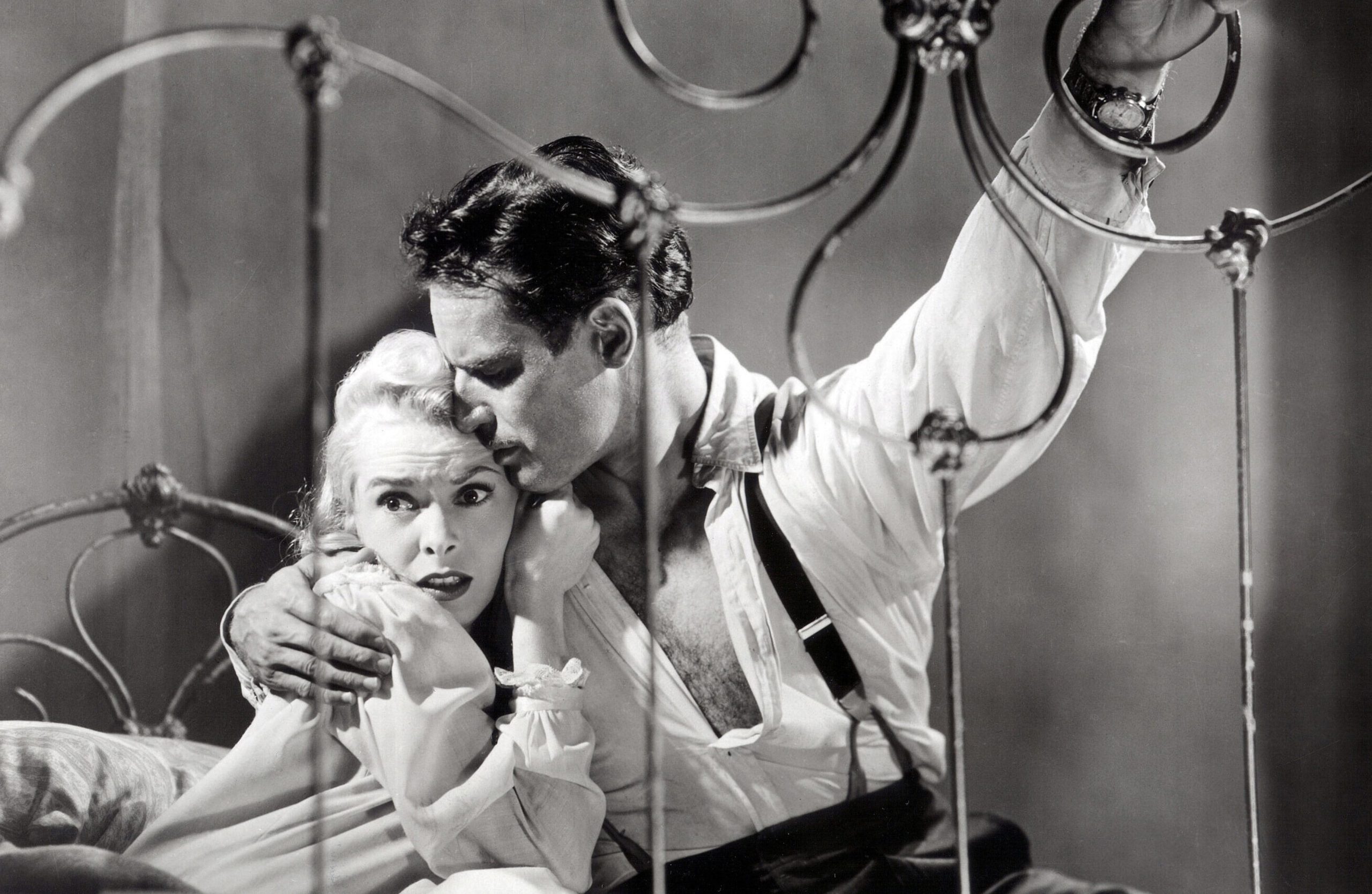
The plot revolves around the mysterious death of a man on the U.S.-Mexico border. Mexican narcotics agent Miguel Vargas (Charlton Heston) and his new bride Susie (Janet Leigh) are vacationing in the border town of Black City when the incident occurs. Vargas, a man of integrity, becomes suspicious of the local police captain, Hank Quinlan (Orson Welles), a corrupt and intimidating figure.   

As Vargas delves deeper into the investigation, he uncovers a web of corruption and deceit that extends far beyond the initial crime scene. Quinlan, a complex and morally compromised character, becomes increasingly obsessed with framing Vargas for the murder. The film explores themes of power, justice, and the blurred lines between good and evil.   

Welles’ Vision and the Restored Cut

“Touch of Evil” was a troubled production, plagued by studio interference and budget constraints. Welles, a perfectionist, was unhappy with the initial cut of the film and fought to have it restored to his original vision. In 1998, a restored version of the film was released, which included Welles’s preferred opening sequence and other significant changes.   

The restored cut is widely considered to be the definitive version of the film. It highlights Welles’s masterful use of camera angles, lighting, and sound design. The long, unbroken opening shot is a technical marvel, showcasing Welles’s innovative approach to filmmaking.   

A Timeless Classic

“Touch of Evil” remains a timeless classic of the film noir genre. Its dark, atmospheric setting, complex characters, and morally ambiguous themes continue to captivate audiences. Welles’s powerful performance as the corrupt police captain is one of his most iconic roles. The film’s exploration of the human condition and the consequences of unchecked power is as relevant today as it was in 1958.   

A Legacy of Cinematic Innovation

“Touch of Evil” is a testament to Orson Welles’s genius as a filmmaker. His innovative techniques and bold storytelling have influenced generations of filmmakers. The film’s impact on the genre of film noir is undeniable. It is a masterpiece that continues to inspire and challenge audiences.

Conquest of the Earth: A Cylon Threatens Humanity

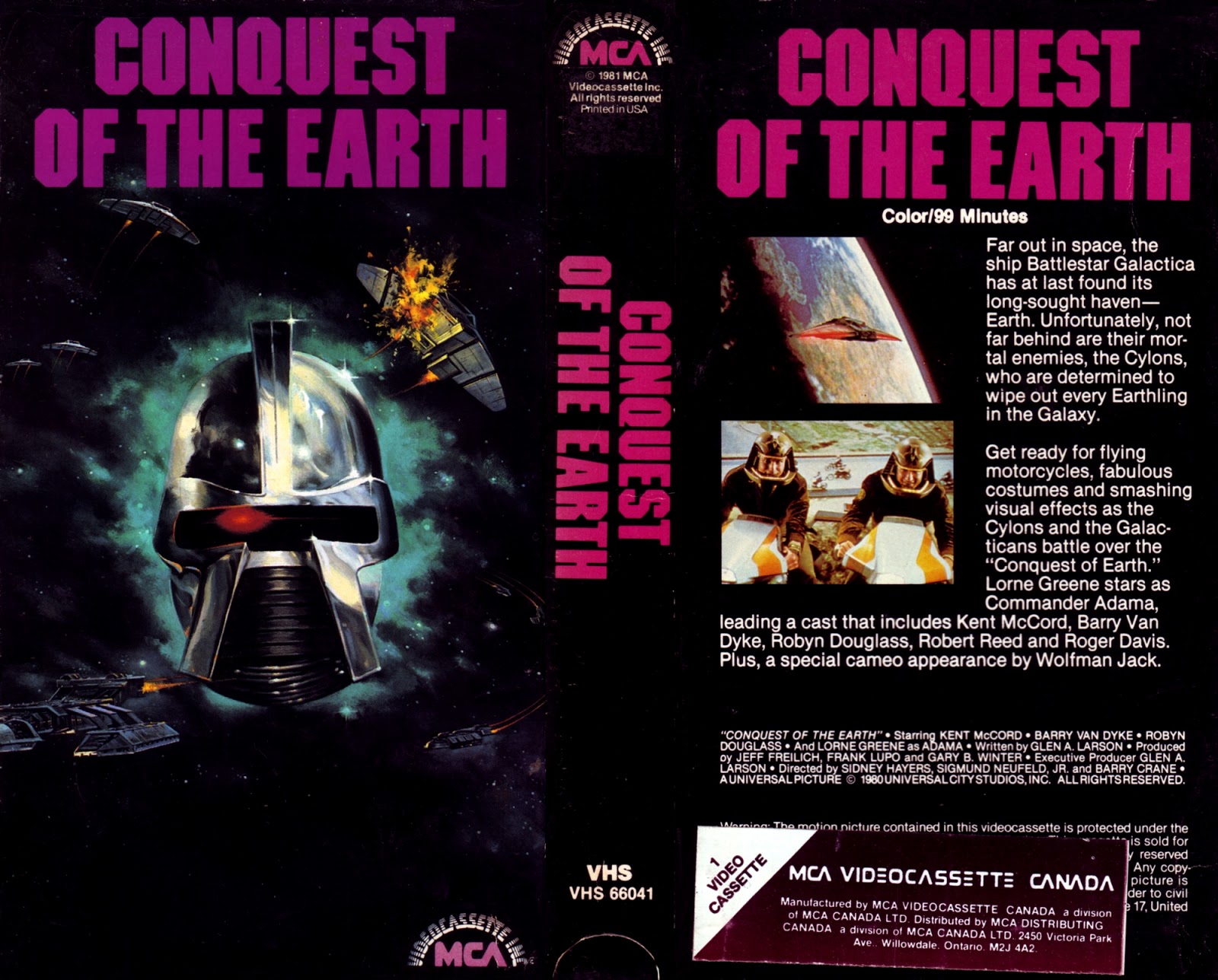
todozoo.com – Conquest of the Earth is a 1980 television film that serves as a continuation of the classic science fiction series Battlestar Galactica. This film, compiled from episodes of the short-lived Galactica 1980 series, brings the iconic space opera to Earth, setting the stage for a climactic confrontation between the human survivors and their relentless Cylon adversaries.   

A New Frontier, An Ancient Threat

The film follows the Battlestar Galactica and its crew as they finally reach their ancestral home, Earth. However, their arrival is overshadowed by the impending threat of the Cylons, who have relentlessly pursued the humans across the cosmos. The Cylons, in their pursuit of total annihilation, seek to exploit Earth’s resources and eradicate its inhabitants.   

A Clash of Civilizations

As the Cylons infiltrate Earth, disguising themselves as humans, a tense battle between the two species ensues. The human survivors, armed with advanced technology and unwavering determination, must unite with Earth’s inhabitants to defend their planet. The film explores themes of human resilience, the dangers of unchecked power, and the importance of unity in the face of adversity.

A Blend of Science Fiction and Human Drama

Conquest of the Earth seamlessly blends elements of science fiction and human drama. The film delves into the emotional impact of war, loss, and displacement, as well as the challenges of adapting to a new world. The characters, both human and Cylon, are complex and multifaceted, adding depth and nuance to the narrative.

A Mixed Reception and a Cult Following

Upon its release, Conquest of the Earth received a mixed reception from critics and audiences. Some praised its ambitious scope and stunning visual effects, while others criticized its uneven pacing and tonal inconsistencies. Despite its initial reception, the film has developed a cult following over the years, with fans appreciating its unique blend of science fiction and adventure.

A Timeless Tale of Good vs. Evil

Conquest of the Earth remains a timeless tale of good versus evil, exploring the eternal struggle between humanity and its destructive tendencies. The film’s exploration of themes such as hope, perseverance, and the power of unity continues to resonate with audiences today.

Conclusion

Conquest of the Earth is a captivating science fiction film that offers a thrilling conclusion to the Battlestar Galactica saga. While it may not be a perfect film, it remains a beloved entry in the franchise, offering a blend of action, drama, and philosophical exploration.

Agnes of God: A Battle Between Faith and Reason

todozoo.com – Agnes of God, a 1985 psychological drama film directed by Norman Jewison, delves into a captivating exploration of faith, reason, and the blurred lines between the two. Based on the play of the same name by John Pielmeier, the film features a stellar cast including Jane Fonda, Anne Bancroft, and Meg Tilly.   

A Mysterious Birth and a Skeptical Psychiatrist   

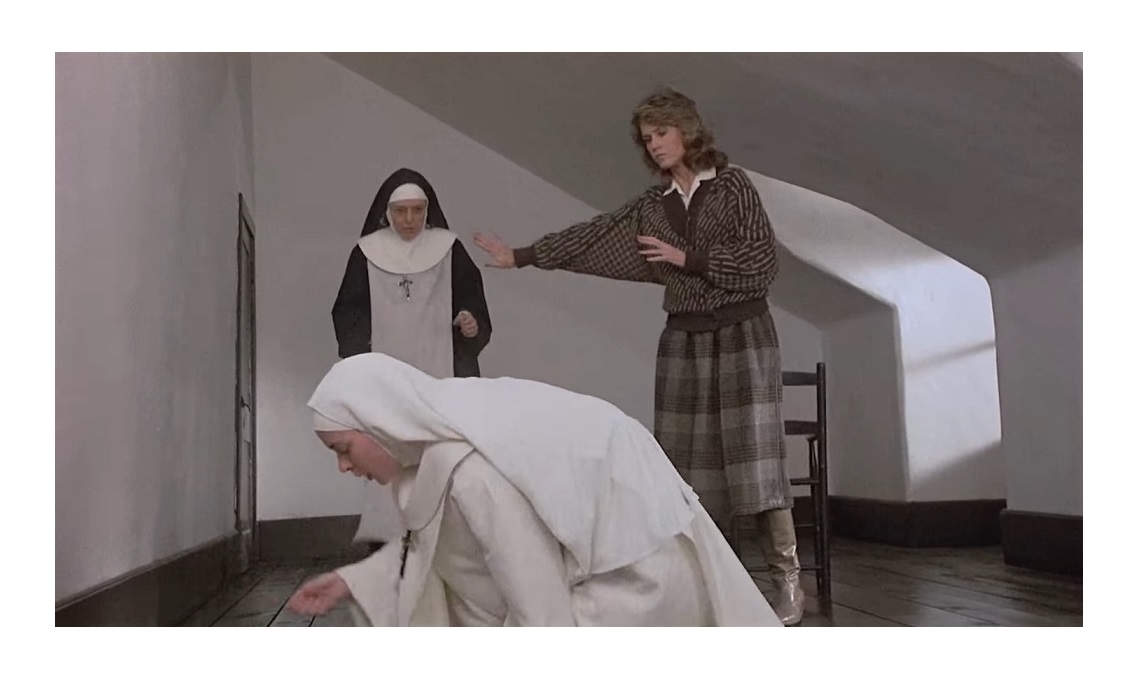
The film revolves around a young novice nun, Sister Agnes (Meg Tilly), who is accused of murdering a newborn baby found in her convent room. To determine her mental competency, a skeptical psychiatrist, Dr. Martha Livingston (Jane Fonda), is appointed to evaluate her. As Dr. Livingston delves deeper into the mysterious circumstances surrounding the baby’s death, she finds herself questioning her own beliefs and the boundaries between faith and science.   

A Clash of Worldviews

The film’s central conflict lies between Dr. Livingston’s rational, scientific approach and Sister Agnes’ unwavering faith. The Mother Superior, played by Anne Bancroft, adds another layer of complexity to the narrative, fiercely protecting her novice and the sanctity of the convent.   

A Powerful Performance by Jane Fonda

Jane Fonda delivers a powerful performance as Dr. Livingston, a character who is both intelligent and vulnerable. Her portrayal of a woman struggling to reconcile her rational mind with the inexplicable is both compelling and thought-provoking.  

A Timeless Exploration of Faith and Reason

Agnes of God continues to resonate with audiences due to its timeless exploration of faith, reason, and the human condition. The film’s exploration of the power of belief and the limits of human understanding has made it a classic in the genre of psychological drama.   

Jane Fonda’s Impact on Film

Jane Fonda has had a significant impact on the film industry, both as an actress and as an activist. Her roles often challenge societal norms and address important social issues. In Agnes of God, she delivers a nuanced and compelling performance that showcases her versatility as an actress.   

Conclusion

Agnes of God is a haunting and thought-provoking film that invites viewers to question their own beliefs and the nature of reality. Its exploration of faith, reason, and the human condition continues to resonate with audiences today, making it a timeless classic.

Prince Valiant: A Timeless Tale of Chivalry and Courage

todozoo.com – Prince Valiant (1954) is a classic swashbuckling adventure film that transports audiences to the mythical realm of Camelot. Based on the popular comic strip created by Hal Foster, the film captures the spirit of chivalry, heroism, and romance that defined the Arthurian legend.   

A Tale of Exiled Royalty

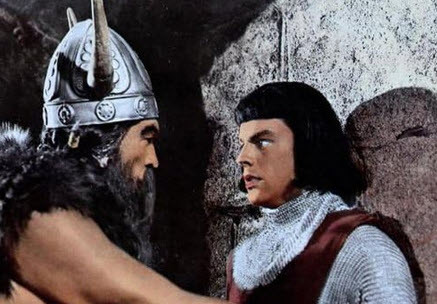
The film follows the journey of Prince Valiant (Robert Wagner), a young Viking prince exiled from his homeland of Scandia by the treacherous King Sligon (James Mason). Seeking refuge and an opportunity to reclaim his rightful throne, Valiant travels to Camelot, the legendary court of King Arthur.   

A Knight’s Training and a Princess’s Heart

Under the tutelage of the renowned knight Sir Gawain (Sterling Hayden), Valiant undergoes rigorous training to become a knight of the Round Table. As he hones his skills in swordsmanship and horsemanship, he also captures the heart of the beautiful Princess Aleta (Janet Leigh), a member of the royal court.   

A Battle Against Evil

Meanwhile, Sligon and his sinister Black Knight plot to undermine King Arthur’s rule and seize control of Britain. Valiant, with the help of his loyal companions, must confront these threats and protect the realm from darkness.   

A Visual Spectacle

Prince Valiant is a visually stunning film, with breathtaking cinematography that captures the beauty of the English countryside. The film’s production design is equally impressive, with elaborate sets and costumes that bring the Arthurian legend to life.   

A Timeless Tale of Good vs. Evil

At its core, Prince Valiant is a timeless tale of good versus evil. The film’s themes of courage, honor, and loyalty continue to resonate with audiences today. Its thrilling sword fights, romantic entanglements, and epic battles make it a classic adventure film that has stood the test of time.

Haywire: A Family’s Turbulent Tapestry

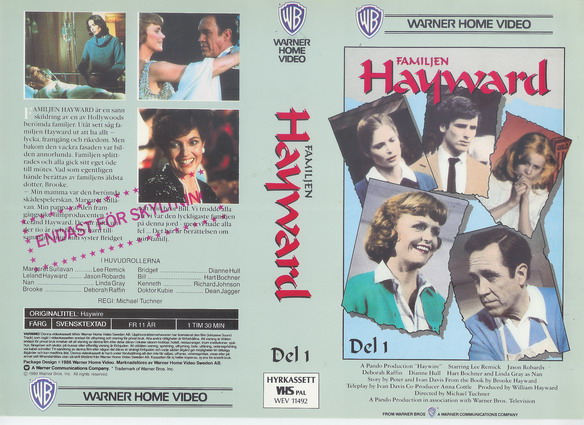
todozoo.com – Haywire (1980) is a captivating television miniseries that delves into the complex and often tumultuous lives of the Hayward family. This biographical drama, based on Brooke Hayward’s memoir, offers a poignant and unflinching look at the joys, sorrows, and dysfunctions of a family marked by fame, fortune, and tragedy.   

A Stellar Cast Brings the Story to Life

The miniseries boasts a talented cast that brings the Hayward family to life:

  • Lee Remick as Margaret Sullavan, the luminous actress and troubled mother.  
  • Deborah Raffin as Brooke Hayward, the insightful and sensitive daughter.  
  • Jason Robards as Leland Hayward, the powerful theatrical producer and complex father figure. 

A Non-Linear Narrative Unravels the Past

Haywire employs a non-linear narrative structure, seamlessly weaving together past and present to create a rich and layered portrait of the family. Through flashbacks and present-day scenes, the miniseries explores the impact of Margaret Sullavan’s untimely death on her family and the enduring legacy of the Hayward name.  

A Deep Dive into the Golden Age of Hollywood

The film provides a fascinating glimpse into the glamorous world of Hollywood’s Golden Age, offering a behind-the-scenes look at the lives of its stars. The miniseries delves into the personal struggles and public triumphs of Margaret Sullavan, one of the most talented actresses of her generation.  

A Timeless Exploration of Family Dynamics

Beyond its historical significance, Haywire is a timeless exploration of family dynamics, love, loss, and the enduring bonds of kinship. The film’s honest portrayal of the Hayward family’s complexities and contradictions resonates with audiences, offering a poignant reminder of the importance of family and the power of human connection.

A Must-Watch for Fans of Historical Drama

For fans of historical drama and biographical films, Haywire is a must-watch. Its compelling storytelling, strong performances, and insightful exploration of the human condition make it a truly memorable television experience.

Killer Nun: A Sinister Tale of Morphine and Madness

todozoo.com – Killer Nun (1979) is a bizarre and campy Italian horror film that blends elements of nunsploitation, giallo, and erotic thriller. Directed by Giulio Berruti, the film stars the iconic Anita Ekberg as Sister Gertrude, a troubled nun who descends into a spiral of madness and violence fueled by morphine addiction.   

A Descent into Darkness

The film follows Sister Gertrude as she recovers from brain surgery. However, her recovery is complicated by a series of strange visions and increasing paranoia. As her mental state deteriorates, she becomes addicted to morphine, leading to a series of increasingly violent and bizarre incidents.   

The nun’s descent into madness is accompanied by a series of murders, with victims ranging from fellow nuns to unsuspecting patients. The film’s lurid atmosphere is heightened by its graphic violence, sexual content, and surreal imagery.   

A Critique of Religious Hypocrisy

Beyond its shock value and exploitation elements, Killer Nun can be seen as a critique of religious hypocrisy and the oppressive nature of institutional authority. The film’s portrayal of the Catholic Church as a corrupt and morally bankrupt institution is both scathing and provocative.  

A Cult Classic

Despite its controversial nature, Killer Nun has achieved cult status among horror and exploitation film fans. Its blend of campy horror, sexual themes, and social commentary has resonated with audiences who appreciate its over-the-top style and dark humor.

The film’s enduring popularity can be attributed to its unique blend of genres and its unforgettable central performance by Anita Ekberg. Her portrayal of the deranged Sister Gertrude is both terrifying and captivating, making her one of the most iconic horror villains of the 1970s.

A Cautionary Tale

While Killer Nun is undeniably a cult classic, it is also a cautionary tale about the dangers of addiction and the destructive power of unchecked rage. The film’s exploration of themes such as mental illness, religious fanaticism, and the abuse of power continues to resonate with audiences today.

Carry On Behind (1975): A British Comedy Classic Introduction

todozoo.com – “Carry On Behind,” released in 1975, is the 27th entry in the beloved British “Carry On” film series, known for its slapstick humor and double entendres. Directed by Gerald Thomas, this installment continues the tradition of light-hearted comedy, featuring a mix of returning cast members and new faces.

Plot Overview

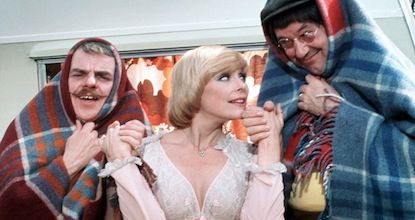
The film is set in a British caravan park where two professors, Professor Roland Crump and Professor Anna Vooshka, are conducting an archaeological dig. Their scholarly pursuits are humorously disrupted by the antics of the park’s holidaymakers. The plot weaves together various comedic subplots, including romantic entanglements, mistaken identities, and mischievous escapades, all culminating in a chaotic and entertaining climax.

Themes and Style

Classic British Humor

“Carry On Behind” exemplifies the quintessential British humor that the series is known for. The film embraces slapstick comedy, witty dialogue, and innuendos, appealing to audiences with its irreverent and playful tone.

Social Satire

The film satirizes British holiday culture and the quirks of caravan park life. Through its comedic lens, it offers a humorous commentary on social interactions and relationships, poking fun at the characters’ foibles and misunderstandings.

Characters

Professor Roland Crump

Kenneth Williams stars as Professor Roland Crump, a pompous and somewhat oblivious academic. His interactions with the park’s residents lead to a series of humorous situations, highlighting Williams’ comedic talent.

Professor Anna Vooshka

Elke Sommer joins the cast as Professor Anna Vooshka, a Russian archaeologist. Her character adds a touch of international flair and becomes entangled in the comedic chaos alongside Professor Crump.

Cinematic Techniques

Ensemble Cast

The film features an ensemble cast, a hallmark of the “Carry On” series. Familiar faces such as Joan Sims, Bernard Bresslaw, and Peter Butterworth contribute to the film’s comedic charm, each bringing their unique style and timing to the ensemble.

Lighthearted Direction

Gerald Thomas’s direction ensures a brisk pace, with gags and set pieces that keep the audience engaged. The film’s comedic timing and visual humor are crafted to maximize laughs, maintaining the series’ reputation for entertaining escapism.

Reception and Legacy

“Carry On Behind” received a warm reception from fans of the series, appreciating its humor and familiar formula. While not the most critically acclaimed entry, it holds a place in the hearts of “Carry On” enthusiasts. The film’s enduring popularity is a testament to the series’ ability to capture the spirit of British comedy.

Conclusion

“Carry On Behind” is a delightful addition to the “Carry On” series, offering a blend of humor, chaos, and charm. Its lighthearted approach and comedic performances ensure its status as a classic British comedy, continuing to entertain audiences with its timeless antics.

Who Is Killing the Great Chefs of Europe? (1978)

todozoo.com – “Who Is Killing the Great Chefs of Europe?” is a delightful comedy-mystery film released in 1978, directed by Ted Kotcheff. This film skillfully combines the intrigue of a murder mystery with the humor of a culinary satire, offering audiences a lighthearted yet suspenseful cinematic experience. With its unique premise and engaging performances, the film has carved out a niche as a cult favorite among fans of both mystery and comedy genres.

Plot Summary

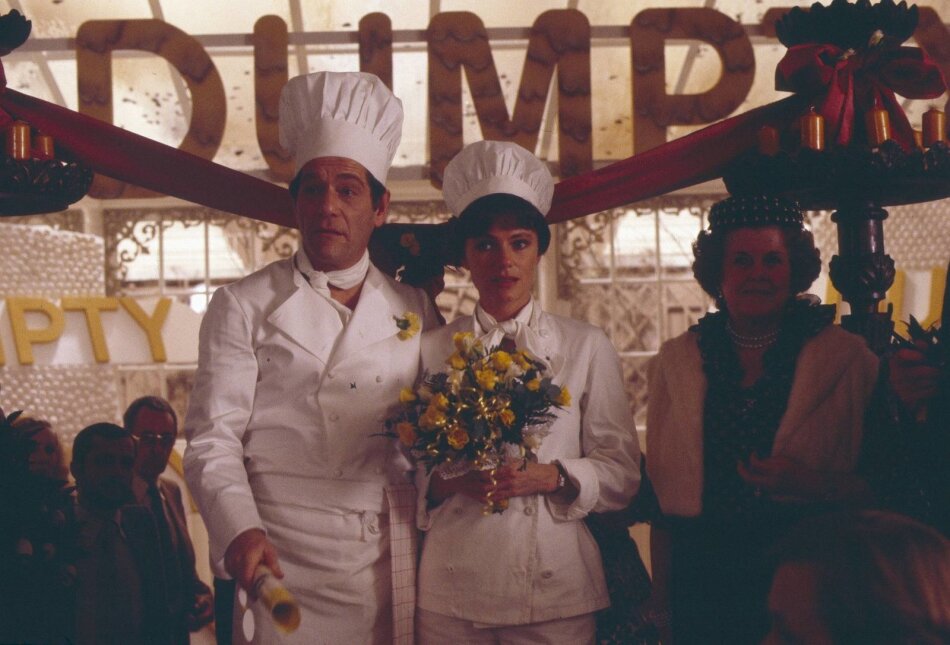
Set against the backdrop of Europe’s most prestigious culinary world, the film follows renowned dessert chef Natasha O’Brien, played by Jacqueline Bisset, and her ex-husband, famed pastry chef Robby Ross, portrayed by George Segal. The story unfolds as a series of bizarre murders target some of the continent’s most celebrated chefs, each killed in a manner reflecting their signature dish.

As the culinary elite falls one by one, Natasha becomes embroiled in the investigation. With humor and wit, she and Robby navigate a web of jealousy, ambition, and culinary rivalry to uncover the identity of the elusive murderer. The film cleverly intertwines elements of mystery and comedy, maintaining a playful yet suspenseful tone throughout.

Themes and Style

“Who Is Killing the Great Chefs of Europe?” explores themes such as the cutthroat nature of professional competition, the intersection of art and obsession, and the lengths individuals will go to achieve greatness. The film satirizes the culinary world’s eccentricities, highlighting the often extravagant and absurd lengths chefs go to in their quest for perfection.

The film’s style is characterized by its vibrant depiction of European locales and its lavish portrayal of gourmet cuisine. Director Ted Kotcheff uses sumptuous visuals to showcase the art of cooking, drawing audiences into the opulent world of haute cuisine while keeping them engaged with the unfolding mystery.

Performances and Humor

Jacqueline Bisset and George Segal deliver standout performances, bringing charm and charisma to their roles. Their on-screen chemistry adds depth to the film, making the comedic elements all the more enjoyable. The supporting cast, including Robert Morley as the food critic Max Vandeveer, contributes to the film’s humor with their eccentric portrayals.

The film’s humor stems from its clever dialogue and the absurdity of the chefs’ predicaments. It balances comedic moments with the tension of a murder mystery, creating a unique blend that keeps viewers entertained and intrigued.

Reception and Legacy

Upon its release, “Who Is Killing the Great Chefs of Europe?” received positive reviews for its witty script and engaging performances. It was praised for its originality and its ability to blend comedy with the suspense of a traditional whodunit. The film’s unique premise and execution have earned it a lasting place in the comedy-mystery genre.

Today, the film is appreciated for its lighthearted take on the murder mystery format and its affectionate satire of the culinary world. It remains a favorite among those who enjoy a mix of humor and intrigue, offering a delightful escape into a world where culinary artistry meets crime-solving.

Conclusion

“Who Is Killing the Great Chefs of Europe?” is a charming and entertaining film that masterfully combines the elements of comedy and mystery. With its engaging storyline, memorable performances, and satirical look at the world of haute cuisine, the film continues to captivate audiences with its unique blend of suspense and humor. As a delightful culinary caper, it invites viewers to savor the intrigue and enjoy the ride.

The Red Tent (1969): A Historical Epic of Survival & Exploration

todozoo.com – “The Red Tent” is a 1969 historical adventure film directed by Mikhail Kalatozov. This international co-production features an ensemble cast, including Sean Connery, Peter Finch, and Claudia Cardinale. The film is inspired by the real-life events of the 1928 dirigible expedition led by Italian General Umberto Nobile to the North Pole. Through its epic narrative and dramatic depiction of human endurance, “The Red Tent” explores themes of survival, leadership, and the human spirit.

Plot Overview

The film recounts the ill-fated Arctic expedition of the airship Italia, commanded by General Umberto Nobile (played by Peter Finch). As the airship crashes on the ice, the crew is forced to survive under harsh conditions, setting up a makeshift camp using their red tent. The story unfolds through a series of flashbacks and a fictionalized account of Nobile’s later life, where he is haunted by memories of the expedition. Sean Connery portrays the legendary polar explorer Roald Amundsen, who plays a pivotal role in the rescue efforts.

Themes and Style

“The Red Tent” delves into the complexities of leadership and the moral dilemmas faced by those in command during life-and-death situations. The film examines the psychological struggles of Nobile as he grapples with guilt and responsibility for the lives lost during the expedition.

Kalatozov’s direction captures the stark beauty and treacherous nature of the Arctic environment, using sweeping cinematography to immerse viewers in the vast frozen landscape. The film’s score, composed by Ennio Morricone, adds to the emotional weight of the narrative, enhancing the tension and drama of the unfolding events.

Performances

The film boasts strong performances from its international cast. Peter Finch delivers a nuanced portrayal of General Nobile, capturing the character’s internal conflict and resilience. Sean Connery brings charisma and gravitas to his role as Amundsen, while Claudia Cardinale adds depth to the story as Valeria, Nobile’s supportive but concerned companion.

Reception and Legacy

“The Red Tent” received mixed reviews upon its release, with praise for its ambitious scope and visual grandeur. Despite its initial reception, the film has gained appreciation over time for its historical significance and artistic achievements. It stands as a compelling retelling of a dramatic chapter in polar exploration history.

Conclusion

“The Red Tent” (1969) offers a gripping account of survival against the odds, set against the backdrop of one of the most challenging environments on Earth. Its exploration of leadership, courage, and the human capacity to endure makes it a memorable entry in the genre of historical adventure films. Through its powerful storytelling and striking visuals, “The Red Tent” continues to resonate with audiences interested in the triumphs and trials of exploration.

The Fall of the Roman Empire (1964): A Cinematic Epic

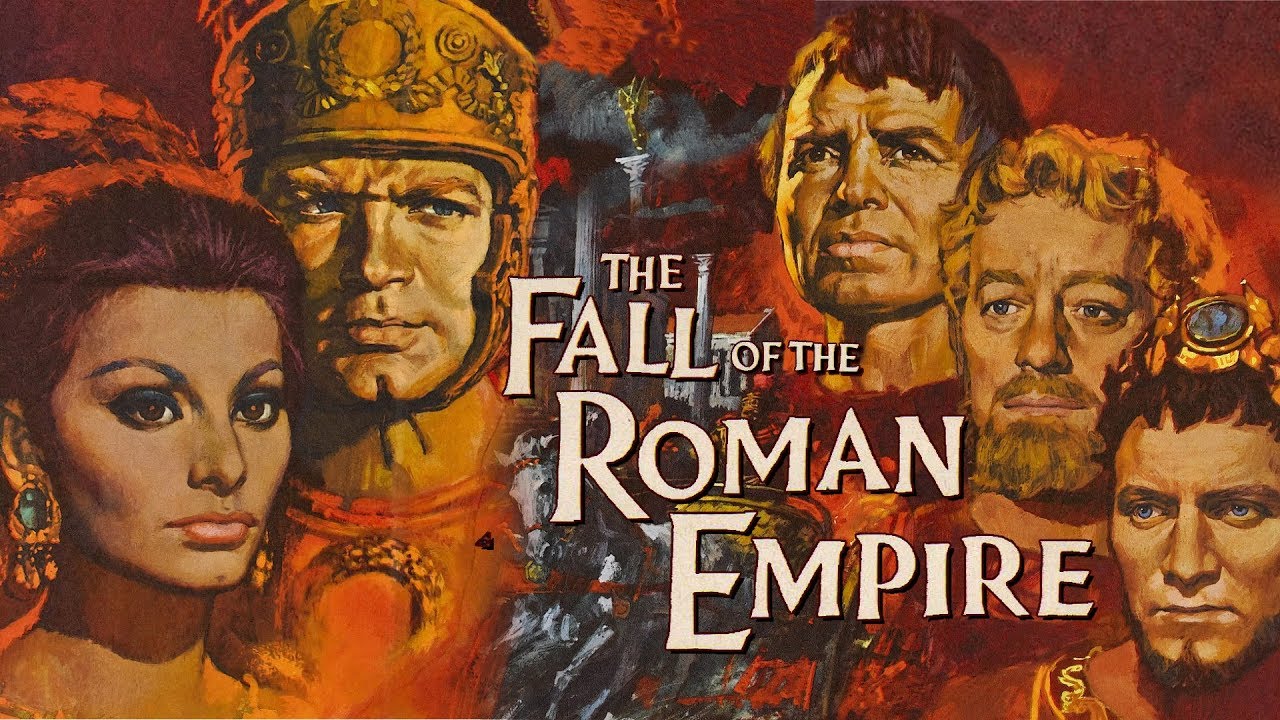
todozoo.com  – Released in 1964, “The Fall of the Roman Empire” stands as a monumental cinematic achievement that endeavors to depict the grandeur and eventual decline of one of history’s greatest empires. Directed by Anthony Mann, this film is a classic example of the historical epic genre, capturing the imagination of audiences with its elaborate sets, grand battle sequences, and a star-studded cast.

Plot Overview

The film is set during the reign of Emperor Marcus Aurelius and explores the political and social factors that contributed to the decline of the Roman Empire. Marcus Aurelius, played by Alec Guinness, is portrayed as a wise and just ruler who seeks to secure the future of Rome by appointing his adopted son, Livius (Stephen Boyd), as his successor. However, his plans are thwarted when his biological son, Commodus (Christopher Plummer), takes the throne following Aurelius’s death.

Commodus’s tyrannical rule leads to corruption and unrest within the empire, setting the stage for its eventual collapse. The film interweaves personal drama with historical events, exploring themes of power, loyalty, and betrayal.

Cast and Characters

“The Fall of the Roman Empire” features an impressive ensemble cast, including:

  • Stephen Boyd as Livius, the noble and conflicted protagonist.
  • Sophia Loren as Lucilla, the daughter of Marcus Aurelius and Livius’s love interest.
  • Alec Guinness as Marcus Aurelius, the wise emperor with a vision for Rome’s future.
  • Christopher Plummer as Commodus, the ambitious and ruthless antagonist.
  • James Mason as Timonides, a philosopher and advisor.

Production and Cinematography

The film is renowned for its lavish production values. Filmed on location in Spain, the production team constructed massive sets, including a replica of the Roman Forum, to authentically recreate the grandeur of ancient Rome. The film’s budget was one of the largest of its time, reflecting the ambition of the project.

Cinematographer Robert Krasker captured the epic scale of the film with sweeping wide shots and intricate set pieces that highlighted the richness of the Roman world. The film’s visual spectacle, combined with Dimitri Tiomkin’s powerful musical score, enhances the dramatic narrative.

Historical Accuracy and Themes

While “The Fall of the Roman Empire” takes certain liberties with historical facts for dramatic purposes, it successfully conveys the essence of the period’s complexities. The film delves into the themes of moral decay, political intrigue, and the consequences of absolute power, all of which resonate with the historical realities of Rome’s decline.

The portrayal of Commodus as a tyrant, for instance, echoes historical accounts of his reign, while the film’s depiction of internal strife and external pressures reflects the multifaceted challenges faced by the empire.

Reception and Legacy

Upon its release, “The Fall of the Roman Empire” received mixed reviews, with some critics praising its visual grandeur and others critiquing its pacing and narrative depth. Despite its initial reception, the film has gained recognition over the years for its ambitious scope and has influenced subsequent historical epics.

The film’s detailed production design and commitment to creating an immersive historical experience have earned it a place in the canon of classic epic cinema. It serves as a precursor to later films like “Gladiator,” which also explore similar themes of power and decline in ancient Rome.

Conclusion

“The Fall of the Roman Empire” (1964) remains a significant entry in the genre of historical epics. With its compelling performances, stunning visuals, and exploration of timeless themes, the film offers a captivating portrayal of one of history’s most fascinating periods. Despite its age, the film continues to be a testament to the enduring allure of the Roman Empire’s story and the cinematic power of historical storytelling.

Born on the Fourth of July (1989): Landmark Film

todozoo.com – “Born on the Fourth of July” is a 1989 American biographical war drama film directed by Oliver Stone and starring Tom Cruise. The film is based on the autobiographical book by Ron Kovic, which tells the story of his life from a patriotic youth to a disillusioned Vietnam War veteran. This article delves into the key aspects of the film, its historical context, and its impact on audiences and the film industry.

Plot and Themes

The film follows Ron Kovic (played by Tom Cruise), who enlists in the Marines driven by a strong sense of duty and patriotism. However, his experiences in the Vietnam War, including a life-altering injury that leaves him paralyzed, lead to a profound transformation in his beliefs. The movie explores themes of patriotism, war, disillusionment, and redemption, capturing Kovic’s journey from an eager young soldier to a vocal anti-war activist.

Historical Context

Set against the backdrop of the Vietnam War and the subsequent anti-war movement, “Born on the Fourth of July” presents a stark portrayal of the era’s political and social upheaval. The film highlights the struggles faced by veterans returning home to a country divided over the war. It serves as a poignant reminder of the human cost of conflict and the challenges of reintegration faced by veterans.

Critical Acclaim and Awards

The film received widespread critical acclaim for its powerful storytelling and Tom Cruise’s compelling performance. Cruise’s portrayal of Ron Kovic earned him a Golden Globe Award for Best Actor, and the film won the Golden Globe for Best Motion Picture – Drama. Additionally, Oliver Stone won the Academy Award for Best Director, and the film was nominated for several other Oscars, including Best Picture.

Impact and Legacy

“Born on the Fourth of July” remains a significant film in the war drama genre, noted for its unflinching depiction of the Vietnam War’s impact on soldiers and society. It contributed to a broader conversation about the treatment of veterans and the ethical implications of war. The film also cemented Tom Cruise’s status as a serious actor capable of tackling complex roles.

Conclusion

“Born on the Fourth of July” is more than just a war film; it’s a powerful narrative about personal transformation and the quest for justice. Through Ron Kovic’s story, the film invites viewers to reflect on the costs of war and the importance of advocating for peace and understanding. Oliver Stone’s direction and Tom Cruise’s performance combine to create a timeless work that continues to resonate with audiences today.

“Hello Stranger” (2010): A Delightful Thai Romantic Comedy

todozoo.com – Released in 2010, the Thai film “Hello Stranger” directed by Banjong Pisanthanakun, offers a refreshing take on the romantic comedy genre. Set against the picturesque backdrop of South Korea, the film explores themes of anonymity, love, and self-discovery, capturing the hearts of audiences with its unique storyline and charming performances.

Plot Overview

“Hello Stranger” follows the story of two Thai strangers—a man and a woman—who coincidentally meet while on vacation in South Korea. Both are dealing with personal heartbreaks and decide to explore the country together while keeping their identities a secret. This decision leads to a series of humorous and heartwarming adventures as they navigate a foreign land together, gradually forming a bond without the baggage of their real-world identities.

Themes and Motifs

The film cleverly delves into the concept of anonymity and how it can liberate individuals to be their true selves. By keeping their names and backgrounds hidden, the characters are free to experience each other without preconceived notions or societal expectations. This anonymity allows them to connect on a deeper level, making their journey not just about discovering a new country, but also about discovering themselves and each other.

Cinematic Appeal

The picturesque locations in South Korea serve as a stunning backdrop to the couple’s adventures, adding a visual appeal that complements the film’s romantic narrative. The director, Banjong Pisanthanakun, known for his work in the horror genre, brings a fresh perspective to romantic comedy, blending humor with genuine emotional depth.

Performance and Reception

The chemistry between the lead actors, Chantavit Dhanasevi and Nuengthida Sophon, is palpable and adds authenticity to their evolving relationship. Their performances are both engaging and relatable, contributing significantly to the film’s success. “Hello Stranger” was well-received by audiences and critics alike, praised for its originality and the light-hearted yet touching portrayal of romance.

Conclusion

“Hello Stranger” is more than just a romantic comedy; it is a journey of self-discovery and the realization that sometimes, the best connections are formed when we let go of our identities and embrace the unknown. It stands as a testament to the magic of unexpected encounters and the serendipity of finding love in the most unlikely places.

Marlina the Murderer in Four Acts: A Cinematic Exploration

todozoo.com – “Marlina the Murderer in Four Acts” (Indonesian: Marlina Si Pembunuh dalam Empat Babak) is a 2017 Indonesian film directed by Mouly Surya. This film stands out as a compelling narrative that blends the Western genre with feminist themes, set against the stark and stunning backdrop of the Indonesian landscape.

The Plot and Structure

The film is divided into four acts: Robbery, Journey, Confession, and Birth. Each act unravels a part of Marlina’s journey and psychological transformation. The story begins with Marlina, a young widow living in a remote Indonesian village, who is attacked by a gang of bandits. In a bold and shocking act of self-defense, Marlina poisons and beheads the leader.

Cinematic Style and Themes

Mouly Surya’s direction masterfully integrates elements of the Western genre with Indonesian cultural nuances. The film’s visual style is reminiscent of the works of Sergio Leone, with wide shots capturing the vast, desolate landscapes of Sumba Island. This cinematic choice underscores the isolation and vulnerability felt by Marlina and amplifies her quest for justice.

The narrative explores themes of female empowerment and resilience in the face of oppression. Marlina’s journey is not just a physical one, but also a metaphorical exploration of reclaiming agency and dignity in a patriarchal society.

Critical Reception

The film was well-received internationally, praised for its bold storytelling and strong feminist undertones. It was selected as the Indonesian entry for the Best Foreign Language Film at the 91st Academy Awards.

Conclusion

“Marlina the Murderer in Four Acts” is more than just a film about revenge; it is an exploration of gender dynamics and cultural identity. Surya’s work challenges viewers to reflect on the societal structures that perpetuate gender-based violence, making it a significant piece of Indonesian cinema with universal relevance.

The 2009 film “Tsar” – Visual and Cinematic Style

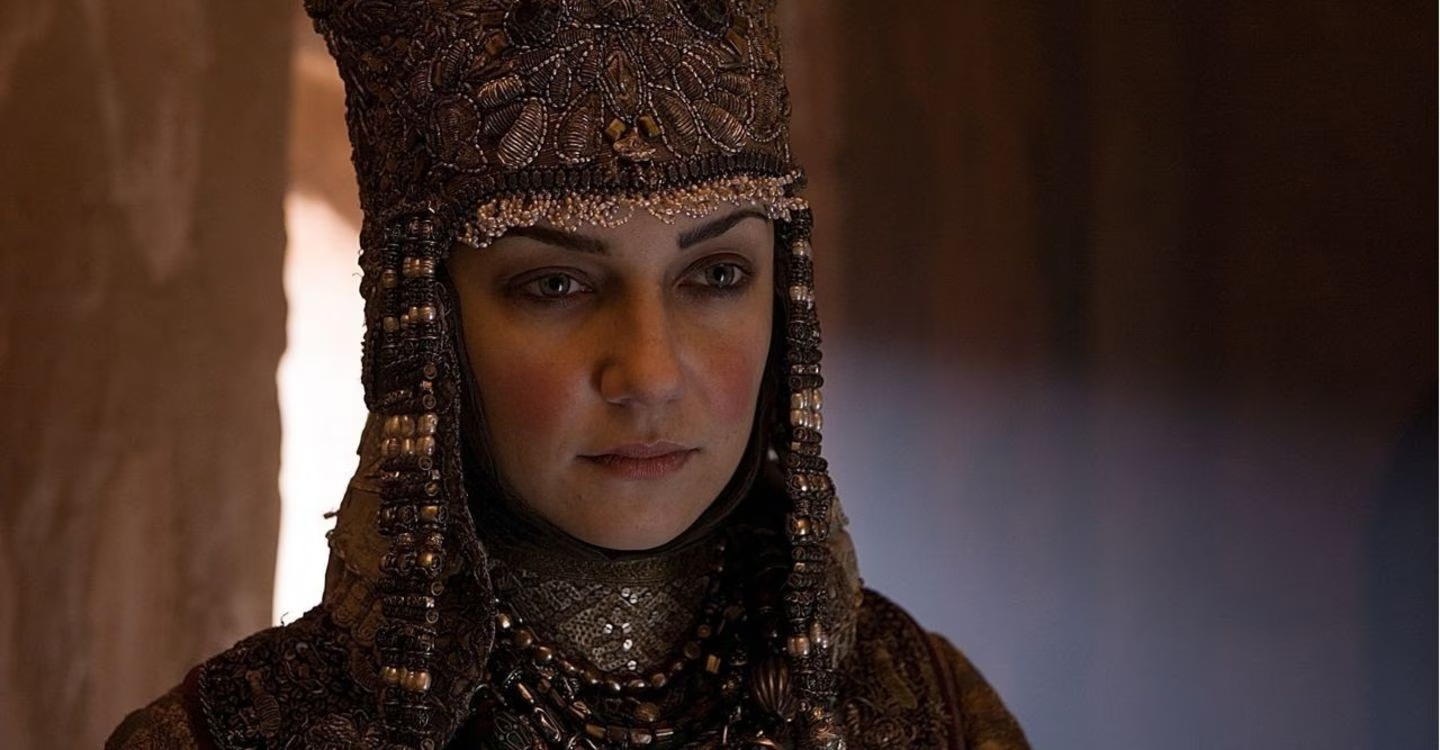
todozoo.com – In 2009, Russian filmmaker Pavel Lungin released a historical drama titled “Tsar,” a cinematic portrayal of the turbulent reign of Ivan the Terrible, one of Russia’s most notorious rulers. The film delves into the complex relationship between power and religion, exploring the moral and ethical struggles faced by those in authority.

Plot Summary

Set in the 16th century, “Tsar” focuses on the volatile reign of Ivan IV, known as Ivan the Terrible, who is best remembered for his brutal tactics and authoritarian rule. The narrative primarily revolves around Ivan’s relationship with his childhood friend and spiritual advisor, Metropolitan Filipp. As Ivan’s paranoia and tyranny escalate, Filipp becomes a voice of conscience, challenging the Tsar’s oppressive methods and striving to mitigate his cruelty.

Key Themes

Power and Tyranny

One of the central themes of “Tsar” is the corrupting influence of absolute power. Ivan the Terrible’s reign epitomizes the dangers of unchecked authority, as his increasing paranoia leads to widespread terror and violence. The film portrays the delicate balance between maintaining control and succumbing to tyranny.

Religion and Morality

The film also explores the role of religion in governance, highlighting the tension between spiritual guidance and political power. Metropolitan Filipp serves as a moral counterbalance to Ivan’s excesses, representing the ethical dilemmas faced by those who attempt to wield influence for the greater good.

Visual and Cinematic Style

“Tsar” is noted for its striking visual style, capturing the stark contrasts between the opulence of the Russian court and the harsh realities of Ivan’s regime. The film’s cinematography and set design effectively convey the historical context, immersing viewers in a world of grandeur and brutality.

Conclusion

Pavel Lungin’s “Tsar” offers a thought-provoking examination of the complexities of leadership and the interplay between power and morality. Through its vivid portrayal of historical events, the film invites audiences to reflect on the enduring challenges of governance and the human condition.

The Puppetmaster (1993): A Cinematic Masterpiece of Storytelling

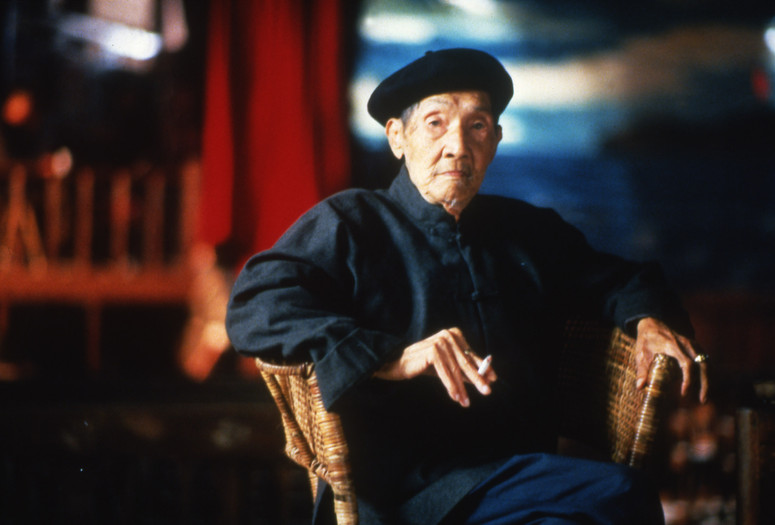
todozoo.com – “The Puppetmaster,” directed by Hou Hsiao-hsien, is a remarkable film released in 1993 that combines the artistry of cinema with the rich tapestry of historical narrative. This film not only showcases the director’s unique storytelling style but also provides a profound insight into the cultural and historical context of Taiwan during a turbulent period.

Plot and Themes

The film is a biographical drama that chronicles the life of Li Tien-lu, a renowned Taiwanese puppeteer. The narrative is set against the backdrop of Japanese-occupied Taiwan during the early 20th century. Through Li’s life story, the film explores themes of cultural identity, the impact of colonialism, and the resilience of traditional art forms.

Visual Style and Direction

Hou Hsiao-hsien is known for his distinctive visual style, characterized by long takes, minimalistic dialogue, and a focus on the environment surrounding the characters. In “The Puppetmaster,” he employs these techniques to immerse the audience in the period setting, allowing them to experience the historical and cultural nuances firsthand. The film’s visual narrative is a testament to Hou’s skill in blending realism with artistic expression.

Cultural and Historical Significance

“The Puppetmaster” serves as more than just a biographical account; it is a reflection on the preservation of cultural heritage amidst foreign domination. The film highlights the struggle to maintain traditional Taiwanese puppetry, an art form that becomes a symbol of resistance and identity for the protagonist. Through Li Tien-lu’s journey, the film portrays the complex interplay between personal life and larger historical forces.

Critical Reception

Upon its release, “The Puppetmaster” was acclaimed by critics for its artistic merit and historical depth. The film received numerous accolades and was featured in several international film festivals, solidifying Hou Hsiao-hsien’s reputation as a master filmmaker. Critics praised the film for its innovative narrative structure and its ability to evoke emotional resonance through subtle storytelling.

Conclusion

“The Puppetmaster” is a cinematic gem that transcends the boundaries of conventional filmmaking. It stands as a poignant reminder of the power of storytelling to preserve and celebrate cultural history. Hou Hsiao-hsien’s masterful direction and the film’s rich thematic exploration make it a significant work in the landscape of world cinema.

Braveheart: A Cinematic Masterpiece

todozoo.com – “Braveheart” is a 1995 epic historical drama film directed by and starring Mel Gibson. The movie is renowned for its portrayal of the legendary Scottish warrior William Wallace, who led his countrymen in a struggle for freedom against English oppression during the late 13th century. With its sweeping cinematography, compelling storytelling, and powerful performances, “Braveheart” has cemented its place in film history as a beloved classic.

Plot Overview

The film begins with the young William Wallace witnessing the brutal murder of his father and brother by English soldiers. As he grows, Wallace becomes a peaceful farmer, but personal tragedy strikes when English troops kill his secret bride. Fueled by grief and a thirst for justice, Wallace leads a rebellion against the tyrannical rule of King Edward I of England. The story follows Wallace’s journey from a reluctant leader to a symbol of hope and resistance for the Scottish people.

Characters and Performances

Mel Gibson delivers a charismatic performance as William Wallace, portraying him with both vulnerability and strength. The film also features strong supporting roles, including Sophie Marceau as Princess Isabella of France and Patrick McGoohan as the ruthless King Edward I. The ensemble cast brings a sense of authenticity and depth to the historical figures they portray, enhancing the film’s emotional impact.

Cinematography and Music

“Braveheart” is celebrated for its breathtaking cinematography, capturing the rugged beauty of the Scottish landscape. The film’s battle scenes are both epic and visceral, creating a sense of realism and intensity that draws viewers into the heart of the conflict. James Horner’s stirring musical score complements the visuals, adding an emotional resonance to the narrative.

Historical Accuracy

While “Braveheart” is praised for its storytelling and cinematic achievements, it has faced criticism for historical inaccuracies. The film takes creative liberties with certain events and characters, prioritizing dramatic effect over strict adherence to historical facts. Despite this, the movie has sparked interest in Scottish history and the real-life figure of William Wallace.

Cultural Impact

Since its release, “Braveheart” has left a lasting impact on popular culture. It won five Academy Awards, including Best Picture and Best Director, and has inspired numerous parodies, references, and discussions about the nature of heroism and freedom. The film’s iconic battle cry, “They may take our lives, but they’ll never take our freedom!” has become synonymous with the fight against oppression.

Conclusion

“Braveheart” remains a powerful and influential film that resonates with audiences around the world. Its blend of action, romance, and historical drama continues to captivate viewers, making it a timeless classic. Whether celebrated for its cinematic artistry or debated for its historical liberties, “Braveheart” stands as a testament to the enduring power of storytelling.

Kabhi Khushi Kabhie Gham: A Timeless Tale of Love & Family

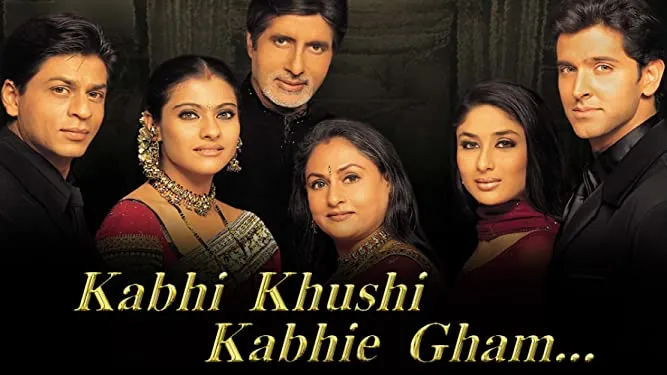
todozoo.com – “Kabhi Khushi Kabhie Gham,” often abbreviated as K3G, is a Bollywood film that continues to capture the hearts of audiences worldwide. Released in 2001, this film is a quintessential family drama that blends emotion, music, and grandeur. Directed by Karan Johar, it features an ensemble cast of some of the biggest names in the Indian film industry, including Amitabh Bachchan, Jaya Bachchan, Shah Rukh Khan, Kajol, Hrithik Roshan, and Kareena Kapoor.

Plot Summary

The movie explores the complex dynamics within a wealthy Indian family, the Raichands, headed by the stern yet loving patriarch Yashvardhan Raichand (Amitabh Bachchan) and his supportive wife Nandini (Jaya Bachchan). Their adopted son, Rahul (Shah Rukh Khan), falls in love with Anjali (Kajol), a vivacious and spirited woman from a lower socio-economic background. This relationship creates a rift in the family, leading Rahul to leave home and settle in London. The story then follows the journey of Rohan (Hrithik Roshan), the younger Raichand sibling, as he attempts to reunite his fractured family.

Themes

Family and Tradition

At its core, “Kabhi Khushi Kabhie Gham” is a film about the importance of family and the value of tradition. It beautifully illustrates how love and understanding can bridge the gap between generations and cultural differences.

Love and Sacrifice

The movie delves into the theme of love, exploring its various forms—romantic love, parental love, and sibling love. Sacrifice emerges as a recurring motif, with characters making significant personal sacrifices for the happiness of their loved ones.

Music and Cinematography

The film is renowned for its captivating soundtrack, composed by Jatin-Lalit, Sandesh Shandilya, and Aadesh Shrivastava. Songs like “Bole Chudiyan” and “Suraj Hua Maddham” remain popular even today. The cinematography, helmed by Kiran Deohans, adds to the film’s grandeur with its stunning visuals and opulent set designs.

Cultural Impact

“Kabhi Khushi Kabhie Gham” has left an indelible mark on Indian cinema and popular culture. Its dialogues, music, and iconic scenes have become a part of the lexicon of Bollywood fans. The film’s exploration of themes like family, love, and tradition resonates with audiences across generations and cultures, making it a timeless classic.

Conclusion

“Kabhi Khushi Kabhie Gham” is more than just a movie; it is an emotional journey that celebrates the bonds of family and the power of love. Its universal themes and memorable performances ensure that it remains a beloved film, cherished by audiences around the world.