Biryani: A Flavorful Rice Dish Fit for Royalty

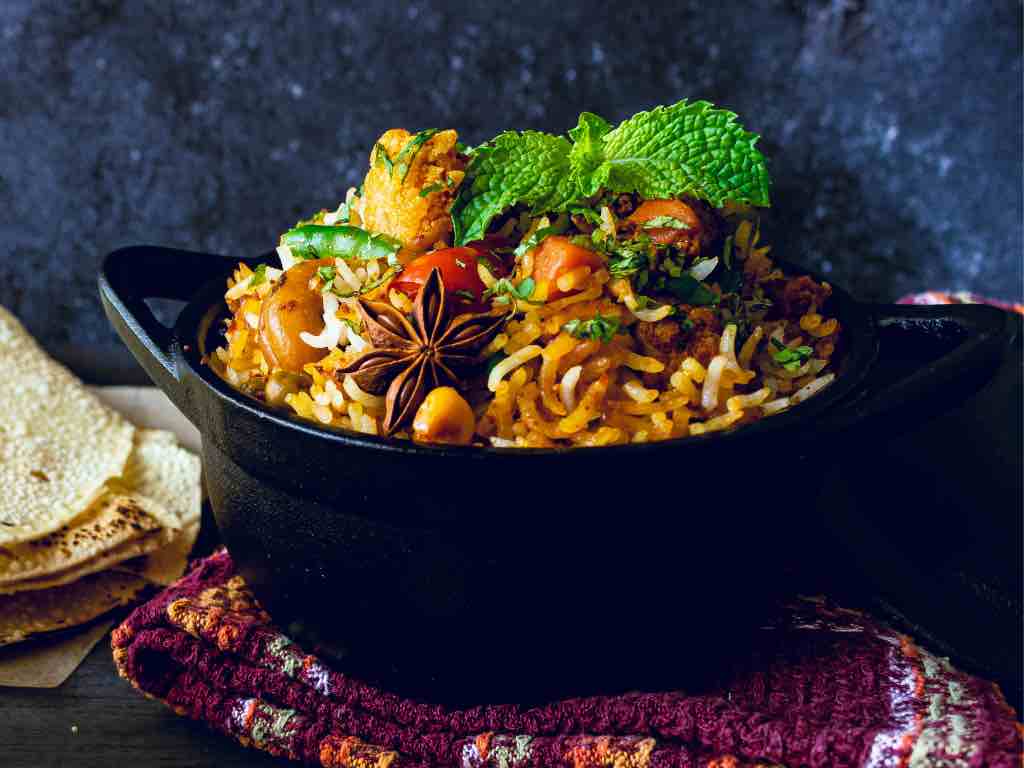
todozoo.com – Biryani, a majestic rice dish, is a culinary masterpiece that has captivated taste buds across the Indian subcontinent and beyond. It’s a harmonious blend of aromatic rice, tender meat or vegetables, and a symphony of spices. Biryani is often associated with celebrations, festivities, and royal feasts, and its rich history and diverse regional variations make it a truly fascinating dish.

The Origins of Biryani

The exact origins of biryani are shrouded in mystery, with various theories and legends surrounding its birth. Some historians trace its roots to Persia, while others believe it originated in India. Regardless of its exact origins, biryani has evolved over centuries to become a beloved dish in many cultures.

Key Ingredients and Flavors

The key ingredients in a classic biryani include:

  • Basmati Rice: This long-grain rice is known for its delicate flavor and fluffy texture.
  • Meat or Vegetables: Traditionally, biryani is made with meat, such as lamb, chicken, or goat. However, vegetarian versions with vegetables like potatoes, peas, and carrots are equally popular.
  • Spices: A blend of aromatic spices, including cardamom, cloves, cinnamon, and saffron, imparts a warm and fragrant flavor to the dish.
  • Yogurt: Yogurt is often used to marinate the meat or vegetables, tenderizing them and adding a tangy flavor.
  • Onions and Tomatoes: These form the base of the flavorful gravy that accompanies the rice.

The Cooking Process

The cooking process of biryani varies slightly depending on the region and the specific recipe. However, the general steps involve:

  1. Marination: The meat or vegetables are marinated in a mixture of yogurt, spices, and herbs.
  2. Cooking the Rice: Basmati rice is cooked separately until it is tender but not overcooked.
  3. Sautéing the Aromatics: Onions and spices are sautéed in ghee or oil until they are fragrant.
  4. Cooking the Meat or Vegetables: The marinated meat or vegetables are cooked until they are tender.
  5. Layering the Dish: The cooked rice, meat or vegetables, and the flavorful gravy are layered in a pot or a biryani pot.
  6. Sealing and Cooking: The pot is sealed tightly and cooked over low heat, allowing the flavors to meld together.

Regional Variations of Biryani

Biryani has evolved into numerous regional variations, each with its own unique characteristics:

  • Hyderabadi Biryani: Known for its rich, spicy flavor and the use of dum pukht cooking technique.
  • Lucknowi Biryani: Characterized by its delicate flavors, the use of kewra water, and the addition of nuts and dried fruits.
  • Mughlai Biryani: A royal dish influenced by Mughal cuisine, often made with lamb or goat.
  • Sindhi Biryani: A flavorful biryani with a strong emphasis on spices and the use of clarified butter.

Serving Suggestions

Biryani is typically served hot, often accompanied by raita, a cooling yogurt-based dip, and mirchi ka salan, a spicy green chili gravy. It can be enjoyed as a main course or a festive meal.

Why You Should Try Biryani

Biryani is a truly indulgent and flavorful dish that is perfect for special occasions or a comforting weeknight meal. Its rich history, diverse regional variations, and the complex interplay of flavors make it a culinary masterpiece. Whether you prefer a vegetarian or non-vegetarian version, biryani is sure to satisfy your cravings.

Socca: A Savory Delight from the French Riviera

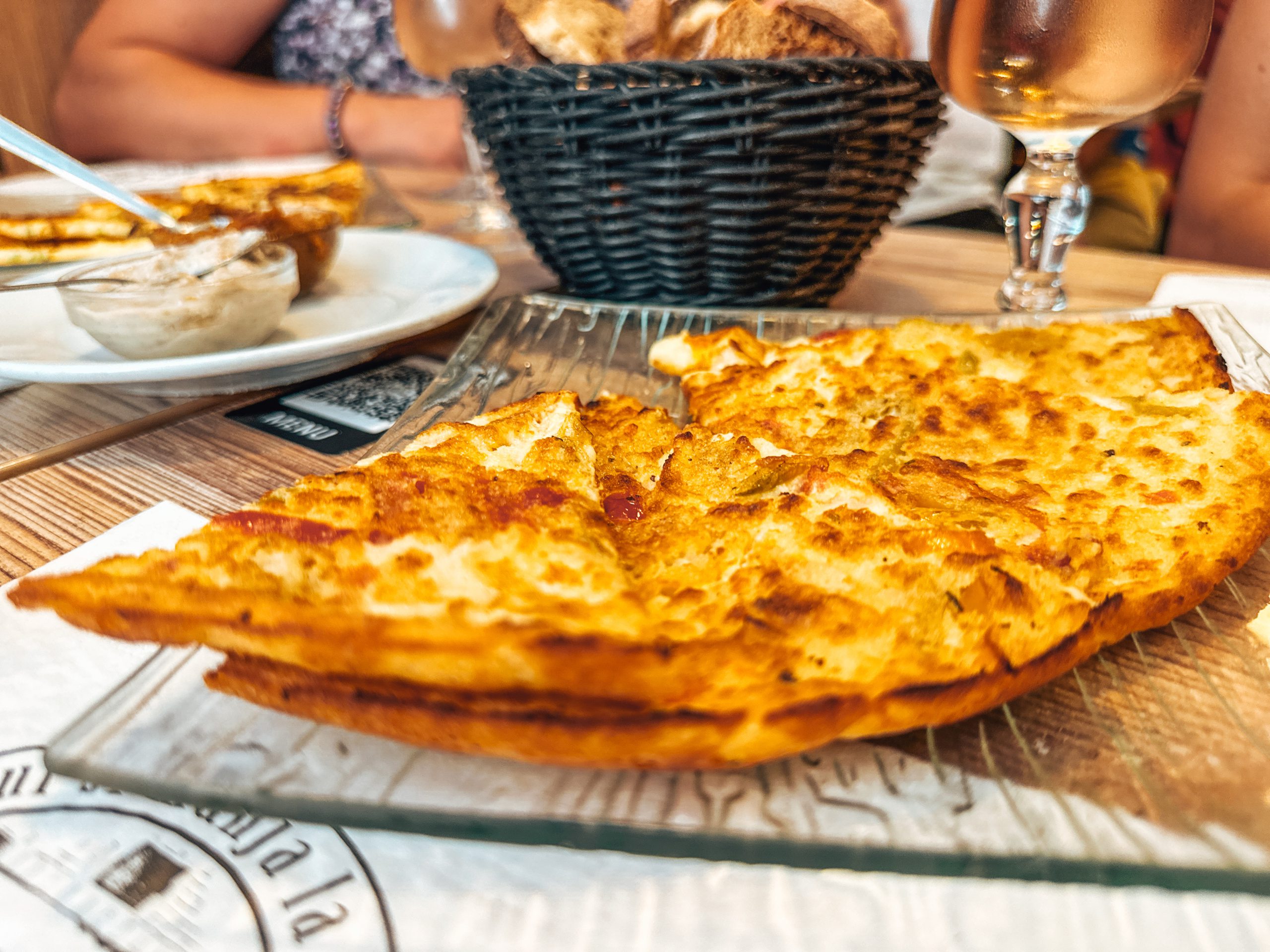
todozoo.com – Socca, a humble yet delectable street food, has its roots firmly planted in the sun-kissed region of the French Riviera. This thin, savory pancake, made primarily from chickpea flour and olive oil, is a testament to the region’s culinary simplicity and its ability to transform basic ingredients into a culinary masterpiece.

A Taste of the Riviera

The appeal of socca lies in its simplicity. A batter made from chickpea flour, water, and a touch of olive oil is poured onto a hot, oiled surface and cooked until golden brown. The result is a crispy, flavorful pancake that is both satisfying and nutritious.

A Street Food Sensation

Socca is often sold by street vendors, who cook the pancakes in large, round pans over open flames. The aroma of the cooking socca, mingled with the scent of the sea, is enough to entice even the most discerning palate. The pancakes are typically served hot, folded in half, and topped with a sprinkle of black pepper.

A Versatile Dish

While socca is often enjoyed on its own, it can also be customized with various toppings. Some popular options include grated cheese, sliced onions, or a drizzle of pesto. In recent years, chefs have experimented with more creative toppings, such as truffle oil or shaved black truffles, elevating the humble socca to a gourmet delicacy.

Karađorđeva Šnicla: A Crispy, Cheesy Delight

todozoo.com – Karađorđeva Šnicla, a culinary masterpiece from Serbia, is a breaded and fried veal cutlet filled with a delectable mixture of cheese and ham. This dish is named after Karađorđe Petrović, the leader of the First Serbian Uprising. It’s a popular choice in Serbian restaurants and households, and its unique flavor and crispy texture have made it a beloved dish across the Balkans.

A Crispy Exterior, A Cheesy Interior

The key to a perfect Karađorđeva Šnicla lies in the preparation of the veal cutlet. The cutlet is pounded thin, then filled with a generous amount of cheese and ham. It’s then coated in breadcrumbs and deep-fried until golden brown and crispy. The contrast between the crispy exterior and the gooey, cheesy interior is what makes this dish so irresistible.

A Culinary Masterpiece

Karađorđeva Šnicla is often served with a side of fries or mashed potatoes, and a light salad. It’s a dish that’s best enjoyed hot, straight from the fryer. The combination of flavors and textures is truly a culinary masterpiece.

A Cultural Icon

Karađorđeva Šnicla is more than just a delicious dish; it’s a cultural icon that represents Serbian cuisine. It’s a dish that’s often associated with celebrations and special occasions. Whether you’re a fan of Serbian cuisine or simply looking for a delicious and satisfying meal, Karađorđeva Šnicla is a must-try.

Bouillabaisse: A Flavorful Fish Stew from Marseille

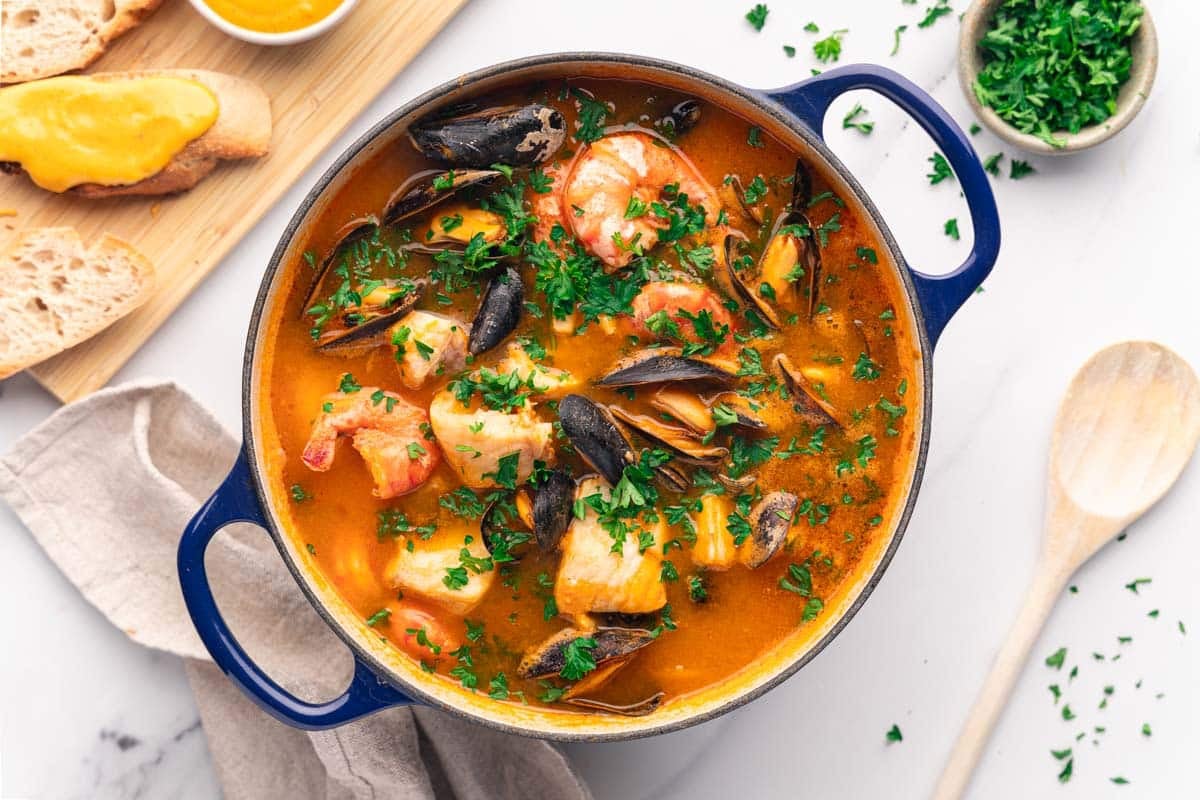
todozoo.com – Bouillabaisse, a renowned seafood stew hailing from the vibrant port city of Marseille, is a culinary masterpiece that celebrates the bounty of the Mediterranean Sea. This aromatic and flavorful dish is a testament to the region’s rich maritime heritage and its passion for fresh seafood.

A Symphony of Seafood

At the heart of Bouillabaisse lies a diverse assortment of fresh seafood, including:

  • Fish: Traditionally, a variety of fish, such as cod, sea bass, and monkfish, are used.
  • Shellfish: Clams, mussels, and shrimp are common additions to the stew.
  • Crab and Lobster: These luxurious ingredients can elevate the dish to new heights.

The Art of Bouillabaisse

The preparation of Bouillabaisse is a meticulous process that requires skill and patience. The seafood is carefully selected and prepared, often using traditional Provençal techniques. The fish and shellfish are typically poached in a flavorful broth made with water, olive oil, onions, garlic, fennel, and saffron. The broth is then infused with the juices of the seafood, creating a rich and complex flavor.

Rouille and Croutons

No Bouillabaisse is complete without its traditional accompaniments:

  • Rouille: A spicy mayonnaise-based sauce made with garlic, chili peppers, and saffron. It adds a fiery kick to the dish.
  • Croutons: Toasted bread rubbed with garlic and drizzled with olive oil. They serve as a vehicle for soaking up the flavorful broth.

A Modern Twist

While the classic Bouillabaisse recipe is beloved by many, modern chefs have put their own unique spin on this iconic dish. Some have experimented with different types of seafood, such as octopus or squid, while others have incorporated exotic ingredients, such as sea urchin or langoustine. However, the core elements of the dish – the fresh seafood, the flavorful broth, and the traditional accompaniments – remain unchanged.

A Culinary Experience

Bouillabaisse is more than just a meal; it’s a culinary experience. The aroma of the simmering broth, the vibrant colors of the seafood, and the complex flavors of the dish come together to create a truly unforgettable dining experience. Whether you’re enjoying it in a traditional Marseille restaurant or recreating it at home, Bouillabaisse is a dish that is sure to delight the senses.

The Passion Fruit: A Tropical Treasure – Health Benefits

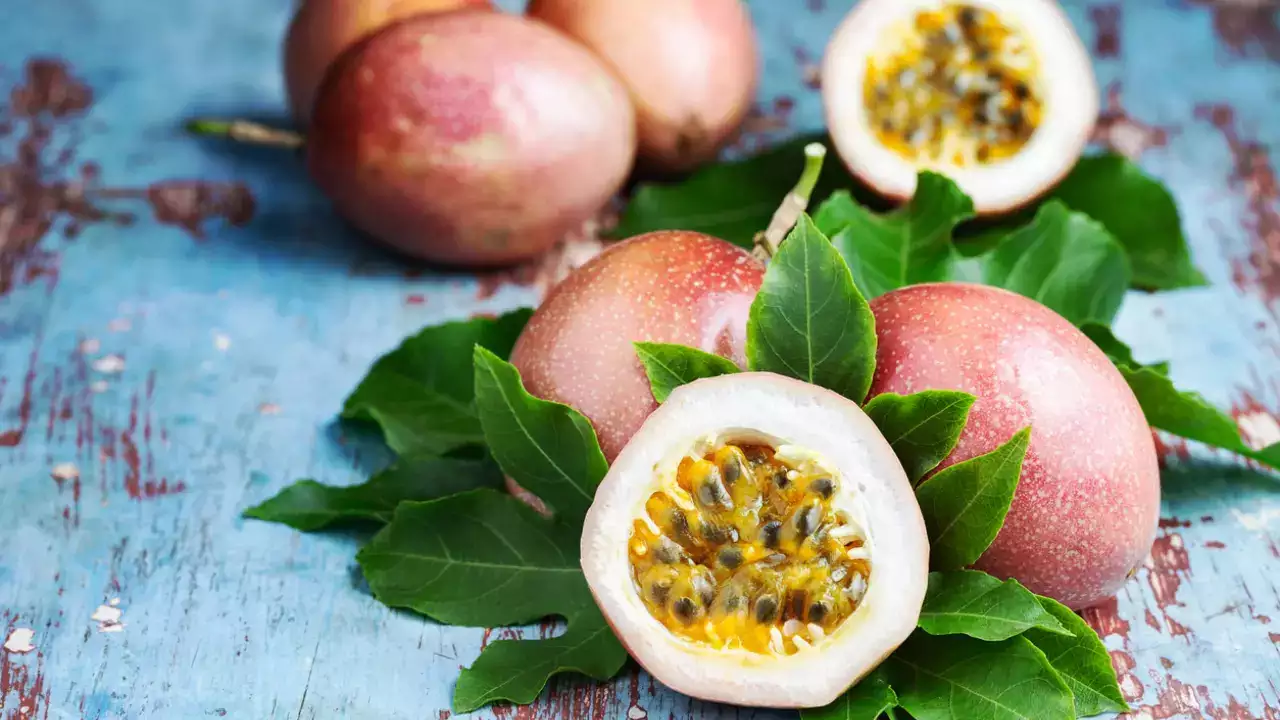
todozoo.com – The passion fruit, a vibrant and exotic fruit, is renowned for its intense, tropical flavor and numerous health benefits. Native to South America, this vine-grown fruit has spread to various tropical and subtropical regions worldwide. With its striking appearance and unique taste, the passion fruit has captured the hearts of many.

A Nutritional Powerhouse

Beyond its deliciousness, the passion fruit is a nutritional powerhouse, packed with essential vitamins, minerals, and antioxidants. Some of the key nutrients found in passion fruit include:   

  • Vitamin C: A potent antioxidant that boosts immunity and promotes skin health.
  • Vitamin A: Essential for good vision and overall eye health.
  • Potassium: Important for regulating blood pressure and heart health.
  • Iron: Crucial for oxygen transport in the blood.
  • Fiber: Essential for digestive health and maintaining satiety.

Health Benefits of Passion Fruit

The impressive nutritional profile of passion fruit offers a wide range of potential health benefits:

  1. Boosts Immunity: The high levels of vitamin C in passion fruit can help strengthen the immune system, protecting the body against infections and diseases.
  2. Promotes Digestive Health: The fiber content of passion fruit aids digestion, preventing constipation and promoting regular bowel movements.
  3. Supports Heart Health: The potassium content of passion fruit helps regulate blood pressure, reducing the risk of heart disease. Additionally, the antioxidants in the fruit can help protect the heart from oxidative damage.
  4. Aids in Weight Management: The fiber content of passion fruit can help you feel fuller for longer, reducing your overall calorie intake.
  5. Promotes Skin Health: The antioxidants in passion fruit can help protect the skin from damage caused by free radicals, promoting a youthful and radiant complexion.

How to Enjoy Passion Fruit

Passion fruit can be enjoyed in various ways:

  • Fresh: Cut the fruit in half and scoop out the seeds and pulp. The pulp can be eaten directly or added to yogurt, smoothies, or fruit salads.
  • Juice: Passion fruit juice is a refreshing and healthy beverage. It can be enjoyed on its own or mixed with other juices, such as orange or pineapple.
  • Cooking: Passion fruit can be used to add a burst of flavor to desserts, sauces, and cocktails.

Conclusion

The passion fruit, with its vibrant color, intense flavor, and impressive nutritional profile, is a truly remarkable fruit. Whether you enjoy it fresh, juiced, or cooked, the passion fruit is a delicious and healthy addition to any diet.

Jeun Kuay: A Thai Dumpling Delight – A Culinary Journey

todozoo.com – Jeun Kuay, or Steamed Dumplings, are a beloved Thai street food, offering a delightful blend of flavors and textures. These bite-sized parcels of joy are typically filled with a savory pork and shrimp mixture, wrapped in delicate rice flour wrappers, and then steamed to perfection.

A Culinary Journey

The journey of Jeun Kuay begins with the preparation of the filling. A mixture of ground pork, minced shrimp, and a medley of aromatic herbs and spices is carefully seasoned to create a flavorful filling. This mixture is then generously spooned into the rice flour wrappers, which are meticulously folded and sealed to form dumplings.

A Steaming Sensation

Once the dumplings are assembled, they are placed in a bamboo steamer and steamed until they are cooked through. This process not only cooks the dumplings but also helps to soften the wrappers, creating a tender and delicate texture.

A Symphony of Flavors

When served, Jeun Kuay are often accompanied by a dipping sauce, typically a mixture of soy sauce, vinegar, and chili. This tangy and spicy sauce complements the savory filling perfectly, elevating the overall flavor experience. The contrast between the soft, chewy dumplings and the bold, flavorful sauce creates a truly satisfying culinary experience.

A Cultural Delight

Jeun Kuay is more than just a delicious snack; it’s a cultural delight that reflects the rich culinary heritage of Thailand. It’s often enjoyed as a street food, where vendors expertly steam batches of these dumplings, attracting hungry passersby with their enticing aroma.

A Modern Twist

While traditional Jeun Kuay is a beloved classic, modern chefs have embraced its versatility, experimenting with different fillings and presentations. Some have incorporated vegetarian fillings, such as mushrooms and vegetables, while others have played with the shape and size of the dumplings. These innovative interpretations have breathed new life into this timeless snack, appealing to a wider audience and showcasing the endless possibilities of Thai cuisine.

A Culinary Adventure

Whether you’re a seasoned foodie or a casual snacker, Jeun Kuay is a must-try. Its delicate wrappers, flavorful filling, and tangy dipping sauce make it a truly irresistible treat. So, the next time you have the opportunity to indulge in this Thai delight, savor every bite and appreciate the culinary artistry that goes into its creation.

Maniçoba: A Hearty Brazilian Stew with Indigenous Roots

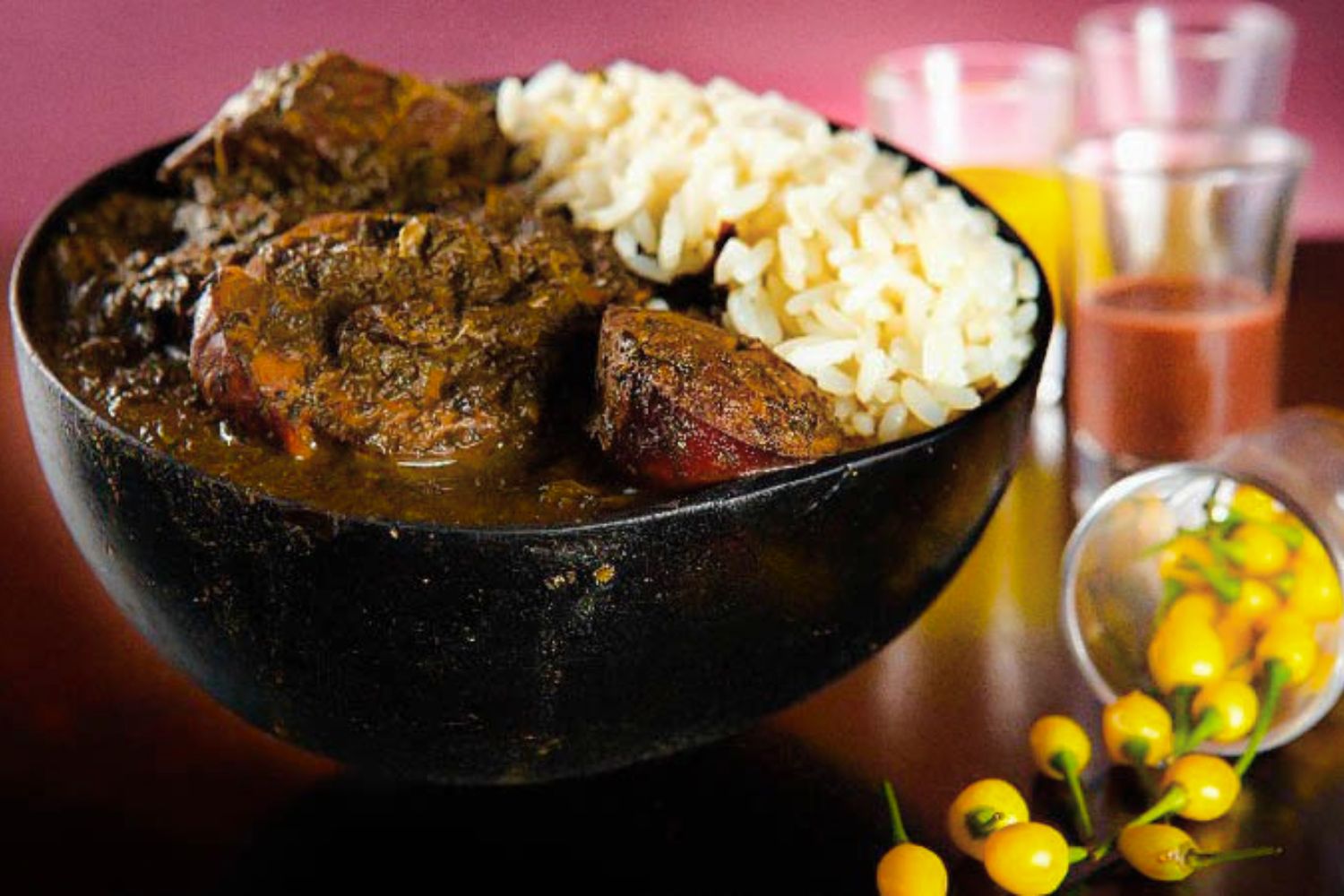
todozoo.com – Maniçoba is a traditional Brazilian dish known for its rich, savory flavors and unique preparation. Often compared to a stew, maniçoba is made from manioc leaves and a variety of meats, creating a hearty and satisfying meal. This dish is particularly popular in the northern region of Brazil, especially in the state of Pará, where it is a staple during the annual Círio de Nazaré festival. With its deep cultural roots and complex flavors, maniçoba is a dish that showcases the diverse culinary heritage of Brazil.

Historical Background and Cultural Significance

The origins of maniçoba can be traced back to Indigenous Brazilian cuisine. The dish is derived from the traditional use of manioc, a staple root vegetable in the Amazon region. The leaves of the manioc plant, which are toxic if not prepared correctly, are carefully cooked to remove toxins, allowing them to be used safely in cooking. This technique highlights the ingenuity and resourcefulness of the Indigenous peoples who first created the dish.

Maniçoba holds significant cultural importance in Pará, where it is often associated with religious and family gatherings. During the Círio de Nazaré, one of the largest religious festivals in Brazil, maniçoba is a central dish, symbolizing abundance and community.

Ingredients and Preparation

The primary ingredient in maniçoba is manioc leaves, which are finely chopped and boiled for several days to neutralize their natural toxins. This preparation process is essential to ensure the leaves are safe to eat and contribute to the dish’s distinctive flavor and texture.

Once the leaves are ready, they are combined with a variety of meats, including pork, beef, and sausages. These ingredients are cooked together, allowing the flavors to meld and create a rich, savory stew. Spices and seasonings such as garlic, onions, and bay leaves are added to enhance the taste.

Serving and Enjoyment

Maniçoba is typically served with rice and farinha, a toasted manioc flour that adds a crunchy texture to the dish. The combination of the hearty stew with these accompaniments creates a satisfying meal that is both filling and flavorful.

The dish is often enjoyed during special occasions and gatherings, where it brings people together to share in its rich flavors and cultural significance. Its preparation and consumption are acts of community and tradition, reflecting the values of sharing and togetherness.

Conclusion

Maniçoba is more than just a dish; it is a celebration of Brazil’s indigenous heritage and culinary diversity. Its unique preparation and complex flavors make it a standout in Brazilian cuisine, offering a taste of the country’s rich cultural tapestry. Whether served during a festive event or enjoyed with family and friends, maniçoba remains a beloved dish that continues to connect people to their roots and each other.

Ancient Chinese Cuisine: Rice and Rituals

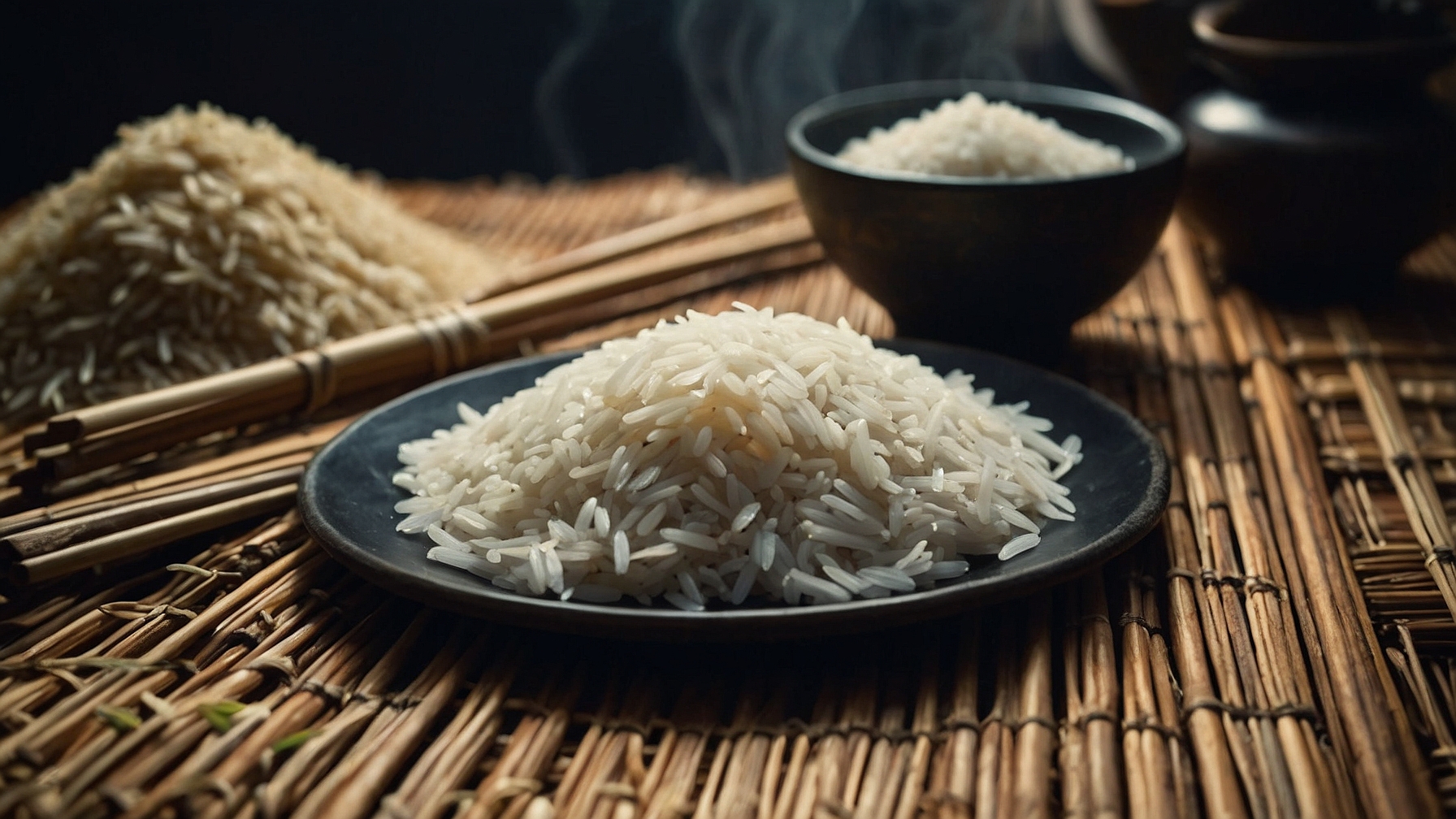
todozoo.com – Rice has been a cornerstone of Chinese culture for thousands of years, shaping not only the culinary landscape but also the social and spiritual practices of one of the world’s oldest civilizations. The significance of rice in Chinese culture extends far beyond its role as a staple food; it is deeply intertwined with rituals, traditions, and the agricultural cycle.

The Origins of Rice Cultivation

The history of rice cultivation in China dates back to around 7000 BC in the Yangtze River basin. As one of the earliest domesticated crops, rice quickly became a central part of life in ancient China. The fertile river valleys provided ideal conditions for rice farming, supporting the growth of early Chinese societies.

Rice in Ancient Chinese Cuisine

In ancient Chinese cuisine, rice was often the centerpiece of meals, complemented by a variety of vegetables, meats, and fish. Unlike modern times, where rice is sometimes viewed as a side dish, in ancient China, it was the main component of a meal. The importance of rice is reflected in the Chinese language itself, where the word for rice, “fan” (饭), also means “meal.”

Rituals and Symbolism

Rice held significant symbolic meaning in ancient Chinese rituals and traditions. It was often used in ceremonies to honor ancestors and deities, symbolizing prosperity and fertility. During the Shang and Zhou dynasties, rice was a key offering in sacrifices, demonstrating its value in both spiritual and daily life.

The Role of Rice in Festivals

Rice plays a crucial role in traditional Chinese festivals, many of which have roots in ancient times. The Dragon Boat Festival, for example, is celebrated with zongzi, a dish made of glutinous rice wrapped in bamboo leaves. This festival commemorates the poet Qu Yuan and reflects the ancient belief in the protective and purifying power of rice.

Agricultural Practices and Innovations

The cultivation of rice in ancient China was marked by remarkable agricultural innovations. Techniques such as paddy field farming, crop rotation, and the development of early irrigation systems helped increase yields and sustain large populations. These advancements not only supported the growth of Chinese civilization but also influenced agricultural practices worldwide.

Conclusion

Rice’s role in ancient Chinese cuisine and culture is a testament to its enduring significance. It is more than just a food source; it is a symbol of life, prosperity, and cultural identity. The rituals and traditions that have evolved around rice are a reflection of its deep-rooted importance in Chinese history and continue to be celebrated in contemporary China.

As we explore the rich tapestry of Chinese culinary heritage, the story of rice offers a fascinating glimpse into the ancient world, where food and ritual were inseparably linked.

The Economic Value of Wild Fruits: Markets & Trade

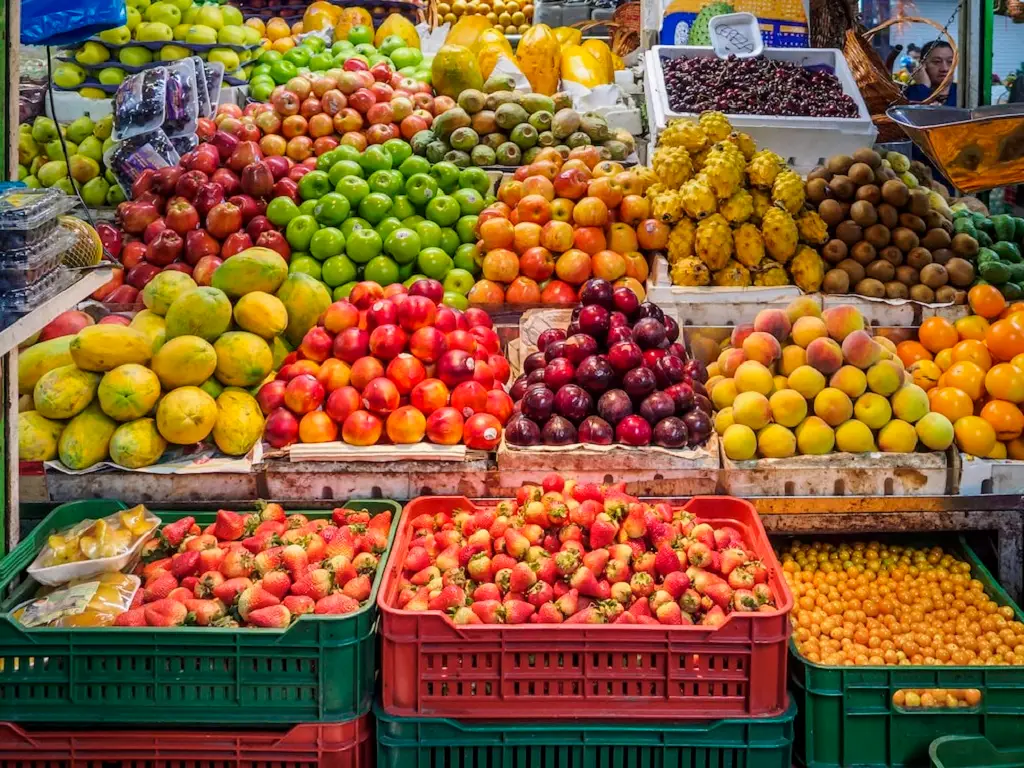
todozoo.com – Wild fruits have long been a source of sustenance and income for rural communities around the world. In recent years, the economic value of these fruits has grown significantly, both in local and international markets. This article explores the current state of the wild fruit market, highlighting key trends and the economic contributions of these products.

Global Market Trends

The global market for wild fruits is robust, with significant trade volumes and values. For instance, the legal and sustainable trade of wild species generates an annual revenue of $220 billion, a figure that has grown by 500% since 2005. This growth is attributed to increasing demand from consumers who value the nutritional and ecological benefits of wild fruits.

Regional Markets

In the United States, the value of wild fruits such as blueberries and strawberries has seen substantial growth. The value of fresh and processed Maine blueberries increased from $28.6 million in 2020 to $80.3 million in 2022, driven by a significant increase in demand. Similarly, strawberries account for 5% of the total fruit production value in the U.S., with annual farm gate sales exceeding $2 billion.

Economic Contributions

Wild fruits contribute significantly to the income of rural communities. In many regions, the sale of wild fruits is a primary source of income for local families. For example, the economic value of traded forest products, including wild fruits, is directly linked to the socio-economic profile of sellers, indicating a substantial contribution to local economies.

Value Addition and Processing

To enhance their economic value, wild fruits are increasingly being processed into value-added products. Tribal communities are adapting to modern market demands by processing wild edible plants into food items that are more appealing to consumers. This trend is also seen in the development of new products from wild fruits, such as jams, juices, and nutraceuticals, which command higher prices in the market.

Conservation and Sustainability

The economic value of wild fruits also supports conservation efforts. Sustainable trade practices ensure that these resources are harvested responsibly, preserving biodiversity and the ecological balance of natural habitats. This approach not only benefits the environment but also ensures the long-term viability of the wild fruit market.

Conclusion

The economic value of wild fruits is a testament to their importance in both local and global markets. As demand continues to grow, so too does the need for sustainable harvesting practices and innovative processing techniques. By understanding and supporting these markets, consumers can contribute to the economic well-being of rural communities and the conservation of natural resources.

A History of Inflated Snacks: The Puffed and Fluffed

todozoo.com – The world of snacks is vast and varied, with textures ranging from crunchy to chewy, and flavors from savory to sweet. Among these, a unique category stands out for its lightness and airy texture: inflated snacks. These puffed and fluffed treats have a history that is as intriguing as their texture is delightful. From ancient civilizations to modern-day food science, the journey of inflated snacks is a testament to human ingenuity and the universal love for a good snack.

Ancient Origins

The concept of inflated snacks is not a modern invention. Evidence suggests that the art of puffing grains dates back to ancient civilizations. In Peru, archaeologists have discovered traces of toasted corn that resembles modern-day popcorn, dating back to as early as 3600 B.C. Similarly, in Mexico, the Aztecs were known to prepare a dish called “totopos,” which were thin, puffed tortillas made from corn. These early examples demonstrate the human fascination with transforming grains into light, airy snacks.

The Industrial Revolution and Beyond

The production of inflated snacks took a significant leap forward during the Industrial Revolution. With the advent of new technologies and machinery, it became possible to mass-produce these snacks. In the early 20th century, the invention of the puffing gun by Alexander Anderson revolutionized the industry. This device used high-pressure steam to puff grains, leading to the creation of popular snacks like Kix and Shredded Wheat.

The 1940s and 1950s saw further innovation with the introduction of extrusion cooking. This process involves forcing dough through a shaped die at high pressure and then cutting it into pieces. When the dough emerges, the drop in pressure causes the water in the dough to turn into steam, puffing up the snack. This technique is still used today to make a wide variety of snacks, from breakfast cereals to cheese puffs.

The Science of Puffing

The science behind puffing involves the rapid expansion of starches within grains. When grains are subjected to high temperatures and pressures and then quickly released, the starches within them gelatinize and expand. This process creates the characteristic light and airy texture of inflated snacks. The type of grain, the moisture content, and the specific conditions of heating all influence the final texture and taste of the snack.

Modern Innovations

Today, the market for inflated snacks is more diverse than ever. Manufacturers continue to experiment with different grains, flavors, and textures to cater to a wide range of tastes and dietary needs. From classic cheese puffs to whole-grain breakfast cereals, and even vegan and gluten-free options, there’s an inflated snack for everyone.

Moreover, advancements in food technology have allowed for the creation of snacks that are not only delicious but also nutritious. Many inflated snacks are fortified with vitamins and minerals, making them a healthier snacking option.

Conclusion

The history of inflated snacks is a story of creativity and evolution. From ancient civilizations to modern-day food laboratories, the quest to create the perfect puffed and fluffed snack has led to a variety of delicious and convenient treats. As consumers continue to seek out new and exciting snacking experiences, the future of inflated snacks looks as bright and airy as the snacks themselves.