Inhambane: A Coastal Paradise – Beaches, Culture, & History

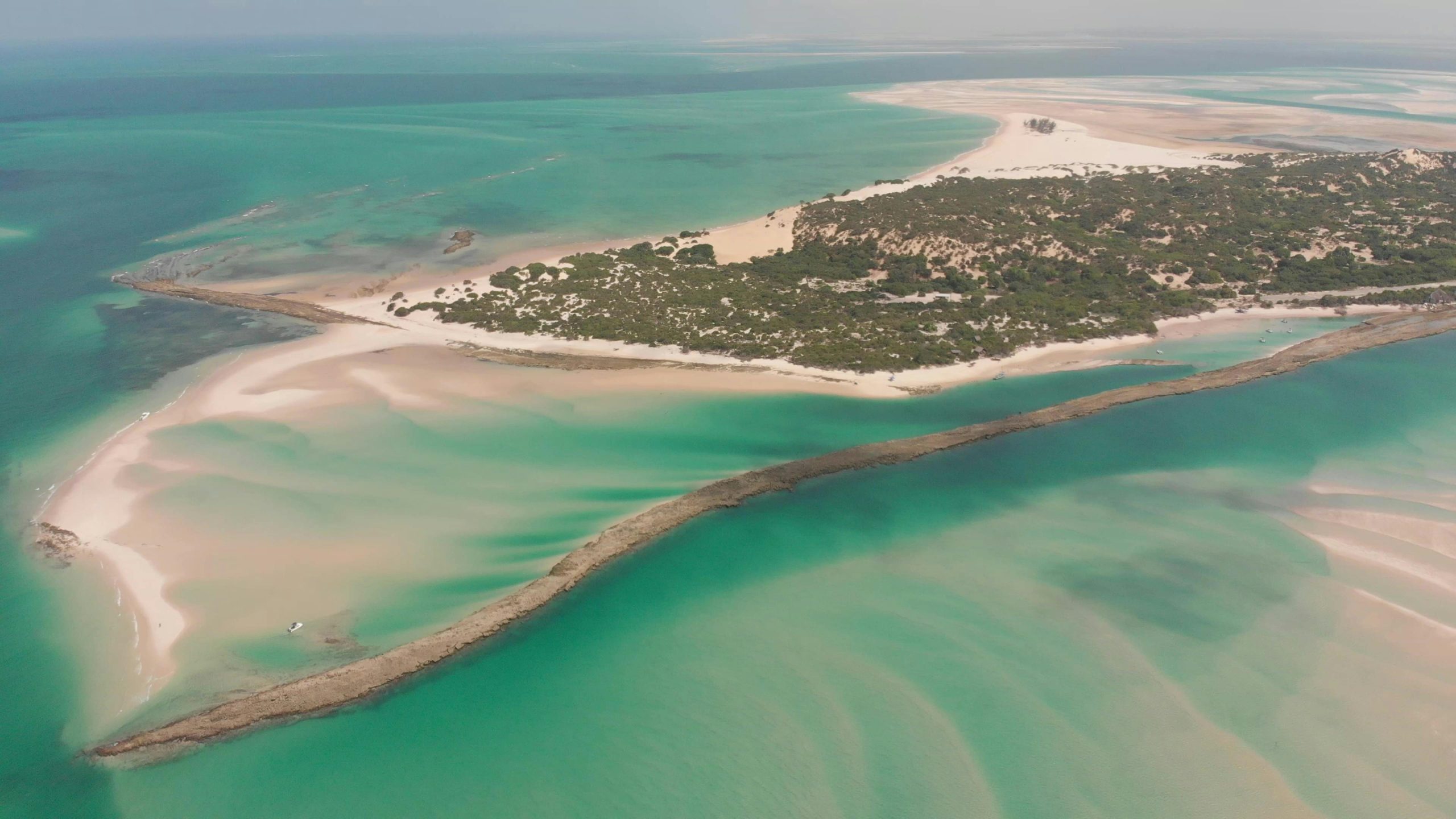
todozoo.com – Inhambane Province, located on Mozambique’s southern coast, is a captivating region renowned for its pristine beaches, vibrant culture, and rich history. This coastal paradise offers a diverse range of experiences, from sun-soaked relaxation to thrilling water sports and cultural exploration.

A Coastal Gem

Inhambane’s coastline is a major draw, with its soft, white sands and crystal-clear waters. Popular beach destinations include Tofo Beach, famous for its world-class diving and snorkeling opportunities, and Barra Beach, a picturesque fishing village with a laid-back atmosphere.

For those seeking adventure, the Bazaruto Archipelago, a group of five stunning islands, is a must-visit. These islands offer a variety of activities, such as diving, snorkeling, fishing, and simply unwinding on secluded beaches.

A Blend of Cultures

Inhambane Province is a melting pot of cultures, with influences from Arab, Portuguese, and African heritage. This cultural diversity is evident in the province’s architecture, cuisine, and music. The historic town of Inhambane, with its colonial-era buildings and bustling market, is a fascinating place to explore.

A Rich History

The province’s history dates back centuries, with evidence of early human settlements and trading posts. The Portuguese arrived in the 16th century, establishing a significant presence in the region. The colonial era left its mark on the province’s architecture, language, and customs.

Challenges and Opportunities

Like many parts of Mozambique, Inhambane Province faces challenges such as poverty, unemployment, and inadequate infrastructure. However, the province’s natural beauty, cultural heritage, and growing tourism industry offer significant opportunities for development.

The government of Mozambique, with the support of international partners, has been investing in tourism infrastructure, such as airports and roads, to facilitate access to the region. Additionally, efforts are being made to promote sustainable tourism practices to protect the environment and benefit local communities.

A Glimpse into the Future

Inhambane Province has the potential to become a major tourist destination in Mozambique. By harnessing its natural beauty, cultural heritage, and rich history, the province can attract visitors from around the world.

As the tourism industry continues to grow, it is crucial to prioritize environmental conservation and social responsibility. By striking a balance between economic development and ecological preservation, Inhambane Province can ensure a sustainable future for generations to come.

Teide: A Volcanic Giant on Tenerife – A Majestic Peak

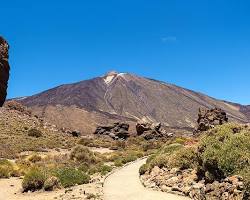
todozoo.com – Rising majestically from the Canary Island of Tenerife, Teide stands as the highest peak in Spain, reaching an impressive 3,718 meters (12,188 feet) above sea level. This dormant stratovolcano, with its distinctive conical shape and rugged terrain, is a symbol of the island’s volcanic origins and a captivating natural wonder.   

A Geological Marvel

Teide’s formation is a testament to the dynamic geological forces that have shaped the Canary Islands. Millions of years ago, volcanic eruptions built up layer upon layer of lava and ash, creating the massive volcanic edifice that we see today. The surrounding landscape is equally impressive, with deep ravines, volcanic cones, and expansive lava fields.   

A UNESCO World Heritage Site

Recognized for its outstanding natural beauty and scientific significance, Teide National Park, which encompasses the volcano, was declared a UNESCO World Heritage Site in 2007. The park offers visitors a unique opportunity to explore diverse ecosystems, from arid volcanic landscapes to lush pine forests.   

Hiking and Cable Car

For those seeking an adventure, Teide offers a variety of hiking trails that cater to different skill levels. The most popular route is the ascent to the summit, which can be reached by cable car or on foot. The cable car provides stunning panoramic views of the island and the surrounding ocean.  

A Stargazer’s Paradise

Due to its high altitude, clear skies, and minimal light pollution, Teide is a prime location for stargazing. The Teide Observatory, located on the slopes of the volcano, is one of the world’s leading astronomical observatories, attracting scientists from around the globe.  

A Dormant Giant

While Teide is currently dormant, it remains an active volcano. The last eruption occurred in 1909, and scientists continue to monitor the volcano for any signs of activity. Despite the potential risks, Teide’s allure continues to draw visitors from all over the world, who come to marvel at its beauty and experience its unique atmosphere.   

Conclusion

Teide, with its dramatic landscapes, diverse ecosystems, and scientific significance, is a true natural wonder. Whether you’re an avid hiker, a stargazer, or simply a nature lover, Teide offers an unforgettable experience. As you stand on the summit, gazing out at the breathtaking panorama, you’ll understand why this majestic volcano has captivated the hearts of millions.

Exploring the Timeless Beauty of Fenghuang Ancient Town

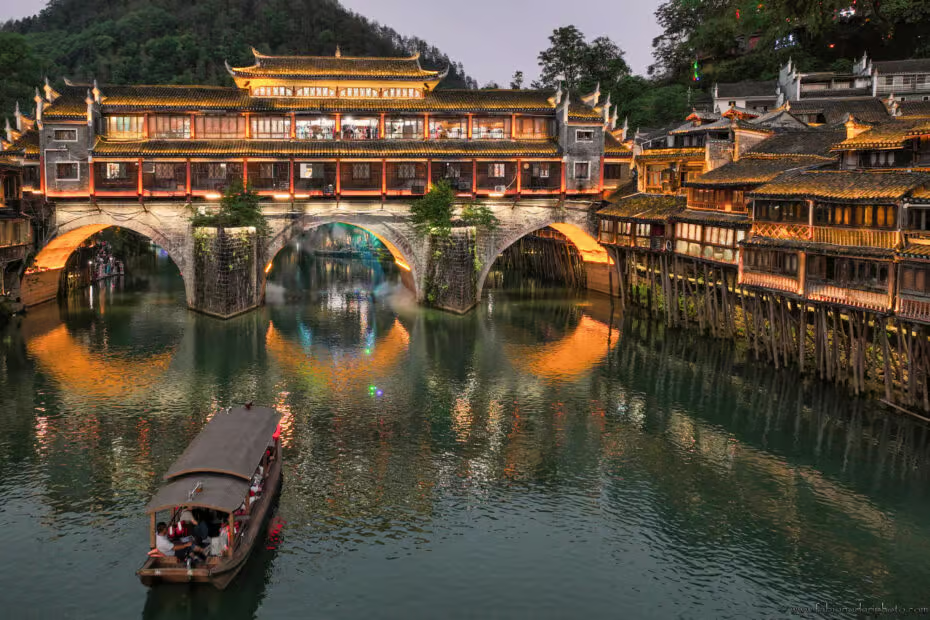
todozoo.com – Nestled in the western part of Hunan Province, China, Fenghuang Ancient Town is a picturesque destination renowned for its well-preserved architecture, rich cultural heritage, and stunning natural scenery. Often described as one of China’s most beautiful towns, Fenghuang offers a glimpse into the country’s vibrant history and traditional lifestyle.

Historical Background

Fenghuang, meaning “phoenix” in Chinese, was built during the Kangxi era of the Qing Dynasty, around 1704. The town’s name is derived from the mythological bird, symbolizing rebirth and immortality. The area has been home to the Miao and Tujia ethnic minorities, whose influence is evident in the town’s architecture, customs, and festivals.

Architecture and Landmarks

The town is famous for its traditional wooden houses, known as “Diaojiaolou,” which line the banks of the Tuojiang River. These stilted buildings are uniquely designed to adapt to the river’s changing levels and offer stunning views of the town and surrounding countryside. Key landmarks include the Hong Bridge, the Longevity Palace, and the East Gate Tower, each showcasing the exquisite craftsmanship of ancient Chinese architecture.

Cultural Significance

Fenghuang Ancient Town is a cultural hub, offering a rich tapestry of folk traditions, music, and dance. Visitors can immerse themselves in the vibrant local culture by attending the Miao New Year Festival or participating in traditional activities such as silver jewelry making and paper-cutting crafts. The town’s museums and galleries also provide insights into the history and customs of the local ethnic groups.

Natural Scenery

The town is set against a backdrop of lush mountains and serene waterways, offering breathtaking natural beauty. The Tuojiang River, which flows through the town, provides opportunities for scenic boat rides, allowing visitors to experience the tranquility of the area. The nearby Dehang Miao Village and the Southern Great Wall are also popular attractions for nature lovers and adventure seekers.

Conclusion

Fenghuang Ancient Town is a destination that captivates visitors with its enchanting blend of history, culture, and natural beauty. Whether exploring its ancient streets, engaging with local traditions, or simply soaking in the stunning scenery, Fenghuang offers an unforgettable journey into the heart of China’s rich heritage.

Jepang: Destinasi Wisata Ramah Keluarga

todozoo – Jepang, dengan kekayaan budayanya yang mendalam, teknologi yang canggih, serta pemandangan alam yang menakjubkan, menjadi salah satu destinasi wisata terpopuler di dunia. Tidak hanya bagi pelancong solo atau pecinta budaya, Jepang juga dikenal sebagai destinasi wisata yang sangat ramah keluarga. Dengan berbagai atraksi yang bisa dinikmati oleh semua kalangan, mulai dari anak-anak hingga orang dewasa, Jepang menawarkan pengalaman liburan yang menyenangkan dan berkesan untuk seluruh anggota keluarga.

Banyak destinasi wisata di Jepang yang tak hanya menghibur, tapi juga edukatif bagi anak-anak. Salah satunya adalah Museum Ghibli di Tokyo, yang memperkenalkan dunia fantasi dari Studio Ghibli, studio animasi legendaris Jepang. Di sini, anak-anak dapat berinteraksi dengan replika karakter-karakter ikonik dari film-film seperti My Neighbor Totoro dan Spirited Away. Museum ini dirancang dengan cara yang ramah anak, menjadikannya tempat yang menarik untuk mengenal seni animasi dan imajinasi.

Selain itu, kunjungan ke Kuil Asakusa di Tokyo atau Kuil Fushimi Inari di Kyoto dapat memberikan anak-anak kesempatan untuk belajar tentang sejarah dan budaya Jepang. Di sini, keluarga dapat mengikuti tradisi Jepang seperti doa di kuil atau menulis harapan di papan kayu yang disebut ema. Kuil-kuil ini juga sering terletak di area yang dipenuhi toko-toko suvenir dan makanan khas, membuat pengalaman wisata budaya menjadi lebih menyenangkan.

Jepang memiliki banyak taman hiburan yang terkenal dan cocok untuk anak-anak. Tokyo Disneyland dan Tokyo DisneySea adalah dua destinasi yang wajib dikunjungi oleh keluarga. Di sini, anak-anak bisa bertemu karakter Disney favorit mereka, menikmati parade yang spektakuler, serta menaiki wahana yang dirancang khusus untuk semua usia. Tokyo Disneyland dikenal dengan suasana yang penuh keceriaan dan ramah keluarga, sementara Tokyo DisneySea menawarkan pengalaman petualangan yang lebih menegangkan.

Selain Disneyland, Universal Studios Japan di Osaka juga menjadi daya tarik bagi keluarga. Di taman hiburan ini, terdapat zona bertema Harry Potter, Minions, serta karakter-karakter dari film animasi populer. Pengalaman interaktif dan wahana-wahana seru di Universal Studios menjadikannya tempat yang sempurna untuk liburan keluarga.

Selain atraksi buatan manusia, Jepang juga terkenal dengan keindahan alamnya yang memukau. Taman Nasional Fuji-Hakone-Izu adalah destinasi alam yang sangat cocok untuk keluarga yang ingin menjelajahi keindahan alam Jepang. Di sini, keluarga dapat menikmati pemandangan Gunung Fuji yang megah, bersantai di pemandian air panas (onsen), atau menaiki kapal di Danau Ashi. Taman nasional ini juga menawarkan jalur pendakian yang aman dan mudah dilalui anak-anak, menjadikannya pengalaman petualangan yang menyenangkan bagi seluruh keluarga.
jepang-destinasi-wisata-ramah-keluarga

Jika berkunjung di musim dingin, Niseko di Pulau Hokkaido adalah tempat yang ideal bagi keluarga yang ingin merasakan pengalaman bermain ski atau snowboard. Niseko memiliki resor ski yang ramah keluarga dengan instruktur profesional yang siap mengajar anak-anak bermain ski. Selain itu, resor ini juga menawarkan kegiatan lain seperti membuat boneka salju dan naik kereta luncur, sehingga anak-anak bisa menikmati musim dingin dengan cara yang menyenangkan.

Salah satu alasan mengapa Jepang sangat cocok sebagai destinasi wisata keluarga adalah kemudahan dan keamanan dalam hal transportasi. Sistem transportasi umum di Jepang, termasuk kereta cepat Shinkansen dan jaringan kereta api di kota-kota besar, sangat efisien dan ramah wisatawan. Bahkan, kereta di Jepang memiliki gerbong khusus yang diperuntukkan bagi keluarga dan anak-anak, dengan fasilitas tempat duduk yang nyaman dan ruang lebih luas untuk stroller.

Selain itu, Jepang juga terkenal dengan tingkat keamanannya yang tinggi. Wisatawan, termasuk keluarga dengan anak kecil, dapat menjelajahi kota-kota besar seperti Tokyo, Kyoto, dan Osaka dengan perasaan aman dan nyaman, bahkan di malam hari. Hal ini menjadikan Jepang sebagai destinasi yang ideal bagi keluarga yang ingin berlibur tanpa khawatir tentang keamanan.

Bagi keluarga yang bepergian bersama anak-anak, makanan bisa menjadi tantangan. Namun, di slot jepang gacor , pilihan kuliner yang ramah anak sangat beragam. Selain hidangan tradisional seperti sushi, ramen, dan tempura yang disukai banyak orang, banyak restoran di Jepang yang menyediakan menu khusus anak-anak. Restoran-restoran ini juga sering kali dilengkapi dengan fasilitas seperti kursi bayi dan alat makan yang sesuai untuk anak.

Restoran bertema seperti Kafe Kawaii di Harajuku atau Robot Restaurant di Shinjuku juga menawarkan pengalaman makan yang unik dan menyenangkan untuk seluruh keluarga. Selain makanan yang lezat, restoran-restoran ini menyajikan hiburan visual yang pasti akan membuat anak-anak terpesona.

Tips Berwisata ke Jepang Bersama Keluarga

  1. Siapkan stroller: Banyak tempat wisata di Jepang ramah stroller, namun beberapa kuil atau taman mungkin memiliki tangga. Bawa stroller yang mudah dilipat agar memudahkan mobilitas.
  2. Cari akomodasi ramah keluarga: Banyak hotel di Jepang menyediakan kamar yang luas dan fasilitas ramah keluarga seperti ranjang bayi, microwave, dan ruang bermain.
  3. Manfaatkan fasilitas penyewaan barang: Jepang memiliki layanan penyewaan peralatan bayi seperti stroller dan kursi bayi, sehingga Anda tidak perlu membawa semuanya dari rumah.

Jepang adalah destinasi wisata yang sempurna untuk keluarga. Dengan perpaduan antara budaya, alam, dan hiburan modern, ada begitu banyak hal yang dapat dinikmati oleh semua anggota keluarga, dari yang termuda hingga yang tertua. Sistem transportasi yang efisien, keamanan yang tinggi, serta fasilitas ramah keluarga membuat perjalanan ke Jepang menjadi pengalaman yang menyenangkan dan bebas stres.

Bagi keluarga yang mencari destinasi liburan yang tak hanya menghibur tapi juga edukatif, Jepang menawarkan segalanya: dari taman hiburan yang spektakuler hingga keindahan alam yang menenangkan. Sebuah petualangan di Jepang akan menciptakan kenangan tak terlupakan bagi setiap anggota keluarga.
The FBI’s Future: Challenges & Opportunities in Law Enforcement

todozoo.com – The Federal Bureau of Investigation (FBI) has been a cornerstone of American law enforcement for over a century. As the agency looks to the future, it faces a complex landscape of challenges and opportunities. This article explores the potential pathways for the FBI to navigate the evolving nature of crime, technological advancements, and the ever-changing geopolitical climate.

The Digital Frontier: Cybercrime and Technological Advancements

One of the most significant challenges for the FBI is the rapid growth of cybercrime. As criminals become more sophisticated in their use of technology, the FBI must continually enhance its digital forensics capabilities and cybersecurity expertise. The agency is also exploring the use of artificial intelligence and machine learning to analyze vast amounts of data and predict criminal behavior.

The Threat of Domestic Terrorism

The rise of domestic terrorism, fueled by extremist ideologies and amplified by social media, presents a formidable challenge for the FBI. The agency must balance the need for robust intelligence gathering with the protection of civil liberties. Developing strategies to infiltrate and dismantle extremist groups while ensuring transparency and accountability will be crucial.

International Collaboration in a Fragmented World

In an era of globalization, international collaboration is more important than ever. The FBI must strengthen its partnerships with foreign law enforcement and intelligence agencies to combat transnational crime and terrorism. However, geopolitical tensions and differing legal frameworks can complicate these efforts. Navigating these complexities while upholding democratic values will be a key opportunity for the FBI.

The Importance of Diversity and Inclusion

The FBI’s ability to effectively serve all communities depends on its diversity and inclusivity. Recruiting and retaining a workforce that reflects the rich tapestry of American society will be essential. This not only enhances the agency’s understanding of diverse communities but also builds trust and cooperation, which are vital for successful law enforcement.

Preparing for the Future: Training and Adaptation

To meet the challenges of the future, the FBI must invest in the training and development of its agents and staff. This includes not only technical skills but also critical thinking, emotional intelligence, and cultural competency. Creating a culture of continuous learning and adaptation will be key to the agency’s success in an ever-changing world.

Conclusion: Charting a Course for the FBI’s Future

The FBI’s future is filled with both daunting challenges and exciting opportunities. By embracing technological innovation, addressing the threat of domestic terrorism, fostering international collaboration, prioritizing diversity and inclusion, and investing in its workforce, the agency can continue to serve as a beacon of excellence in law enforcement. As the world evolves, so too must the FBI, ensuring that it remains at the forefront of protecting the United States from the myriad threats it faces.

Patterns and Impacts: Tongan Migration

todozoo.com – Tongan migration is a complex and multifaceted phenomenon that has evolved over centuries. The movement of Tongans, both within the Pacific region and to more distant shores, has been influenced by a variety of factors including economic opportunities, environmental challenges, and social networks. This article explores the patterns and impacts of Tongan migration, shedding light on the experiences and contributions of Tongan migrants.

Historical Context of Tongan Migration

Historically, Tongans were seafaring people who navigated the Pacific Ocean with remarkable skill. Their traditional voyages were primarily for trade, exploration, and the establishment of social and political connections. However, the advent of European colonization and the globalization of the economy significantly altered the patterns of Tongan migration.

Contemporary Migration Patterns

In contemporary times, Tongan migration is characterized by several key patterns:

1. Internal Migration

Internal migration within the Tongan archipelago is common, with people moving from rural areas to urban centers in search of better employment and educational opportunities. This movement has led to the growth of cities like Nuku’alofa and the development of a more urbanized society.

2. Regional Migration

Tongans also migrate within the Pacific region, often to countries like New Zealand, Australia, and the United States. This migration is driven by economic factors, as these countries offer higher wages and better job prospects. Additionally, regional migration is facilitated by social networks and family ties that have been established over generations.

3. International Migration

International migration to more distant countries is another significant pattern. Tongans have settled in various parts of the world, including the United States, Canada, and Europe. This migration is often motivated by educational opportunities, family reunification, and the desire for a better quality of life.

Impacts of Tongan Migration

The impacts of Tongan migration are far-reaching, affecting both the sending and receiving countries:

1. Economic Impacts

Economically, migration has had mixed effects. On one hand, remittances from Tongan migrants are a vital source of income for many families and contribute to the national economy. On the other hand, the loss of skilled and educated individuals can lead to a brain drain, depriving Tonga of essential human capital.

2. Social and Cultural Impacts

Migration has also had profound social and cultural impacts. Tongan communities abroad have created vibrant diaspora cultures, blending traditional Tongan practices with elements of their host societies. This cultural exchange enriches both Tongan and global cultures. However, there are also challenges, such as the preservation of Tongan language and identity among younger generations.

3. Environmental Impacts

Environmental factors, such as climate change and natural disasters, are increasingly influencing Tongan migration patterns. Rising sea levels and more frequent cyclones threaten Tongan communities, prompting some to migrate in search of safer environments. This environmental migration raises important questions about climate justice and the rights of displaced peoples.

Conclusion

Tongan migration is a dynamic process shaped by historical, economic, social, and environmental factors. The patterns and impacts of migration reflect the resilience and adaptability of Tongan people, as well as the challenges they face in an increasingly globalized world. Understanding these dynamics is crucial for policymakers, communities, and individuals seeking to navigate the complexities of migration and its effects on society.

The Impact of French Colonialism on Tunisian Society

todozoo.com – The history of Tunisia is marked by various influences, including the profound impact of French colonialism. From 1881 to 1956, Tunisia was under French control, a period that significantly shaped the country’s social, economic, and political landscape. The legacy of French colonial rule is complex and multifaceted, with both positive and negative consequences that continue to influence Tunisian society today.

The Establishment of French Rule

French colonialism in Tunisia began in 1881 with the Treaty of Bardo, which established a protectorate over the country. This marked the beginning of a period of significant change, as the French sought to impose their administrative, economic, and cultural systems on Tunisia.

Social and Cultural Impacts

Education and Language

One of the most enduring legacies of French colonialism is the influence on Tunisia’s education system and language. The French introduced a modern education system that emphasized French language and culture. This had a lasting impact, as French became the language of administration, education, and the elite. Today, French is widely spoken in Tunisia, and bilingualism in Arabic and French is common, particularly among the educated classes.

Urban Development

French colonial authorities also left their mark on Tunisian cities, particularly the capital, Tunis. The French implemented urban planning projects that transformed the city, creating the modern European-style quarter known as the Ville Nouvelle, while the traditional Tunisian quarter, the Medina, was largely preserved. This dual-city structure reflects the colonial divide between the European colonizers and the indigenous population.

Economic Impacts

French colonial rule significantly altered Tunisia’s economy. The French introduced new agricultural practices, infrastructure projects, and industries, which modernized the economy but also led to the exploitation of Tunisian resources and labor. The colonial economy was designed to benefit France, leading to the displacement of local farmers and the concentration of wealth in European hands.

Political Impacts

The political impact of French colonialism was profound, sparking nationalist movements that sought independence. The struggle against colonial rule fostered a sense of Tunisian identity and unity, leading to the formation of political parties and movements that advocated for self-determination. The most notable of these was the Destourian movement, which eventually led to Tunisia’s independence in 1956.

Conclusion

The impact of French colonialism on Tunisian society is complex and enduring. While it brought about modernization and development, it also resulted in economic exploitation, social stratification, and cultural imposition. The legacy of colonial rule continues to influence Tunisia’s social, economic, and political landscape, shaping the country’s trajectory in the post-colonial era. Understanding this history is crucial to appreciating the challenges and opportunities that Tunisia faces today.

Global Affairs and Eritrea’s Role in International Diplomacy

todozoo.com – Eritrea, a small nation in the Horn of Africa, has played a significant role in international diplomacy and global affairs, particularly within its region. Despite its size, Eritrea’s strategic location and historical context have positioned it as a key player in regional dynamics. This article explores Eritrea’s involvement in international diplomacy and its impact on global affairs.

Historical Context

Eritrea’s role in international diplomacy cannot be understood without considering its historical context. The country gained independence from Ethiopia in 1993 after a prolonged struggle. This history of conflict and the subsequent establishment of a sovereign state have shaped Eritrea’s approach to international relations.

Regional Diplomacy

Eritrea’s primary focus in international diplomacy has been on regional affairs. The country has been involved in various regional conflicts and peace processes, particularly concerning the Horn of Africa. Eritrea’s relations with neighboring countries such as Ethiopia, Sudan, and Djibouti have been central to its diplomatic efforts.

Border Conflicts and Peace Initiatives

One of the most significant aspects of Eritrea’s role in international diplomacy has been its involvement in border conflicts and subsequent peace initiatives. The Eritrea-Ethiopia border conflict in the late 1990s and early 2000s drew international attention and led to various peace efforts, including the Algiers Agreement in 2000. Eritrea’s participation in these peace processes has been crucial for regional stability.

Human Rights and International Criticism

Eritrea has faced international criticism over its human rights record, which has at times strained its relations with Western countries and international organizations. The country’s policies on conscription, freedom of expression, and political repression have been subjects of concern. Navigating these criticisms while maintaining its sovereignty has been a diplomatic challenge for Eritrea.

Economic Diplomacy

Economic diplomacy is another area where Eritrea has sought to expand its role. The country has sought to attract foreign investment and aid to support its development efforts. Engaging with international financial institutions and regional economic communities has been part of Eritrea’s strategy to overcome economic challenges.

Participation in International Organizations

Eritrea is a member of various international organizations, including the United Nations, the African Union, and the Intergovernmental Authority on Development (IGAD). Participation in these organizations allows Eritrea to contribute to global discussions on peace, security, and development, while also advocating for its national interests.

Conclusion

Eritrea’s role in international diplomacy and global affairs is multifaceted, reflecting its historical experiences, regional dynamics, and national interests. While the country faces challenges related to human rights and economic development, its strategic location and diplomatic efforts position it as an important player in the Horn of Africa. As Eritrea continues to navigate its complex international relations, its actions will have implications not only for its own future but also for regional stability and global diplomacy.

Conservation and Adventure: Vietnam’s National Parks

todozoo.com – Vietnam’s national parks are treasures of biodiversity, offering a glimpse into the country’s rich natural heritage. These protected areas not only serve as sanctuaries for a wide array of flora and fauna but also provide adventurous experiences for visitors seeking to explore the great outdoors.

The Importance of Conservation

Vietnam’s national parks play a crucial role in conservation efforts, protecting endangered species and preserving ecosystems. The country is home to a diverse range of habitats, from tropical rainforests to coastal mangroves, each supporting unique species of plants and animals.

  1. Biodiversity Hotspots: Many of Vietnam’s national parks are located in regions recognized as biodiversity hotspots. These areas are critical for conservation due to their high levels of endemic species and the threat of habitat loss.
  2. Endangered Species: Several national parks are dedicated to protecting endangered species such as the Indochinese tiger, the Asian elephant, and the red-shanked douc langur. Conservation programs within these parks focus on habitat preservation, anti-poaching efforts, and rehabilitation of rescued animals.
  3. Ecosystem Services: Beyond biodiversity, national parks provide essential ecosystem services, including water purification, carbon sequestration, and flood control. These services are vital for the well-being of both local communities and the global environment.

Adventure and Exploration

While conservation is the primary focus, Vietnam’s national parks also offer a range of adventurous activities for visitors. From trekking and bird watching to kayaking and rock climbing, there is something for every nature enthusiast.

  1. Trekking and Hiking: Many national parks offer well-marked trails that cater to different levels of hikers. Trekking through these parks provides an opportunity to witness the country’s stunning landscapes and encounter its diverse wildlife.
  2. Bird Watching: Vietnam is a paradise for bird watchers, with national parks hosting a wide variety of bird species. Early morning excursions often yield sightings of rare and endemic birds.
  3. Kayaking and Boating: Coastal and riverine national parks offer the chance to explore waterways by kayak or boat. These activities provide a unique perspective on the park’s ecosystems and the opportunity to see aquatic wildlife up close.
  4. Cultural Experiences: Some national parks are located in areas with ethnic minority communities. Visitors can learn about the traditional lifestyles and cultures of these communities, which often have a deep connection to the natural environment.

Key National Parks in Vietnam

  1. Cát Bà National Park: Located in the northeast, this park is known for its limestone karsts, tropical rainforests, and diverse wildlife, including the endangered golden-headed langur.
  2. Bạch Mã National Park: Situated in the central coast, Bạch Mã is famous for its cloud forests and is a critical habitat for the red-shanked douc langur.
  3. Cúc Phương National Park: As one of Vietnam’s oldest national parks, Cúc Phương is renowned for its biodiversity and the Endangered Primate Rescue Centre.
  4. Phong Nha-Kẻ Bàng National Park: This park in central Vietnam is famous for its extensive system of caves and karst landscapes, recognized as a UNESCO World Heritage Site.

Conclusion

Vietnam’s national parks are more than just conservation areas; they are gateways to adventure and exploration. These protected spaces offer a unique opportunity to experience the country’s natural beauty and cultural richness. As visitors explore these parks, they also contribute to the conservation efforts that are vital for the survival of Vietnam’s biodiversity. Whether through trekking, bird watching, or kayaking, a visit to Vietnam’s national parks promises an unforgettable journey into the heart of nature.

Global Influence of Salvadorans Abroad: El Salvador’s Diaspora

todozoo.com – El Salvador’s diaspora, comprising millions of Salvadorans living outside their home country, has become a significant force in global affairs, influencing economic, social, and cultural landscapes around the world. This diaspora, particularly prominent in the United States, Canada, and various European countries, plays a crucial role in shaping the international image and development of El Salvador.

Economic Impact

One of the most tangible impacts of the Salvadoran diaspora is its economic contribution to El Salvador. Remittances from Salvadorans abroad constitute a substantial portion of the country’s GDP, providing essential financial support to families and contributing to the national economy. In 2023, remittances were estimated to exceed $6 billion, underscoring the diaspora’s critical role in sustaining El Salvador’s economic stability.

Cultural Influence

The Salvadoran diaspora has also left a significant mark on the cultural landscapes of their host countries. From the vibrant Salvadoran communities in Los Angeles and Toronto to the burgeoning Salvadoran populations in European cities like Madrid and Rome, Salvadorans have brought their rich cultural heritage to the global stage. This includes the celebration of traditional festivals, the promotion of Salvadoran cuisine, and the sharing of indigenous languages and customs, all of which have enriched the cultural diversity of their adopted homes.

Political Engagement

Salvadorans abroad have not only maintained strong ties with their homeland but have also become politically engaged, both in El Salvador and in their countries of residence. Many Salvadoran expatriates actively participate in elections, either by voting remotely or by returning to El Salvador to cast their ballots. This engagement reflects a deep sense of civic responsibility and a desire to influence the political direction of their home country.

Additionally, Salvadorans have become increasingly involved in the political processes of their host countries, advocating for immigrant rights, participating in local politics, and contributing to policy discussions that affect their communities.

Social Contributions

The Salvadoran diaspora has made significant social contributions, particularly in the realms of education and philanthropy. Many Salvadorans have pursued higher education abroad, contributing to academic and professional fields in their host countries. Simultaneously, they have established educational programs and charitable initiatives aimed at supporting communities in El Salvador, focusing on areas such as healthcare, education, and disaster relief.

Conclusion

The global influence of Salvadorans abroad is multifaceted, encompassing economic, cultural, political, and social dimensions. The Salvadoran diaspora’s contributions have not only sustained and enriched their communities in host countries but have also played a pivotal role in the development and international standing of El Salvador. As the diaspora continues to grow and engage with both their homeland and their adopted homes, their global influence is set to expand, further cementing their role as ambassadors of Salvadoran culture and values on the world stage.

The Ascendancy of Japanese Films in the Global Market

todozoo.com – In the year 2024, Japanese films have experienced a significant surge in popularity and success on the global stage, marking a pivotal moment in the international film industry. This article explores the key factors contributing to this rise and the impact it has had on the global market.

Box Office Success and Market Share

Japan’s box office performance in 2024 was robust, with a notable 4 percent increase from the previous year, reaching a post-pandemic high of $1.5 billion. This growth reflects a strong recovery and the resilience of the Japanese film industry. Japanese movies accounted for 66.9 percent of the box office gross receipts in Japan, indicating a strong domestic market presence.

Global Recognition and Awards

The success of Japanese films in the United States has been particularly noteworthy. Films like “Godzilla Minus One” and “Kimitachi wa Do Ikiruka” (“The Boy and the Heron”) have not only performed well at the box office but have also secured prestigious awards, further boosting the international appeal of Japanese cinema.

Animation and Live-Action Contributions

The Japanese film market is characterized by a strong emphasis on animation, which continues to be a significant driver of the industry. Animation films have dominated the top spots in the box office, showcasing the enduring appeal and influence of Japanese animation on a global scale. Additionally, live-action adaptations of popular manga series, such as Toei’s adaptation of “Oshi No Ko,” have also contributed to the industry’s growth.

Industry Initiatives and Tax Incentives

Japan has introduced new film tax incentives to attract international filmmakers, aiming to further enhance its status as a global production hub. This initiative is part of a broader strategy to support the production of high-quality films and to increase the international visibility of Japanese cinema.

Market Dynamics and Future Prospects

The Japanese film industry is not only recovering from the impacts of the pandemic but is also actively seeking to expand its global footprint. Companies like K2 Pictures Inc. are raising funds to produce the next global movie hit, indicating a strong commitment to international growth. The industry’s focus on original content and innovative storytelling is expected to continue driving its success in the global market.

Conclusion

The rise of Japanese films in the global market in 2024 is a testament to the industry’s resilience, creativity, and strategic initiatives. With a strong domestic market, global recognition, and innovative approaches to production, Japan is poised to maintain its position as a leading force in the international film industry. The future looks bright for Japanese cinema, with continued growth and expansion expected in the coming years.

What to Expect and What’s at Stake: Panama’s 2024 Elections

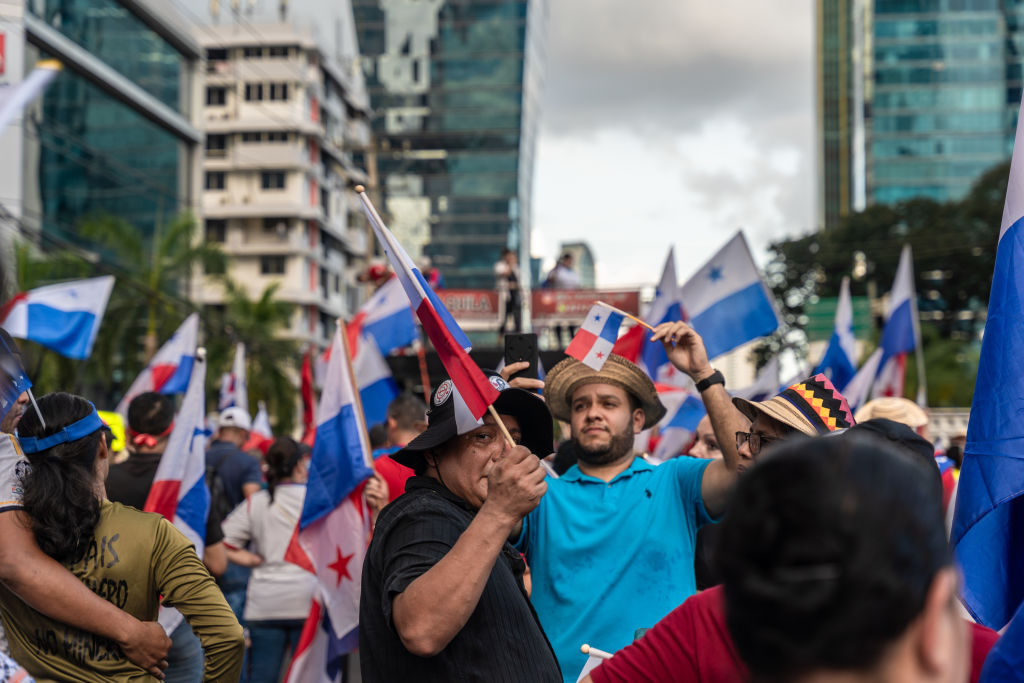
todozoo.com – The 2024 general elections in Panama, held on May 5, were a pivotal moment for the country, electing a new President, members of the National Assembly, and local governments. The elections featured a crowded field of eight candidates, with significant implications for Panama’s future and its relationship with the international community, particularly the United States.

Key Candidates and Parties

The race was led by Jose Raul Mulino, a conservative candidate and former security minister, who emerged victorious with over 34% of the votes. Mulino was the candidate of the Realizing Goals party, which is associated with former President Ricardo Martinelli, who was barred from running due to corruption charges.

Political Landscape and Voter Sentiment

The elections were marked by voter discontent with the current political situation, which has been marred by corruption scandals and economic challenges. Despite these issues, Mulino’s victory was seen as a continuation of the policies of his mentor, Martinelli, who remains popular among some segments of the population.

Implications for Panama and the Region

The outcome of the elections is expected to have a significant impact on Panama’s domestic policies, particularly in addressing corruption, economic challenges, and infrastructure development. Mulino’s victory also signals a continuation of the conservative political direction in Panama, which may influence the country’s stance on regional and international issues.

Challenges Ahead

The new government will face numerous challenges, including managing the country’s economy, which is expected to see a slowdown in GDP growth, and addressing the ongoing humanitarian crisis related to immigration through the Darien Gap.

Conclusion

The 2024 elections in Panama have set the stage for a new chapter in the country’s political history. With a clear mandate for change, the new administration will need to address pressing domestic and international issues to fulfill the promises made during the campaign. The outcome of these elections will be closely watched not only by Panamanians but also by neighboring countries and international stakeholders.

Latvian: An Essential Grammar – Learning the Latvian Language

todozoo.com – “Latvian: An Essential Grammar” is a highly regarded resource for anyone looking to delve into the intricacies of the Latvian language. Authored by Dace Praulinš, this book offers a concise and user-friendly approach to understanding the basic grammatical structures of Latvian. It is designed to be accessible to both beginners and advanced learners, making it an essential tool for anyone interested in mastering this fascinating language.

Key Features

Concise and Accessible

The book presents a fresh and accessible description of the language, using clear, jargon-free explanations to outline the complexities of Latvian grammar. This approach makes it easier for learners to grasp the nuances of the language without getting overwhelmed by technical terms.

Comprehensive Coverage

“Latvian: An Essential Grammar” covers a wide range of grammatical structures, including tense, verb conjugations, noun declensions, and the use of articles, pronouns, and adjectives. This comprehensive coverage ensures that learners have a well-rounded understanding of the language’s grammar.

Ideal for All Levels

Whether you are a complete beginner or an advanced learner, this book provides valuable insights and explanations that cater to different levels of proficiency. It serves as a valuable reference guide that can be used alongside other learning materials to enhance your understanding of Latvian grammar.

Practical Application

The book not only explains the grammatical rules but also provides examples that demonstrate how these rules are applied in real-life situations. This practical approach helps learners to see the relevance of the grammar in actual conversation and writing.

Conclusion

“Latvian: An Essential Grammar” is a must-have resource for anyone looking to improve their proficiency in the Latvian language. Its clear explanations, comprehensive coverage, and practical examples make it an invaluable tool for both students and professionals alike. Whether you are a beginner or an advanced learner, this book will provide you with the essential grammatical knowledge needed to navigate the complexities of the Latvian language effectively.

Tips for a Flawless Image: Passport Photos

todozoo.com – Getting a passport photo that meets all the requirements can be a challenging task. However, with the right preparation and knowledge, you can ensure your passport photo is flawless and accepted without any issues. Here are some essential tips to help you achieve the perfect passport photo:

1. Understand the Requirements

Before you take your passport photo, it’s crucial to understand the specific requirements set by the passport-issuing authority of your country. These requirements often include specific dimensions, background color, head position, and facial expression. Make sure to review these guidelines carefully.

2. Choose the Right Background

Most passport photos require a plain white or off-white background. Ensure there are no shadows or patterns that could interfere with the photo’s acceptance. You can use a white wall or a large sheet as a background.

3. Pay Attention to Lighting

Proper lighting is key to a good passport photo. The light should be even and not create harsh shadows on your face. Natural light is often the best option, but if you’re using artificial light, make sure it’s diffused and not too bright.

4. Dress Appropriately

Your clothing should not blend with the background, and it’s best to avoid wearing white or off-white tops. Also, avoid clothing with logos, patterns, or anything that could be considered offensive.

5. Position Your Head Correctly

Your face should be centered in the photo, and you should look directly at the camera. Your head should be straight, and you should not tilt it to either side.

6. Mind Your Facial Expression

A neutral facial expression is required for most passport photos. You should not smile, frown, or make any other expressions. Keep your mouth closed and your eyes open.

7. Take Multiple Shots

It’s rare to get a perfect passport photo on the first try. Take multiple shots to ensure you have options to choose from. This also gives you the opportunity to correct any issues with the first few attempts.

8. Use a High-Quality Camera

While it’s tempting to use a smartphone camera, a high-quality digital camera will provide better resolution and clarity. This is especially important if the passport-issuing authority has specific requirements for image resolution.

9. Check the Photo Carefully

Before submitting your passport photo, check it carefully against the requirements. Look for any potential issues such as shadows, incorrect head position, or poor image quality.

10. Consider Professional Help

If you’re unsure about taking your own passport photo, consider using a professional photo service. These services are familiar with the requirements and can ensure your photo meets all the necessary standards.

By following these tips, you can ensure your passport photo is flawless and accepted without any issues. Remember, a good passport photo is an essential part of the application process, so take the time to get it right.

A Comprehensive Guide: The Gambia

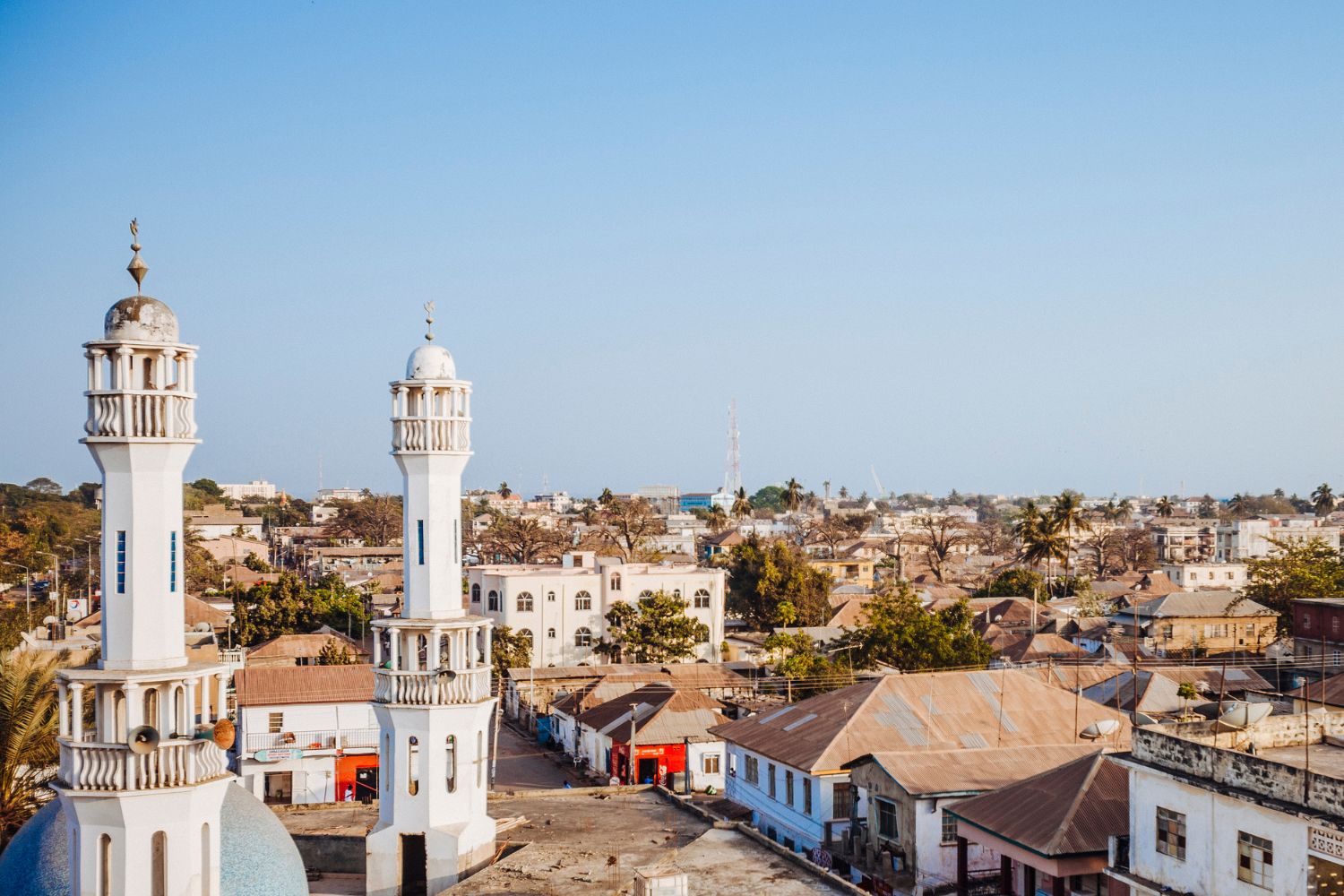
todozoo.com – The Gambia, often referred to simply as Gambia, is a small country located in West Africa, bordered by Senegal on all sides except for a short coastline along the Atlantic Ocean. Known for its vibrant culture, beautiful landscapes, and warm hospitality, Gambia offers a unique travel experience for visitors. This guide will explore the country’s history, geography, attractions, and practical travel tips to help you plan your trip to this fascinating destination.

History and Geography

The Gambia gained independence from the United Kingdom in 1965 and has since developed into a vibrant nation with a rich cultural heritage. The country is characterized by its low-lying, narrow strip of land along the Gambia River, which flows through the center of the country and empties into the Atlantic Ocean. This river is not only a defining geographical feature but also a significant part of the country’s economy and culture.

Attractions

Natural Wonders

The Gambia is a paradise for nature lovers, offering diverse landscapes from lush forests to sandy beaches. The River Gambia National Park is a must-visit for birdwatchers, where you can spot over 300 species of birds. The park also provides opportunities for boat trips and wildlife viewing.

Cultural and Historical Sites

Banjul, the capital city, is a melting pot of cultures and a hub for historical exploration. The Kunta Kinteh Island, formerly known as James Island, is a UNESCO World Heritage site and a significant site in the history of the slave trade.

Beaches and Resorts

The Gambia’s coastline is dotted with beautiful beaches and resorts, making it a popular destination for tourists seeking relaxation and sun. The Sanyang Beach is particularly famous for its clear waters and soft sand.

Practical Travel Tips

When to Visit

The best time to visit The Gambia is during the dry season, from November to April, when the weather is cooler and less humid. This period is also ideal for wildlife viewing and outdoor activities.

Getting Around

The Gambia is relatively small, making it easy to explore by road. Taxis and minibuses are the most common forms of public transport, and they are generally reliable and inexpensive.

Safety and Health

It is advisable to consult with your healthcare provider before traveling to The Gambia, especially regarding vaccinations and malaria prophylaxis. Always carry a first aid kit and ensure you have comprehensive travel insurance.

Conclusion

The Gambia is a country that offers a unique blend of natural beauty, cultural richness, and historical significance. Whether you are interested in exploring its wildlife, soaking up the sun on its beaches, or delving into its fascinating history, The Gambia promises an unforgettable travel experience. With careful planning and the right precautions, your trip to The Gambia can be both enjoyable and enriching.

Exploring Kenya’s Rich Culture: The Heart of Africa

todozoo.com – Kenya, often referred to as the “Cradle of Humankind,” is a country that not only boasts of its natural beauty and abundant wildlife but also of its rich and vibrant culture. From the diverse ethnic groups to the unique traditions and customs, Kenya’s cultural heritage is a tapestry woven with the threads of history, art, and community life. This article delves into the heart of Africa, exploring the cultural wonders that make Kenya a captivating destination for travelers seeking more than just a safari adventure.

The Tapestry of Ethnic Diversity

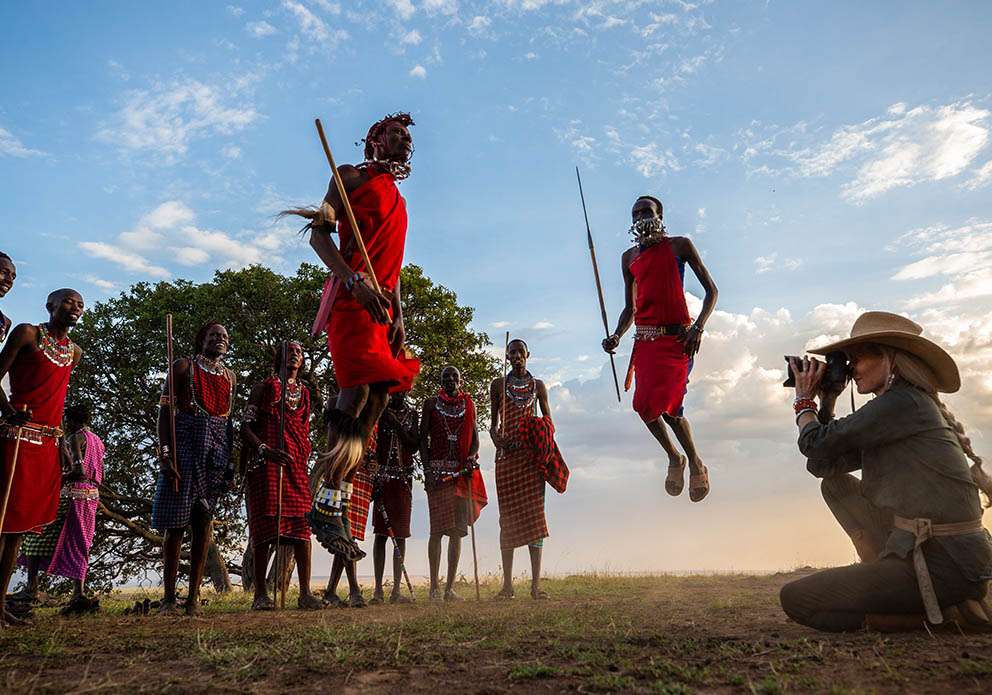
Kenya is home to over 40 ethnic groups, each with its own language, traditions, and cultural practices. The Maasai, Samburu, Kikuyu, Luhya, and Luo are among the most well-known. These communities have preserved their heritage through generations, and visitors can experience their way of life through cultural visits, homestays, and participation in traditional ceremonies.

Traditional Music and Dance

Music and dance are integral to Kenyan culture, serving as a means of communication, celebration, and storytelling. Traditional instruments like the nyatiti (a lyre), the orutu (a fiddle), and the enkodo (a drum) accompany dances that are both energetic and graceful. Performances often depict historical events, rites of passage, or the daily life of the community.

The Art of Craftsmanship

Kenyan artisans are renowned for their skill in creating beautiful crafts that reflect the country’s cultural heritage. From intricate beadwork and wood carvings to colorful textiles and pottery, these handmade items are not only aesthetically pleasing but also carry deep cultural significance. Markets and cooperatives across the country offer a glimpse into the world of Kenyan craftsmanship, providing opportunities for visitors to purchase authentic souvenirs and support local artisans.

Cuisine: A Taste of Kenya

Kenyan cuisine is a delicious blend of indigenous flavors and influences from its colonial past. Dishes like ugali (a maize-based staple), nyama choma (grilled meat), and sukuma wiki (a type of kale) are staples in many Kenyan households. The coastal region offers a unique Swahili cuisine, with dishes like biryani, pilau, and seafood delicacies that reflect the region’s Arab and Indian influences. Food markets and local eateries provide the perfect setting to savor the diverse tastes of Kenya.

Festivals and Celebrations

Kenya’s calendar is dotted with festivals and celebrations that showcase the country’s cultural vibrancy. Events like the Maasai Olympics, the Lamu Cultural Festival, and the Kenya National Theatre Festival highlight traditional sports, music, dance, and drama. These celebrations are not only a testament to the resilience of Kenyan culture but also an invitation for visitors to immerse themselves in the festivities and experience the warmth of Kenyan hospitality.

Conclusion

Exploring Kenya’s rich culture is a journey through the heart of Africa, where traditions are honored, and community is celebrated. From the diverse ethnic groups and their unique practices to the art, music, cuisine, and festivals, Kenya offers a cultural experience that is both enriching and unforgettable. As the country continues to embrace its heritage while moving forward, it remains a beacon of cultural diversity and a must-visit destination for those seeking to understand the soul of Africa.

Jamaica: A Cultural Journey Through Music & Dance

todozoo.com – Jamaica, an island nation in the Caribbean, is renowned for its vibrant culture that pulsates with the rhythms of music and dance. The island’s cultural journey is intricately woven into the fabric of its society, with music and dance serving as the heartbeat of Jamaican life. From the bustling streets of Kingston to the serene beaches of Montego Bay, the sounds of reggae, ska, dancehall, and mento fill the air, inviting locals and visitors alike to move to the rhythm.

The Birth of Reggae

Reggae music, arguably the most famous musical export of Jamaica, emerged in the late 1960s as a progression from ska and rocksteady. Its roots are deeply embedded in the Rastafarian culture, which influenced its themes of social justice, peace, and love. Bob Marley, the world’s most renowned reggae artist, brought the genre to international acclaim, making it a symbol of Jamaica’s cultural identity. Reggae’s infectious beats and thought-provoking lyrics continue to resonate globally, transcending language and cultural barriers.

Ska and Rocksteady: The Precursors

Before reggae took the world by storm, ska and rocksteady laid the groundwork for Jamaica’s musical revolution. Ska, with its fast tempo and emphasis on horn sections, was the first distinctly Jamaican music to gain popularity in the early 1960s. It was a fusion of American jazz and rhythm and blues with traditional Jamaican mento. Rocksteady, characterized by its slower, more soulful sound, emerged in the mid-1960s as a precursor to reggae, setting the stage for the genre’s evolution.

Dancehall: The Modern Sound

Dancehall, a more modern offshoot of reggae, emerged in the late 1970s and has since become a dominant force in Jamaican music. Known for its electronic beats and raw lyrics, dancehall reflects the fast-paced, urban lifestyle of Kingston. It has evolved over the years, incorporating elements of hip-hop, rap, and other global musical influences. Dancehall parties, or “dances,” are a staple of Jamaican nightlife, where the latest sounds are showcased, and new dance moves are born.

The Dance of Jamaica

Just as music is integral to Jamaican culture, so too is dance. The island’s dance styles are as diverse as its music, with each genre inspiring its own unique movements. Reggae dance is characterized by its smooth, rhythmic movements, while dancehall has given rise to more acrobatic and sexually suggestive dances. The “toasting” style of dancehall, where dancers mimic the actions of a DJ on the microphone, is particularly popular.

Cultural Festivals: A Celebration of Music and Dance

Jamaica’s cultural festivals are a testament to the island’s rich musical heritage. Events like Reggae Sumfest, held annually in Montego Bay, and the Rebel Salute festival, which focuses on roots reggae, attract thousands of music lovers from around the world. These festivals are not just about the music; they are a celebration of Jamaican culture, history, and identity, where dance plays an equally important role.

Conclusion

Jamaica’s journey through music and dance is a testament to the island’s resilience, creativity, and spirit. From the early days of ska to the modern sounds of dancehall, Jamaican music has evolved, yet it remains deeply rooted in the country’s cultural traditions. Dance, an integral part of this journey, has kept pace with the music, reflecting the changing times while maintaining its connection to the past. Together, music and dance continue to be the lifeblood of Jamaican culture, uniting people across generations and around the globe.

The Influence of Technology on Zimbabwe’s Development

todozoo.com – The integration of technology into various sectors of Zimbabwe’s economy has been a significant driver of its development. This article explores the multifaceted impact of technology on Zimbabwe, highlighting both the current state and future prospects.

Leveraging Digital Technologies for Economic Growth

Zimbabwe has recognized the potential of digital technologies to boost economic growth. The country is actively leveraging these technologies in the primary, secondary, and tertiary sectors. This approach is expected to enhance productivity and competitiveness across various industries.

Promoting Research and Development

Zimbabwe has a long-standing tradition of promoting research and development (R&D), as evidenced by the levy imposed on tobacco-growers since the 1930s. This commitment to R&D has contributed to a well-developed education system, with one in eleven adults holding a tertiary degree. This solid knowledge base, combined with abundant natural resources, positions Zimbabwe well for technological advancements.

Government Interventions

The government plays a crucial role in shaping the use of technology through various interventions. These include regulations, liberalization, subsidies to firms, tax regimes, and educational policies. These measures are designed to create a conducive environment for technology adoption and innovation.

Expanding Horizons in Business

Zimbabwe is increasingly moving into a technology-driven era of business productivity. The country is becoming more digitally connected, which is expanding its business horizons. This shift is not only improving efficiency but also opening up new markets and opportunities for local businesses.

Unlocking Tech Potential

The tech industry is one of the fastest-growing sectors in Zimbabwe, contributing significantly to both employment and GDP. Key players like Skunkworks are leading the charge in this transformation, showcasing the potential for technology to drive economic diversification and growth.

Challenges and Opportunities

While technology offers immense opportunities for Zimbabwe, there are also challenges that need to be addressed. These include the need to develop and amend ICT policies, mobilize financial and non-financial resources, and form strategic alliances with technologically developed economies.

Conclusion

The impact of technology on Zimbabwe’s development is profound and multifaceted. By leveraging digital technologies, promoting R&D, and fostering a supportive government environment, Zimbabwe is well-positioned to harness the full potential of technology for sustainable growth and development. The future looks bright, with continued investment in technology likely to unlock further economic opportunities and improve the quality of life for its citizens.

An Emerging Market on the Global Stage: Djibouti Stock Exchange

todozoo.com – The Djibouti Stock Exchange (DSE) stands as a testament to the growing economic potential of the Horn of Africa. Established with the aim of fostering economic development and providing a platform for capital mobilization, the DSE has been instrumental in attracting both local and foreign investors to the region. This article delves into the emergence of the Djibouti Stock Exchange as a key player in the global financial market landscape.

The Establishment of the Djibouti Stock Exchange

The DSE was officially inaugurated in 2006, marking a significant milestone in Djibouti’s efforts to modernize its financial sector. The exchange was created to facilitate the trading of securities, including stocks and bonds, and to encourage the growth of a diversified economy. The establishment of the DSE was a strategic move to position Djibouti as a regional financial hub, leveraging its strategic geographical location at the crossroads of Africa, Asia, and the Middle East.

Infrastructure and Regulatory Framework

To ensure transparency and investor confidence, the DSE operates under a robust regulatory framework overseen by the Djibouti Financial Market Authority. The exchange has also invested in advanced trading technologies, providing a reliable and efficient platform for trading activities. These measures have helped to attract a growing number of companies looking to list their shares and access capital.

Market Performance and Growth

Since its inception, the DSE has experienced steady growth, with an increasing number of companies listing on the exchange. The market capitalization has expanded, reflecting the growing interest from investors and the broader economic development of Djibouti. The exchange has also seen the introduction of various financial instruments, diversifying the investment options available to market participants.

Challenges and Opportunities

Despite its progress, the DSE faces several challenges typical of emerging markets, including liquidity constraints and the need for a broader investor base. However, the government’s commitment to economic reforms and the strategic location of Djibouti present significant opportunities for further development. The exchange is well-positioned to capitalize on the growing interest in African markets and the increasing integration of the Horn of Africa into the global economy.

Conclusion

The Djibouti Stock Exchange represents a promising emerging market with the potential to play a pivotal role in the economic development of Djibouti and the broader region. As the exchange continues to mature and attract investment, it will undoubtedly contribute to the diversification and strengthening of the national economy. With a focus on innovation, regulatory improvements, and market expansion, the DSE is poised to become a leading financial center in the Horn of Africa, offering exciting opportunities for investors looking to tap into the continent’s growth potential.

Romance, Family, and Society: Korean Dramas

todozoo.com – Korean dramas, or “K-dramas,” have become a global phenomenon, captivating audiences worldwide with their unique blend of romance, family dynamics, and social commentary. These serialized television shows from South Korea are renowned for their engaging storylines, relatable characters, and the way they reflect and critique contemporary society.

The Allure of Romance in K-dramas

One of the most appealing aspects of Korean dramas is their portrayal of romance. Unlike the often fleeting or superficial depictions of love in Western media, K-dramas delve deep into the emotional and psychological complexities of romantic relationships. They explore themes of love at first sight, star-crossed lovers, and the slow burn of a relationship that develops over time. The romantic storylines in K-dramas are characterized by their emotional depth, the chemistry between characters, and the cultural nuances that add layers to the narrative.

Family Dynamics: The Heart of K-dramas

Family plays a central role in Korean culture, and this is reflected in the structure and themes of K-dramas. Many dramas revolve around the dynamics within families, including the challenges of filial piety, the pressures of living up to family expectations, and the complexities of intergenerational relationships. K-dramas often explore the sacrifices characters make for their families, the conflicts that arise, and the eventual reconciliation and healing that come with understanding and acceptance.

Reflecting and Shaping Society

Korean dramas are not just entertainment; they are also a mirror to society. Many K-dramas tackle social issues head-on, including class disparity, gender inequality, mental health, and the challenges of modern life. By weaving these issues into their narratives, K-dramas offer a space for reflection and discussion, sometimes even prompting societal change. For example, dramas that depict mental health issues have contributed to destigmatizing these conditions in South Korea and beyond.

Conclusion

Korean dramas offer a rich tapestry of romance, family dynamics, and social commentary. They have the power to entertain, to move, and to provoke thought. As the popularity of K-dramas continues to grow, they serve as a bridge between cultures, offering a glimpse into Korean society and its values. Whether you’re a fan of romance, family sagas, or thought-provoking narratives, there’s a K-drama out there for you. And as you watch, you might just find yourself learning something new about love, family, and the world we live in.