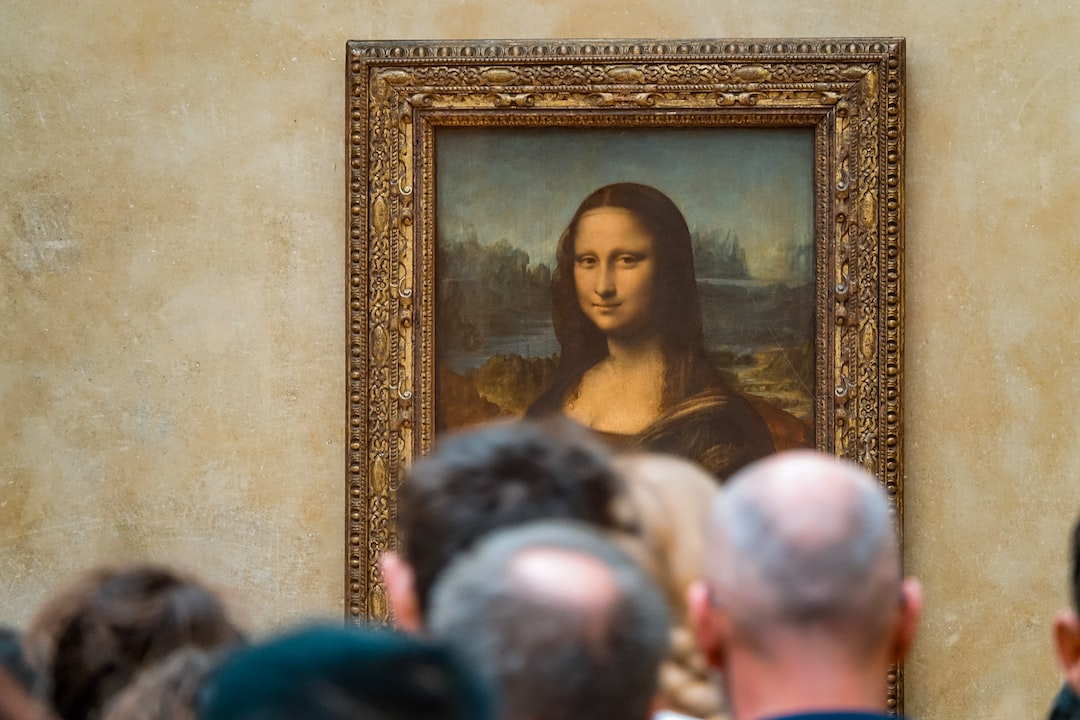
todozoo.com – The Mona Lisa, a half-length portrait painting by the Italian Renaissance artist Leonardo da Vinci, has captivated the world for centuries. This iconic artwork, housed in the Louvre Museum in Paris, is celebrated for its enigmatic smile and masterful technique.
The Mysterious Subject
The identity of the woman portrayed in the Mona Lisa has been the subject of much speculation. Traditionally, it has been believed to be Lisa Gherardini, the wife of a wealthy Florentine merchant, Francesco del Giocondo. However, recent theories suggest that the subject may have been someone else entirely, possibly a member of the Medici family or even a self-portrait of Leonardo himself.
Leonardo’s Innovative Technique
One of the key factors contributing to the Mona Lisa’s enduring appeal is Leonardo’s innovative use of artistic techniques. He employed a technique known as sfumato, which involves the subtle blending of colors to create a smoky, almost dreamlike effect. This technique gives the painting a sense of depth and realism, as well as a mysterious aura.
The Enigmatic Smile
The Mona Lisa’s enigmatic smile has been the subject of countless interpretations. Some art historians believe that the smile is a subtle expression of happiness, while others suggest that it is a more complex emotion, perhaps a combination of amusement, contentment, and even melancholy. The ambiguity of the smile has led to endless speculation and debate.
A Cultural Icon
The Mona Lisa has become a cultural icon, recognized worldwide as a symbol of art and beauty. Its theft from the Louvre in 1911 brought it even greater fame, and it has since been the subject of countless parodies, homages, and references in popular culture.
The Theft and Recovery
On August 21, 1911, the Mona Lisa was stolen from the Louvre, causing a sensation around the world. The theft was a mystery for two years, during which time the painting was missing and presumed lost. Eventually, it was discovered that the theft had been committed by a former Louvre employee named Vincenzo Perugia, who had stolen the painting and kept it hidden in his apartment. The painting was recovered and returned to the Louvre in 1913, where it remains on display today.
The Enduring Legacy
The Mona Lisa continues to fascinate and inspire, drawing millions of visitors to the Louvre each year. Its enduring appeal lies in its enigmatic beauty, its masterful technique, and the mystery surrounding its subject and creation. It remains one of the most famous and beloved artworks in the world, a testament to Leonardo da Vinci’s genius and a symbol of the enduring power of art.