Carry On Behind (1975): A British Comedy Classic Introduction

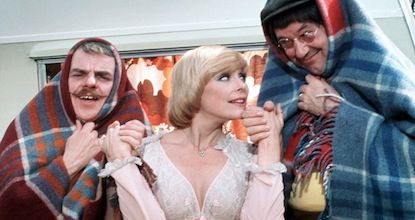
todozoo.com – “Carry On Behind,” released in 1975, is the 27th entry in the beloved British “Carry On” film series, known for its slapstick humor and double entendres. Directed by Gerald Thomas, this installment continues the tradition of light-hearted comedy, featuring a mix of returning cast members and new faces.

Plot Overview

The film is set in a British caravan park where two professors, Professor Roland Crump and Professor Anna Vooshka, are conducting an archaeological dig. Their scholarly pursuits are humorously disrupted by the antics of the park’s holidaymakers. The plot weaves together various comedic subplots, including romantic entanglements, mistaken identities, and mischievous escapades, all culminating in a chaotic and entertaining climax.

Themes and Style

Classic British Humor

“Carry On Behind” exemplifies the quintessential British humor that the series is known for. The film embraces slapstick comedy, witty dialogue, and innuendos, appealing to audiences with its irreverent and playful tone.

Social Satire

The film satirizes British holiday culture and the quirks of caravan park life. Through its comedic lens, it offers a humorous commentary on social interactions and relationships, poking fun at the characters’ foibles and misunderstandings.

Characters

Professor Roland Crump

Kenneth Williams stars as Professor Roland Crump, a pompous and somewhat oblivious academic. His interactions with the park’s residents lead to a series of humorous situations, highlighting Williams’ comedic talent.

Professor Anna Vooshka

Elke Sommer joins the cast as Professor Anna Vooshka, a Russian archaeologist. Her character adds a touch of international flair and becomes entangled in the comedic chaos alongside Professor Crump.

Cinematic Techniques

Ensemble Cast

The film features an ensemble cast, a hallmark of the “Carry On” series. Familiar faces such as Joan Sims, Bernard Bresslaw, and Peter Butterworth contribute to the film’s comedic charm, each bringing their unique style and timing to the ensemble.

Lighthearted Direction

Gerald Thomas’s direction ensures a brisk pace, with gags and set pieces that keep the audience engaged. The film’s comedic timing and visual humor are crafted to maximize laughs, maintaining the series’ reputation for entertaining escapism.

Reception and Legacy

“Carry On Behind” received a warm reception from fans of the series, appreciating its humor and familiar formula. While not the most critically acclaimed entry, it holds a place in the hearts of “Carry On” enthusiasts. The film’s enduring popularity is a testament to the series’ ability to capture the spirit of British comedy.

Conclusion

“Carry On Behind” is a delightful addition to the “Carry On” series, offering a blend of humor, chaos, and charm. Its lighthearted approach and comedic performances ensure its status as a classic British comedy, continuing to entertain audiences with its timeless antics.
The Classic Performances of Audrey Hepburn

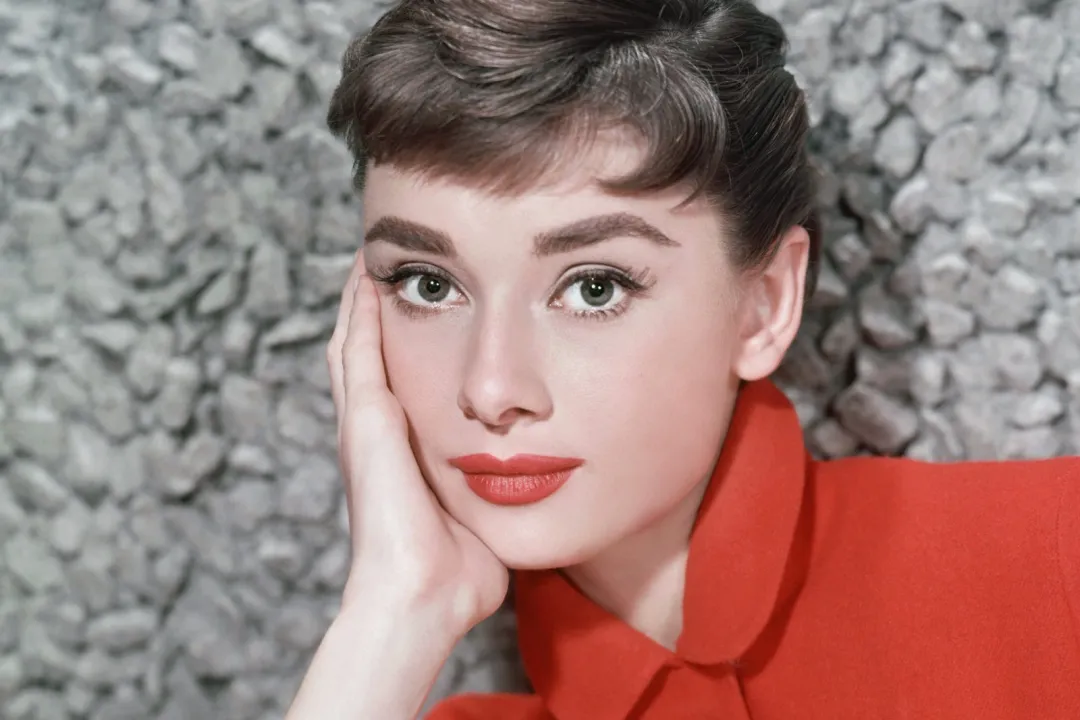
todozoo.com – Audrey Hepburn remains one of the most enduring icons of the silver screen, celebrated for her elegant style and timeless performances. Her filmography is filled with memorable roles that continue to captivate audiences. Here, we explore some of her most classic performances that have cemented her legacy in Hollywood history.

1. Roman Holiday (1953): A Star is Born

Audrey Hepburn’s breakout role as Princess Ann in “Roman Holiday” catapulted her to stardom and earned her an Academy Award for Best Actress. This romantic comedy, directed by William Wyler, showcased Hepburn’s natural charm and grace as she portrayed a young princess exploring Rome incognito. Her chemistry with co-star Gregory Peck and her ability to convey both innocence and sophistication made this performance unforgettable.

2. Sabrina (1954): The Cinderella Story

In “Sabrina,” Hepburn plays the titular character, the daughter of a chauffeur who transforms from a shy, awkward girl into a sophisticated woman after spending time in Paris. Her performance in this romantic drama, alongside Humphrey Bogart and William Holden, highlighted her versatility and further established her as a leading lady in Hollywood. Hepburn’s portrayal of Sabrina’s transformation is both touching and believable, making it a classic tale of love and self-discovery.

3. Breakfast at Tiffany’s (1961): An Iconic Role

Perhaps Hepburn’s most iconic role, Holly Golightly in “Breakfast at Tiffany’s,” remains a symbol of fashion and elegance. Directed by Blake Edwards and based on Truman Capote’s novella, the film features Hepburn as a charming and enigmatic socialite living in New York City. Her portrayal of Holly, complete with the famous black dress and pearls, became a cultural phenomenon. Hepburn’s ability to bring depth and vulnerability to a seemingly carefree character is a testament to her acting prowess.

4. My Fair Lady (1964): A Musical Triumph

In “My Fair Lady,” Hepburn took on the challenging role of Eliza Doolittle, a Cockney flower girl who undergoes an extensive transformation under the tutelage of Professor Henry Higgins, played by Rex Harrison. Although her singing was dubbed by Marni Nixon, Hepburn’s performance was praised for its emotional depth and comedic timing. The film’s success further solidified her status as a versatile actress capable of tackling complex roles.

5. Charade (1963): The Quintessential Thriller

Audrey Hepburn’s role in “Charade” alongside Cary Grant showcases her ability to excel in the thriller genre. Directed by Stanley Donen, the film combines elements of romance, comedy, and suspense. Hepburn plays Regina Lampert, a woman pursued by several men who are after her late husband’s fortune. Her chemistry with Grant and her ability to navigate the film’s twists and turns make “Charade” a delightful and thrilling experience.

Conclusion: A Lasting Legacy

Audrey Hepburn’s classic performances have left an indelible mark on cinema. Her unique blend of elegance, charm, and talent continues to inspire actors and filmmakers. Whether playing a princess, a socialite, or a flower girl, Hepburn’s ability to bring characters to life with authenticity and grace is a legacy that endures. Her films remain timeless treasures, inviting new generations to experience the magic of Audrey Hepburn.

Win, Lose or Draw: Classic Game Show – Doodled Way to Success

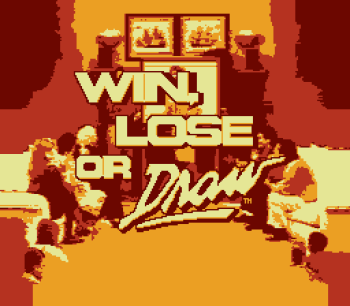
todozoo.com – Win, Lose or Draw, an American television game show, made its debut on September 14, 1987, in two different formats: a daytime version on NBC hosted by Vicki Lawrence and a nighttime syndicated version hosted by Bert Convy. The show was based on the popular board game Pictionary and quickly became a favorite among viewers for its unique blend of drawing, guessing, and competition.

The Format That Kept Viewers Engaged

The show’s format was both simple and engaging. Two teams, each composed of two celebrities and one contestant, competed against each other in a series of rounds. The goal was to guess the phrase, title, or thing that the drawer was attempting to illustrate within a set time limit. The teams had to guess the correct answer without the drawer using letters, numbers, or symbols, except for a few exceptions.

The First Two Rounds

In the first two rounds, one member of each team had 60 seconds to draw a person, place, thing, or phrase. The team’s partners had to guess the solution. After the first 30 seconds, a doorbell would sound, and the drawer could either hand off to one of their partners or continue drawing. Correct answers were worth $200, and if the team failed to guess, the opposing team had a chance to steal the points.

The Speed Round

The final round, known as the Speed Round, was the most exciting part of the game. The drawer had 90 seconds to draw as many words and phrases as possible. Each correct answer was worth $100, and the team in the lead went first. The team with the most money at the end of the Speed Round won the game and a $1,000 bonus for the contestant.

The Hosts Who Made It Memorable

Win, Lose or Draw was fortunate to have several charismatic hosts who brought their unique styles to the show. Vicki Lawrence hosted the NBC daytime version, while Bert Convy was the face of the syndicated version. After Convy’s departure, Robb Weller took over the hosting duties for the final season.

The Show’s Cultural Impact

Win, Lose or Draw left a lasting impact on American television. Its innovative format and the fun, competitive atmosphere it created made it a hit with audiences. The show’s success also led to the creation of a board game by Milton Bradley Company, which allowed families to enjoy the game at home.

The Secret to Its Success

The enduring appeal of Win, Lose or Draw can be attributed to several factors. Firstly, the show’s format was both simple and engaging, making it accessible to a wide audience. Secondly, the presence of celebrities added an element of star power and entertainment. Lastly, the show’s ability to adapt and evolve, such as the brief period where it featured one celebrity and two contestants, ensured that it remained fresh and exciting.

Conclusion

Win, Lose or Draw remains a beloved part of game show history. Its unique format, engaging hosts, and the joy it brought to viewers have made it a classic that continues to be remembered fondly. As it celebrates its legacy, Win, Lose or Draw stands as a testament to the enduring appeal of combining drawing, guessing, and competition in a fun and entertaining way.