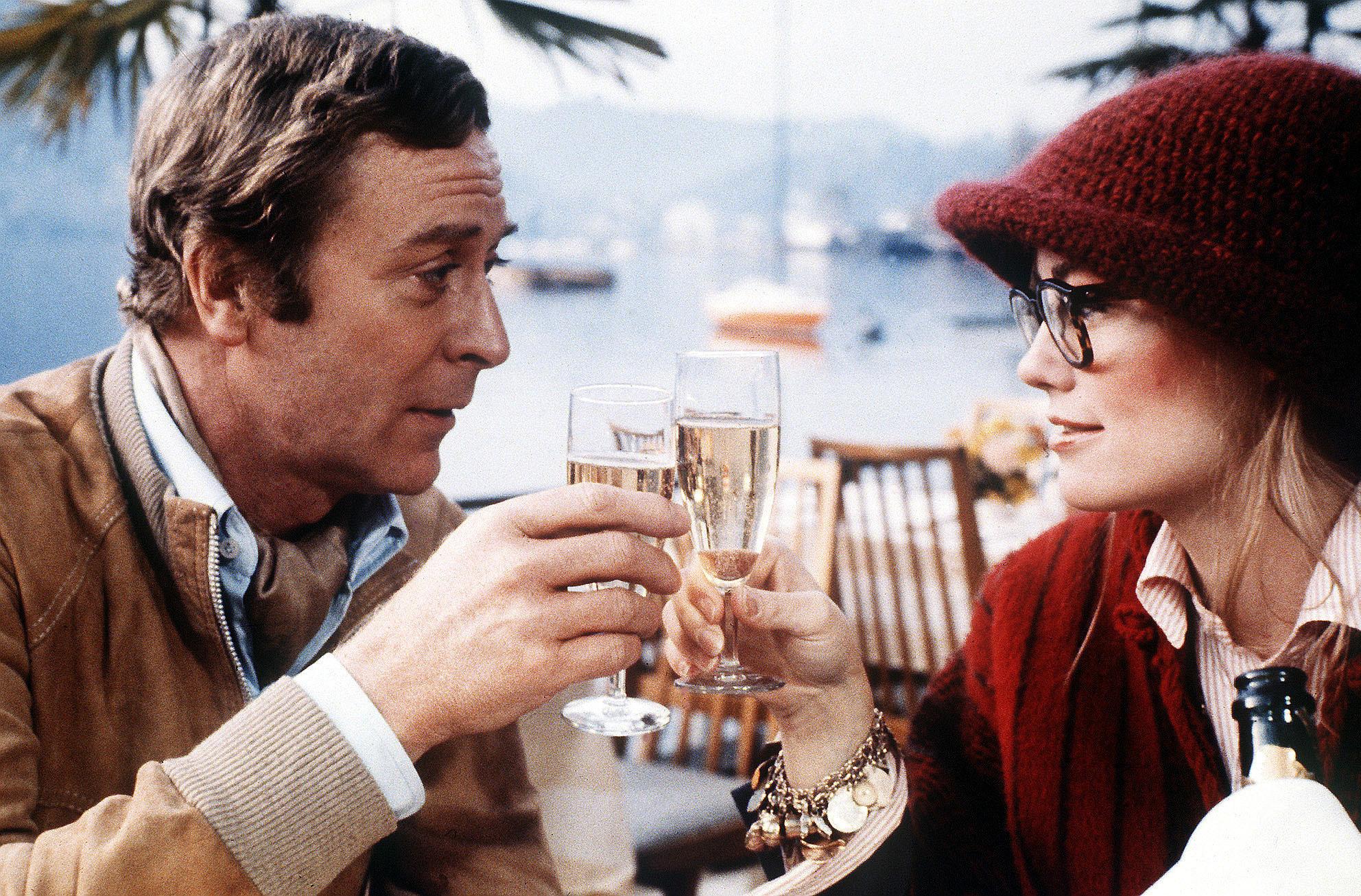
Silver Bears (1977): Crime, Comedy – Financial Schemes

todozoo.com – Silver Bears, released in 1977, is a lesser-known British-American crime comedy that brings together high finance, international intrigue, and a series of misadventures set against the picturesque backdrop of the Swiss Alps. Directed by Ivan Passer and based on Paul Erdman’s novel of the same name, the film stars Michael Caine, Cybill Shepherd, Louis Jourdan, and Tom Smothers. Though not a major hit, Silver Bears has developed a reputation for its offbeat charm and lighthearted take on the world of international banking and financial schemes.

A Plot of Gold, Fraud, and Farce

The film follows the story of “Doc” Fletcher (Michael Caine), an American conman and financial whiz hired by mafia boss Joe Fiore (Martin Balsam) to secure control over a Swiss bank. Fiore believes that owning a legitimate bank will allow him to launder money and expand his criminal empire into the world of high finance. However, what starts as a seemingly straightforward plan quickly spirals into chaos when Fletcher discovers that the bank he is sent to acquire, run by a small-time banker known as Prince di Siracusa (Louis Jourdan), is essentially bankrupt.

Undeterred, Fletcher devises an elaborate scheme to manipulate the silver market and prop up the failing bank. Along the way, he enlists the help of several eccentric characters, including the glamorous yet cunning Debbie Luckman (Cybill Shepherd), who becomes romantically entangled with Fletcher, and Albert Fiore (Tom Smothers), Joe Fiore’s bumbling nephew who adds comedic mischief to the proceedings.

As Fletcher’s silver scheme unfolds, he finds himself navigating a labyrinth of double-crosses, corporate corruption, and international intrigue. What begins as a financial ruse to save the bank turns into a complex game of deceit, as Fletcher and his team attempt to outwit rival bankers, Swiss officials, and even members of organized crime.

Michael Caine Shines as the Quick-Witted Conman

Michael Caine’s portrayal of Doc Fletcher is central to the film’s appeal. Caine brings his trademark charisma and sharp wit to the role, playing Fletcher as a quick-thinking hustler who always seems to be one step ahead of everyone else. His performance is breezy and confident, infusing the character with enough charm to keep the audience rooting for him, even as he operates in morally gray territory.

Caine’s ability to switch between suave manipulation and deadpan humor makes him a perfect fit for the film’s tone, which balances lighthearted comedy with moments of intrigue. As the mastermind behind the silver manipulation plot, Caine’s Fletcher becomes the film’s anchor, holding together the disparate threads of farce, financial complexity, and romantic subplot.

Cybill Shepherd and Louis Jourdan: Glamour and Eccentricity

Cybill Shepherd, fresh off her collaborations with Peter Bogdanovich, plays Debbie Luckman, a glamorous American who gets swept up in Fletcher’s schemes. Shepherd’s performance is both seductive and playful, as Debbie uses her charms to maneuver through the world of high finance. Her relationship with Fletcher adds a romantic angle to the story, though it remains secondary to the film’s larger plot of financial manipulation and comedic hijinks.

Louis Jourdan, as the quirky Prince di Siracusa, delivers a performance full of aristocratic eccentricity. Jourdan’s character is a small-time banker who is more interested in appearances than actual financial management. His involvement in Fletcher’s silver scheme provides much of the film’s humor, as he oscillates between cluelessness and pretentiousness, fully embodying the role of a hapless yet endearing partner in crime.

The Silver Market Scheme: A Satirical Take on High Finance

At its core, Silver Bears is a satire of the world of international banking and the corrupting influence of money. The film plays with the idea that financial institutions, even in the prestigious banking centers of Switzerland, can be just as susceptible to greed, manipulation, and absurdity as any other venture. The silver market plot, which involves inflating the price of silver to prop up the failing bank, mirrors real-life financial scandals, making the film a timely commentary on the excesses of global finance.

The film’s plot is filled with twists and turns, many of which revolve around the unpredictable nature of the silver market and the various characters trying to exploit it. The convoluted scheme reflects the complexities of financial manipulation, but the film treats the subject matter with a light touch, focusing more on the comedic potential of the situation than on the technical details of economics.

Quirky Supporting Cast and Comedic Moments

One of the film’s strengths is its ensemble cast of quirky characters, each of whom adds a layer of humor and eccentricity to the story. Tom Smothers, as Albert Fiore, plays the role of the inept but well-meaning nephew of the mafia boss. His misadventures in the world of high finance provide much of the film’s slapstick comedy, as he fumbles his way through meetings with Swiss bankers and international businessmen.

Other supporting characters, including Swiss officials, rival bankers, and shady business figures, contribute to the film’s lighthearted tone. While the plot centers on financial scheming, the film never takes itself too seriously, instead embracing the absurdity of the situation and allowing the cast to have fun with their roles.

Visual Style and Swiss Setting

The film’s setting in Switzerland provides a scenic backdrop to the caper. The picturesque landscapes of the Swiss Alps, along with the opulent interiors of bank offices and lavish parties, give Silver Bears a sense of glamour and international intrigue. Director Ivan Passer uses the Swiss setting not only as a contrast to the film’s criminal dealings but also as a visual reminder of the superficiality that often accompanies wealth and power.

The film’s pacing is brisk, with frequent shifts between locations and plot developments, keeping the audience engaged even as the financial scheme becomes increasingly convoluted. The tone remains light and playful throughout, ensuring that the film stays firmly in the realm of comedy despite its focus on serious topics like banking and market manipulation.

Critical Reception and Legacy

Upon its release, Silver Bears received mixed reviews from critics. Some praised the film for its lighthearted tone, entertaining performances, and witty dialogue, while others found the plot overly complicated and the comedic elements uneven. The film’s mix of crime, finance, and farce was seen as a somewhat unusual blend, which may have contributed to its modest box office performance.

Over time, however, Silver Bears has gained a small but loyal following, particularly among fans of Michael Caine and those who appreciate offbeat crime comedies. Its satirical take on high finance and its colorful cast of characters give the film a unique place within the genre of 1970s comedies.

Conclusion: A Quirky Financial Caper with Enduring Appeal

Silver Bears may not be a household name, but it remains an enjoyable, quirky entry in the crime comedy genre. With a strong central performance by Michael Caine and a playful approach to its subject matter, the film offers an entertaining look at the absurdities of international banking and financial schemes. For those who enjoy capers with a mix of wit, charm, and a touch of farce, Silver Bears is a lighthearted gem worth rediscovering.
Carry On Behind (1975): A British Comedy Classic Introduction

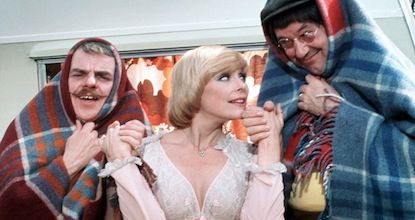
todozoo.com – “Carry On Behind,” released in 1975, is the 27th entry in the beloved British “Carry On” film series, known for its slapstick humor and double entendres. Directed by Gerald Thomas, this installment continues the tradition of light-hearted comedy, featuring a mix of returning cast members and new faces.

Plot Overview

The film is set in a British caravan park where two professors, Professor Roland Crump and Professor Anna Vooshka, are conducting an archaeological dig. Their scholarly pursuits are humorously disrupted by the antics of the park’s holidaymakers. The plot weaves together various comedic subplots, including romantic entanglements, mistaken identities, and mischievous escapades, all culminating in a chaotic and entertaining climax.

Themes and Style

Classic British Humor

“Carry On Behind” exemplifies the quintessential British humor that the series is known for. The film embraces slapstick comedy, witty dialogue, and innuendos, appealing to audiences with its irreverent and playful tone.

Social Satire

The film satirizes British holiday culture and the quirks of caravan park life. Through its comedic lens, it offers a humorous commentary on social interactions and relationships, poking fun at the characters’ foibles and misunderstandings.

Characters

Professor Roland Crump

Kenneth Williams stars as Professor Roland Crump, a pompous and somewhat oblivious academic. His interactions with the park’s residents lead to a series of humorous situations, highlighting Williams’ comedic talent.

Professor Anna Vooshka

Elke Sommer joins the cast as Professor Anna Vooshka, a Russian archaeologist. Her character adds a touch of international flair and becomes entangled in the comedic chaos alongside Professor Crump.

Cinematic Techniques

Ensemble Cast

The film features an ensemble cast, a hallmark of the “Carry On” series. Familiar faces such as Joan Sims, Bernard Bresslaw, and Peter Butterworth contribute to the film’s comedic charm, each bringing their unique style and timing to the ensemble.

Lighthearted Direction

Gerald Thomas’s direction ensures a brisk pace, with gags and set pieces that keep the audience engaged. The film’s comedic timing and visual humor are crafted to maximize laughs, maintaining the series’ reputation for entertaining escapism.

Reception and Legacy

“Carry On Behind” received a warm reception from fans of the series, appreciating its humor and familiar formula. While not the most critically acclaimed entry, it holds a place in the hearts of “Carry On” enthusiasts. The film’s enduring popularity is a testament to the series’ ability to capture the spirit of British comedy.

Conclusion

“Carry On Behind” is a delightful addition to the “Carry On” series, offering a blend of humor, chaos, and charm. Its lighthearted approach and comedic performances ensure its status as a classic British comedy, continuing to entertain audiences with its timeless antics.

Who Is Killing the Great Chefs of Europe? (1978)

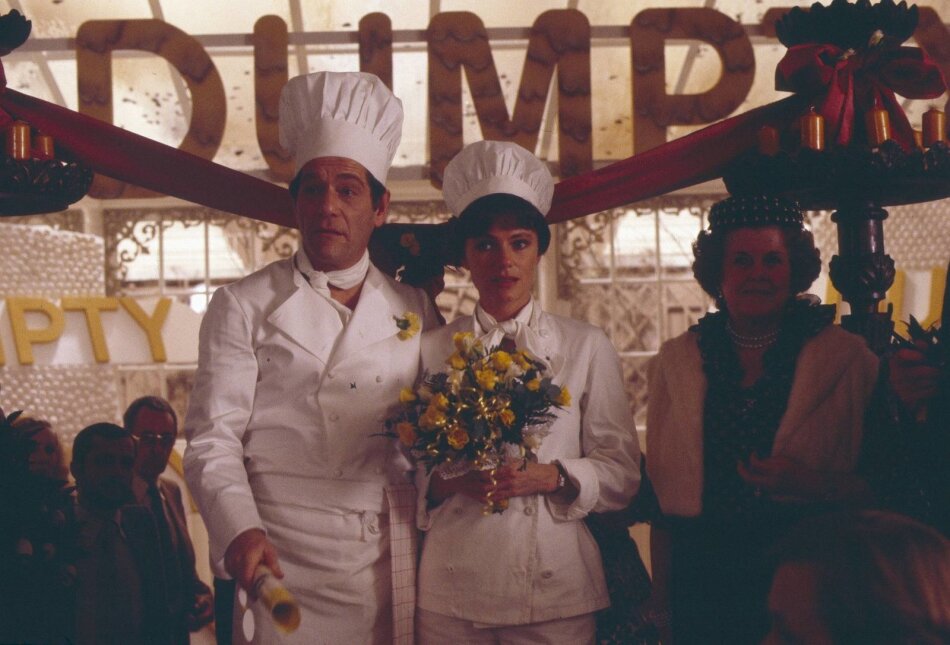
todozoo.com – “Who Is Killing the Great Chefs of Europe?” is a delightful comedy-mystery film released in 1978, directed by Ted Kotcheff. This film skillfully combines the intrigue of a murder mystery with the humor of a culinary satire, offering audiences a lighthearted yet suspenseful cinematic experience. With its unique premise and engaging performances, the film has carved out a niche as a cult favorite among fans of both mystery and comedy genres.

Plot Summary

Set against the backdrop of Europe’s most prestigious culinary world, the film follows renowned dessert chef Natasha O’Brien, played by Jacqueline Bisset, and her ex-husband, famed pastry chef Robby Ross, portrayed by George Segal. The story unfolds as a series of bizarre murders target some of the continent’s most celebrated chefs, each killed in a manner reflecting their signature dish.

As the culinary elite falls one by one, Natasha becomes embroiled in the investigation. With humor and wit, she and Robby navigate a web of jealousy, ambition, and culinary rivalry to uncover the identity of the elusive murderer. The film cleverly intertwines elements of mystery and comedy, maintaining a playful yet suspenseful tone throughout.

Themes and Style

“Who Is Killing the Great Chefs of Europe?” explores themes such as the cutthroat nature of professional competition, the intersection of art and obsession, and the lengths individuals will go to achieve greatness. The film satirizes the culinary world’s eccentricities, highlighting the often extravagant and absurd lengths chefs go to in their quest for perfection.

The film’s style is characterized by its vibrant depiction of European locales and its lavish portrayal of gourmet cuisine. Director Ted Kotcheff uses sumptuous visuals to showcase the art of cooking, drawing audiences into the opulent world of haute cuisine while keeping them engaged with the unfolding mystery.

Performances and Humor

Jacqueline Bisset and George Segal deliver standout performances, bringing charm and charisma to their roles. Their on-screen chemistry adds depth to the film, making the comedic elements all the more enjoyable. The supporting cast, including Robert Morley as the food critic Max Vandeveer, contributes to the film’s humor with their eccentric portrayals.

The film’s humor stems from its clever dialogue and the absurdity of the chefs’ predicaments. It balances comedic moments with the tension of a murder mystery, creating a unique blend that keeps viewers entertained and intrigued.

Reception and Legacy

Upon its release, “Who Is Killing the Great Chefs of Europe?” received positive reviews for its witty script and engaging performances. It was praised for its originality and its ability to blend comedy with the suspense of a traditional whodunit. The film’s unique premise and execution have earned it a lasting place in the comedy-mystery genre.

Today, the film is appreciated for its lighthearted take on the murder mystery format and its affectionate satire of the culinary world. It remains a favorite among those who enjoy a mix of humor and intrigue, offering a delightful escape into a world where culinary artistry meets crime-solving.

Conclusion

“Who Is Killing the Great Chefs of Europe?” is a charming and entertaining film that masterfully combines the elements of comedy and mystery. With its engaging storyline, memorable performances, and satirical look at the world of haute cuisine, the film continues to captivate audiences with its unique blend of suspense and humor. As a delightful culinary caper, it invites viewers to savor the intrigue and enjoy the ride.

“Hello Stranger” (2010): A Delightful Thai Romantic Comedy

todozoo.com – Released in 2010, the Thai film “Hello Stranger” directed by Banjong Pisanthanakun, offers a refreshing take on the romantic comedy genre. Set against the picturesque backdrop of South Korea, the film explores themes of anonymity, love, and self-discovery, capturing the hearts of audiences with its unique storyline and charming performances.

Plot Overview

“Hello Stranger” follows the story of two Thai strangers—a man and a woman—who coincidentally meet while on vacation in South Korea. Both are dealing with personal heartbreaks and decide to explore the country together while keeping their identities a secret. This decision leads to a series of humorous and heartwarming adventures as they navigate a foreign land together, gradually forming a bond without the baggage of their real-world identities.

Themes and Motifs

The film cleverly delves into the concept of anonymity and how it can liberate individuals to be their true selves. By keeping their names and backgrounds hidden, the characters are free to experience each other without preconceived notions or societal expectations. This anonymity allows them to connect on a deeper level, making their journey not just about discovering a new country, but also about discovering themselves and each other.

Cinematic Appeal

The picturesque locations in South Korea serve as a stunning backdrop to the couple’s adventures, adding a visual appeal that complements the film’s romantic narrative. The director, Banjong Pisanthanakun, known for his work in the horror genre, brings a fresh perspective to romantic comedy, blending humor with genuine emotional depth.

Performance and Reception

The chemistry between the lead actors, Chantavit Dhanasevi and Nuengthida Sophon, is palpable and adds authenticity to their evolving relationship. Their performances are both engaging and relatable, contributing significantly to the film’s success. “Hello Stranger” was well-received by audiences and critics alike, praised for its originality and the light-hearted yet touching portrayal of romance.

Conclusion

“Hello Stranger” is more than just a romantic comedy; it is a journey of self-discovery and the realization that sometimes, the best connections are formed when we let go of our identities and embrace the unknown. It stands as a testament to the magic of unexpected encounters and the serendipity of finding love in the most unlikely places.

Laugh Out Loud with Our Latest Sketches: Comedy Skits

todozoo.com – In the bustling world of entertainment, where every form of art is constantly evolving, comedy skits stand out as a timeless source of laughter and joy. These short, snappy performances are a testament to the creativity and wit of their writers and performers. Today, we bring you a collection of our latest comedy sketches, each crafted to tickle your funny bone and leave you in stitches.

1. The Misadventures of Mr. Mumble

Meet Mr. Mumble, a character whose speech is as clear as mud. In our latest skit, Mr. Mumble visits the doctor’s office, leading to a series of hilarious misunderstandings. From a prescription for “bubble gum” instead of “blood test” to a referral to a “funeral home” instead of an “MRI scan,” Mr. Mumble’s journey is a reminder that sometimes, communication can be the best medicine for a good laugh.

2. Time Travel Tangles

Imagine having a time machine but no sense of history. Our second sketch explores the comedic potential of such a scenario. Follow the misadventures of Tim, a well-meaning but historically challenged time traveler, as he accidentally invites Marie Antoinette to a pizza party, teaches Mozart the art of jazz, and somehow ends up being crowned the King of England for a day. It’s a whirlwind of historical inaccuracies and comedic timing that will have you questioning everything you know about the past.

3. The Supermarket Symphony

Shopping for groceries can be a mundane task, but not in our supermarket. In this sketch, the aisles come alive with the sounds of a symphony, orchestrated by the most unlikely of conductors: the store manager. Watch as customers navigate through a produce section that sings opera, a dairy aisle that hums blues, and a bakery that’s all about the beat. It’s a musical journey through the supermarket that will make you want to add a little rhythm to your shopping list.

4. The Haunted House Next Door

What happens when a family of skeptics moves into a house next to a notorious haunted mansion? In our latest comedy skit, the Johnson family discovers that their new neighbors are anything but ordinary. From ghostly apparitions asking for a cup of sugar to a poltergeist with a penchant for rearranging furniture, the Johnson’s learn to live with the supernatural in the most unexpected ways. It’s a spooky skit with a comedic twist that will have you believing in ghosts and laughing at their antics.

5. The Misplaced Genie

In a world where wishes come with fine print, our final sketch introduces Al, a genie who’s lost his lamp and his way in the modern world. When he grants a wish to a tech-savvy teenager for “unlimited data,” the results are both magical and mayhem-filled. From turning the family car into a mobile hotspot to accidentally granting every wish within a 5-mile radius, Al’s misadventures in technology are a reminder that some wishes are better left unwished.

Conclusion

Our latest comedy sketches are a testament to the power of laughter. Whether it’s through the misadventures of a mumbling man, the time-traveling mishaps of a history buff, the musical mayhem of a supermarket, the spooky antics of a haunted house, or the magical mischief of a misplaced genie, these skits are designed to bring joy and laughter into your life. So sit back, relax, and let the laughter begin. After all, laughter is the best medicine, and our sketches are the perfect prescription for a good time.