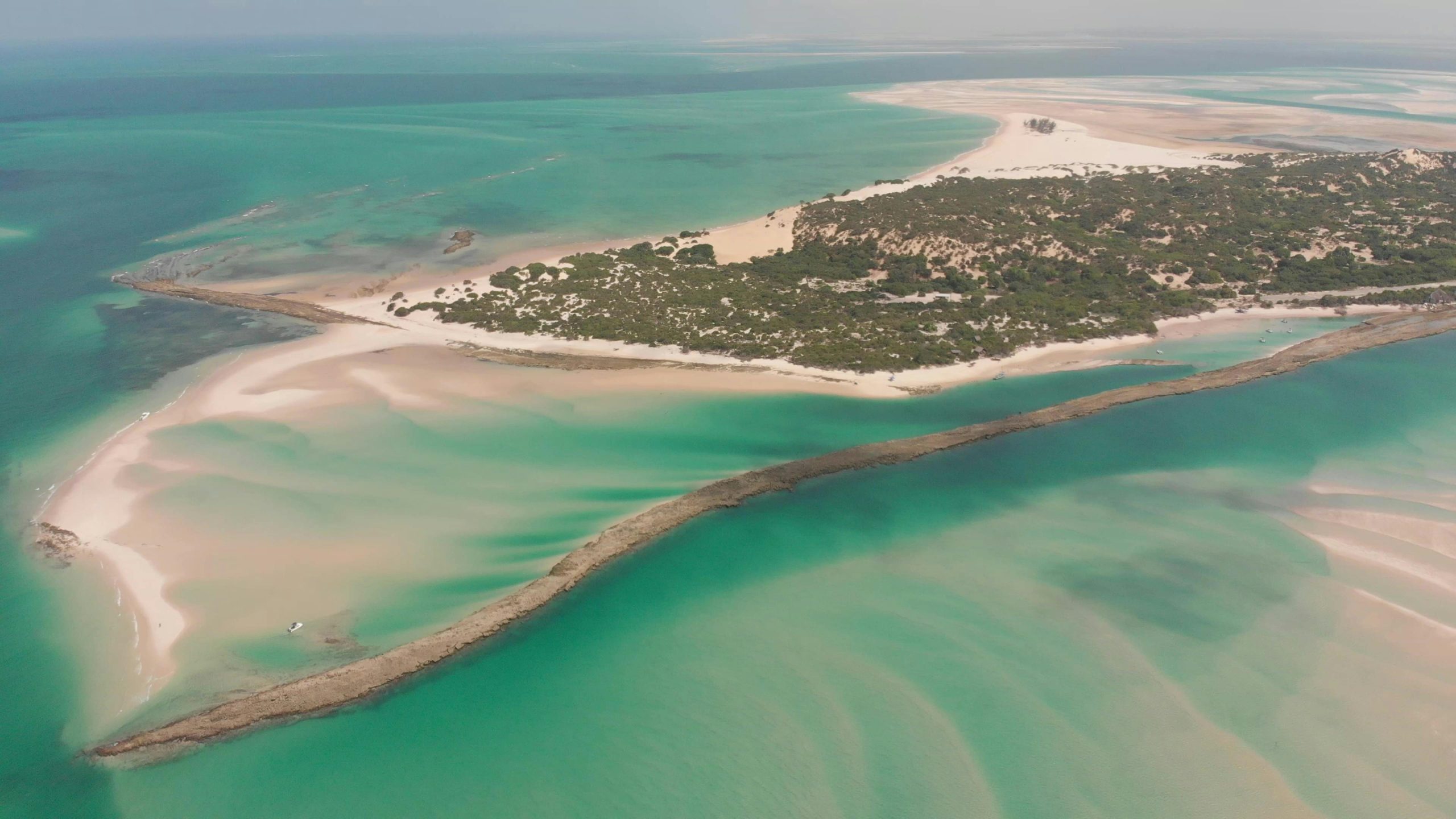
Inhambane: A Coastal Paradise – Beaches, Culture, & History

todozoo.com – Inhambane Province, located on Mozambique’s southern coast, is a captivating region renowned for its pristine beaches, vibrant culture, and rich history. This coastal paradise offers a diverse range of experiences, from sun-soaked relaxation to thrilling water sports and cultural exploration.

A Coastal Gem

Inhambane’s coastline is a major draw, with its soft, white sands and crystal-clear waters. Popular beach destinations include Tofo Beach, famous for its world-class diving and snorkeling opportunities, and Barra Beach, a picturesque fishing village with a laid-back atmosphere.

For those seeking adventure, the Bazaruto Archipelago, a group of five stunning islands, is a must-visit. These islands offer a variety of activities, such as diving, snorkeling, fishing, and simply unwinding on secluded beaches.

A Blend of Cultures

Inhambane Province is a melting pot of cultures, with influences from Arab, Portuguese, and African heritage. This cultural diversity is evident in the province’s architecture, cuisine, and music. The historic town of Inhambane, with its colonial-era buildings and bustling market, is a fascinating place to explore.

A Rich History

The province’s history dates back centuries, with evidence of early human settlements and trading posts. The Portuguese arrived in the 16th century, establishing a significant presence in the region. The colonial era left its mark on the province’s architecture, language, and customs.

Challenges and Opportunities

Like many parts of Mozambique, Inhambane Province faces challenges such as poverty, unemployment, and inadequate infrastructure. However, the province’s natural beauty, cultural heritage, and growing tourism industry offer significant opportunities for development.

The government of Mozambique, with the support of international partners, has been investing in tourism infrastructure, such as airports and roads, to facilitate access to the region. Additionally, efforts are being made to promote sustainable tourism practices to protect the environment and benefit local communities.

A Glimpse into the Future

Inhambane Province has the potential to become a major tourist destination in Mozambique. By harnessing its natural beauty, cultural heritage, and rich history, the province can attract visitors from around the world.

As the tourism industry continues to grow, it is crucial to prioritize environmental conservation and social responsibility. By striking a balance between economic development and ecological preservation, Inhambane Province can ensure a sustainable future for generations to come.
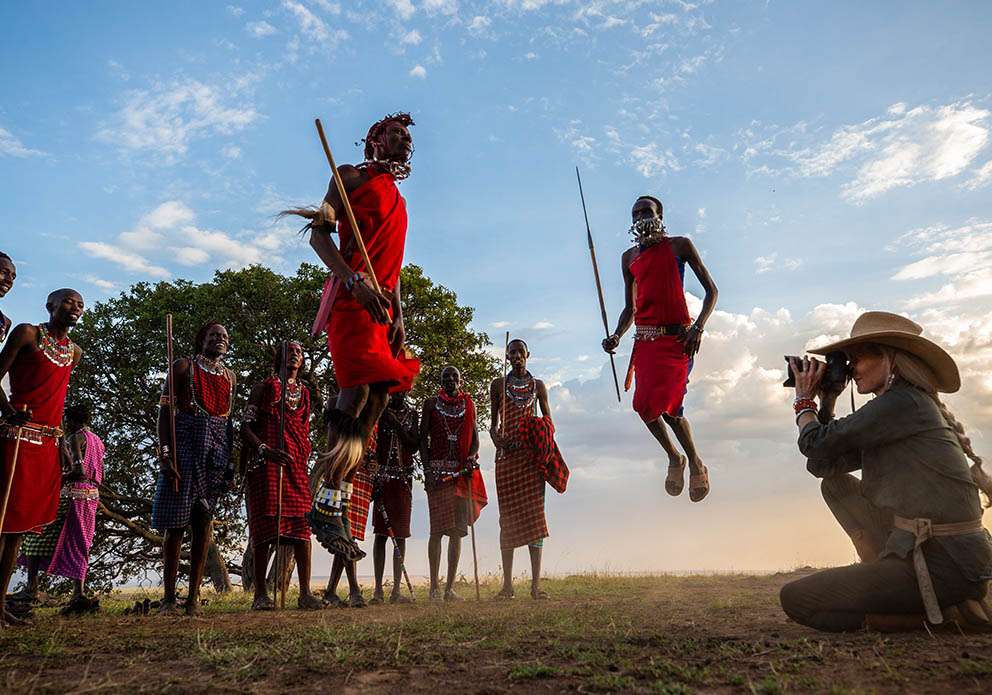
Exploring Kenya’s Rich Culture: The Heart of Africa

todozoo.com – Kenya, often referred to as the “Cradle of Humankind,” is a country that not only boasts of its natural beauty and abundant wildlife but also of its rich and vibrant culture. From the diverse ethnic groups to the unique traditions and customs, Kenya’s cultural heritage is a tapestry woven with the threads of history, art, and community life. This article delves into the heart of Africa, exploring the cultural wonders that make Kenya a captivating destination for travelers seeking more than just a safari adventure.

The Tapestry of Ethnic Diversity

Kenya is home to over 40 ethnic groups, each with its own language, traditions, and cultural practices. The Maasai, Samburu, Kikuyu, Luhya, and Luo are among the most well-known. These communities have preserved their heritage through generations, and visitors can experience their way of life through cultural visits, homestays, and participation in traditional ceremonies.

Traditional Music and Dance

Music and dance are integral to Kenyan culture, serving as a means of communication, celebration, and storytelling. Traditional instruments like the nyatiti (a lyre), the orutu (a fiddle), and the enkodo (a drum) accompany dances that are both energetic and graceful. Performances often depict historical events, rites of passage, or the daily life of the community.

The Art of Craftsmanship

Kenyan artisans are renowned for their skill in creating beautiful crafts that reflect the country’s cultural heritage. From intricate beadwork and wood carvings to colorful textiles and pottery, these handmade items are not only aesthetically pleasing but also carry deep cultural significance. Markets and cooperatives across the country offer a glimpse into the world of Kenyan craftsmanship, providing opportunities for visitors to purchase authentic souvenirs and support local artisans.

Cuisine: A Taste of Kenya

Kenyan cuisine is a delicious blend of indigenous flavors and influences from its colonial past. Dishes like ugali (a maize-based staple), nyama choma (grilled meat), and sukuma wiki (a type of kale) are staples in many Kenyan households. The coastal region offers a unique Swahili cuisine, with dishes like biryani, pilau, and seafood delicacies that reflect the region’s Arab and Indian influences. Food markets and local eateries provide the perfect setting to savor the diverse tastes of Kenya.

Festivals and Celebrations

Kenya’s calendar is dotted with festivals and celebrations that showcase the country’s cultural vibrancy. Events like the Maasai Olympics, the Lamu Cultural Festival, and the Kenya National Theatre Festival highlight traditional sports, music, dance, and drama. These celebrations are not only a testament to the resilience of Kenyan culture but also an invitation for visitors to immerse themselves in the festivities and experience the warmth of Kenyan hospitality.

Conclusion

Exploring Kenya’s rich culture is a journey through the heart of Africa, where traditions are honored, and community is celebrated. From the diverse ethnic groups and their unique practices to the art, music, cuisine, and festivals, Kenya offers a cultural experience that is both enriching and unforgettable. As the country continues to embrace its heritage while moving forward, it remains a beacon of cultural diversity and a must-visit destination for those seeking to understand the soul of Africa.