Inhambane: A Coastal Paradise – Beaches, Culture, & History

todozoo.com – Inhambane Province, located on Mozambique’s southern coast, is a captivating region renowned for its pristine beaches, vibrant culture, and rich history. This coastal paradise offers a diverse range of experiences, from sun-soaked relaxation to thrilling water sports and cultural exploration.

A Coastal Gem

Inhambane’s coastline is a major draw, with its soft, white sands and crystal-clear waters. Popular beach destinations include Tofo Beach, famous for its world-class diving and snorkeling opportunities, and Barra Beach, a picturesque fishing village with a laid-back atmosphere.

For those seeking adventure, the Bazaruto Archipelago, a group of five stunning islands, is a must-visit. These islands offer a variety of activities, such as diving, snorkeling, fishing, and simply unwinding on secluded beaches.

A Blend of Cultures

Inhambane Province is a melting pot of cultures, with influences from Arab, Portuguese, and African heritage. This cultural diversity is evident in the province’s architecture, cuisine, and music. The historic town of Inhambane, with its colonial-era buildings and bustling market, is a fascinating place to explore.

A Rich History

The province’s history dates back centuries, with evidence of early human settlements and trading posts. The Portuguese arrived in the 16th century, establishing a significant presence in the region. The colonial era left its mark on the province’s architecture, language, and customs.

Challenges and Opportunities

Like many parts of Mozambique, Inhambane Province faces challenges such as poverty, unemployment, and inadequate infrastructure. However, the province’s natural beauty, cultural heritage, and growing tourism industry offer significant opportunities for development.

The government of Mozambique, with the support of international partners, has been investing in tourism infrastructure, such as airports and roads, to facilitate access to the region. Additionally, efforts are being made to promote sustainable tourism practices to protect the environment and benefit local communities.

A Glimpse into the Future

Inhambane Province has the potential to become a major tourist destination in Mozambique. By harnessing its natural beauty, cultural heritage, and rich history, the province can attract visitors from around the world.

As the tourism industry continues to grow, it is crucial to prioritize environmental conservation and social responsibility. By striking a balance between economic development and ecological preservation, Inhambane Province can ensure a sustainable future for generations to come.


Philadelphia Sports: A Legacy of Passion and Pride

todozoo.com – Philadelphia, known as the City of Brotherly Love, is also a city deeply rooted in sports tradition. With its passionate fan base, iconic teams, and historic moments, Philadelphia sports are a testament to the city’s enduring spirit and pride. From the roaring crowds at Lincoln Financial Field to the electric atmosphere at the Wells Fargo Center, the city’s sports scene is vibrant and full of life.

A Rich History of Winning and Dedication

Philadelphia is home to several professional sports teams, each contributing to the city’s rich sporting history. The Philadelphia Eagles, with their memorable Super Bowl LII victory, have long been the pride of the city’s football fans. Meanwhile, the Philadelphia Phillies boast a storied history in Major League Baseball, with multiple World Series titles under their belt.

The Philadelphia 76ers have had their share of basketball legends, from Wilt Chamberlain to Allen Iverson, leaving an indelible mark on the NBA. The Flyers, with their legacy of toughness and grit, have been a formidable force in the NHL.

Iconic Venues and Unforgettable Moments

Philadelphia’s sports venues are as iconic as the teams that play in them. Lincoln Financial Field, Citizens Bank Park, and the Wells Fargo Center are more than just places to watch a game; they are gathering spots for fans to unite and celebrate their shared passion.

Some of the most unforgettable moments in sports history have taken place in these venues. Whether it’s the Eagles’ miraculous “Philly Special” play during the Super Bowl or the Phillies’ triumphant 2008 World Series win, these moments are etched in the memory of every Philadelphia sports fan.

The Fans: The Lifeblood of Philadelphia Sports

Philadelphia’s sports fans are known for their unwavering loyalty and unbridled enthusiasm. They are the lifeblood of the city’s sports culture, supporting their teams through thick and thin. This passion is evident in the sea of green on game days for the Eagles, the raucous cheers echoing through the Wells Fargo Center, and the tireless chants at Citizens Bank Park.

The fans’ dedication is not just confined to the professional level. College sports, especially basketball, attract a fervent following, with local universities like Villanova achieving national acclaim.

A Legacy That Continues to Thrive

Philadelphia sports are more than just games; they are a way of life. The city’s legacy of sports passion and pride continues to thrive, with each generation passing down their love for the teams. As new athletes rise and new legends are made, Philadelphia’s sports legacy remains as strong as ever, inspiring hope and unity across the city.

Conclusion: A City United by Sports

In Philadelphia, sports are a unifying force, bringing together diverse communities in shared celebration and camaraderie. The legacy of passion and pride in Philadelphia sports is a testament to the city’s resilience and spirit, a legacy that will undoubtedly continue for generations to come.

Struggles and Advances: The History of Human Rights

todozoo.com – Human rights are fundamental freedoms and protections that belong to all people, regardless of race, sex, nationality, age, or any other status. The history of human rights is a complex tapestry of struggles, achievements, and ongoing challenges. It is a story of resilience, advocacy, and the relentless pursuit of justice and equality.

Ancient Roots and Philosophical Foundations

The concept of human rights has ancient roots, with early expressions found in various cultures and religions. Philosophical inquiries by figures such as Socrates, Plato, and Aristotle in ancient Greece laid the groundwork for discussions about justice, equality, and the rights of individuals. Similarly, the teachings of Confucius in China and the principles of Buddhism and Hinduism in Asia contributed to the early understanding of human dignity and rights.

The Enlightenment and the Birth of Modern Human Rights

The 17th and 18th centuries marked a significant period in the evolution of human rights, with the Enlightenment bringing forth new ideas about individual liberty and social contract. Philosophers like John Locke, Jean-Jacques Rousseau, and Immanuel Kant argued for the inherent rights of individuals and the importance of limiting the power of the state.

This intellectual movement paved the way for the American and French Revolutions, which were pivotal moments in the history of human rights. The American Declaration of Independence (1776) and the French Declaration of the Rights of Man and of the Citizen (1789) both asserted the natural and inalienable rights of individuals, including life, liberty, and the pursuit of happiness.

The 20th Century: Codifying Human Rights

The atrocities of World War II, including the Holocaust, underscored the urgent need for a universal framework to protect human rights. In 1945, the United Nations was established with the aim of maintaining international peace and security, and promoting respect for human rights.

The Universal Declaration of Human Rights (UDHR), adopted by the UN General Assembly in 1948, was a landmark achievement. It articulated a broad range of rights and freedoms, including civil, political, economic, social, and cultural rights. The UDHR served as a foundation for subsequent international human rights treaties and conventions, such as the International Covenant on Civil and Political Rights and the International Covenant on Economic, Social and Cultural Rights.

Struggles for Equality and Justice

The history of human rights is also a history of struggles against oppression and discrimination. Movements for civil rights, women’s rights, LGBTQ+ rights, indigenous rights, and the rights of people with disabilities have all contributed to the expansion and deepening of human rights protections.

Figures such as Mahatma Gandhi, Martin Luther King Jr., Nelson Mandela, and Malala Yousafzai have become symbols of the fight for justice and equality, inspiring generations to continue the work of advancing human rights.

Challenges and Ongoing Struggles

Despite significant progress, the realization of human rights remains an unfinished project. Issues such as poverty, conflict, discrimination, and the rise of authoritarianism continue to threaten human rights around the world. The digital age has introduced new challenges, including privacy concerns and the spread of misinformation.

The COVID-19 pandemic has highlighted the importance of health as a human right, while also exposing vulnerabilities and inequalities. The global community faces the daunting task of addressing these challenges while upholding the principles of human rights.

Conclusion

The history of human rights is a testament to the enduring spirit of humanity’s quest for dignity, freedom, and justice. While the journey has been fraught with challenges, the advances made in protecting and promoting human rights offer hope for a more just and equitable world. As we look to the future, it is clear that the struggle for human rights is an ongoing process, requiring vigilance, courage, and solidarity.

A History of Inflated Snacks: The Puffed and Fluffed

todozoo.com – The world of snacks is vast and varied, with textures ranging from crunchy to chewy, and flavors from savory to sweet. Among these, a unique category stands out for its lightness and airy texture: inflated snacks. These puffed and fluffed treats have a history that is as intriguing as their texture is delightful. From ancient civilizations to modern-day food science, the journey of inflated snacks is a testament to human ingenuity and the universal love for a good snack.

Ancient Origins

The concept of inflated snacks is not a modern invention. Evidence suggests that the art of puffing grains dates back to ancient civilizations. In Peru, archaeologists have discovered traces of toasted corn that resembles modern-day popcorn, dating back to as early as 3600 B.C. Similarly, in Mexico, the Aztecs were known to prepare a dish called “totopos,” which were thin, puffed tortillas made from corn. These early examples demonstrate the human fascination with transforming grains into light, airy snacks.

The Industrial Revolution and Beyond

The production of inflated snacks took a significant leap forward during the Industrial Revolution. With the advent of new technologies and machinery, it became possible to mass-produce these snacks. In the early 20th century, the invention of the puffing gun by Alexander Anderson revolutionized the industry. This device used high-pressure steam to puff grains, leading to the creation of popular snacks like Kix and Shredded Wheat.

The 1940s and 1950s saw further innovation with the introduction of extrusion cooking. This process involves forcing dough through a shaped die at high pressure and then cutting it into pieces. When the dough emerges, the drop in pressure causes the water in the dough to turn into steam, puffing up the snack. This technique is still used today to make a wide variety of snacks, from breakfast cereals to cheese puffs.

The Science of Puffing

The science behind puffing involves the rapid expansion of starches within grains. When grains are subjected to high temperatures and pressures and then quickly released, the starches within them gelatinize and expand. This process creates the characteristic light and airy texture of inflated snacks. The type of grain, the moisture content, and the specific conditions of heating all influence the final texture and taste of the snack.

Modern Innovations

Today, the market for inflated snacks is more diverse than ever. Manufacturers continue to experiment with different grains, flavors, and textures to cater to a wide range of tastes and dietary needs. From classic cheese puffs to whole-grain breakfast cereals, and even vegan and gluten-free options, there’s an inflated snack for everyone.

Moreover, advancements in food technology have allowed for the creation of snacks that are not only delicious but also nutritious. Many inflated snacks are fortified with vitamins and minerals, making them a healthier snacking option.

Conclusion

The history of inflated snacks is a story of creativity and evolution. From ancient civilizations to modern-day food laboratories, the quest to create the perfect puffed and fluffed snack has led to a variety of delicious and convenient treats. As consumers continue to seek out new and exciting snacking experiences, the future of inflated snacks looks as bright and airy as the snacks themselves.

Snapshot: A Photographic History of the 20th Century

todozoo.com – The 20th century was a period of unprecedented change, marked by technological advancements, global conflicts, social revolutions, and the birth of a new digital age. As the century progressed, photography became an increasingly accessible tool for documenting these monumental events, capturing the essence of human life in a way that was both intimate and universal. “Snapshot: A Photographic History of the 20th Century” is a journey through the lens of the camera, offering a glimpse into the life of the past hundred years through the eyes of both professional photographers and everyday people.

The Dawn of the Century:
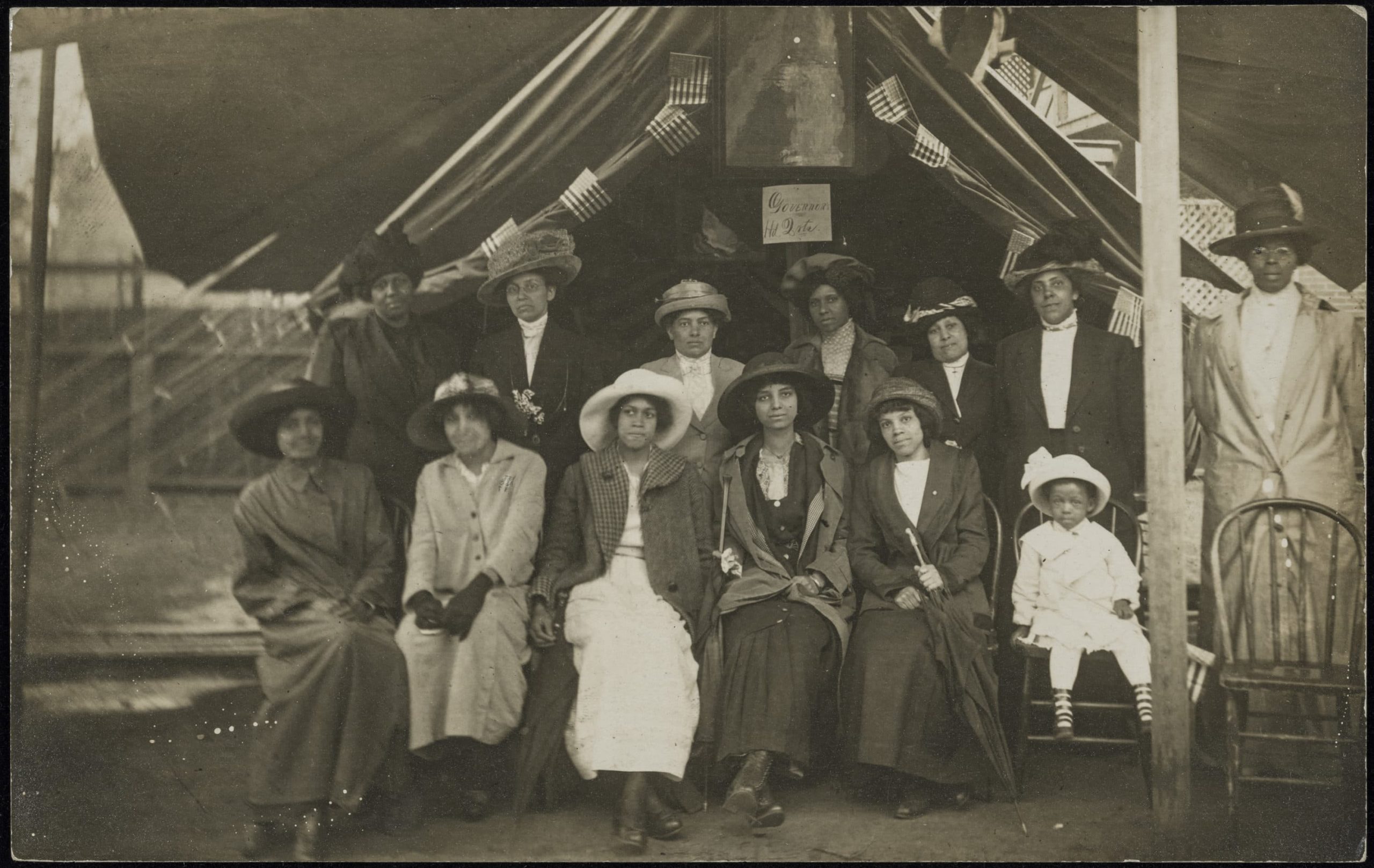
At the turn of the 20th century, photography was still in its infancy, but it was quickly becoming a popular medium for preserving memories and documenting the world. Early photographers captured unique moments, from the everyday life of the streets to the grandeur of the industrial age. The invention of the handheld camera and the development of film made it possible for more people to become photographers, and the snapshot aesthetic began to emerge.

World Wars and the Great Depression:
The first half of the 20th century was dominated by two world wars and the Great Depression. Photographers like Robert Capa and Margaret Bourke-White captured the harrowing realities of war, while Dorothea Lange’s photographs of the Dust Bowl and the Great Depression showed the resilience of the human spirit in the face of adversity. These images became iconic, serving as a poignant reminder of the suffering and the strength of those who lived through these times.

The Post-War Era:
In the aftermath of World War II, photography continued to evolve with the introduction of color film and the rise of photojournalism. Magazines like Life and National Geographic brought the world into people’s living rooms, showcasing the diversity of cultures and the ongoing struggle for civil rights. Photographers such as Gordon Parks and Danny Lyon used their cameras to shed light on social injustices and the fight for equality.

The Space Race and the Cold War:
The mid-20th century was characterized by the Space Race and the Cold War tensions between the United States and the Soviet Union. Iconic images of the first human in space, Yuri Gagarin, and the Apollo 11 moon landing in 1969, captured the imagination of people worldwide. These photographs symbolized humanity’s reach beyond the earth and the potential for peaceful cooperation in the face of global competition.

The Swingin’ Sixties and Beyond:
The 1960s brought with them a cultural revolution, marked by the civil rights movement, the feminist movement, and the rise of counterculture. Photographers like Annie Leibovitz and Richard Avedon captured the essence of this era, from the Woodstock festival to the music and fashion that defined the decade. As the century progressed, photography became more accessible with the introduction of the instant camera and the advent of digital photography in the late 20th century.

The Digital Revolution:
The late 20th century saw the dawn of the digital age, with the invention of the digital camera revolutionizing photography. Suddenly, anyone could be a photographer, and the internet allowed for the instant sharing of images across the globe. This democratization of photography meant that more moments were captured and preserved than ever before, creating a rich tapestry of human life in the final years of the century.

Conclusion:
“Snapshot: A Photographic History of the 20th Century” is a testament to the power of photography to capture the human experience. From the early days of the century to the digital revolution, photographers have been there to document the world, offering a glimpse into the life of the past hundred years. These images are not just historical records; they are windows into the lives of our ancestors, reminding us of where we have been and inspiring us as we move forward into the future.