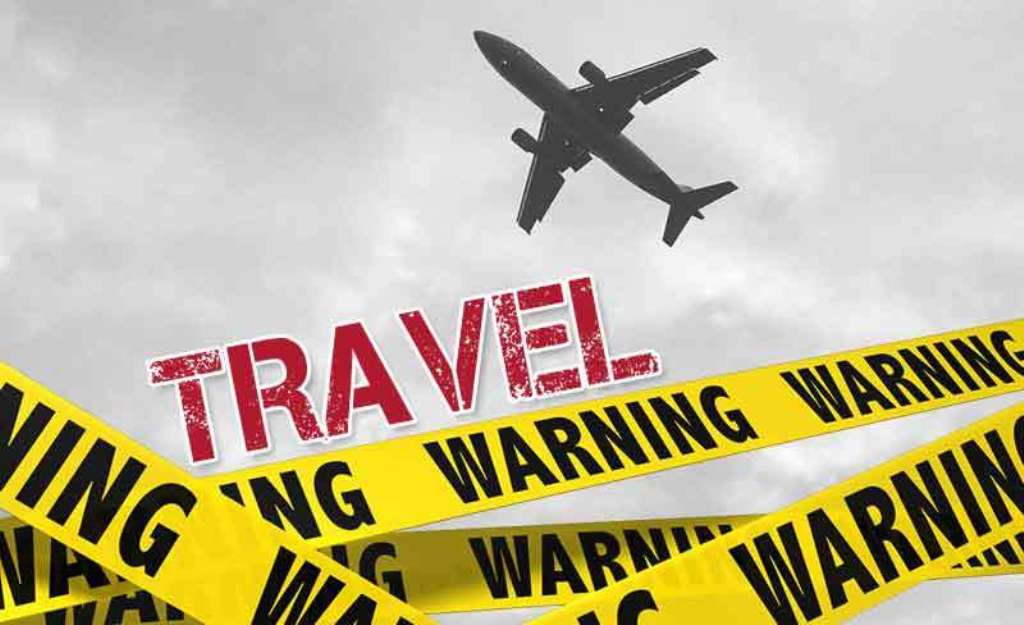
Dangerous Destinations: Where Not to Travel

todozoo.com – In today’s world of global exploration, travelers often seek out the most exotic and thrilling destinations. However, not all places are safe to visit. Some destinations pose significant risks due to political instability, natural disasters, or health hazards. Here, we explore some of the most dangerous destinations where travelers should exercise caution or avoid altogether.

1. War Zones and Conflict Areas

Regions embroiled in conflict are some of the most dangerous places to visit. Countries such as Syria, Yemen, and Afghanistan have been plagued by ongoing wars, making them highly volatile and unsafe for travelers. The risks include violence, kidnapping, and lack of essential services. It’s crucial to stay informed about current events and heed travel advisories issued by governments and international organizations.

2. Areas with High Crime Rates

Certain cities or regions around the world have alarmingly high crime rates, making them dangerous for tourists. Places like Caracas in Venezuela, Acapulco in Mexico, and San Pedro Sula in Honduras are known for violent crimes, including armed robbery and assault. Travelers should be cautious, stay in safe areas, and avoid displaying valuables or traveling at night.

3. Regions Prone to Natural Disasters

Some destinations are at high risk of natural disasters, including earthquakes, hurricanes, and tsunamis. The Pacific Ring of Fire, for instance, is notorious for its seismic activity. Countries like Indonesia and Japan frequently experience earthquakes and volcanic eruptions. Meanwhile, the Caribbean and the Gulf of Mexico are prone to hurricanes. It’s essential to monitor weather forecasts and have an emergency plan when visiting these areas.

4. Areas with Health Risks

Certain regions pose significant health risks due to the prevalence of infectious diseases. Sub-Saharan Africa, for example, has been affected by outbreaks of diseases like Ebola and malaria. Other destinations might have limited access to clean water and healthcare facilities. Travelers should consult health professionals, get necessary vaccinations, and take preventive measures to protect themselves.

5. Politically Unstable Regions

Political instability can lead to sudden changes in safety conditions, making travel to certain areas risky. Countries experiencing civil unrest, protests, or government instability can quickly become dangerous for tourists. Examples include Haiti and parts of the Middle East. It’s vital to stay updated on the political climate and avoid areas with active unrest.

Conclusion

While the desire to explore new places is natural, safety should always come first. Travelers must research their destinations thoroughly, heed travel warnings, and consider the risks involved. By staying informed and cautious, adventurers can avoid dangerous destinations and ensure that their travels are both exciting and safe.

The Cabal of Corruption: The World’s Most Dangerous Men

todozoo.com – In the shadowy corners of global power, there exists a cabal of corruption, a clandestine network of individuals whose influence and actions have shaped the world in ways that most can scarcely imagine. These men, often operating behind the scenes, wield power not for the betterment of humanity, but for their own nefarious ends. They are the architects of chaos, the puppeteers of economies, and the manipulators of nations. This article delves into the world of these dangerous men, examining their modus operandi and the impact of their corruption on the global stage.

The cabal of corruption is not a new phenomenon. Throughout history, there have always been those who have sought to amass power and wealth at the expense of others. What sets the current crop of corrupt individuals apart is their global reach and the sophisticated means by which they operate. With the advent of technology and globalization, these men have been able to extend their influence across borders, manipulating markets, politics, and even wars to serve their interests.

One of the most dangerous aspects of this cabal is its ability to remain hidden. These men are masters of deception, often operating through a complex web of shell companies, offshore accounts, and front organizations. They are adept at influencing politicians and policymakers, ensuring that the laws and regulations that are put in place serve to protect their interests rather than those of the general populace.

The impact of this cabal is far-reaching. Their actions have led to economic crises, political instability, and social unrest. They have contributed to the widening gap between the rich and the poor, exacerbating inequality and undermining the foundations of democracy. Their greed and corruption have led to environmental degradation, as they prioritize profit over the health of the planet.

But who are these men? They are not a homogeneous group. They come from various backgrounds and operate in different sectors, from finance to politics to organized crime. Some are well-known figures, their faces splashed across newspapers and television screens, while others prefer to remain in the shadows, pulling strings from behind the scenes.

One of the most notorious figures in this cabal is the international financier who manipulates markets for personal gain, causing economic turmoil that affects millions of lives. Another is the corrupt politician who trades favors for campaign contributions, ensuring that the interests of the few are prioritized over the needs of the many. Then there is the organized crime boss who uses his illicit empire to influence governments and undermine law enforcement.

The fight against this cabal is an uphill battle. It requires a concerted effort from governments, international organizations, and civil society. Transparency and accountability must be the cornerstones of any strategy to combat corruption. This means strengthening institutions, enforcing anti-corruption laws, and promoting a culture of integrity.

Technology can also play a role in this fight. Advances in data analysis and digital forensics have made it easier to track the financial transactions of corrupt individuals, while social media and other platforms have given citizens the power to hold their leaders to account.

In conclusion, the cabal of corruption represents one of the greatest threats to the stability and prosperity of the world. These dangerous men, with their insatiable appetite for power and wealth, have the potential to cause untold harm. But they are not invincible. With determination, cooperation, and the use of innovative tools, it is possible to dismantle their networks and bring them to justice. The future of our world depends on it.