A Culinary Journey: Exploring the World of Restaurants

todozoo.com – Restaurants, as we know them today, have evolved significantly over centuries. From humble beginnings as simple eateries to sophisticated culinary establishments, restaurants have adapted to changing tastes, cultures, and societal norms. Today, they serve as more than just places to eat; they are social hubs, cultural landmarks, and artistic expressions.

The Diverse World of Restaurants

The global restaurant industry is incredibly diverse, catering to a wide range of tastes and preferences. Here are some of the most popular types of restaurants:

  • Fine Dining Restaurants: These establishments offer exquisite cuisine, impeccable service, and elegant ambiance. They often feature innovative dishes prepared by renowned chefs.
  • Casual Dining Restaurants: These restaurants provide a more relaxed atmosphere and affordable prices. They offer a variety of cuisines, from American comfort food to international fare.
  • Fast-Casual Restaurants: These restaurants combine the convenience of fast food with the quality of casual dining. They offer a limited menu of freshly prepared dishes and often have a self-service component.
  • Fast Food Restaurants: These restaurants prioritize speed and affordability, offering standardized menu items and quick service.
  • Ethnic Restaurants: These restaurants specialize in a particular cuisine, offering authentic flavors and cultural experiences.
  • Themed Restaurants: These restaurants create a unique atmosphere, often based on a specific theme, such as historical periods, movies, or fantasy worlds.

The Impact of Technology on the Restaurant Industry

Technology has revolutionized the restaurant industry, transforming the way we dine out. Some of the key technological advancements include:

  • Online Reservations: Customers can easily book tables online, reducing wait times and improving restaurant efficiency.
  • Mobile Ordering and Payment: Mobile apps allow customers to order and pay for food directly from their smartphones, streamlining the dining experience.
  • Food Delivery Services: Apps like Uber Eats and DoorDash have made it easier than ever to have food delivered to your doorstep.
  • Social Media Marketing: Restaurants use social media to promote their brand, engage with customers, and generate buzz.
  • Smart Kitchen Technology: Advanced kitchen equipment and software help restaurants improve efficiency, reduce food waste, and enhance the overall dining experience.

The Future of Dining Out

As technology continues to advance and consumer preferences evolve, the future of dining out is full of exciting possibilities. Some emerging trends include:

  • Personalized Dining Experiences: Restaurants are using data analytics to tailor menus and service to individual customers.
  • Sustainable and Ethical Dining: Consumers are increasingly seeking out restaurants that prioritize sustainable practices and ethical sourcing.
  • Virtual and Augmented Reality Dining Experiences: Immersive dining experiences that blend the physical and digital worlds.
  • Ghost Kitchens and Cloud Kitchens: These virtual kitchens focus on food delivery and takeout, bypassing the need for traditional dining rooms.

The restaurant industry is constantly evolving, and the future holds many exciting innovations. Whether you’re a foodie, a socialite, or simply looking for a good meal, there’s a restaurant out there to satisfy your cravings.


Song for the Blue Ocean: The World’s Coasts & Beneath the Seas

todozoo.com – “Song for the Blue Ocean: Encounters Along the World’s Coasts and Beneath the Seas” is a captivating exploration of the marine world by acclaimed author and marine conservationist Carl Safina. Published in 1998, this book combines scientific insight with profound storytelling, offering readers an intimate look at the intricate and often threatened ecosystems of our planet’s oceans.

A Journey Through the Oceans

Safina takes readers on a vivid journey across the globe, from the teeming coral reefs of the South Pacific to the turbulent waters of the North Atlantic. His travels are not just geographical but also emotional and intellectual as he delves into the lives of the ocean’s inhabitants and the challenges they face. Through his eyes, we witness the beauty and complexity of marine life, gaining a deeper appreciation for the delicate balance that sustains it.

The Human Impact

One of the central themes of “Song for the Blue Ocean” is the impact of human activities on marine ecosystems. Safina explores how overfishing, pollution, and climate change are threatening the health of the oceans, affecting both marine life and the communities that depend on them. His narrative is both a call to action and a plea for greater awareness and responsibility in our interactions with the natural world.

A Blend of Science and Storytelling

What sets this book apart is Safina’s ability to blend scientific rigor with engaging storytelling. His prose is rich and evocative, drawing readers into the underwater world with a sense of wonder and urgency. Safina’s insights are backed by extensive research and firsthand observations, making his arguments both compelling and credible.

A Call to Conservation

“Song for the Blue Ocean” is more than just a chronicle of marine life; it is a passionate call for conservation. Safina highlights the efforts of scientists, conservationists, and local communities working to protect the oceans, offering hope and inspiration for a future where humans live in harmony with the natural world.

Conclusion

Carl Safina’s “Song for the Blue Ocean” is a powerful reminder of the beauty and fragility of our planet’s oceans. It challenges readers to reflect on their relationship with the natural world and consider the steps they can take to protect it. This book is not only a must-read for environmentalists and ocean enthusiasts but for anyone who cares about the future of our planet.

How Tiny Organisms Shape Our World: The Mighty Microbes

todozoo.com – In the vast tapestry of life, microbes are the unsung heroes, the tiny architects of our world. These microscopic organisms, invisible to the naked eye, play a pivotal role in shaping the environment, influencing human health, and even driving the evolution of life on Earth. From the depths of the ocean to the highest peaks, microbes are ubiquitous, and their impact is profound.

The Invisible World of Microbes

Microbes, including bacteria, viruses, fungi, and protozoa, are the smallest forms of life. They are so small that millions can fit on the head of a pin. Despite their minuscule size, they are the most abundant life forms on the planet. Every environment, from the most extreme to the most benign, hosts a diverse community of microbes.

The Architects of Earth’s Ecosystems

Soil Health and Fertility

Microbes are the custodians of soil health. They break down dead organic matter, recycling nutrients and making them available for plants. This process, known as decomposition, is vital for the fertility of soil and the growth of vegetation. Without microbes, the Earth would be barren, unable to sustain the diverse ecosystems we see today.

Climate Regulation

Microbes also play a crucial role in regulating the Earth’s climate. They are involved in the carbon and nitrogen cycles, which are essential for the balance of greenhouse gases in the atmosphere. Certain microbes can even capture carbon dioxide, a major greenhouse gas, and convert it into biomass, contributing to the fight against climate change.

The Guardians of Human Health

Symbiotic Relationships

Humans have a symbiotic relationship with microbes. The human body is home to trillions of microbes, collectively known as the microbiome. These microbes help with digestion, produce essential vitamins, and protect against pathogens. The microbiome is so integral to human health that it is often referred to as the “forgotten organ.”

Disease and Immunity

While most microbes are beneficial, some can cause disease. Pathogenic microbes have driven the course of human history, from the Black Death to the COVID-19 pandemic. However, microbes also play a crucial role in strengthening the human immune system. Exposure to a diverse range of microbes in early life helps train the immune system to distinguish between harmless and harmful organisms, reducing the risk of allergies and autoimmune diseases.

The Innovators of Biotechnology

Antibiotics and Vaccines

Microbes have been the source of some of the most significant medical breakthroughs. Antibiotics, derived from bacteria and fungi, have saved countless lives by combating bacterial infections. Similarly, vaccines, many of which are produced using microbial cultures, have eradicated or controlled diseases that once ravaged humanity.

Environmental Applications

In the realm of environmental science, microbes are used to clean up pollution. Bioremediation harnesses the power of microbes to break down pollutants, transforming toxic substances into harmless compounds. This technology is a testament to the potential of microbes to solve some of the world’s most pressing environmental challenges.

Conclusion

The mighty microbes, though invisible to the naked eye, are the architects of our world. They shape the environment, influence human health, and drive innovation in biotechnology. As we continue to uncover the secrets of these tiny organisms, we gain a deeper appreciation for their role in the intricate web of life. By understanding and respecting microbes, we can harness their power to address the challenges facing our planet and improve the health and well-being of all living beings.

The Moa: Giants of the Lost World

todozoo.com – The moa, an extinct group of flightless birds, once roamed the vast landscapes of New Zealand, leaving behind a legacy of mystery and wonder. These towering creatures, which belonged to the Dinornithiformes order, were the dominant herbivores in their ecosystem, playing a crucial role in the ecology of the islands before their untimely demise.

The Rise of the Moa

The moa’s evolutionary journey began around 80 million years ago, during the late Cretaceous period. Over millions of years, these birds evolved into a diverse array of species, ranging from the small bush moa, which stood at about 1 meter tall, to the giant moa, which could reach heights of up to 3.6 meters. The moa’s closest living relatives are the kiwi and the emu, reflecting the unique evolutionary pathways taken by birds in the Southern Hemisphere.

A Diverse Menagerie

New Zealand’s isolation from other landmasses allowed the moa to evolve in the absence of mammalian predators, leading to a remarkable diversity in size and ecological niches. The eleven recognized species of moa occupied various habitats, from dense forests to open grasslands, each adapting to its environment with unique physical traits and behaviors.

The Moa’s Ecological Role

The moa played a significant part in the ecology of New Zealand. As primary consumers, they were crucial in the dispersal of seeds and the regeneration of plant life. Their large size and grazing habits also influenced the structure and composition of the vegetation, creating a dynamic ecosystem that supported a wide range of other species.

The Decline and Extinction

The arrival of the Maori people in New Zealand around 1280 AD marked the beginning of the end for the moa. Human hunting, habitat destruction, and the introduction of non-native species led to the rapid decline of the moa population. By the 16th century, the last of these magnificent birds had vanished, leaving behind a void in the ecosystem that would never be filled.

Legacy of the Moa

Although the moa are extinct, their legacy lives on. Fossil discoveries and ancient Maori artifacts provide insights into the lives of these birds and their interactions with the environment and human settlers. The moa’s extinction serves as a poignant reminder of the fragility of ecosystems and the importance of conservation efforts to protect the planet’s biodiversity.

Conclusion

The moa, giants of the lost world, remind us of the incredible diversity of life that once existed and the impact of human activity on the natural world. Their story is a call to action, urging us to learn from the past and work towards a future where all species, great and small, can thrive. As we continue to uncover the secrets of the moa, we are reminded of the rich tapestry of life that has shaped our planet and the responsibility we bear to preserve it for generations to come.

Starbucks: The Global Coffee Experience That Conquered the World

todozoo.com – In the world of coffee, few names resonate as powerfully as Starbucks. From its modest beginnings in Seattle, Washington, in 1971, Starbucks has grown into a global phenomenon, transforming the way people consume coffee and turning itself into a cultural icon. With its commitment to quality, customer experience, and innovative approach to coffee culture, Starbucks has not just conquered the world; it has redefined the coffee experience for millions of people across the globe.

The Birth of a Coffee Empire:
The story of Starbucks began with three coffee enthusiasts: Jerry Baldwin, Gordon Bowker, and Zev Siegl. Their vision was to create a space where people could enjoy high-quality, freshly roasted coffee beans. The first Starbucks store was a modest coffee bean shop, but it wasn’t until Howard Schultz joined the company in 1982 that the vision of Starbucks as a global coffeehouse chain began to take shape. Inspired by the Italian coffeehouse culture he encountered on a trip to Milan, Schultz saw the potential for a similar experience in the United States. After buying the company in 1987, he set out to create a “third place” between work and home, a comfortable environment where people could gather, relax, and enjoy a premium coffee experience.

The Starbucks Experience:
At the heart of Starbucks’ success is the unique experience it offers to its customers. The company’s coffeehouses are designed to be warm and inviting, with a consistent aesthetic that makes each location instantly recognizable. The menu features a wide range of coffee drinks, from classic espresso to seasonal specialties, all made with a focus on quality and craftsmanship. Starbucks also offers a variety of food options, teas, and other beverages, catering to a broad customer base with diverse tastes and preferences.

Innovation and Expansion:
Starbucks has been a pioneer in the coffee industry, constantly innovating and adapting to changing consumer trends. The introduction of the Starbucks Rewards program, mobile ordering, and the Starbucks app has revolutionized the way customers interact with the brand, providing convenience and personalized experiences. The company’s commitment to sustainability and ethical sourcing has also set a benchmark for corporate responsibility in the industry.

Starbucks’ expansion strategy has been equally impressive. By the early 2000s, Starbucks had become a household name in the United States, and the company began to aggressively expand internationally. Today, Starbucks operates over 30,000 stores across more than 80 countries, with each location tailored to the local market while maintaining the brand’s core identity.

The Global Impact:
Starbucks’ influence extends beyond its stores. The company has played a significant role in popularizing coffee culture worldwide, introducing new coffee experiences and setting trends that have been emulated by countless competitors. Starbucks has also made a mark on global social issues, with initiatives aimed at supporting coffee farmers, conserving water, reducing waste, and promoting community service.

Conclusion:
Starbucks’ journey from a small coffee bean shop in Seattle to a global coffee empire is a testament to the power of a compelling vision and a commitment to excellence. By focusing on the coffee experience, innovation, and a strong brand identity, Starbucks has not only conquered the world but has also left an indelible mark on the global coffee culture. As the company continues to evolve and expand, its legacy as a pioneer in the coffee industry is secure, and its impact on the way we enjoy coffee is undeniable.

The Cabal of Corruption: The World’s Most Dangerous Men

todozoo.com – In the shadowy corners of global power, there exists a cabal of corruption, a clandestine network of individuals whose influence and actions have shaped the world in ways that most can scarcely imagine. These men, often operating behind the scenes, wield power not for the betterment of humanity, but for their own nefarious ends. They are the architects of chaos, the puppeteers of economies, and the manipulators of nations. This article delves into the world of these dangerous men, examining their modus operandi and the impact of their corruption on the global stage.

The cabal of corruption is not a new phenomenon. Throughout history, there have always been those who have sought to amass power and wealth at the expense of others. What sets the current crop of corrupt individuals apart is their global reach and the sophisticated means by which they operate. With the advent of technology and globalization, these men have been able to extend their influence across borders, manipulating markets, politics, and even wars to serve their interests.

One of the most dangerous aspects of this cabal is its ability to remain hidden. These men are masters of deception, often operating through a complex web of shell companies, offshore accounts, and front organizations. They are adept at influencing politicians and policymakers, ensuring that the laws and regulations that are put in place serve to protect their interests rather than those of the general populace.

The impact of this cabal is far-reaching. Their actions have led to economic crises, political instability, and social unrest. They have contributed to the widening gap between the rich and the poor, exacerbating inequality and undermining the foundations of democracy. Their greed and corruption have led to environmental degradation, as they prioritize profit over the health of the planet.

But who are these men? They are not a homogeneous group. They come from various backgrounds and operate in different sectors, from finance to politics to organized crime. Some are well-known figures, their faces splashed across newspapers and television screens, while others prefer to remain in the shadows, pulling strings from behind the scenes.

One of the most notorious figures in this cabal is the international financier who manipulates markets for personal gain, causing economic turmoil that affects millions of lives. Another is the corrupt politician who trades favors for campaign contributions, ensuring that the interests of the few are prioritized over the needs of the many. Then there is the organized crime boss who uses his illicit empire to influence governments and undermine law enforcement.

The fight against this cabal is an uphill battle. It requires a concerted effort from governments, international organizations, and civil society. Transparency and accountability must be the cornerstones of any strategy to combat corruption. This means strengthening institutions, enforcing anti-corruption laws, and promoting a culture of integrity.

Technology can also play a role in this fight. Advances in data analysis and digital forensics have made it easier to track the financial transactions of corrupt individuals, while social media and other platforms have given citizens the power to hold their leaders to account.

In conclusion, the cabal of corruption represents one of the greatest threats to the stability and prosperity of the world. These dangerous men, with their insatiable appetite for power and wealth, have the potential to cause untold harm. But they are not invincible. With determination, cooperation, and the use of innovative tools, it is possible to dismantle their networks and bring them to justice. The future of our world depends on it.

Dating App Psychology: Finding Connections in the Digital World

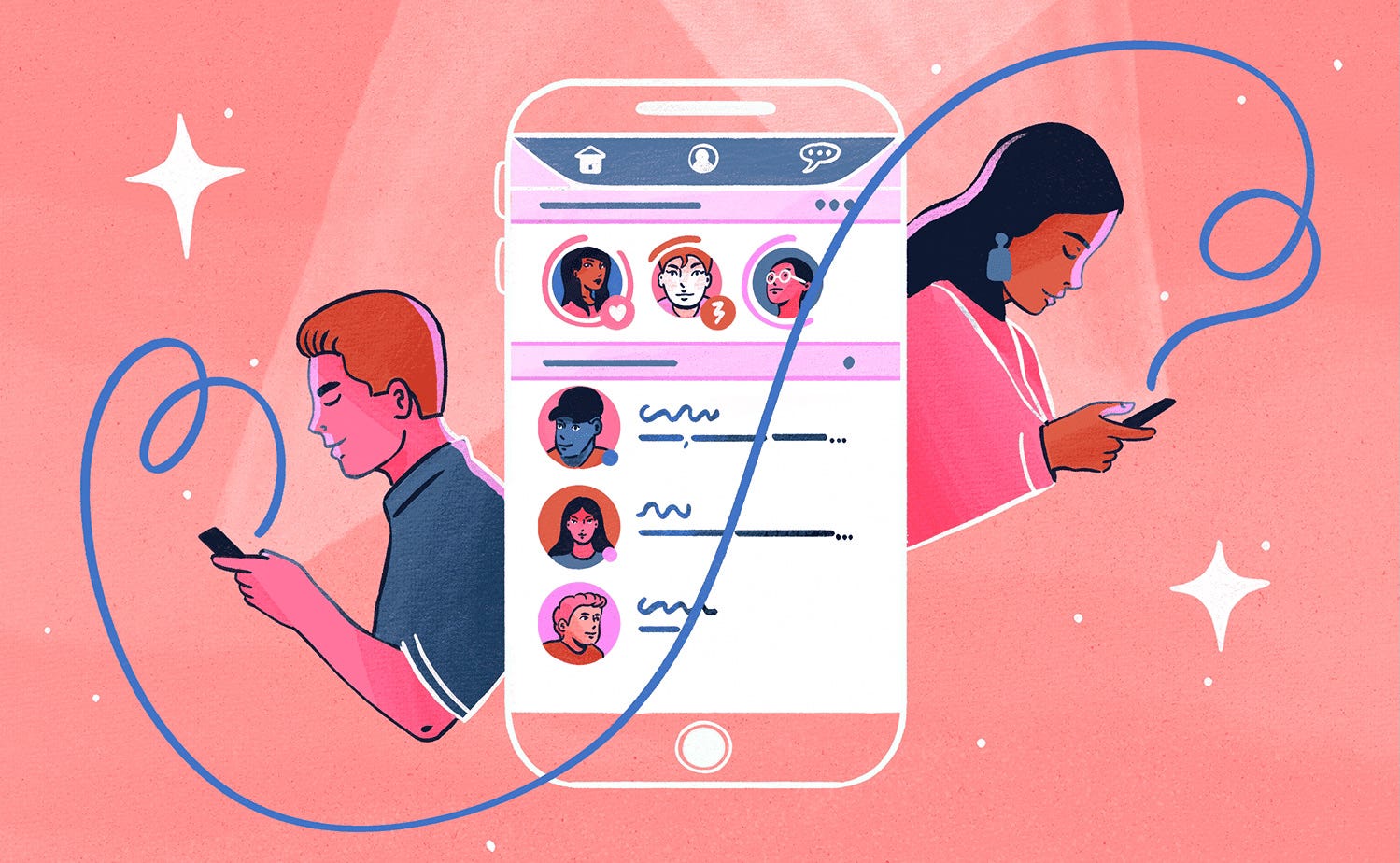
todozoo.com – In the digital age, the quest for love and companionship has taken a significant leap from the traditional meet-cutes and serendipitous encounters to the swipes and matches of dating apps. These platforms have become a ubiquitous part of modern dating culture, transforming the way people connect, communicate, and form relationships. The psychology behind this digital dating phenomenon is complex, reflecting both the evolving nature of human relationships and the psychological impacts of technology on our social interactions.

The Allure of Dating Apps

Dating apps offer a unique blend of convenience, accessibility, and choice that is unparalleled in the history of human courtship. They provide a seemingly endless pool of potential partners, allowing users to filter and select based on a multitude of criteria. This allure is rooted in the psychological principle of optimism bias, where individuals overestimate the likelihood of positive outcomes. Users often believe that the perfect match is just a swipe away, driven by the hope that the next profile might be “the one.”

Swiping for Self-Esteem

The gamified nature of dating apps, with their likes, matches, and messages, can significantly impact users’ self-esteem. Receiving matches and positive feedback can provide a temporary boost to one’s ego, akin to a dopamine hit. Conversely, a lack of matches or rejection can lead to feelings of inadequacy and low self-worth. This rollercoaster of emotions highlights the psychological vulnerability that comes with putting oneself out there in the digital dating arena.

The Paradox of Choice

While the abundance of choice on dating apps can be empowering, it also introduces the paradox of choice. With so many options available, users may find themselves in a state of analysis paralysis, struggling to make a decision or constantly second-guessing their choices. This paradox can lead to dissatisfaction and a sense of missed opportunities, as individuals wonder if there might be someone better just around the digital corner.

Building Connections in a Digital World

Despite the challenges, dating apps have facilitated connections that might never have happened in the offline world. They break down geographical barriers, connect people with similar interests and values, and provide a platform for individuals who may find face-to-face interactions intimidating. The key to building meaningful connections through these apps lies in authenticity, vulnerability, and the willingness to move beyond the superficial swipes to deeper, more substantive interactions.

The Future of Digital Dating

As technology continues to evolve, so too will the psychology of dating apps. Advances in artificial intelligence and machine learning are already enhancing matchmaking algorithms, while virtual reality and augmented reality may transform the way potential partners interact and get to know each other. The future of digital dating holds the promise of more personalized, immersive, and potentially more fulfilling experiences.

Conclusion

The psychology of dating apps is a reflection of the broader human experience in the digital age—a blend of hope, anxiety, and the relentless pursuit of connection. While these platforms offer unprecedented opportunities to meet and connect with others, they also present psychological challenges that users must navigate. Ultimately, the success of digital dating lies in the balance between leveraging technology to expand our social horizons and maintaining the human touch that is essential to forming lasting, meaningful relationships.