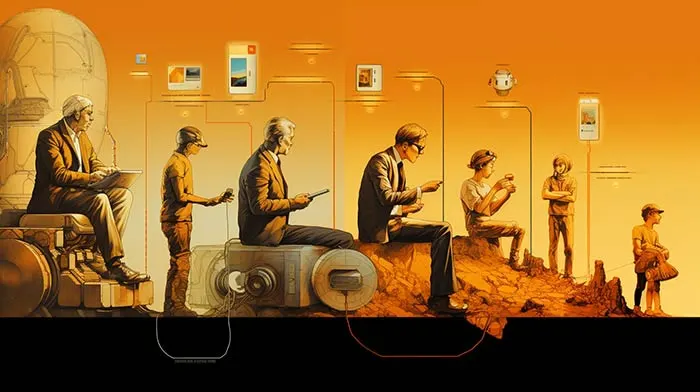
Gen X and the Digital Revolution: Adapting to Change

todozoo.com – Generation X, born between 1965 and 1980, has experienced a unique journey through the digital revolution. This generation stands at the crossroads of analog and digital worlds, having witnessed and adapted to unprecedented technological changes. This article explores how Gen X navigated the digital revolution and continues to adapt to ongoing technological advancements.

The Early Years: Analog Roots

Gen X’s early years were characterized by analog technology. They grew up with rotary phones, typewriters, and VCRs. This analog upbringing laid the foundation for their adaptability, as they transitioned from physical to digital media. Their ability to embrace change stems from a solid understanding of both worlds.

The Rise of the Internet

The advent of the internet in the 1990s was a turning point for Gen X. As young adults, they were among the first to use email and browse the World Wide Web. This generation played a crucial role in the internet’s early adoption, bridging the gap between older generations who were slower to adapt and younger generations who grew up with digital technology.

Career and Technology: A Balancing Act

For many Gen Xers, the digital revolution coincided with their professional development. They witnessed the transformation of workplaces as computers became ubiquitous. This generation learned to balance traditional work methods with new digital tools, making them versatile and resourceful employees. Their ability to navigate both worlds has made them valuable assets in the workforce.

Digital Parenting: Raising Digital Natives

As parents, Gen Xers faced the challenge of raising digital natives—children who have grown up with smartphones, tablets, and social media. They have had to adapt their parenting strategies to address issues like screen time, online safety, and digital etiquette. This has required a willingness to learn and incorporate new technologies into family life.

Continued Adaptation in the Digital Age

As technology continues to evolve, Gen X remains adaptable. They are active users of social media, online shopping, and streaming services. Many have embraced digital learning and remote work, leveraging technology to enhance their personal and professional lives. Their adaptability is a testament to their resilience and willingness to embrace change.

Conclusion

Gen X has navigated the digital revolution with a unique perspective, bridging the gap between analog and digital eras. Their adaptability and resourcefulness have enabled them to thrive amidst technological change. As technology continues to advance, Gen X will undoubtedly continue to adapt, demonstrating that change is not just something to be accepted but embraced.
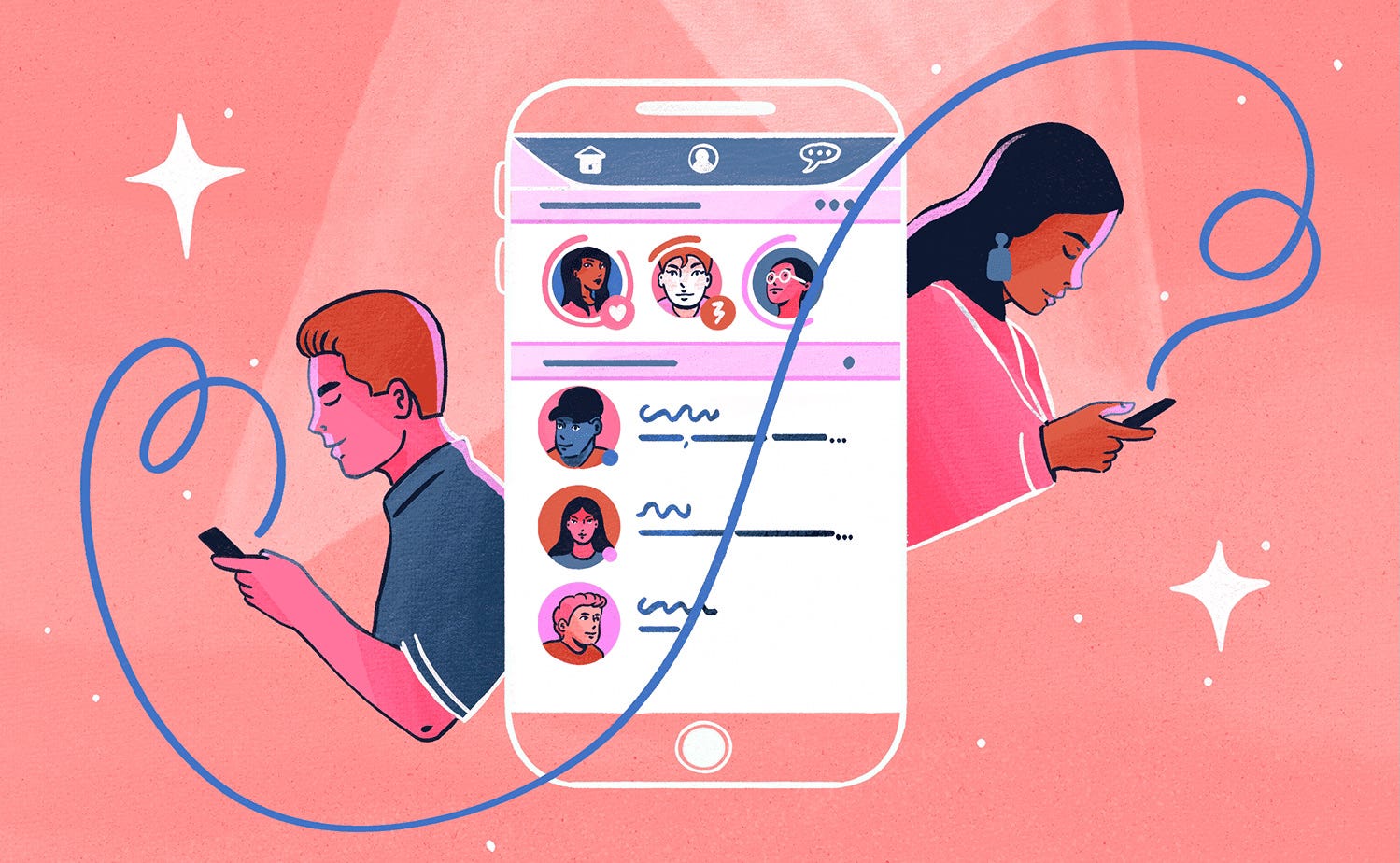
Dating App Psychology: Finding Connections in the Digital World

todozoo.com – In the digital age, the quest for love and companionship has taken a significant leap from the traditional meet-cutes and serendipitous encounters to the swipes and matches of dating apps. These platforms have become a ubiquitous part of modern dating culture, transforming the way people connect, communicate, and form relationships. The psychology behind this digital dating phenomenon is complex, reflecting both the evolving nature of human relationships and the psychological impacts of technology on our social interactions.

The Allure of Dating Apps

Dating apps offer a unique blend of convenience, accessibility, and choice that is unparalleled in the history of human courtship. They provide a seemingly endless pool of potential partners, allowing users to filter and select based on a multitude of criteria. This allure is rooted in the psychological principle of optimism bias, where individuals overestimate the likelihood of positive outcomes. Users often believe that the perfect match is just a swipe away, driven by the hope that the next profile might be “the one.”

Swiping for Self-Esteem

The gamified nature of dating apps, with their likes, matches, and messages, can significantly impact users’ self-esteem. Receiving matches and positive feedback can provide a temporary boost to one’s ego, akin to a dopamine hit. Conversely, a lack of matches or rejection can lead to feelings of inadequacy and low self-worth. This rollercoaster of emotions highlights the psychological vulnerability that comes with putting oneself out there in the digital dating arena.

The Paradox of Choice

While the abundance of choice on dating apps can be empowering, it also introduces the paradox of choice. With so many options available, users may find themselves in a state of analysis paralysis, struggling to make a decision or constantly second-guessing their choices. This paradox can lead to dissatisfaction and a sense of missed opportunities, as individuals wonder if there might be someone better just around the digital corner.

Building Connections in a Digital World

Despite the challenges, dating apps have facilitated connections that might never have happened in the offline world. They break down geographical barriers, connect people with similar interests and values, and provide a platform for individuals who may find face-to-face interactions intimidating. The key to building meaningful connections through these apps lies in authenticity, vulnerability, and the willingness to move beyond the superficial swipes to deeper, more substantive interactions.

The Future of Digital Dating

As technology continues to evolve, so too will the psychology of dating apps. Advances in artificial intelligence and machine learning are already enhancing matchmaking algorithms, while virtual reality and augmented reality may transform the way potential partners interact and get to know each other. The future of digital dating holds the promise of more personalized, immersive, and potentially more fulfilling experiences.

Conclusion

The psychology of dating apps is a reflection of the broader human experience in the digital age—a blend of hope, anxiety, and the relentless pursuit of connection. While these platforms offer unprecedented opportunities to meet and connect with others, they also present psychological challenges that users must navigate. Ultimately, the success of digital dating lies in the balance between leveraging technology to expand our social horizons and maintaining the human touch that is essential to forming lasting, meaningful relationships.