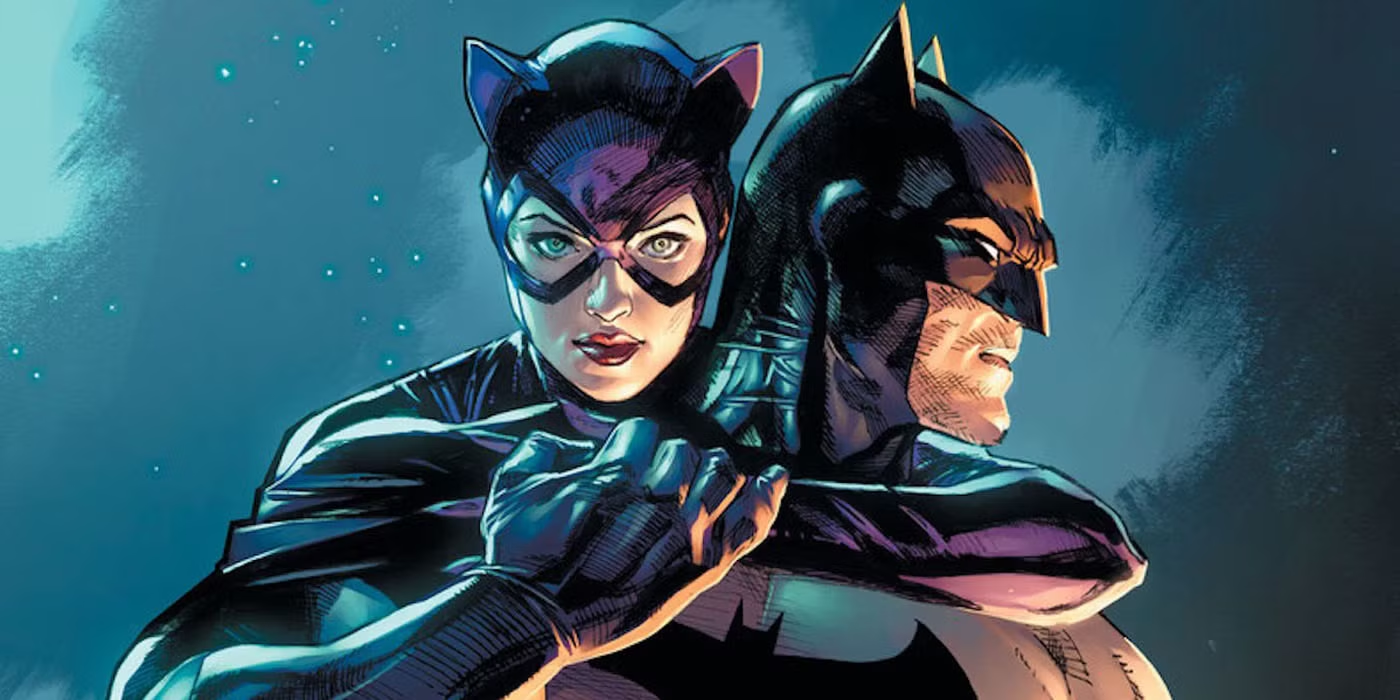
Catwoman: The Feline Femme Fatale – Origin & Evolution

todozoo.com – In the vast universe of comic book characters, few are as intriguing and multifaceted as Catwoman. Known for her sleek style, complex personality, and ambiguous morality, Catwoman, also known as Selina Kyle, has captured the imagination of fans for decades. Whether portrayed as a villain, anti-hero, or ally, Catwoman remains a fascinating figure in the world of comics.

Origin and Evolution

Catwoman made her debut in Batman #1 in 1940, created by Bob Kane and Bill Finger. Initially introduced as “The Cat,” she was a jewel thief with a penchant for disguises and a mysterious allure. Over the years, Catwoman’s character evolved, shedding her purely villainous roots to become a more nuanced and sympathetic figure. Her backstory has been reimagined several times, often depicting her as a survivor of a harsh upbringing who turns to crime out of necessity.

Character Traits and Abilities

Catwoman is renowned for her agility, acrobatic skills, and stealth, making her one of the most skilled burglars in Gotham City. Her trademark whip and claws are not just accessories but essential tools in her arsenal. Beyond her physical abilities, Catwoman is known for her sharp wit and cunning intelligence, often outsmarting her adversaries, including Batman.

The Complex Relationship with Batman

One of the most compelling aspects of Catwoman’s story is her complex relationship with Batman. Their dynamic is fraught with tension, attraction, and a mutual understanding that transcends their roles as hero and criminal. This relationship adds depth to both characters, exploring themes of trust, redemption, and the blurred lines between good and evil.

Catwoman in Popular Culture

Catwoman’s allure extends beyond the pages of comic books. She has been portrayed by numerous actresses in television and film, each bringing their unique interpretation to the character. From Julie Newmar and Eartha Kitt in the 1960s “Batman” TV series to Michelle Pfeiffer, Halle Berry, and Anne Hathaway in feature films, Catwoman’s legacy continues to evolve.

Conclusion

Catwoman: The Feline Femme Fatale is a testament to the enduring appeal of complex characters in storytelling. Her blend of strength, vulnerability, and moral ambiguity makes her a captivating figure in the Batman mythology and a symbol of empowerment and independence. As Catwoman continues to prowl the streets of Gotham, her story remains one of the most compelling in the comic book world.

From Train Sets to Cybercrime: The Evolution of Hacking

todozoo.com – Hacking, a term that has evolved significantly over the decades, originally referred to the act of modifying hardware or software to accomplish a specific task. Today, it is most commonly associated with cybercrime and the unauthorized access to computer systems. The journey from the innocuous tinkering with train sets to the sophisticated world of cyber espionage and digital theft is a fascinating one, reflecting the growth of technology and the changing nature of crime.

The Early Days: Tinkering with Technology

The roots of hacking can be traced back to the early 20th century, when the term was first used to describe the clever problem-solving skills of engineers and inventors. This era of hacking was characterized by a passion for innovation and a desire to push the boundaries of what was possible. One of the most iconic examples of early hacking was the modification of model train sets, where enthusiasts would create complex systems and intricate designs, showcasing their technical prowess and creativity.

The Advent of Computers: A New Frontier

The introduction of computers in the mid-20th century marked a significant turning point in the evolution of hacking. As technology advanced, so did the opportunities for hackers to explore and manipulate systems. The 1960s and 1970s saw the rise of the first computer hackers, who were often students or employees of universities and technology companies with access to early mainframe computers. These individuals were driven by curiosity and a desire to understand and improve the systems they worked with.

The Rise of Cybercrime

By the 1980s and 1990s, the landscape of hacking had begun to shift. The proliferation of personal computers and the advent of the internet provided new avenues for hackers to explore. Unfortunately, this period also saw the emergence of hacking as a tool for criminal activity. Cybercrime, which includes activities such as identity theft, data breaches, and the creation of malware, became a significant concern for individuals and organizations alike.

The Modern Era: Cyber Espionage and Digital Warfare

Today, hacking has reached new heights of sophistication and complexity. The rise of state-sponsored hacking groups and the increasing reliance on digital infrastructure have made cyber espionage and digital warfare a reality. High-profile incidents, such as the Stuxnet malware attack on Iran’s nuclear facilities and the SolarWinds hack, have highlighted the potential for hacking to be used as a weapon, capable of causing real-world consequences.

Conclusion

The evolution of hacking from a hobbyist’s pastime to a tool for cybercrime and digital warfare reflects the broader changes in society and technology. As we continue to advance, it is clear that the battle to secure our digital world will only become more challenging. Understanding the history of hacking is crucial for appreciating the current landscape of cybersecurity and for preparing for the threats of tomorrow.