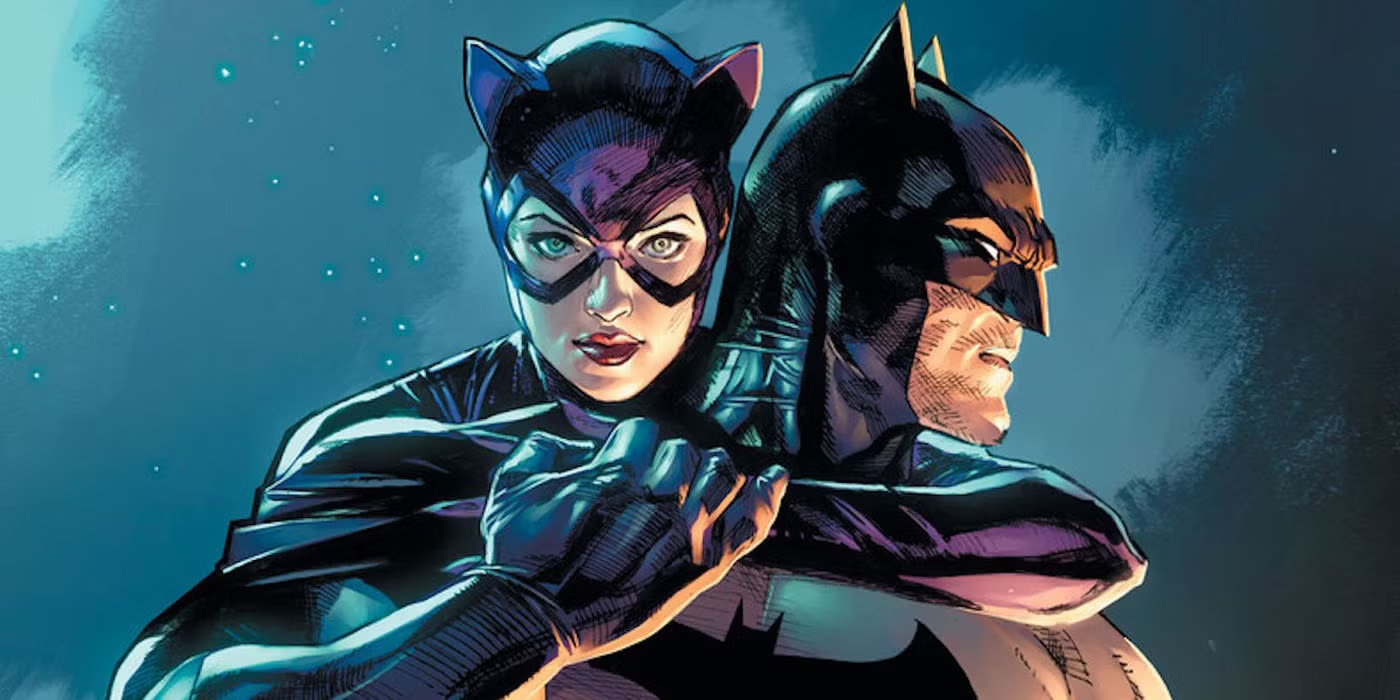
Catwoman: The Feline Femme Fatale – Origin & Evolution

todozoo.com – In the vast universe of comic book characters, few are as intriguing and multifaceted as Catwoman. Known for her sleek style, complex personality, and ambiguous morality, Catwoman, also known as Selina Kyle, has captured the imagination of fans for decades. Whether portrayed as a villain, anti-hero, or ally, Catwoman remains a fascinating figure in the world of comics.

Origin and Evolution

Catwoman made her debut in Batman #1 in 1940, created by Bob Kane and Bill Finger. Initially introduced as “The Cat,” she was a jewel thief with a penchant for disguises and a mysterious allure. Over the years, Catwoman’s character evolved, shedding her purely villainous roots to become a more nuanced and sympathetic figure. Her backstory has been reimagined several times, often depicting her as a survivor of a harsh upbringing who turns to crime out of necessity.

Character Traits and Abilities

Catwoman is renowned for her agility, acrobatic skills, and stealth, making her one of the most skilled burglars in Gotham City. Her trademark whip and claws are not just accessories but essential tools in her arsenal. Beyond her physical abilities, Catwoman is known for her sharp wit and cunning intelligence, often outsmarting her adversaries, including Batman.

The Complex Relationship with Batman

One of the most compelling aspects of Catwoman’s story is her complex relationship with Batman. Their dynamic is fraught with tension, attraction, and a mutual understanding that transcends their roles as hero and criminal. This relationship adds depth to both characters, exploring themes of trust, redemption, and the blurred lines between good and evil.

Catwoman in Popular Culture

Catwoman’s allure extends beyond the pages of comic books. She has been portrayed by numerous actresses in television and film, each bringing their unique interpretation to the character. From Julie Newmar and Eartha Kitt in the 1960s “Batman” TV series to Michelle Pfeiffer, Halle Berry, and Anne Hathaway in feature films, Catwoman’s legacy continues to evolve.

Conclusion

Catwoman: The Feline Femme Fatale is a testament to the enduring appeal of complex characters in storytelling. Her blend of strength, vulnerability, and moral ambiguity makes her a captivating figure in the Batman mythology and a symbol of empowerment and independence. As Catwoman continues to prowl the streets of Gotham, her story remains one of the most compelling in the comic book world.
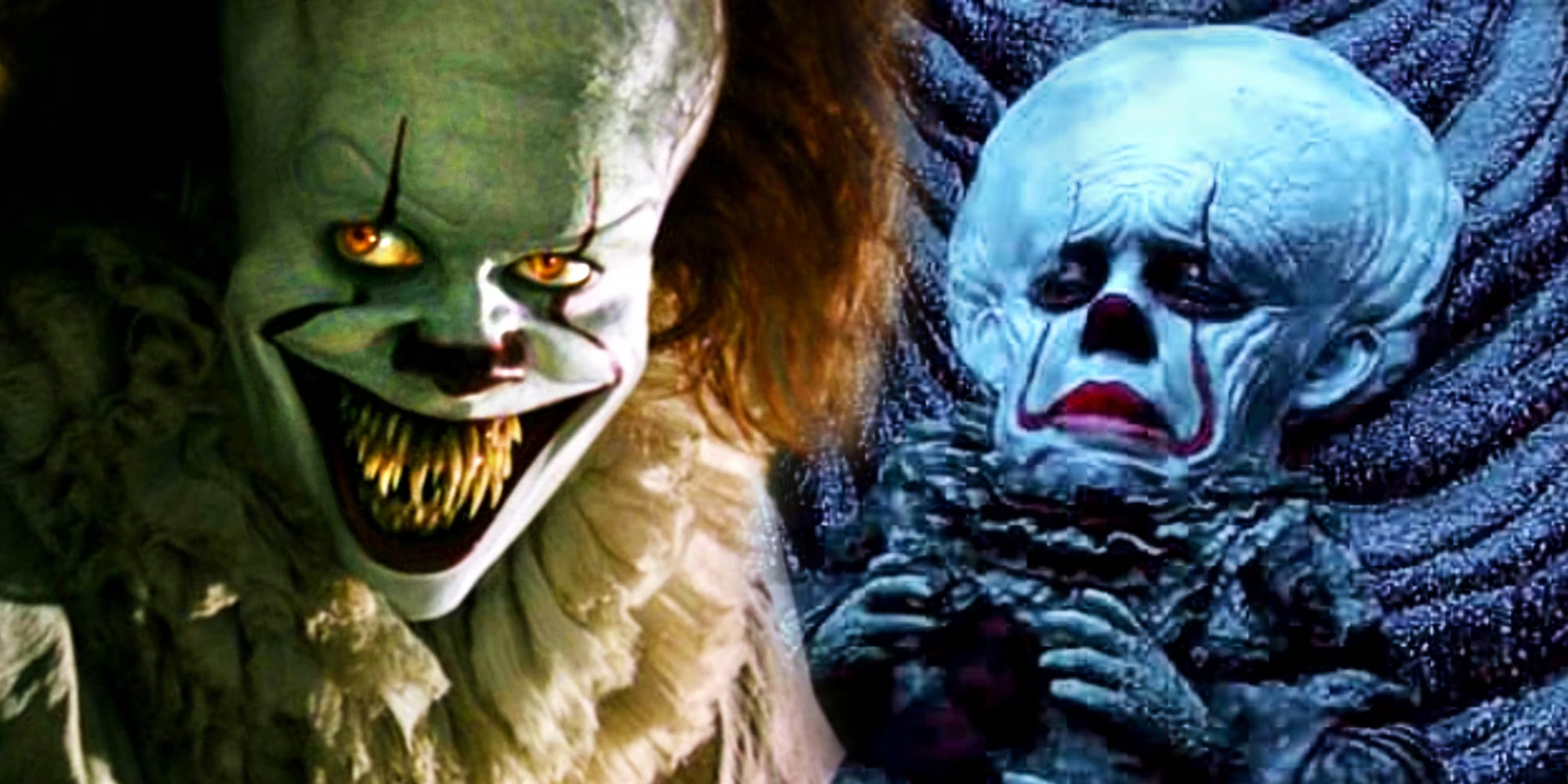
Pennywise: The Dancing Clown – Origin and Nature

todozoo.com – Pennywise, also known as “The Dancing Clown,” is a fictional character and the main antagonist in Stephen King’s horror novel “It,” published in 1986. This malevolent entity has become an iconic figure in the horror genre, terrifying readers and viewers alike with its sinister presence and haunting performances.

Origin and Nature

Pennywise is not merely a clown but a shape-shifting entity that dates back millions of years. It is an ancient cosmic force that originates from a dimension known as the “Macroverse.” Its true form is beyond human comprehension, and the clown is just one of the many guises it adopts to lure its victims, primarily children, by exploiting their deepest fears.

The Role of Pennywise in “It”

In Stephen King’s novel, Pennywise terrorizes the town of Derry, Maine, appearing every 27 years to feed on the fear of its inhabitants. It uses its ability to transform into whatever frightens its prey most, making it a master of psychological torment. The character’s most iconic form is that of a clown, which it uses to attract young children before revealing its terrifying nature.

Pennywise in Film and Media

Pennywise has been portrayed in various adaptations, most notably in the 1990 television miniseries and the more recent films “It” (2017) and “It Chapter Two” (2019). In the miniseries, Tim Curry’s portrayal of Pennywise brought a campy yet terrifying charm to the character. In contrast, Bill SkarsgĂ„rd’s interpretation in the films added a more sinister and disturbing dimension, enhancing the character’s fear factor for a new generation.

Cultural Impact

The character of Pennywise has left a significant mark on popular culture. Its image is synonymous with the fear of clowns, known as coulrophobia, and has been referenced and parodied in various media. Pennywise’s unsettling presence and unique ability to embody fear make it a staple in discussions about horror villains and psychological thrillers.

Conclusion

Pennywise, “The Dancing Clown,” continues to captivate and horrify audiences worldwide. Its ability to transform fear into a tangible and terrifying experience has solidified its status as one of literature and film’s most memorable antagonists. Whether through the pages of a book or the scenes of a movie, Pennywise eternally dances through the nightmares of those who dare to encounter it.