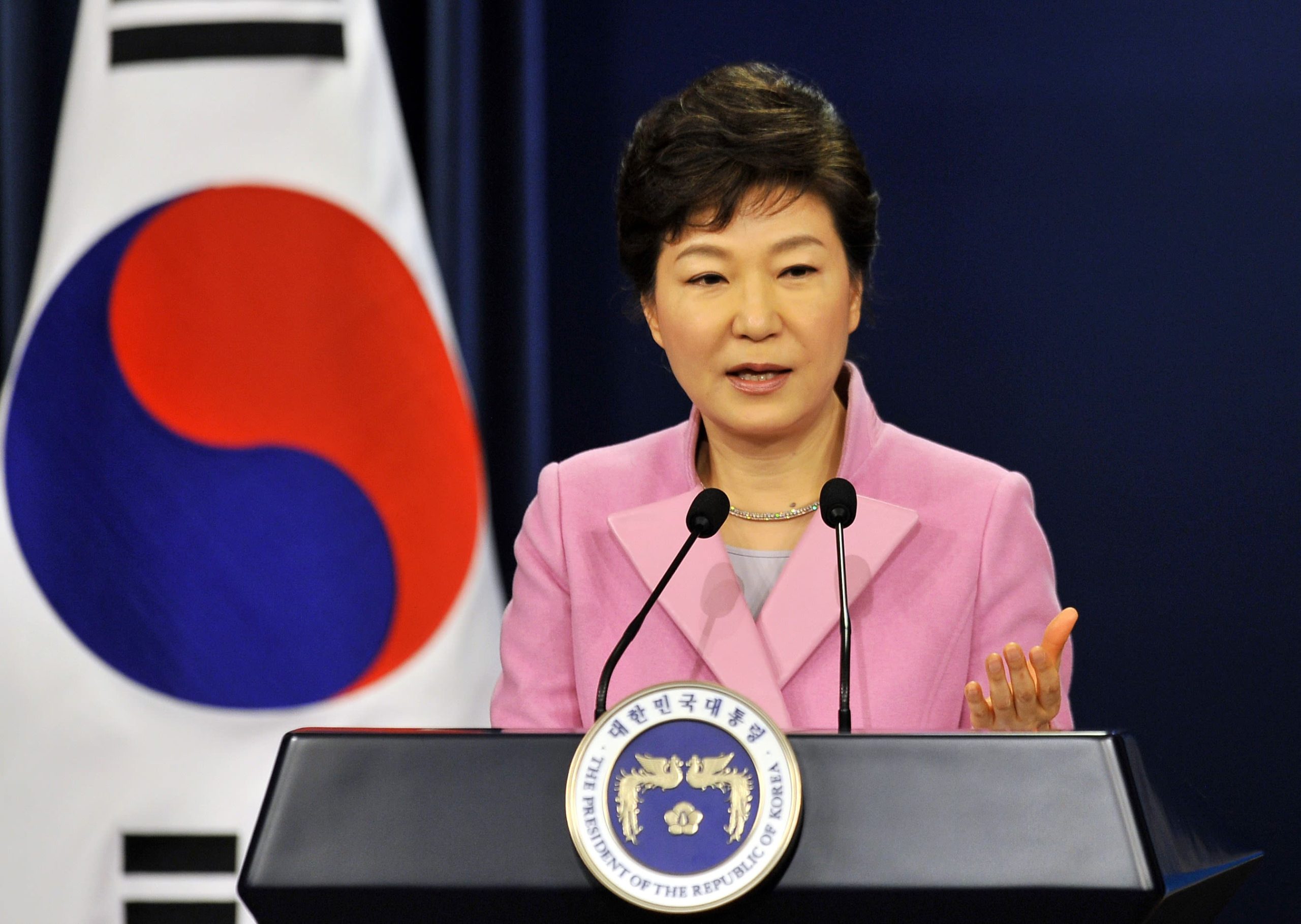
todozoo.com – Park Geun-hye, who served as the 11th President of South Korea from 2013 to 2017, made history as the first woman to hold the office in the country. Her presidency, marked by significant policy initiatives, global engagements, and an eventual dramatic downfall, was one of the most tumultuous in South Korea’s modern history. From her early political career as the daughter of former President Park Chung-hee to her rise to the presidency and subsequent impeachment, Park’s political journey was both groundbreaking and controversial.
Early Life and Political Rise: The Legacy of Park Chung-hee
Born on February 2, 1952, Park Geun-hye is the daughter of Park Chung-hee, the authoritarian leader who ruled South Korea from 1961 to 1979. Park Geun-hye’s early life was shaped by the political turbulence of her father’s regime, as well as the tragic assassination of her mother, Yuk Young-soo, in 1974. These personal tragedies, combined with the political legacy of her father, deeply influenced Park’s political career.
Park Geun-hye first entered politics in the 1990s, after spending much of her early adulthood as a businesswoman and an advocate for various charitable causes. In 1998, she was elected to the National Assembly as a member of the conservative Grand National Party (GNP), later renamed the Saenuri Party. Her rise through the ranks of South Korea’s political system was slow but steady, as she garnered support from both those loyal to her father’s legacy and those looking for a new direction in South Korean politics.
In 2012, after serving as the leader of the Saenuri Party and holding key governmental positions, Park Geun-hye ran for president and won the election, becoming South Korea’s first female head of state. Her victory marked a historical milestone for the country, but it also set the stage for a presidency filled with challenges and controversies.
Park Geun-hye’s Presidency: Ambitious Policies and Economic Reforms
When Park Geun-hye took office in 2013, she campaigned on the promise of economic revitalization, social unity, and national security. Her administration focused on several key issues that defined her presidency, including economic growth, North Korea relations, and social reform.
Economic Policy: The “Creative Economy”
Park’s administration introduced the concept of a “Creative Economy,” an initiative aimed at driving innovation, fostering entrepreneurship, and transforming South Korea’s economic landscape. The initiative sought to enhance the country’s competitiveness in technology and business by supporting start-ups and fostering greater collaboration between the public and private sectors. However, critics argued that her economic policies were overly reliant on large family-run conglomerates (chaebols) and failed to address income inequality and labor rights concerns.
Social Welfare and Reform
Park’s government also aimed to improve South Korea’s social welfare system, including efforts to expand healthcare coverage and implement greater support for working-class families. While her administration made some progress in these areas, it faced challenges due to a sluggish economy and resistance to some proposed reforms.
Foreign Policy and National Security: North Korea Tensions
Park Geun-hye’s presidency was marked by a hardline approach to North Korea. Early in her term, Park emphasized the need for denuclearization and took a firm stance against North Korea’s provocations, including its nuclear tests and missile launches. However, her administration’s attempts to engage North Korea diplomatically were met with little success, and relations with Pyongyang remained strained.
Park also sought to strengthen South Korea’s alliances with the United States and Japan, positioning the country as a key player in regional security. Her efforts to boost South Korea’s military readiness were part of a broader strategy to maintain stability on the Korean Peninsula, but this approach contributed to growing tensions with North Korea and led to diplomatic fallout with China, which viewed South Korea’s missile defense system as a threat to its own security.
The Scandal and Impeachment: The Downfall of Park Geun-hye
While Park Geun-hye’s presidency began with significant public support, her time in office was ultimately marred by a massive corruption scandal that led to her impeachment in 2016.
The scandal revolved around her close ties to Choi Soon-sil, a confidante who had no official government position but exerted significant influence over state affairs. Choi was accused of using her relationship with Park to pressure businesses for donations to foundations controlled by Choi and her associates, which allegedly benefitted her personally. The scandal, known as the Choi Soon-sil Gate, revealed that Park had been involved in providing Choi with access to government documents and decision-making processes, raising serious questions about her leadership and ethics.
Mass protests erupted across the country, with millions of South Koreans demanding Park’s resignation. In December 2016, the National Assembly voted to impeach Park, and the Constitutional Court upheld the decision in March 2017, officially removing her from office. This unprecedented move left South Korea in a state of political turmoil.
Aftermath: Legal Consequences and Legacy
Following her impeachment, Park Geun-hye faced a series of legal challenges. She was arrested and charged with abuse of power, bribery, and coercion. In 2018, Park was sentenced to 24 years in prison, later extended to 25 years, for her role in the corruption scandal. She was also ordered to pay a substantial fine.
Her impeachment and subsequent conviction shocked the South Korean public, as many had viewed her as a reform-minded leader in the early years of her presidency. Park’s fall from grace marked a significant moment in South Korea’s democratic development, as it demonstrated the country’s commitment to holding even its highest leaders accountable for wrongdoing.
Despite the controversies surrounding her presidency, Park Geun-hye’s legacy remains complex. She was the first female president of South Korea and was seen by many as a symbol of empowerment for women in a male-dominated political landscape. However, her administration’s focus on economic growth, national security, and relations with North Korea will be remembered alongside the corruption scandal that defined the final chapter of her political career.
Conclusion: A Presidency Marked by Triumph and Tragedy
Park Geun-hye’s presidency (2013–2017) was a tale of ambition, political achievement, and eventual downfall. While she initially captured the public’s imagination with her policies of economic revitalization and national security, her administration became overshadowed by scandal and controversy. Park’s legacy is marked by her pioneering role as South Korea’s first female president, but it is ultimately defined by the corruption scandal that led to her impeachment and imprisonment.
Her tenure highlights the complexities of political leadership in South Korea, where deep-rooted issues of corruption, accountability, and governance have come to the forefront in recent years. Park Geun-hye’s time in office remains a cautionary tale about the potential dangers of concentrated power and the importance of transparency in leadership.