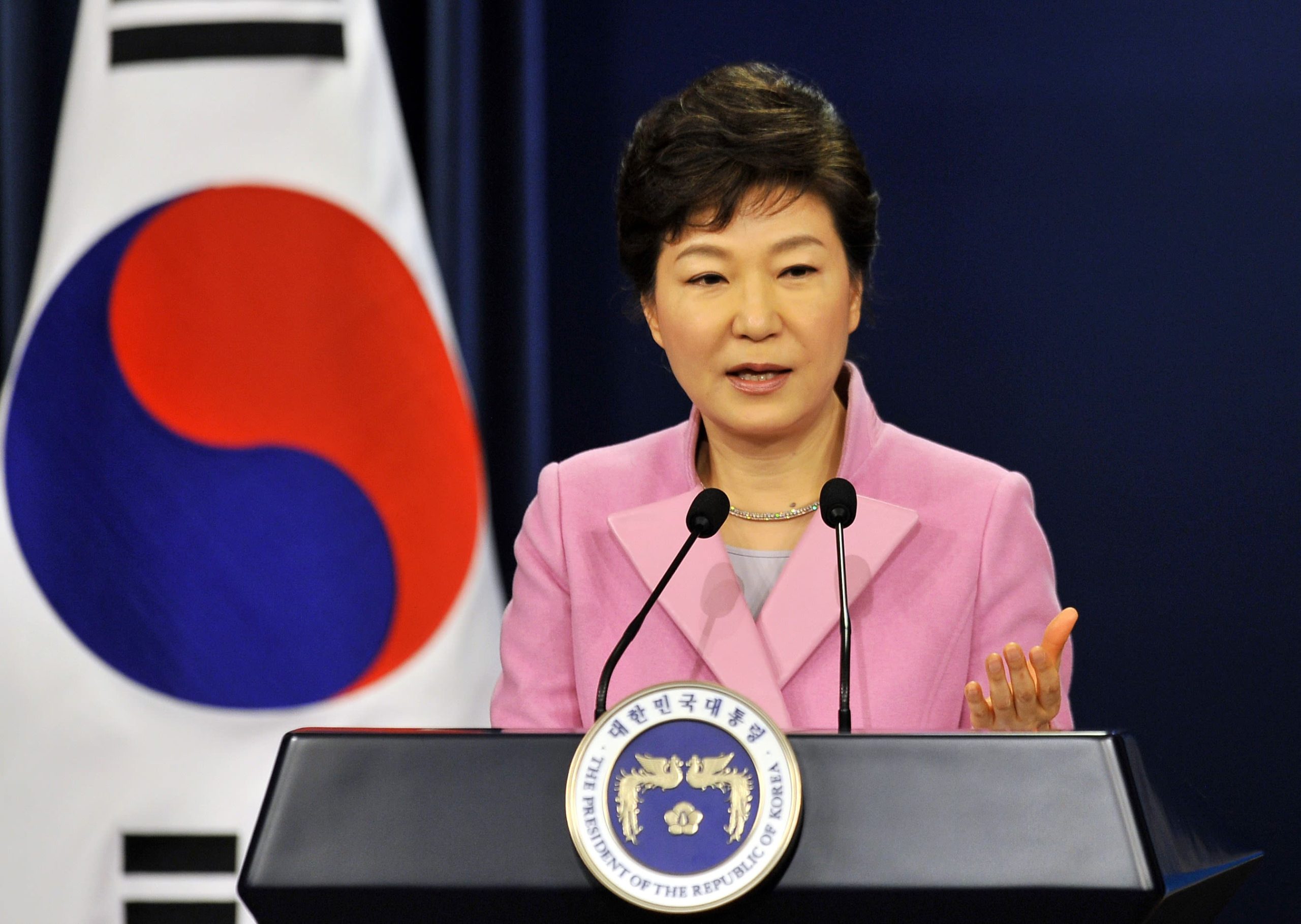
Park Geun-hye (2013–2017): South Korea’s First Female President

todozoo.com – Park Geun-hye, who served as the 11th President of South Korea from 2013 to 2017, made history as the first woman to hold the office in the country. Her presidency, marked by significant policy initiatives, global engagements, and an eventual dramatic downfall, was one of the most tumultuous in South Korea’s modern history. From her early political career as the daughter of former President Park Chung-hee to her rise to the presidency and subsequent impeachment, Park’s political journey was both groundbreaking and controversial.

Early Life and Political Rise: The Legacy of Park Chung-hee

Born on February 2, 1952, Park Geun-hye is the daughter of Park Chung-hee, the authoritarian leader who ruled South Korea from 1961 to 1979. Park Geun-hye’s early life was shaped by the political turbulence of her father’s regime, as well as the tragic assassination of her mother, Yuk Young-soo, in 1974. These personal tragedies, combined with the political legacy of her father, deeply influenced Park’s political career.

Park Geun-hye first entered politics in the 1990s, after spending much of her early adulthood as a businesswoman and an advocate for various charitable causes. In 1998, she was elected to the National Assembly as a member of the conservative Grand National Party (GNP), later renamed the Saenuri Party. Her rise through the ranks of South Korea’s political system was slow but steady, as she garnered support from both those loyal to her father’s legacy and those looking for a new direction in South Korean politics.

In 2012, after serving as the leader of the Saenuri Party and holding key governmental positions, Park Geun-hye ran for president and won the election, becoming South Korea’s first female head of state. Her victory marked a historical milestone for the country, but it also set the stage for a presidency filled with challenges and controversies.

Park Geun-hye’s Presidency: Ambitious Policies and Economic Reforms

When Park Geun-hye took office in 2013, she campaigned on the promise of economic revitalization, social unity, and national security. Her administration focused on several key issues that defined her presidency, including economic growth, North Korea relations, and social reform.

Economic Policy: The “Creative Economy”

Park’s administration introduced the concept of a “Creative Economy,” an initiative aimed at driving innovation, fostering entrepreneurship, and transforming South Korea’s economic landscape. The initiative sought to enhance the country’s competitiveness in technology and business by supporting start-ups and fostering greater collaboration between the public and private sectors. However, critics argued that her economic policies were overly reliant on large family-run conglomerates (chaebols) and failed to address income inequality and labor rights concerns.

Social Welfare and Reform

Park’s government also aimed to improve South Korea’s social welfare system, including efforts to expand healthcare coverage and implement greater support for working-class families. While her administration made some progress in these areas, it faced challenges due to a sluggish economy and resistance to some proposed reforms.

Foreign Policy and National Security: North Korea Tensions

Park Geun-hye’s presidency was marked by a hardline approach to North Korea. Early in her term, Park emphasized the need for denuclearization and took a firm stance against North Korea’s provocations, including its nuclear tests and missile launches. However, her administration’s attempts to engage North Korea diplomatically were met with little success, and relations with Pyongyang remained strained.

Park also sought to strengthen South Korea’s alliances with the United States and Japan, positioning the country as a key player in regional security. Her efforts to boost South Korea’s military readiness were part of a broader strategy to maintain stability on the Korean Peninsula, but this approach contributed to growing tensions with North Korea and led to diplomatic fallout with China, which viewed South Korea’s missile defense system as a threat to its own security.

The Scandal and Impeachment: The Downfall of Park Geun-hye

While Park Geun-hye’s presidency began with significant public support, her time in office was ultimately marred by a massive corruption scandal that led to her impeachment in 2016.

The scandal revolved around her close ties to Choi Soon-sil, a confidante who had no official government position but exerted significant influence over state affairs. Choi was accused of using her relationship with Park to pressure businesses for donations to foundations controlled by Choi and her associates, which allegedly benefitted her personally. The scandal, known as the Choi Soon-sil Gate, revealed that Park had been involved in providing Choi with access to government documents and decision-making processes, raising serious questions about her leadership and ethics.

Mass protests erupted across the country, with millions of South Koreans demanding Park’s resignation. In December 2016, the National Assembly voted to impeach Park, and the Constitutional Court upheld the decision in March 2017, officially removing her from office. This unprecedented move left South Korea in a state of political turmoil.

Aftermath: Legal Consequences and Legacy

Following her impeachment, Park Geun-hye faced a series of legal challenges. She was arrested and charged with abuse of power, bribery, and coercion. In 2018, Park was sentenced to 24 years in prison, later extended to 25 years, for her role in the corruption scandal. She was also ordered to pay a substantial fine.

Her impeachment and subsequent conviction shocked the South Korean public, as many had viewed her as a reform-minded leader in the early years of her presidency. Park’s fall from grace marked a significant moment in South Korea’s democratic development, as it demonstrated the country’s commitment to holding even its highest leaders accountable for wrongdoing.

Despite the controversies surrounding her presidency, Park Geun-hye’s legacy remains complex. She was the first female president of South Korea and was seen by many as a symbol of empowerment for women in a male-dominated political landscape. However, her administration’s focus on economic growth, national security, and relations with North Korea will be remembered alongside the corruption scandal that defined the final chapter of her political career.

Conclusion: A Presidency Marked by Triumph and Tragedy

Park Geun-hye’s presidency (2013–2017) was a tale of ambition, political achievement, and eventual downfall. While she initially captured the public’s imagination with her policies of economic revitalization and national security, her administration became overshadowed by scandal and controversy. Park’s legacy is marked by her pioneering role as South Korea’s first female president, but it is ultimately defined by the corruption scandal that led to her impeachment and imprisonment.

Her tenure highlights the complexities of political leadership in South Korea, where deep-rooted issues of corruption, accountability, and governance have come to the forefront in recent years. Park Geun-hye’s time in office remains a cautionary tale about the potential dangers of concentrated power and the importance of transparency in leadership.
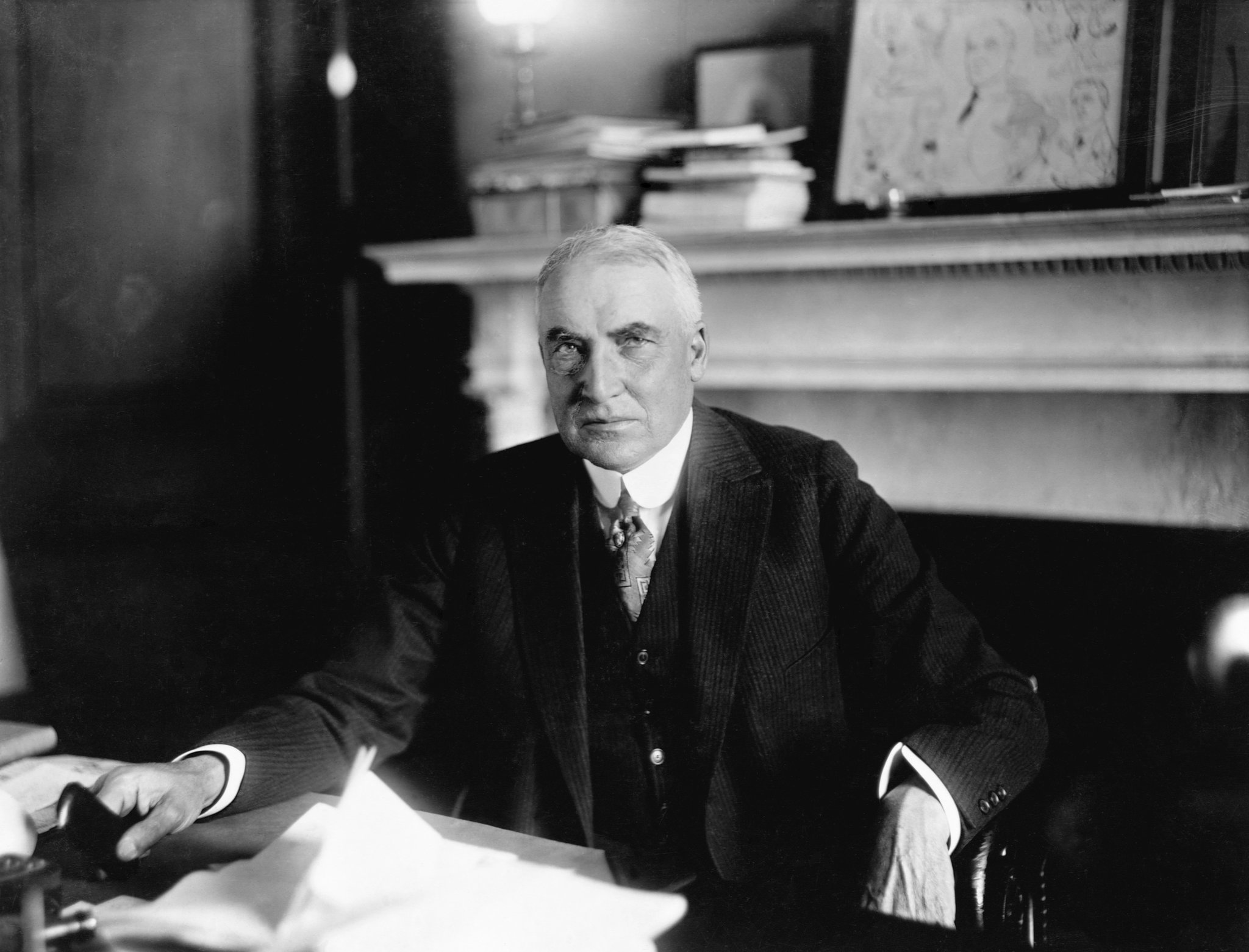
Warren G. Harding: The 29th President of America (1921–1923)

todozoo.com – Warren G. Harding, the 29th President of the United States, served from 1921 until his sudden death in 1923. Harding’s presidency, though brief, was a time of significant political and economic change. While his administration is often remembered for its scandals, Harding was also known for advocating a return to normalcy after the turmoil of World War I and the progressive era. His leadership style and political decisions set the stage for the roaring 1920s, a period of rapid economic growth and cultural change.

Early Life and Political Career

Warren Gamaliel Harding was born on November 2, 1865, in Blooming Grove, Ohio. Harding came from humble beginnings but eventually became a successful businessman, owning a newspaper, the Marion Star, which he used as a platform to advance his political ambitions. Known for his affable nature and ability to connect with people, Harding was a popular figure in Ohio politics.

Harding’s political career began in the Ohio State Senate, where he served from 1900 to 1904. He later became lieutenant governor of Ohio from 1904 to 1906. In 1914, Harding was elected to the U.S. Senate, where he served until his election as president. During his time in the Senate, Harding was known for his conservative views and opposition to government intervention in business.

Harding’s presidential campaign in 1920 was marked by his promise to return the country to “normalcy” after the disruptions of World War I and the progressive reforms of the previous administration under Woodrow Wilson. His campaign resonated with a public weary from the war and the social upheaval of the 1910s.

The Presidency: 1921–1923

Harding’s presidency began with a call for a return to stability and normalcy. He focused on policies that were pro-business, conservative, and aimed at reducing the government’s involvement in the economy. Despite his charm and political skill, Harding’s administration was plagued by corruption and scandal, with several members of his cabinet involved in criminal activities.

Domestic Policy: Economic Prosperity and Pro-Business Agenda

Upon taking office, Harding prioritized economic recovery following the end of World War I. He implemented policies aimed at reducing taxes and easing the financial burden on businesses. Harding supported a return to pre-war economic policies, believing that the government should stay out of the way of business and let the economy heal naturally.

  • Tax Cuts and Tariffs: One of Harding’s significant domestic initiatives was the reduction of taxes, which he argued would stimulate the economy. In 1921, Congress passed the Revenue Act, which lowered income taxes on individuals and businesses. Harding also supported the Fordney-McCumber Tariff Act of 1922, which raised tariffs on foreign goods to protect American industries from international competition.
  • Economic Growth and the Roaring Twenties: Under Harding’s leadership, the U.S. economy experienced significant growth. The country shifted into a period of prosperity marked by increased industrial production, consumer spending, and technological innovation. While Harding did not live long enough to see the full impact of this economic boom, his policies of tax cuts and limited government intervention laid the groundwork for the economic expansion that defined the 1920s.

Foreign Policy: Isolationism and Disarmament

Harding’s foreign policy was characterized by a desire to limit American involvement in international affairs. His administration favored isolationism, seeking to avoid the entanglements of European conflicts and alliances. However, Harding did play a role in addressing global issues, most notably through efforts at arms control and international cooperation.

  • Washington Naval Conference (1921–1922): One of Harding’s most significant foreign policy achievements was the Washington Naval Conference, which he hosted in 1921. The conference aimed to prevent a naval arms race and promote disarmament among the major world powers. The resulting treaties, including the Four-Power Treaty, the Five-Power Naval Treaty, and the Nine-Power Treaty, sought to limit naval expansion and promote peace in the Pacific region.
  • Policy of Isolationism: While Harding promoted disarmament, his overall foreign policy leaned toward isolationism, a stance that became more pronounced after the war. Harding’s administration was reluctant to join the League of Nations, and he worked to reduce the U.S. role in international conflicts.

Scandals and Corruption

Despite Harding’s political skill and his ability to connect with the American public, his presidency is often remembered for its scandals. Several members of Harding’s administration were involved in corrupt activities, most notably the Teapot Dome Scandal, which would come to define his legacy in a negative light.

  • Teapot Dome Scandal: The Teapot Dome Scandal involved the illegal leasing of federal oil reserves to private companies in exchange for bribes. Albert Fall, Harding’s Secretary of the Interior, was at the center of the scandal and was eventually convicted of bribery. The scandal tarnished Harding’s reputation and led to public disillusionment with his administration.
  • Other Scandals: Harding’s administration was also marred by other instances of corruption, including the involvement of his appointees in various fraudulent schemes. The “Ohio Gang,” a group of Harding’s friends and political allies, was notorious for using their positions in the government for personal gain.

Despite Harding’s unawareness or possible naivety about the extent of corruption within his administration, the scandals had a lasting impact on his legacy and were a major reason for the decline of public trust in the federal government during his time in office.

Harding’s Health and Sudden Death

Harding’s presidency was cut short by his sudden death on August 2, 1923, while on a tour of the West Coast. He had been in poor health throughout his time in office, and it is believed that his death was caused by a heart attack, although some theories suggest that it may have been brought on by the stress of the scandals surrounding his administration.

Harding’s death was met with an outpouring of public grief, but it also marked the beginning of a reassessment of his presidency. His vice president, Calvin Coolidge, succeeded him in office and went on to become one of the most admired presidents of the 1920s, bringing stability to the nation after Harding’s tumultuous term.

Legacy

Warren G. Harding’s legacy is complex. While he oversaw an economic boom and contributed to efforts at international disarmament, his presidency was marred by corruption and scandal, most notably the Teapot Dome Scandal. Harding’s pro-business policies and his promotion of tax cuts and tariffs helped to stimulate the U.S. economy, laying the groundwork for the prosperity of the 1920s. However, the scandals that emerged during his time in office overshadowed many of his achievements.

Though Harding is often ranked among the least successful U.S. presidents due to the corruption within his administration, his presidency also served as a precursor to the economic and cultural changes of the 1920s. Harding’s emphasis on returning to normalcy and his pro-business stance reflected the broader desire in America to leave behind the struggles of the Progressive Era and World War I.

In the years following his death, Harding’s reputation was further tarnished by the revelations of corruption, yet his personal charisma and political achievements, particularly in foreign policy and economic growth, have contributed to a more nuanced view of his time in office. While Harding’s presidency was brief and overshadowed by scandal, it remains an important chapter in the history of early 20th-century America.