
The Passion Fruit: A Tropical Treasure – Health Benefits

todozoo.com – The passion fruit, a vibrant and exotic fruit, is renowned for its intense, tropical flavor and numerous health benefits. Native to South America, this vine-grown fruit has spread to various tropical and subtropical regions worldwide. With its striking appearance and unique taste, the passion fruit has captured the hearts of many.

A Nutritional Powerhouse

Beyond its deliciousness, the passion fruit is a nutritional powerhouse, packed with essential vitamins, minerals, and antioxidants. Some of the key nutrients found in passion fruit include:   

  • Vitamin C: A potent antioxidant that boosts immunity and promotes skin health.
  • Vitamin A: Essential for good vision and overall eye health.
  • Potassium: Important for regulating blood pressure and heart health.
  • Iron: Crucial for oxygen transport in the blood.
  • Fiber: Essential for digestive health and maintaining satiety.

Health Benefits of Passion Fruit

The impressive nutritional profile of passion fruit offers a wide range of potential health benefits:

  1. Boosts Immunity: The high levels of vitamin C in passion fruit can help strengthen the immune system, protecting the body against infections and diseases.
  2. Promotes Digestive Health: The fiber content of passion fruit aids digestion, preventing constipation and promoting regular bowel movements.
  3. Supports Heart Health: The potassium content of passion fruit helps regulate blood pressure, reducing the risk of heart disease. Additionally, the antioxidants in the fruit can help protect the heart from oxidative damage.
  4. Aids in Weight Management: The fiber content of passion fruit can help you feel fuller for longer, reducing your overall calorie intake.
  5. Promotes Skin Health: The antioxidants in passion fruit can help protect the skin from damage caused by free radicals, promoting a youthful and radiant complexion.

How to Enjoy Passion Fruit

Passion fruit can be enjoyed in various ways:

  • Fresh: Cut the fruit in half and scoop out the seeds and pulp. The pulp can be eaten directly or added to yogurt, smoothies, or fruit salads.
  • Juice: Passion fruit juice is a refreshing and healthy beverage. It can be enjoyed on its own or mixed with other juices, such as orange or pineapple.
  • Cooking: Passion fruit can be used to add a burst of flavor to desserts, sauces, and cocktails.

Conclusion

The passion fruit, with its vibrant color, intense flavor, and impressive nutritional profile, is a truly remarkable fruit. Whether you enjoy it fresh, juiced, or cooked, the passion fruit is a delicious and healthy addition to any diet.
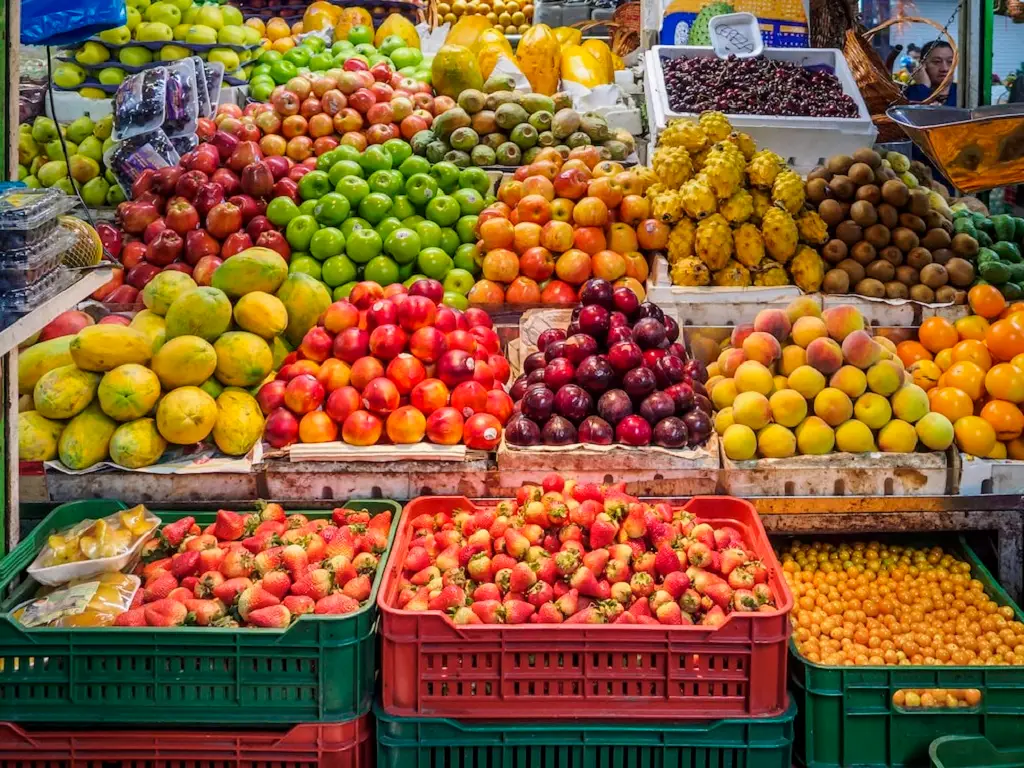
The Economic Value of Wild Fruits: Markets & Trade

todozoo.com – Wild fruits have long been a source of sustenance and income for rural communities around the world. In recent years, the economic value of these fruits has grown significantly, both in local and international markets. This article explores the current state of the wild fruit market, highlighting key trends and the economic contributions of these products.

Global Market Trends

The global market for wild fruits is robust, with significant trade volumes and values. For instance, the legal and sustainable trade of wild species generates an annual revenue of $220 billion, a figure that has grown by 500% since 2005. This growth is attributed to increasing demand from consumers who value the nutritional and ecological benefits of wild fruits.

Regional Markets

In the United States, the value of wild fruits such as blueberries and strawberries has seen substantial growth. The value of fresh and processed Maine blueberries increased from $28.6 million in 2020 to $80.3 million in 2022, driven by a significant increase in demand. Similarly, strawberries account for 5% of the total fruit production value in the U.S., with annual farm gate sales exceeding $2 billion.

Economic Contributions

Wild fruits contribute significantly to the income of rural communities. In many regions, the sale of wild fruits is a primary source of income for local families. For example, the economic value of traded forest products, including wild fruits, is directly linked to the socio-economic profile of sellers, indicating a substantial contribution to local economies.

Value Addition and Processing

To enhance their economic value, wild fruits are increasingly being processed into value-added products. Tribal communities are adapting to modern market demands by processing wild edible plants into food items that are more appealing to consumers. This trend is also seen in the development of new products from wild fruits, such as jams, juices, and nutraceuticals, which command higher prices in the market.

Conservation and Sustainability

The economic value of wild fruits also supports conservation efforts. Sustainable trade practices ensure that these resources are harvested responsibly, preserving biodiversity and the ecological balance of natural habitats. This approach not only benefits the environment but also ensures the long-term viability of the wild fruit market.

Conclusion

The economic value of wild fruits is a testament to their importance in both local and global markets. As demand continues to grow, so too does the need for sustainable harvesting practices and innovative processing techniques. By understanding and supporting these markets, consumers can contribute to the economic well-being of rural communities and the conservation of natural resources.