
The Ascendancy of Japanese Films in the Global Market

todozoo.com – In the year 2024, Japanese films have experienced a significant surge in popularity and success on the global stage, marking a pivotal moment in the international film industry. This article explores the key factors contributing to this rise and the impact it has had on the global market.

Box Office Success and Market Share

Japan’s box office performance in 2024 was robust, with a notable 4 percent increase from the previous year, reaching a post-pandemic high of $1.5 billion. This growth reflects a strong recovery and the resilience of the Japanese film industry. Japanese movies accounted for 66.9 percent of the box office gross receipts in Japan, indicating a strong domestic market presence.

Global Recognition and Awards

The success of Japanese films in the United States has been particularly noteworthy. Films like “Godzilla Minus One” and “Kimitachi wa Do Ikiruka” (“The Boy and the Heron”) have not only performed well at the box office but have also secured prestigious awards, further boosting the international appeal of Japanese cinema.

Animation and Live-Action Contributions

The Japanese film market is characterized by a strong emphasis on animation, which continues to be a significant driver of the industry. Animation films have dominated the top spots in the box office, showcasing the enduring appeal and influence of Japanese animation on a global scale. Additionally, live-action adaptations of popular manga series, such as Toei’s adaptation of “Oshi No Ko,” have also contributed to the industry’s growth.

Industry Initiatives and Tax Incentives

Japan has introduced new film tax incentives to attract international filmmakers, aiming to further enhance its status as a global production hub. This initiative is part of a broader strategy to support the production of high-quality films and to increase the international visibility of Japanese cinema.

Market Dynamics and Future Prospects

The Japanese film industry is not only recovering from the impacts of the pandemic but is also actively seeking to expand its global footprint. Companies like K2 Pictures Inc. are raising funds to produce the next global movie hit, indicating a strong commitment to international growth. The industry’s focus on original content and innovative storytelling is expected to continue driving its success in the global market.

Conclusion

The rise of Japanese films in the global market in 2024 is a testament to the industry’s resilience, creativity, and strategic initiatives. With a strong domestic market, global recognition, and innovative approaches to production, Japan is poised to maintain its position as a leading force in the international film industry. The future looks bright for Japanese cinema, with continued growth and expansion expected in the coming years.
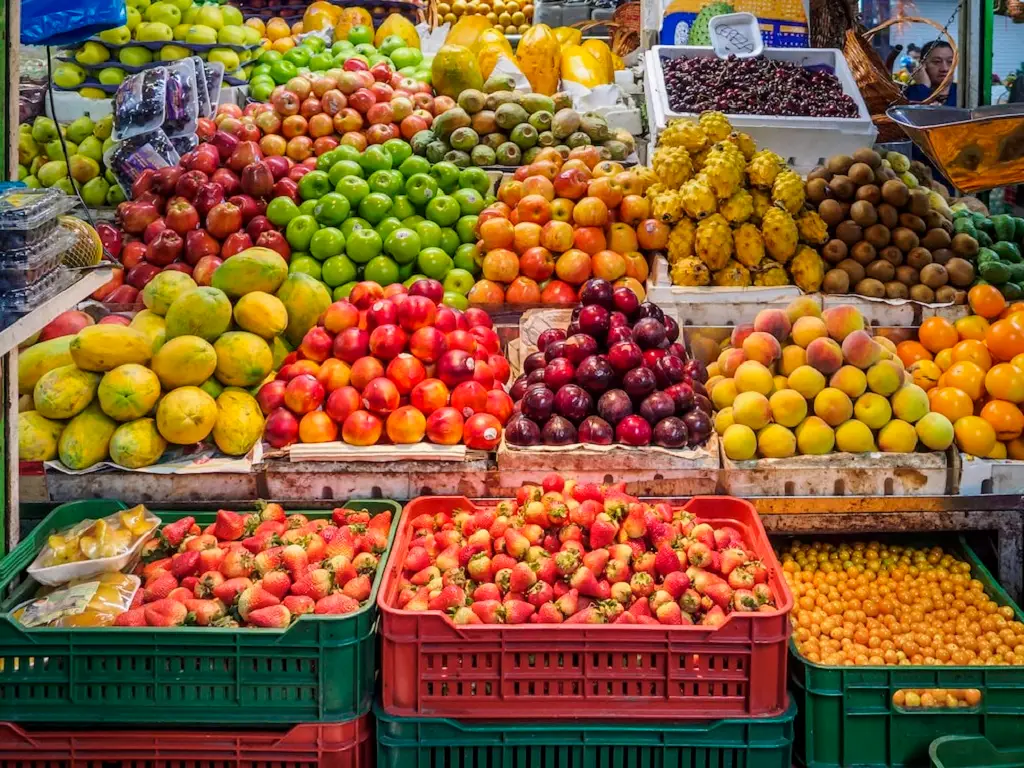

The Economic Value of Wild Fruits: Markets & Trade

todozoo.com – Wild fruits have long been a source of sustenance and income for rural communities around the world. In recent years, the economic value of these fruits has grown significantly, both in local and international markets. This article explores the current state of the wild fruit market, highlighting key trends and the economic contributions of these products.

Global Market Trends

The global market for wild fruits is robust, with significant trade volumes and values. For instance, the legal and sustainable trade of wild species generates an annual revenue of $220 billion, a figure that has grown by 500% since 2005. This growth is attributed to increasing demand from consumers who value the nutritional and ecological benefits of wild fruits.

Regional Markets

In the United States, the value of wild fruits such as blueberries and strawberries has seen substantial growth. The value of fresh and processed Maine blueberries increased from $28.6 million in 2020 to $80.3 million in 2022, driven by a significant increase in demand. Similarly, strawberries account for 5% of the total fruit production value in the U.S., with annual farm gate sales exceeding $2 billion.

Economic Contributions

Wild fruits contribute significantly to the income of rural communities. In many regions, the sale of wild fruits is a primary source of income for local families. For example, the economic value of traded forest products, including wild fruits, is directly linked to the socio-economic profile of sellers, indicating a substantial contribution to local economies.

Value Addition and Processing

To enhance their economic value, wild fruits are increasingly being processed into value-added products. Tribal communities are adapting to modern market demands by processing wild edible plants into food items that are more appealing to consumers. This trend is also seen in the development of new products from wild fruits, such as jams, juices, and nutraceuticals, which command higher prices in the market.

Conservation and Sustainability

The economic value of wild fruits also supports conservation efforts. Sustainable trade practices ensure that these resources are harvested responsibly, preserving biodiversity and the ecological balance of natural habitats. This approach not only benefits the environment but also ensures the long-term viability of the wild fruit market.

Conclusion

The economic value of wild fruits is a testament to their importance in both local and global markets. As demand continues to grow, so too does the need for sustainable harvesting practices and innovative processing techniques. By understanding and supporting these markets, consumers can contribute to the economic well-being of rural communities and the conservation of natural resources.

An Emerging Market on the Global Stage: Djibouti Stock Exchange

todozoo.com – The Djibouti Stock Exchange (DSE) stands as a testament to the growing economic potential of the Horn of Africa. Established with the aim of fostering economic development and providing a platform for capital mobilization, the DSE has been instrumental in attracting both local and foreign investors to the region. This article delves into the emergence of the Djibouti Stock Exchange as a key player in the global financial market landscape.

The Establishment of the Djibouti Stock Exchange

The DSE was officially inaugurated in 2006, marking a significant milestone in Djibouti’s efforts to modernize its financial sector. The exchange was created to facilitate the trading of securities, including stocks and bonds, and to encourage the growth of a diversified economy. The establishment of the DSE was a strategic move to position Djibouti as a regional financial hub, leveraging its strategic geographical location at the crossroads of Africa, Asia, and the Middle East.

Infrastructure and Regulatory Framework

To ensure transparency and investor confidence, the DSE operates under a robust regulatory framework overseen by the Djibouti Financial Market Authority. The exchange has also invested in advanced trading technologies, providing a reliable and efficient platform for trading activities. These measures have helped to attract a growing number of companies looking to list their shares and access capital.

Market Performance and Growth

Since its inception, the DSE has experienced steady growth, with an increasing number of companies listing on the exchange. The market capitalization has expanded, reflecting the growing interest from investors and the broader economic development of Djibouti. The exchange has also seen the introduction of various financial instruments, diversifying the investment options available to market participants.

Challenges and Opportunities

Despite its progress, the DSE faces several challenges typical of emerging markets, including liquidity constraints and the need for a broader investor base. However, the government’s commitment to economic reforms and the strategic location of Djibouti present significant opportunities for further development. The exchange is well-positioned to capitalize on the growing interest in African markets and the increasing integration of the Horn of Africa into the global economy.

Conclusion

The Djibouti Stock Exchange represents a promising emerging market with the potential to play a pivotal role in the economic development of Djibouti and the broader region. As the exchange continues to mature and attract investment, it will undoubtedly contribute to the diversification and strengthening of the national economy. With a focus on innovation, regulatory improvements, and market expansion, the DSE is poised to become a leading financial center in the Horn of Africa, offering exciting opportunities for investors looking to tap into the continent’s growth potential.