The Sound of Music: A Timeless Tale of Love and Music

todozoo.com – The Sound of Music, a beloved musical film released in 1965, has captured the hearts of audiences worldwide for decades. At its core lies the enchanting character of Maria Rainer, a young novice nun who brings joy, music, and love into the lives of the stern Captain Georg von Trapp and his seven children.   

Maria, played by the iconic Julie Andrews, is a free-spirited and vivacious woman who struggles to conform to the strict rules of convent life. Her love for music and nature often leads her to wander the hills surrounding Nonnberg Abbey, where she finds solace and inspiration.   

A New Chapter Begins

Recognizing Maria’s unique spirit, the Mother Abbess decides to send her to the von Trapp villa to serve as a governess for the Captain’s seven children. The children, initially resistant to the idea of a new governess, are soon won over by Maria’s warm and playful nature.   

Maria’s arrival transforms the once rigid and disciplined household into a place filled with laughter, music, and love. She introduces the children to the joy of singing and dancing, encouraging them to express themselves freely. Through her gentle guidance and unwavering belief in their potential, Maria helps the children to overcome their fears and insecurities.   

A Blossoming Romance

As Maria grows closer to the von Trapp family, she also develops a deep affection for the stern but kind-hearted Captain Georg von Trapp. Their relationship blossoms amidst the stunning backdrop of the Austrian Alps, and they soon fall in love.   

Their love story is a central theme of the film, highlighting the power of human connection and the transformative nature of love. Maria’s influence on the Captain is profound, softening his heart and reawakening his passion for life.

A Family United

The von Trapp family faces a significant challenge when the Nazi regime takes control of Austria. The Captain, a decorated war hero, refuses to serve in the German army, leading to a dangerous confrontation with the authorities.   

Maria and the von Trapps must make a perilous escape from their homeland, seeking refuge in Switzerland. Their journey is filled with suspense and danger, but they remain united by their love for each other and their unwavering faith.

A Legacy of Music and Hope

The Sound of Music is more than just a romantic love story; it is a celebration of family, music, and the enduring power of hope. The film’s iconic songs, such as “Do-Re-Mi,” “My Favorite Things,” and “Edelweiss,” have become timeless classics, captivating audiences of all ages.
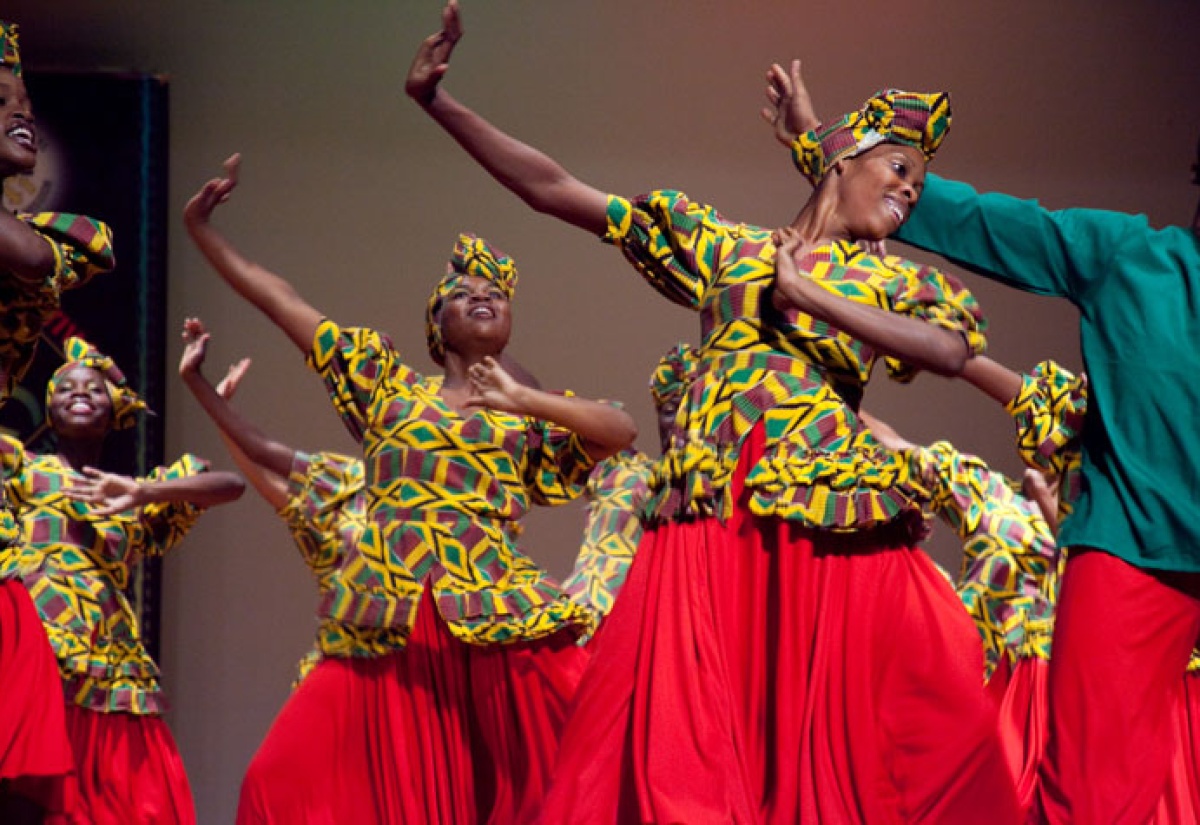

Jamaica: A Cultural Journey Through Music & Dance

todozoo.com – Jamaica, an island nation in the Caribbean, is renowned for its vibrant culture that pulsates with the rhythms of music and dance. The island’s cultural journey is intricately woven into the fabric of its society, with music and dance serving as the heartbeat of Jamaican life. From the bustling streets of Kingston to the serene beaches of Montego Bay, the sounds of reggae, ska, dancehall, and mento fill the air, inviting locals and visitors alike to move to the rhythm.

The Birth of Reggae

Reggae music, arguably the most famous musical export of Jamaica, emerged in the late 1960s as a progression from ska and rocksteady. Its roots are deeply embedded in the Rastafarian culture, which influenced its themes of social justice, peace, and love. Bob Marley, the world’s most renowned reggae artist, brought the genre to international acclaim, making it a symbol of Jamaica’s cultural identity. Reggae’s infectious beats and thought-provoking lyrics continue to resonate globally, transcending language and cultural barriers.

Ska and Rocksteady: The Precursors

Before reggae took the world by storm, ska and rocksteady laid the groundwork for Jamaica’s musical revolution. Ska, with its fast tempo and emphasis on horn sections, was the first distinctly Jamaican music to gain popularity in the early 1960s. It was a fusion of American jazz and rhythm and blues with traditional Jamaican mento. Rocksteady, characterized by its slower, more soulful sound, emerged in the mid-1960s as a precursor to reggae, setting the stage for the genre’s evolution.

Dancehall: The Modern Sound

Dancehall, a more modern offshoot of reggae, emerged in the late 1970s and has since become a dominant force in Jamaican music. Known for its electronic beats and raw lyrics, dancehall reflects the fast-paced, urban lifestyle of Kingston. It has evolved over the years, incorporating elements of hip-hop, rap, and other global musical influences. Dancehall parties, or “dances,” are a staple of Jamaican nightlife, where the latest sounds are showcased, and new dance moves are born.

The Dance of Jamaica

Just as music is integral to Jamaican culture, so too is dance. The island’s dance styles are as diverse as its music, with each genre inspiring its own unique movements. Reggae dance is characterized by its smooth, rhythmic movements, while dancehall has given rise to more acrobatic and sexually suggestive dances. The “toasting” style of dancehall, where dancers mimic the actions of a DJ on the microphone, is particularly popular.

Cultural Festivals: A Celebration of Music and Dance

Jamaica’s cultural festivals are a testament to the island’s rich musical heritage. Events like Reggae Sumfest, held annually in Montego Bay, and the Rebel Salute festival, which focuses on roots reggae, attract thousands of music lovers from around the world. These festivals are not just about the music; they are a celebration of Jamaican culture, history, and identity, where dance plays an equally important role.

Conclusion

Jamaica’s journey through music and dance is a testament to the island’s resilience, creativity, and spirit. From the early days of ska to the modern sounds of dancehall, Jamaican music has evolved, yet it remains deeply rooted in the country’s cultural traditions. Dance, an integral part of this journey, has kept pace with the music, reflecting the changing times while maintaining its connection to the past. Together, music and dance continue to be the lifeblood of Jamaican culture, uniting people across generations and around the globe.

The Concert Lens: Camera Skills in Live Music Settings

todozoo.com – In the world of live music, the experience is not just about the sound that fills the air or the energy that pulses through the crowd. It’s also about the visual spectacle that complements the auditory feast. This is where the artistry of cameramen in live music settings comes into play, capturing the essence of the performance and translating it into a visual narrative that can be shared with the world. These unsung heroes behind the lens are the ones who bring the concert to life for those who cannot be there in person, and they play a crucial role in documenting moments that become part of music history.

The Role of the Cameraman

Cameramen in live music settings are tasked with the challenging job of capturing the raw emotion and energy of a live performance. They must be adept at anticipating the key moments that define a concert, from the subtle nuances of a musician’s expression to the explosive energy of the crowd. Their work requires not just technical skill but also a deep understanding of music and performance, allowing them to convey the story of the concert through their lens.

The Technical Challenges

Working in live music settings presents a unique set of technical challenges. Lighting can be unpredictable, with rapid changes that can affect exposure and color balance. The dynamic range of sound can be extreme, requiring careful management of audio levels to avoid distortion. Additionally, the unpredictable nature of live performances means that cameramen must be ready to adapt to any situation, whether it’s an unexpected encore or a spontaneous moment of crowd interaction.

The Art of Storytelling

Beyond the technical aspects, the true artistry of a concert cameraman lies in their ability to tell a story. They must select the shots that not only showcase the talent of the performers but also convey the atmosphere of the event. This involves a blend of wide shots that capture the scale of the venue and the energy of the crowd, close-ups that reveal the emotion on the faces of the musicians, and creative shots that offer unique perspectives, such as from the stage or among the audience.

The Relationship with the Music

A great concert cameraman has a symbiotic relationship with the music. They listen intently, feeling the rhythm and the mood, and translate this into their visual choices. The way a song builds, the dynamics of a performance, and the emotional journey of the music all influence how the cameraman frames their shots and sequences their footage. It’s this intimate connection with the music that allows them to capture the soul of the concert.

The Importance of Teamwork

In larger productions, a team of cameramen works together to cover the concert from multiple angles. Effective communication and coordination are essential to ensure that no important moment is missed. The director, who oversees the live feed or the recording, must guide the team to ensure that the final product tells a cohesive story and captures the essence of the event.

The Legacy of Live Music Cameramen

The work of concert cameramen is more than just a job; it’s a contribution to the legacy of music. Their footage becomes part of the historical record, offering future generations a glimpse into the live music experience of our time. Whether it’s a classic rock concert from the 1970s, a groundbreaking hip-hop performance from the 1990s, or a contemporary pop festival, the visual documentation of these events is as important as the music itself.

In conclusion, the artistry of cameramen in live music settings is a critical component of the live music experience. Their skill, creativity, and passion for music allow them to capture the magic of a live performance, preserving it for posterity and sharing it with the world. The next time you watch a live music video or a concert film, take a moment to appreciate the work of the cameramen behind the scenes, whose dedication to their craft brings the concert lens to life.