The Sound of Music: A Timeless Tale of Love and Music

todozoo.com – The Sound of Music, a beloved musical film released in 1965, has captured the hearts of audiences worldwide for decades. At its core lies the enchanting character of Maria Rainer, a young novice nun who brings joy, music, and love into the lives of the stern Captain Georg von Trapp and his seven children.   

Maria, played by the iconic Julie Andrews, is a free-spirited and vivacious woman who struggles to conform to the strict rules of convent life. Her love for music and nature often leads her to wander the hills surrounding Nonnberg Abbey, where she finds solace and inspiration.   

A New Chapter Begins

Recognizing Maria’s unique spirit, the Mother Abbess decides to send her to the von Trapp villa to serve as a governess for the Captain’s seven children. The children, initially resistant to the idea of a new governess, are soon won over by Maria’s warm and playful nature.   

Maria’s arrival transforms the once rigid and disciplined household into a place filled with laughter, music, and love. She introduces the children to the joy of singing and dancing, encouraging them to express themselves freely. Through her gentle guidance and unwavering belief in their potential, Maria helps the children to overcome their fears and insecurities.   

A Blossoming Romance

As Maria grows closer to the von Trapp family, she also develops a deep affection for the stern but kind-hearted Captain Georg von Trapp. Their relationship blossoms amidst the stunning backdrop of the Austrian Alps, and they soon fall in love.   

Their love story is a central theme of the film, highlighting the power of human connection and the transformative nature of love. Maria’s influence on the Captain is profound, softening his heart and reawakening his passion for life.

A Family United

The von Trapp family faces a significant challenge when the Nazi regime takes control of Austria. The Captain, a decorated war hero, refuses to serve in the German army, leading to a dangerous confrontation with the authorities.   

Maria and the von Trapps must make a perilous escape from their homeland, seeking refuge in Switzerland. Their journey is filled with suspense and danger, but they remain united by their love for each other and their unwavering faith.

A Legacy of Music and Hope

The Sound of Music is more than just a romantic love story; it is a celebration of family, music, and the enduring power of hope. The film’s iconic songs, such as “Do-Re-Mi,” “My Favorite Things,” and “Edelweiss,” have become timeless classics, captivating audiences of all ages.
Lola Montès: A Tragic Tale of a Fallen Star – A Controversial Biopic

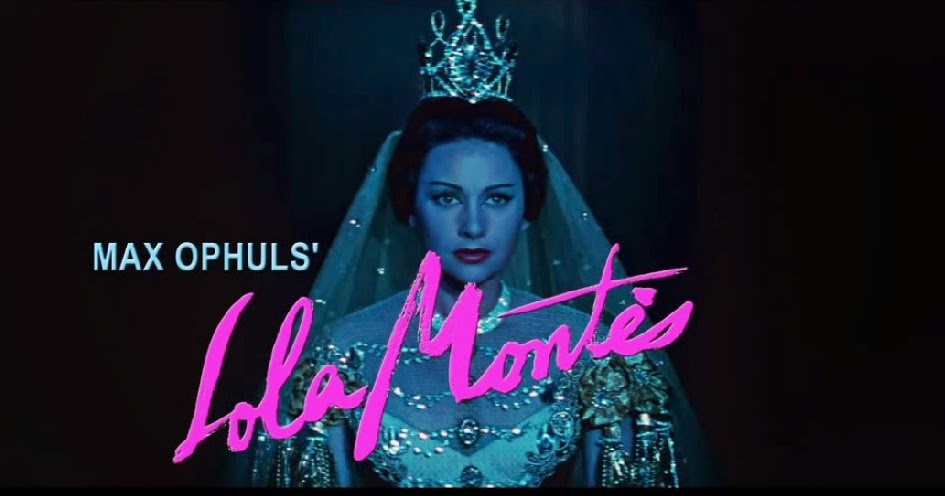
todozoo.com – Max Ophüls’ 1961 film, “Lola Montès,” is a lavish and controversial biopic that delves into the tumultuous life of the 19th-century Spanish dancer and courtesan, Lola Montès. Starring Martine Carol in the title role, the film is a visually stunning and emotionally charged exploration of love, ambition, and the destructive power of obsession.

A Tragic Heroine

Lola Montès, a complex and enigmatic figure, is portrayed as a tragic heroine whose beauty and talent are overshadowed by her tumultuous personal life. The film follows Lola’s rise to fame and fortune, her scandalous affairs with powerful men, and her eventual downfall. Ophüls’ film is not a straightforward biography but rather a stylized and theatrical reimagining of Lola’s life.

A Masterful Blend of Styles

“Lola Montès” is a visually stunning film that blends elements of melodrama, historical drama, and surrealism. Ophüls’ masterful use of camera movement, lighting, and set design creates a dreamlike and often extravagant atmosphere. The film’s episodic structure allows for a wide range of stylistic and tonal variations, from the opulent grandeur of the court of Bavaria to the gritty realism of the American Wild West.

A Critical and Commercial Failure

Despite its artistic merits, “Lola Montès” was a critical and commercial failure upon its initial release. Its unconventional narrative structure, its long running time, and its controversial subject matter alienated many audiences. However, the film has since been reevaluated and is now considered a masterpiece of cinematic artistry.

A Timeless Tale of Obsession

“Lola Montès” is a timeless tale of obsession, ambition, and the destructive power of love. Its tragic heroine, Lola Montès, is a fascinating and complex figure who continues to captivate audiences. Ophüls’ film is a visually stunning and emotionally resonant exploration of the human condition, a testament to the enduring power of cinema.

Prince Valiant: A Timeless Tale of Chivalry and Courage

todozoo.com – Prince Valiant (1954) is a classic swashbuckling adventure film that transports audiences to the mythical realm of Camelot. Based on the popular comic strip created by Hal Foster, the film captures the spirit of chivalry, heroism, and romance that defined the Arthurian legend.   

A Tale of Exiled Royalty

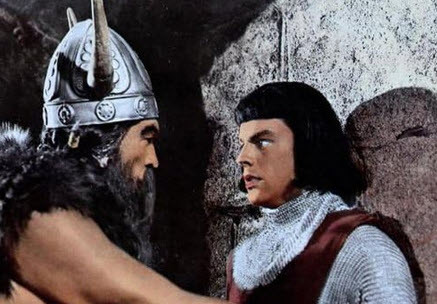
The film follows the journey of Prince Valiant (Robert Wagner), a young Viking prince exiled from his homeland of Scandia by the treacherous King Sligon (James Mason). Seeking refuge and an opportunity to reclaim his rightful throne, Valiant travels to Camelot, the legendary court of King Arthur.   

A Knight’s Training and a Princess’s Heart

Under the tutelage of the renowned knight Sir Gawain (Sterling Hayden), Valiant undergoes rigorous training to become a knight of the Round Table. As he hones his skills in swordsmanship and horsemanship, he also captures the heart of the beautiful Princess Aleta (Janet Leigh), a member of the royal court.   

A Battle Against Evil

Meanwhile, Sligon and his sinister Black Knight plot to undermine King Arthur’s rule and seize control of Britain. Valiant, with the help of his loyal companions, must confront these threats and protect the realm from darkness.   

A Visual Spectacle

Prince Valiant is a visually stunning film, with breathtaking cinematography that captures the beauty of the English countryside. The film’s production design is equally impressive, with elaborate sets and costumes that bring the Arthurian legend to life.   

A Timeless Tale of Good vs. Evil

At its core, Prince Valiant is a timeless tale of good versus evil. The film’s themes of courage, honor, and loyalty continue to resonate with audiences today. Its thrilling sword fights, romantic entanglements, and epic battles make it a classic adventure film that has stood the test of time.

Killer Nun: A Sinister Tale of Morphine and Madness

todozoo.com – Killer Nun (1979) is a bizarre and campy Italian horror film that blends elements of nunsploitation, giallo, and erotic thriller. Directed by Giulio Berruti, the film stars the iconic Anita Ekberg as Sister Gertrude, a troubled nun who descends into a spiral of madness and violence fueled by morphine addiction.   

A Descent into Darkness

The film follows Sister Gertrude as she recovers from brain surgery. However, her recovery is complicated by a series of strange visions and increasing paranoia. As her mental state deteriorates, she becomes addicted to morphine, leading to a series of increasingly violent and bizarre incidents.   

The nun’s descent into madness is accompanied by a series of murders, with victims ranging from fellow nuns to unsuspecting patients. The film’s lurid atmosphere is heightened by its graphic violence, sexual content, and surreal imagery.   

A Critique of Religious Hypocrisy

Beyond its shock value and exploitation elements, Killer Nun can be seen as a critique of religious hypocrisy and the oppressive nature of institutional authority. The film’s portrayal of the Catholic Church as a corrupt and morally bankrupt institution is both scathing and provocative.  

A Cult Classic

Despite its controversial nature, Killer Nun has achieved cult status among horror and exploitation film fans. Its blend of campy horror, sexual themes, and social commentary has resonated with audiences who appreciate its over-the-top style and dark humor.

The film’s enduring popularity can be attributed to its unique blend of genres and its unforgettable central performance by Anita Ekberg. Her portrayal of the deranged Sister Gertrude is both terrifying and captivating, making her one of the most iconic horror villains of the 1970s.

A Cautionary Tale

While Killer Nun is undeniably a cult classic, it is also a cautionary tale about the dangers of addiction and the destructive power of unchecked rage. The film’s exploration of themes such as mental illness, religious fanaticism, and the abuse of power continues to resonate with audiences today.

The Tale of the Big-Eared Bunny – Benny’s Unique Challenge

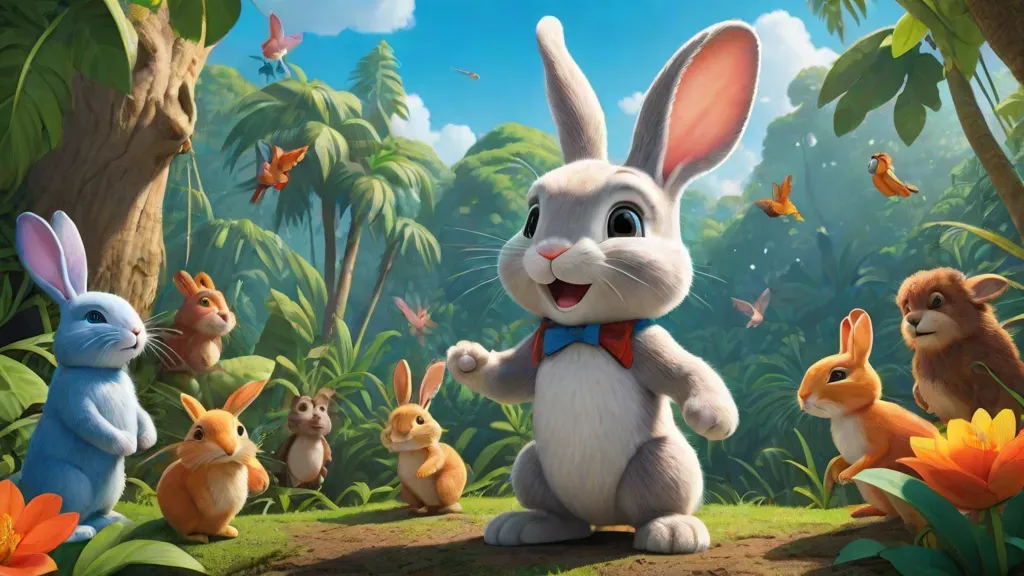
todozoo.com – Once upon a time, in a lush, verdant forest nestled between rolling hills, there lived a little bunny named Benny. Unlike other bunnies, Benny had exceptionally large ears. His ears were so big that they often fluttered in the wind like a pair of flags, making him quite noticeable in the forest.

Benny’s Unique Challenge

From a young age, Benny realized he was different from the other bunnies in the forest. While most bunnies had short, perky ears, Benny’s ears were long and floppy. Sometimes, the other animals in the forest would giggle at the sight of Benny’s ears, and some even teased him. Benny felt sad and alone, wishing he could fit in like everyone else.

The Journey to Self-Acceptance

Determined to find a place where he belonged, Benny decided to venture beyond his familiar surroundings. He hopped through the forest, his ears swaying with each leap, until he reached a meadow he had never seen before. There, he met a wise old owl named Oliver perched on a tree.

Oliver noticed Benny’s droopy demeanor and asked what was troubling him. Benny shared his story, explaining how his ears made him feel out of place. Oliver listened patiently and then offered some comforting words: “Your ears are what make you unique, Benny. They might be bigger than others, but they also give you a special gift.”

Discovering Hidden Talents

Intrigued by Oliver’s words, Benny asked what kind of gift his ears could possibly offer. Oliver explained that Benny’s large ears allowed him to hear sounds from far away, making him the perfect lookout for the community. With this newfound perspective, Benny began to embrace his ears, realizing they could help keep his friends safe.

Embracing Differences

Returning to his part of the forest with newfound confidence, Benny began using his ears to alert his fellow animals of approaching danger, like predators or storms. Gradually, the other animals started to appreciate Benny’s unique abilities, and they admired him for his bravery and quick thinking.

A Lesson in Friendship

In time, Benny’s large ears became a symbol of his heroic deeds, and the teasing stopped. Benny learned that being different was something to be celebrated, not hidden. He made many new friends who accepted him for who he was, and he found joy in the diversity of the forest community.

Conclusion

“The Tale of the Big-Eared Bunny” is a heartwarming story that teaches us about the importance of self-acceptance and the value of embracing our differences. Benny’s journey reminds us that our unique traits can often be our greatest strengths, and that true friendship is built on acceptance and understanding.

Kabhi Khushi Kabhie Gham: A Timeless Tale of Love & Family

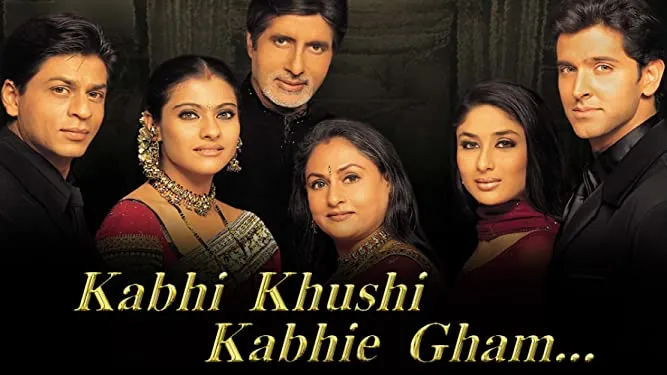
todozoo.com – “Kabhi Khushi Kabhie Gham,” often abbreviated as K3G, is a Bollywood film that continues to capture the hearts of audiences worldwide. Released in 2001, this film is a quintessential family drama that blends emotion, music, and grandeur. Directed by Karan Johar, it features an ensemble cast of some of the biggest names in the Indian film industry, including Amitabh Bachchan, Jaya Bachchan, Shah Rukh Khan, Kajol, Hrithik Roshan, and Kareena Kapoor.

Plot Summary

The movie explores the complex dynamics within a wealthy Indian family, the Raichands, headed by the stern yet loving patriarch Yashvardhan Raichand (Amitabh Bachchan) and his supportive wife Nandini (Jaya Bachchan). Their adopted son, Rahul (Shah Rukh Khan), falls in love with Anjali (Kajol), a vivacious and spirited woman from a lower socio-economic background. This relationship creates a rift in the family, leading Rahul to leave home and settle in London. The story then follows the journey of Rohan (Hrithik Roshan), the younger Raichand sibling, as he attempts to reunite his fractured family.

Themes

Family and Tradition

At its core, “Kabhi Khushi Kabhie Gham” is a film about the importance of family and the value of tradition. It beautifully illustrates how love and understanding can bridge the gap between generations and cultural differences.

Love and Sacrifice

The movie delves into the theme of love, exploring its various forms—romantic love, parental love, and sibling love. Sacrifice emerges as a recurring motif, with characters making significant personal sacrifices for the happiness of their loved ones.

Music and Cinematography

The film is renowned for its captivating soundtrack, composed by Jatin-Lalit, Sandesh Shandilya, and Aadesh Shrivastava. Songs like “Bole Chudiyan” and “Suraj Hua Maddham” remain popular even today. The cinematography, helmed by Kiran Deohans, adds to the film’s grandeur with its stunning visuals and opulent set designs.

Cultural Impact

“Kabhi Khushi Kabhie Gham” has left an indelible mark on Indian cinema and popular culture. Its dialogues, music, and iconic scenes have become a part of the lexicon of Bollywood fans. The film’s exploration of themes like family, love, and tradition resonates with audiences across generations and cultures, making it a timeless classic.

Conclusion

“Kabhi Khushi Kabhie Gham” is more than just a movie; it is an emotional journey that celebrates the bonds of family and the power of love. Its universal themes and memorable performances ensure that it remains a beloved film, cherished by audiences around the world.

A Tale of Destiny and Fate: The Oracle’s Prophecy

todozoo.com – In the heart of an ancient land, where the mountains kissed the sky and the rivers sang of old, there existed a legend that whispered through the ages. It was the tale of the Oracle, a seer of unparalleled power, whose prophecies shaped the destiny of many. This is the story of one such prophecy, a tale of destiny and fate that intertwined the lives of mortals and gods alike.

The Oracle’s Vision

The Oracle, a figure shrouded in mystery and reverence, lived in a secluded temple atop the highest peak. It was said that she could see the threads of fate that bound the world together, and with her words, she could weave the future. One day, as she gazed into the flames of her sacred fire, a vision came to her, clear and powerful. She saw a child, born of humble beginnings, who would rise to challenge the very fabric of fate itself.

The Birth of a Hero

In a small village, unknown to the wider world, a child was born under the light of a comet. The villagers whispered of omens and signs, but none could have guessed the true destiny that awaited this child. As he grew, so did his strength and courage, traits that would one day lead him to the Oracle’s temple.

The Journey Begins

Driven by a sense of purpose he could not explain, the young hero set out on a journey to seek the Oracle’s wisdom. His path was fraught with peril, from the treacherous mountains to the dark forests that spoke of ancient magic. Yet, with each challenge, his resolve only grew stronger.

The Oracle’s Prophecy

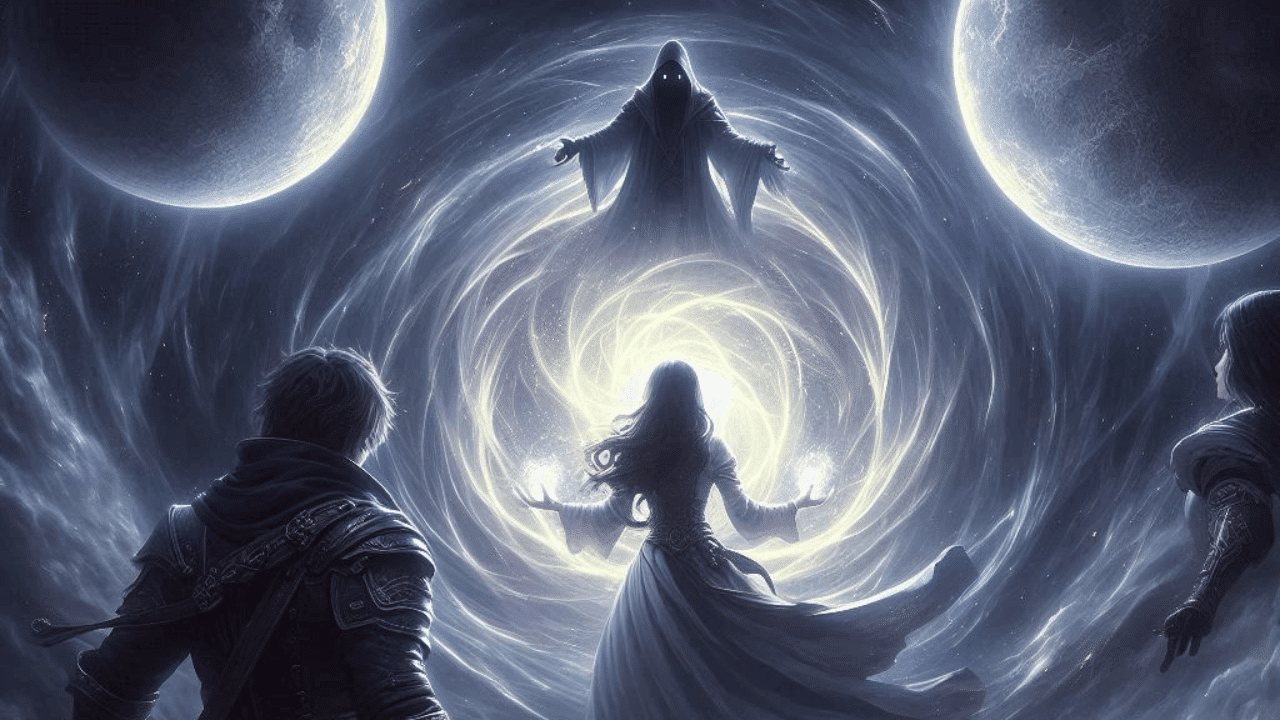
Upon reaching the temple, the hero was greeted by the Oracle, who had awaited his arrival. With eyes that shone like stars, she spoke the prophecy that would change his life forever: “You are the chosen one, born to break the chains of fate. A darkness approaches, a force that seeks to unravel the world. Only you can stop it, but the path you must take is fraught with sacrifice and pain.”

The Battle Against Fate

Armed with the Oracle’s prophecy, the hero embarked on a quest to confront the darkness. He gathered allies, each with their own destinies intertwined with his, and together they faced trials that tested their courage, their faith, and their bonds.

The Final Confrontation

The climax of their journey brought them to the heart of the darkness, a place where reality itself seemed to twist and warp. In a battle that would decide the fate of the world, the hero faced the embodiment of chaos, armed with nothing but his sword and the prophecy that had guided him.

The Oracle’s Prophecy Fulfilled

In the end, it was not just the hero’s strength that turned the tide, but the power of the prophecy itself. The Oracle’s words had given him the courage to face the darkness, and in doing so, he had changed the course of fate. The world was saved, but the hero knew that the battle had changed him forever.

The Legacy of the Oracle

The tale of the Oracle’s prophecy and the hero who fulfilled it became a legend, passed down through generations. It served as a reminder that even in a world bound by fate, the courage of one individual could change the destiny of all.

The Oracle’s temple stood silent once more, but the legend lived on, a beacon of hope for those who dared to dream of a future beyond the threads of fate. And so, the tale of the Oracle’s Prophecy became a timeless story, a testament to the power of destiny and the indomitable spirit of those who seek to shape it.

Tales of Snow and Ice: Winter in Literature

todozoo.com – Winter, with its blanket of snow and biting cold, has long been a muse for writers and poets, inspiring some of the most memorable tales in literature. The season, with its stark landscapes and transformative power, provides a unique backdrop for storytelling, evoking a sense of wonder, isolation, and the raw beauty of nature. From ancient myths to modern novels, winter has been a recurring theme, offering a canvas for exploring human resilience, the cycle of life, and the quest for warmth and connection amidst the cold.

The Magic of Winter in Folklore and Fairy Tales

Folklore and fairy tales often use winter as a setting to explore themes of enchantment, transformation, and the battle between good and evil. The Brothers Grimm and Hans Christian Andersen are among the most notable authors who have woven winter into their stories, creating timeless narratives that resonate with readers of all ages.

In “The Snow Queen,” Andersen tells the story of a young boy and girl whose lives are intertwined with the magical and menacing Snow Queen. The tale explores themes of friendship, bravery, and the power of love to overcome darkness. Similarly, “The Nutcracker and the Mouse King” by E.T.A. Hoffmann, which inspired the famous ballet, uses the winter holiday season as a backdrop for a fantastical journey into a world of magic and adventure.

Winter’s Role in Classic Literature

Classic literature has embraced the winter season to explore deeper themes of human nature, societal norms, and the quest for identity. Charles Dickens’ “A Christmas Carol” is a prime example, using the backdrop of a cold Christmas Eve to tell the story of redemption and the importance of kindness and generosity. The novella’s portrayal of the cold, dark streets of London contrasts with the warmth and light found in acts of charity and forgiveness.

Another notable work is Leo Tolstoy’s “Anna Karenina,” which opens with the line, “Happy families are all alike; every unhappy family is unhappy in its own way.” The novel uses the Russian winter as a backdrop to explore the complexities of love, marriage, and societal expectations. The harsh winter mirrors the characters’ internal struggles and the unforgiving nature of society’s judgments.

Modern Interpretations of Winter in Literature

Modern literature continues to explore the winter theme, often with a focus on the psychological and emotional impact of the season. Jhumpa Lahiri’s “Unaccustomed Earth” features a story titled “Hell-Heaven,” which uses the setting of a snowy New England to explore themes of loneliness, cultural displacement, and the search for connection.

Kazuo Ishiguro’s “The Remains of the Day” employs the metaphor of a fading summer giving way to autumn and winter to reflect on the passage of time, missed opportunities, and the lingering regrets of the past. The novel’s melancholic tone mirrors the changing seasons, creating a poignant reflection on life’s fleeting moments.

The Symbolism of Winter in Literature

Winter in literature is more than just a setting; it is a symbol rich with meaning. It represents the cycle of life, with its dormant period that precedes rebirth and renewal in spring. Winter can symbolize death, but also the promise of life after loss. It can represent isolation and the human need for connection, as well as the resilience required to endure hardship.

The imagery of snow and ice can evoke purity and innocence, but also the danger of being frozen or trapped. The contrast between the cold outside and the warmth within homes and hearths can symbolize the search for emotional warmth and the comfort found in human relationships.

Conclusion

Winter in literature is a season of contrasts, offering writers a rich palette of imagery and symbolism to explore the depths of the human experience. From the enchanting tales of folklore to the psychological depths of modern novels, winter continues to inspire and provoke thought, reminding us of the beauty and challenges of life. As we wrap ourselves in blankets and seek warmth during the cold months, let us also find comfort in the tales of snow and ice that have been passed down through generations, offering us a glimpse into the heart of winter.

The Tale of Tradition, Joy, and Unity: The Festive Fable

todozoo.com – In the heart of every culture, there lies a tapestry of stories, each thread woven with the colors of tradition, belief, and celebration. Among these, the festive fable stands out as a beacon of light, guiding communities through the passage of time, from one generation to the next. This article delves into the essence of festive fables, exploring their significance, the joy they bring, and the unity they foster among people.

The Significance of Festive Fables

Festive fables are more than mere stories; they are the embodiment of cultural heritage, passed down through centuries to preserve the identity and values of a community. These tales often revolve around the origins of festivals, the myths and legends associated with them, and the moral lessons they impart. They serve as a reminder of the struggles and triumphs of the past, teaching valuable lessons about life, love, and the importance of community.

The Joy of Festive Fables

One of the most enchanting aspects of festive fables is the joy they bring to people of all ages. These stories are often told during celebrations, adding a magical touch to the festivities. They are a source of entertainment, wonder, and laughter, bringing families and friends together in a shared moment of happiness. The telling of festive fables is an eagerly anticipated event, creating memories that last a lifetime.

Unity Through Festive Fables

Festive fables have a unique power to unite people across different backgrounds. By celebrating the diversity of human experience, these stories foster a sense of belonging and understanding among diverse communities. They remind us that, despite our differences, we share common hopes, dreams, and values. Through the telling of festive fables, we learn to appreciate and respect the rich tapestry of cultures that make up our world.

Conclusion

The festive fable is a timeless treasure, a bridge between the past and the present, connecting people across generations and cultures. It is a testament to the enduring spirit of humanity, our capacity for joy, and our desire for unity. As we continue to celebrate our festivals with enthusiasm and vigor, let us not forget the stories that give them meaning. For in the heart of every festive fable lies the essence of what it means to be human—a shared journey of love, hope, and togetherness.