
Historic Hotels That Offer a Glimpse into the Past

todozoo.com – Traveling is not just about visiting new places; it’s about experiencing the essence of a destination. One way to truly immerse yourself in the history and culture of a place is by staying in a historic hotel. These establishments offer more than just a bed to sleep in—they provide a window into the past. With their rich stories, architectural grandeur, and timeless charm, historic hotels allow guests to step back in time while enjoying modern comforts.

The Allure of Historic Hotels

Historic hotels are often located in buildings that have been meticulously preserved or restored to maintain their original character. Many of these hotels have witnessed significant historical events or hosted famous figures, adding to their allure. From grand European palaces to charming American inns, these hotels offer a unique blend of history and hospitality.

Notable Historic Hotels Around the World

The Ritz, London

Opened in 1906, The Ritz in London is an epitome of luxury and elegance. Known for its Louis XVI style interiors, the hotel has been a favorite among royalty and celebrities alike. Its iconic afternoon tea and exquisite service make it a must-visit for those seeking a regal experience.

Hotel del Coronado, California

Located on the Pacific coast, the Hotel del Coronado is a stunning example of Victorian architecture. Opened in 1888, it has played host to numerous U.S. presidents and has been featured in several films. Its beachfront location and historic charm make it a popular destination for travelers seeking both relaxation and nostalgia.

Raffles Hotel, Singapore

Raffles Hotel is synonymous with colonial luxury. Established in 1887, it is famous for the invention of the Singapore Sling cocktail and its elegant colonial architecture. The hotel offers a luxurious stay with a sense of historical grandeur, making it a landmark in Singapore.

The Fairmont Banff Springs, Canada

Known as the “Castle in the Rockies,” The Fairmont Banff Springs was opened in 1888 to promote tourism in the Canadian Rockies. Its Scottish baronial architecture and stunning mountain views provide a breathtaking backdrop for guests. The hotel is a perfect blend of wilderness and comfort, offering a unique historical experience in nature.

The Benefits of Staying in a Historic Hotel

Staying in a historic hotel offers a distinctive experience that combines the past with the present. Guests can enjoy modern amenities while surrounded by timeless elegance and stories of the past. These hotels often offer guided tours, themed events, and historical exhibits, enriching the travel experience.

Conclusion

Historic hotels offer more than just accommodation; they provide an opportunity to experience history firsthand. Whether you’re a history buff or simply looking for a unique travel experience, staying in a historic hotel can add depth and character to your journey. They remind us of the stories and events that have shaped our world, making every stay a memorable one.
Pioneers of the Past: Vintage Vanguard

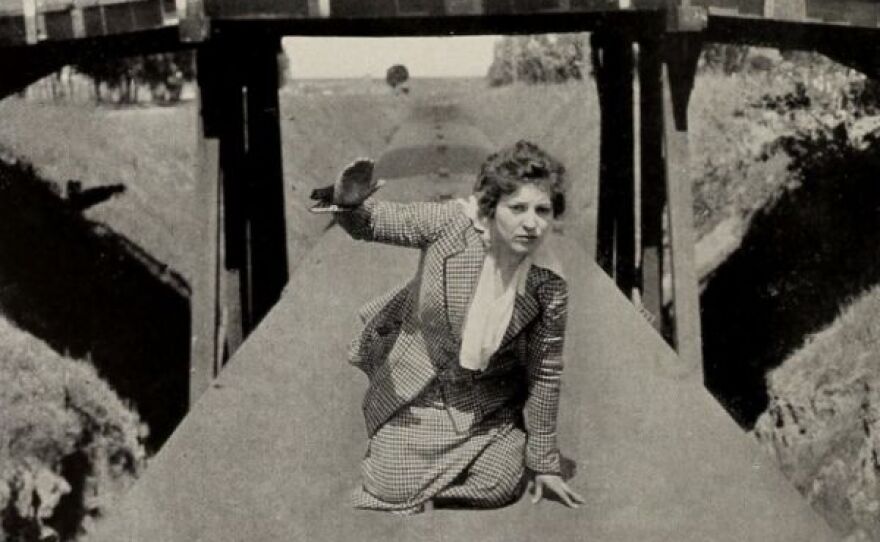
todozoo.com – In the annals of history, every era has its trailblazers, those who push the boundaries of what is known and venture into the uncharted territories of innovation and creativity. These pioneers of the past, often referred to as the Vintage Vanguard, have left indelible marks on the sands of time, shaping the world in which we live today. Their contributions span across various fields, from science and technology to art and culture, each one a testament to human ingenuity and the relentless pursuit of progress.

The Architects of Innovation

The Vintage Vanguard includes inventors and scientists whose discoveries have revolutionized the way we live. Figures like Thomas Edison, with his invention of the phonograph, the motion picture camera, and improvements to the electric light, brought about the modern age of electricity and mass communication. Marie Curie, the pioneer of radioactivity, opened the door to the nuclear age and medical radiology, earning her the title of the first woman to win a Nobel Prize. These pioneers were not just inventors; they were visionaries who saw beyond the confines of their time and dared to dream of a future filled with possibilities.

Cultural Catalysts

Art and culture have always been at the forefront of societal change, and the Vintage Vanguard includes artists and writers who challenged the norms and expanded the horizons of human expression. Pablo Picasso, with his development of Cubism, shattered traditional perspectives in art, while Frida Kahlo’s vivid and introspective paintings offered a window into the soul of Mexico and the female experience. In literature, authors like Virginia Woolf and James Joyce experimented with narrative forms, pushing the boundaries of what could be expressed through the written word. These cultural catalysts not only reflected the spirit of their times but also shaped the cultural landscape for generations to come.

Fashion Forward

Fashion has always been a powerful form of self-expression and a mirror to society. Pioneers like Coco Chanel and Yves Saint Laurent broke away from the rigid conventions of their times, introducing designs that were both revolutionary and timeless. Chanel’s introduction of the “little black dress” and Saint Laurent’s creation of the women’s tuxedo liberated fashion from its constraints, making it more accessible and democratic. Their legacies continue to influence fashion trends and empower individuals to express their unique identities.

The Legacy of the Vintage Vanguard

The contributions of the Vintage Vanguard are not confined to the past; they are the foundation upon which the present is built and the future is imagined. Their pioneering spirit serves as a reminder that progress is not a given but the result of daring to think differently and challenge the status quo. As we look to the future, it is essential to remember the lessons of the Vintage Vanguard: that innovation is driven by curiosity, creativity knows no bounds, and that the greatest achievements often come from the most unexpected places.

In celebrating the Vintage Vanguard, we honor not just the achievements of the past but the enduring power of human ingenuity. Their stories inspire us to look beyond the horizon, to dream bigger, and to continue the relentless pursuit of progress. For in the end, it is the pioneers of every era who light the way forward, guiding us towards a future filled with endless possibilities.

Lessons from the Past: Historical Plagues and Pandemics

todozoo.com – Throughout human history, infectious diseases have periodically emerged to devastate populations, reshape societies, and alter the course of civilizations. These historical plagues and pandemics, while varying in their causative agents and geographic spread, offer valuable lessons that can inform our understanding and management of current and future health crises.

The Black Death (1347-1351)

The most infamous of historical pandemics is the Black Death, which is estimated to have killed 75-200 million people in just a few years. Caused by the bacterium Yersinia pestis, it spread rapidly across Europe, Asia, and North Africa, decimating populations and leaving a profound impact on the social, economic, and cultural fabric of the affected regions. The Black Death taught humanity the importance of quarantine and isolation, although these measures were often implemented out of fear rather than scientific understanding.

The Spanish Flu (1918-1919)

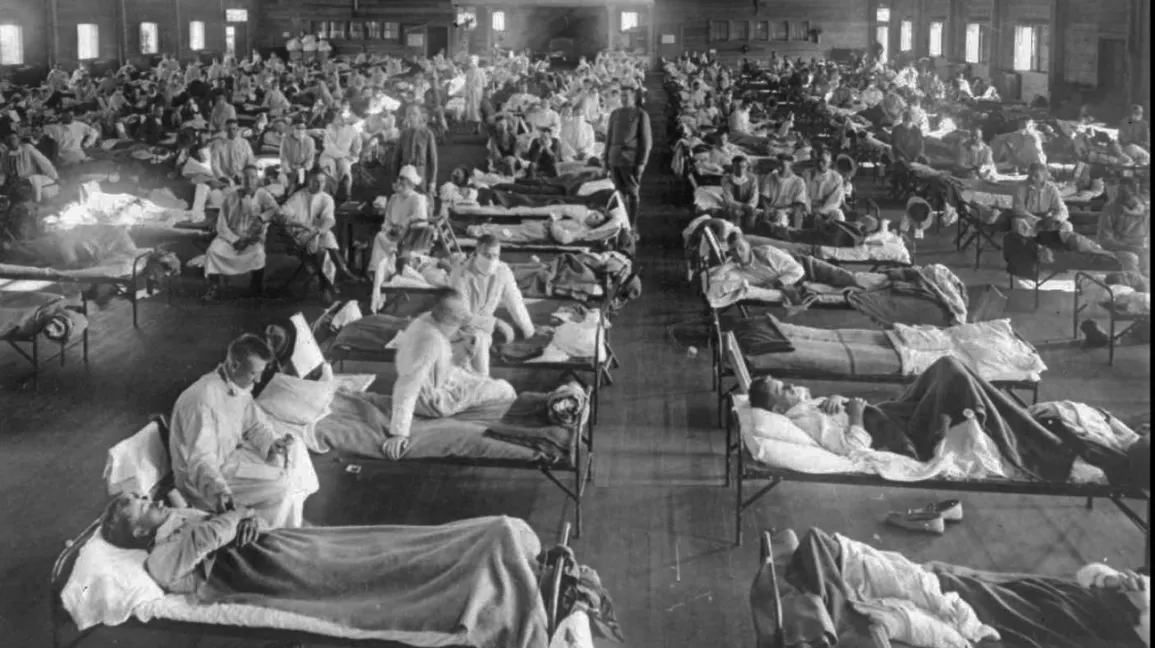
The Spanish Flu, or the 1918 influenza pandemic, is considered one of the deadliest in history, with an estimated 50 million deaths worldwide. The pandemic highlighted the vulnerability of modern society to infectious diseases, as it spread with unprecedented speed due to the mass movement of troops and migrants in the aftermath of World War I. This pandemic underscored the need for global cooperation in health matters and led to the establishment of international health organizations.

Smallpox

Smallpox is an ancient disease that has afflicted humanity for thousands of years, with evidence of the virus found in the remains of victims dating back to the third century BCE. The disease was a major cause of death and disability until the advent of vaccination in the late 18th century. Edward Jenner’s development of the smallpox vaccine in 1796 marked the beginning of the end for the disease, and it was officially declared eradicated in 1980. The global campaign to eradicate smallpox serves as a powerful example of what can be achieved through coordinated international public health efforts.

The HIV/AIDS Epidemic

The HIV/AIDS epidemic, which began in the early 1980s, has claimed over 36 million lives and continues to be a significant global health challenge. The epidemic has taught us the critical importance of addressing the social determinants of health, including stigma, discrimination, and access to justice. It has also highlighted the need for comprehensive harm reduction strategies, such as needle exchange programs and the provision of condoms, to prevent the spread of the virus.

Lessons from the Past

The history of plagues and pandemics offers several key lessons:

  1. Preparedness and Response: The rapid spread of infectious diseases underscores the need for robust public health infrastructure and rapid response mechanisms. Countries must invest in surveillance systems, healthcare facilities, and emergency response teams to be better prepared for future outbreaks.
  2. Global Cooperation: The transnational nature of pandemics highlights the importance of international collaboration in disease control. Sharing information, resources, and expertise across borders is essential for effectively combating global health threats.
  3. Science and Research: Investment in scientific research and development is critical for understanding diseases and developing vaccines, treatments, and diagnostic tools. The eradication of smallpox and the development of HIV antiretroviral therapy are testaments to the power of science.
  4. Public Health Education: Education and communication are vital in controlling the spread of disease. Accurate information can empower individuals to take appropriate precautions, while misinformation can exacerbate the situation.
  5. Social and Ethical Considerations: Pandemics often reveal and exacerbate social inequalities. Ensuring equitable access to healthcare, vaccines, and information is essential for an effective response that respects the dignity and rights of all individuals.

In conclusion, while the specifics of each historical plague and pandemic differ, the overarching lessons are remarkably consistent. By reflecting on these past events, we can better prepare for and respond to current and future health crises, ensuring that the tragedies of history do not repeat themselves.