The Red Tent (1969): A Historical Epic of Survival & Exploration

todozoo.com – “The Red Tent” is a 1969 historical adventure film directed by Mikhail Kalatozov. This international co-production features an ensemble cast, including Sean Connery, Peter Finch, and Claudia Cardinale. The film is inspired by the real-life events of the 1928 dirigible expedition led by Italian General Umberto Nobile to the North Pole. Through its epic narrative and dramatic depiction of human endurance, “The Red Tent” explores themes of survival, leadership, and the human spirit.

Plot Overview

The film recounts the ill-fated Arctic expedition of the airship Italia, commanded by General Umberto Nobile (played by Peter Finch). As the airship crashes on the ice, the crew is forced to survive under harsh conditions, setting up a makeshift camp using their red tent. The story unfolds through a series of flashbacks and a fictionalized account of Nobile’s later life, where he is haunted by memories of the expedition. Sean Connery portrays the legendary polar explorer Roald Amundsen, who plays a pivotal role in the rescue efforts.

Themes and Style

“The Red Tent” delves into the complexities of leadership and the moral dilemmas faced by those in command during life-and-death situations. The film examines the psychological struggles of Nobile as he grapples with guilt and responsibility for the lives lost during the expedition.

Kalatozov’s direction captures the stark beauty and treacherous nature of the Arctic environment, using sweeping cinematography to immerse viewers in the vast frozen landscape. The film’s score, composed by Ennio Morricone, adds to the emotional weight of the narrative, enhancing the tension and drama of the unfolding events.

Performances

The film boasts strong performances from its international cast. Peter Finch delivers a nuanced portrayal of General Nobile, capturing the character’s internal conflict and resilience. Sean Connery brings charisma and gravitas to his role as Amundsen, while Claudia Cardinale adds depth to the story as Valeria, Nobile’s supportive but concerned companion.

Reception and Legacy

“The Red Tent” received mixed reviews upon its release, with praise for its ambitious scope and visual grandeur. Despite its initial reception, the film has gained appreciation over time for its historical significance and artistic achievements. It stands as a compelling retelling of a dramatic chapter in polar exploration history.

Conclusion

“The Red Tent” (1969) offers a gripping account of survival against the odds, set against the backdrop of one of the most challenging environments on Earth. Its exploration of leadership, courage, and the human capacity to endure makes it a memorable entry in the genre of historical adventure films. Through its powerful storytelling and striking visuals, “The Red Tent” continues to resonate with audiences interested in the triumphs and trials of exploration.
Lessons from the Past: Historical Plagues and Pandemics

todozoo.com – Throughout human history, infectious diseases have periodically emerged to devastate populations, reshape societies, and alter the course of civilizations. These historical plagues and pandemics, while varying in their causative agents and geographic spread, offer valuable lessons that can inform our understanding and management of current and future health crises.

The Black Death (1347-1351)

The most infamous of historical pandemics is the Black Death, which is estimated to have killed 75-200 million people in just a few years. Caused by the bacterium Yersinia pestis, it spread rapidly across Europe, Asia, and North Africa, decimating populations and leaving a profound impact on the social, economic, and cultural fabric of the affected regions. The Black Death taught humanity the importance of quarantine and isolation, although these measures were often implemented out of fear rather than scientific understanding.

The Spanish Flu (1918-1919)

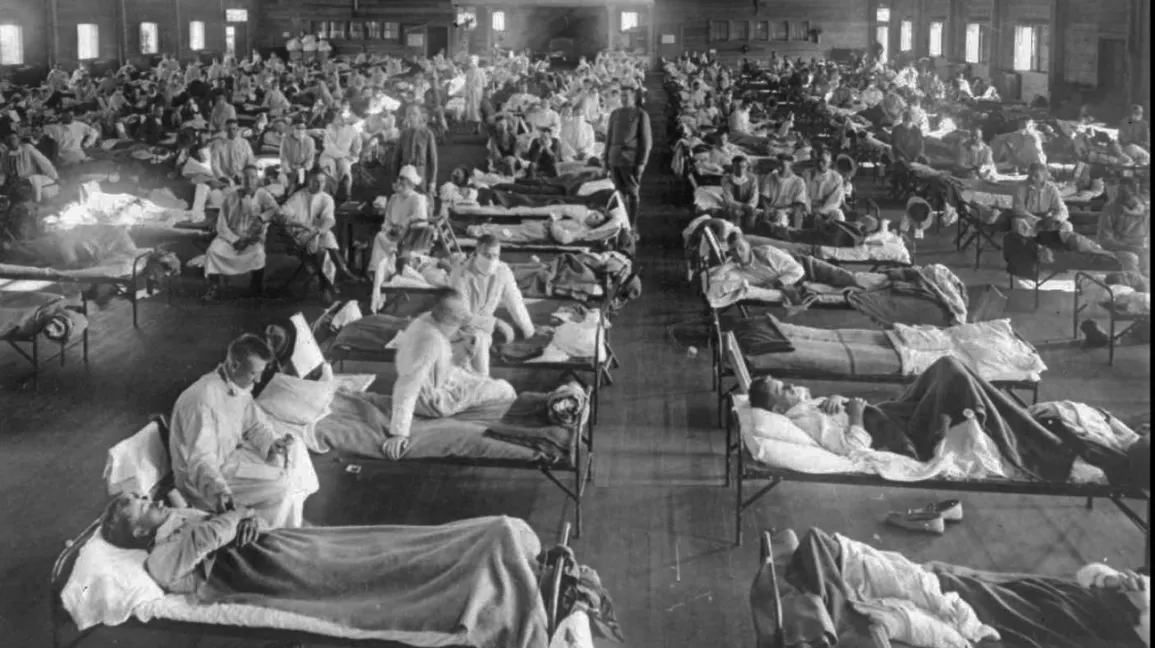
The Spanish Flu, or the 1918 influenza pandemic, is considered one of the deadliest in history, with an estimated 50 million deaths worldwide. The pandemic highlighted the vulnerability of modern society to infectious diseases, as it spread with unprecedented speed due to the mass movement of troops and migrants in the aftermath of World War I. This pandemic underscored the need for global cooperation in health matters and led to the establishment of international health organizations.

Smallpox

Smallpox is an ancient disease that has afflicted humanity for thousands of years, with evidence of the virus found in the remains of victims dating back to the third century BCE. The disease was a major cause of death and disability until the advent of vaccination in the late 18th century. Edward Jenner’s development of the smallpox vaccine in 1796 marked the beginning of the end for the disease, and it was officially declared eradicated in 1980. The global campaign to eradicate smallpox serves as a powerful example of what can be achieved through coordinated international public health efforts.

The HIV/AIDS Epidemic

The HIV/AIDS epidemic, which began in the early 1980s, has claimed over 36 million lives and continues to be a significant global health challenge. The epidemic has taught us the critical importance of addressing the social determinants of health, including stigma, discrimination, and access to justice. It has also highlighted the need for comprehensive harm reduction strategies, such as needle exchange programs and the provision of condoms, to prevent the spread of the virus.

Lessons from the Past

The history of plagues and pandemics offers several key lessons:

  1. Preparedness and Response: The rapid spread of infectious diseases underscores the need for robust public health infrastructure and rapid response mechanisms. Countries must invest in surveillance systems, healthcare facilities, and emergency response teams to be better prepared for future outbreaks.
  2. Global Cooperation: The transnational nature of pandemics highlights the importance of international collaboration in disease control. Sharing information, resources, and expertise across borders is essential for effectively combating global health threats.
  3. Science and Research: Investment in scientific research and development is critical for understanding diseases and developing vaccines, treatments, and diagnostic tools. The eradication of smallpox and the development of HIV antiretroviral therapy are testaments to the power of science.
  4. Public Health Education: Education and communication are vital in controlling the spread of disease. Accurate information can empower individuals to take appropriate precautions, while misinformation can exacerbate the situation.
  5. Social and Ethical Considerations: Pandemics often reveal and exacerbate social inequalities. Ensuring equitable access to healthcare, vaccines, and information is essential for an effective response that respects the dignity and rights of all individuals.

In conclusion, while the specifics of each historical plague and pandemic differ, the overarching lessons are remarkably consistent. By reflecting on these past events, we can better prepare for and respond to current and future health crises, ensuring that the tragedies of history do not repeat themselves.