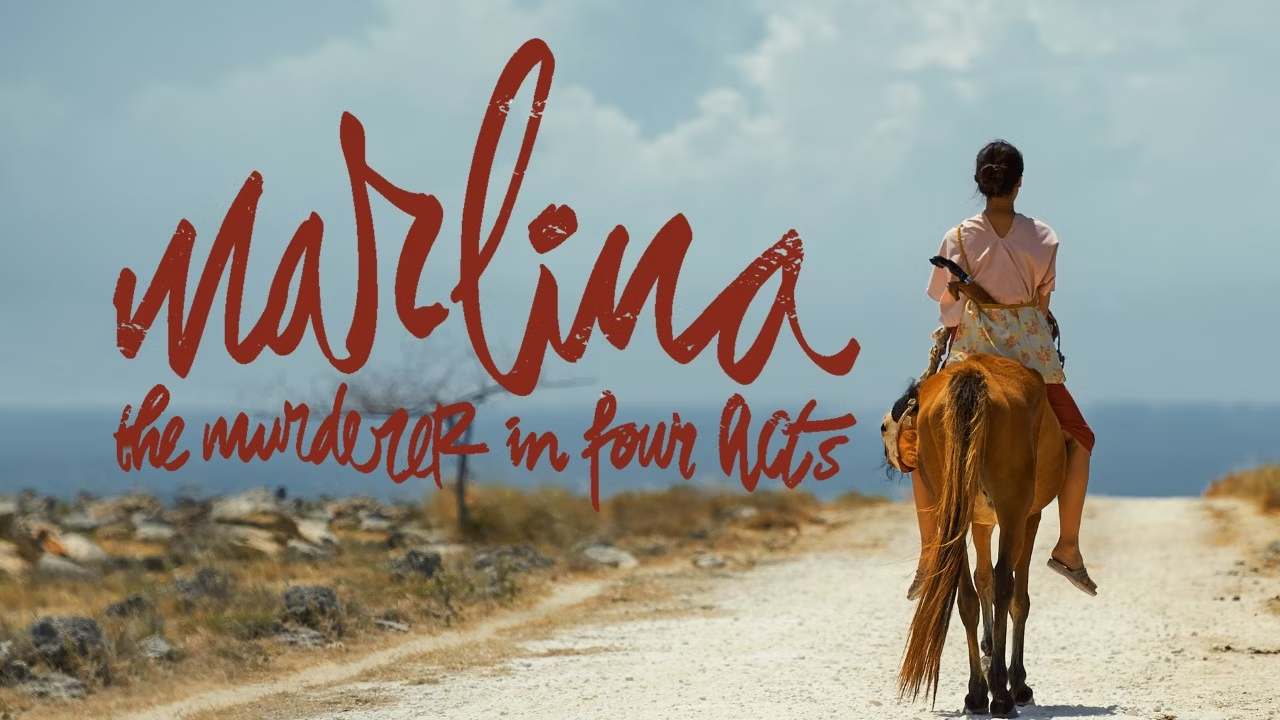
Marlina the Murderer in Four Acts: A Cinematic Exploration

todozoo.com – “Marlina the Murderer in Four Acts” (Indonesian: Marlina Si Pembunuh dalam Empat Babak) is a 2017 Indonesian film directed by Mouly Surya. This film stands out as a compelling narrative that blends the Western genre with feminist themes, set against the stark and stunning backdrop of the Indonesian landscape.

The Plot and Structure

The film is divided into four acts: Robbery, Journey, Confession, and Birth. Each act unravels a part of Marlina’s journey and psychological transformation. The story begins with Marlina, a young widow living in a remote Indonesian village, who is attacked by a gang of bandits. In a bold and shocking act of self-defense, Marlina poisons and beheads the leader.

Cinematic Style and Themes

Mouly Surya’s direction masterfully integrates elements of the Western genre with Indonesian cultural nuances. The film’s visual style is reminiscent of the works of Sergio Leone, with wide shots capturing the vast, desolate landscapes of Sumba Island. This cinematic choice underscores the isolation and vulnerability felt by Marlina and amplifies her quest for justice.

The narrative explores themes of female empowerment and resilience in the face of oppression. Marlina’s journey is not just a physical one, but also a metaphorical exploration of reclaiming agency and dignity in a patriarchal society.

Critical Reception

The film was well-received internationally, praised for its bold storytelling and strong feminist undertones. It was selected as the Indonesian entry for the Best Foreign Language Film at the 91st Academy Awards.

Conclusion

“Marlina the Murderer in Four Acts” is more than just a film about revenge; it is an exploration of gender dynamics and cultural identity. Surya’s work challenges viewers to reflect on the societal structures that perpetuate gender-based violence, making it a significant piece of Indonesian cinema with universal relevance.
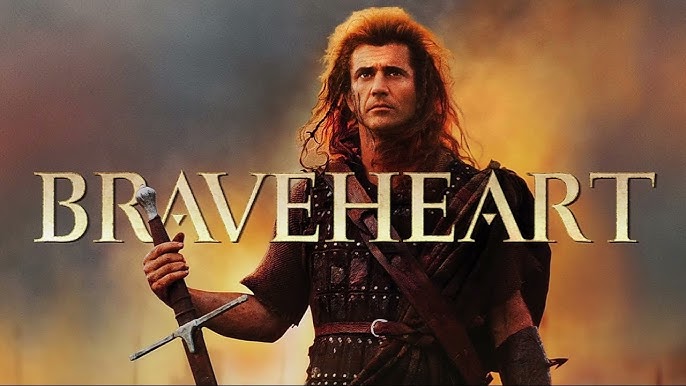
Braveheart: A Cinematic Masterpiece

todozoo.com – “Braveheart” is a 1995 epic historical drama film directed by and starring Mel Gibson. The movie is renowned for its portrayal of the legendary Scottish warrior William Wallace, who led his countrymen in a struggle for freedom against English oppression during the late 13th century. With its sweeping cinematography, compelling storytelling, and powerful performances, “Braveheart” has cemented its place in film history as a beloved classic.

Plot Overview

The film begins with the young William Wallace witnessing the brutal murder of his father and brother by English soldiers. As he grows, Wallace becomes a peaceful farmer, but personal tragedy strikes when English troops kill his secret bride. Fueled by grief and a thirst for justice, Wallace leads a rebellion against the tyrannical rule of King Edward I of England. The story follows Wallace’s journey from a reluctant leader to a symbol of hope and resistance for the Scottish people.

Characters and Performances

Mel Gibson delivers a charismatic performance as William Wallace, portraying him with both vulnerability and strength. The film also features strong supporting roles, including Sophie Marceau as Princess Isabella of France and Patrick McGoohan as the ruthless King Edward I. The ensemble cast brings a sense of authenticity and depth to the historical figures they portray, enhancing the film’s emotional impact.

Cinematography and Music

“Braveheart” is celebrated for its breathtaking cinematography, capturing the rugged beauty of the Scottish landscape. The film’s battle scenes are both epic and visceral, creating a sense of realism and intensity that draws viewers into the heart of the conflict. James Horner’s stirring musical score complements the visuals, adding an emotional resonance to the narrative.

Historical Accuracy

While “Braveheart” is praised for its storytelling and cinematic achievements, it has faced criticism for historical inaccuracies. The film takes creative liberties with certain events and characters, prioritizing dramatic effect over strict adherence to historical facts. Despite this, the movie has sparked interest in Scottish history and the real-life figure of William Wallace.

Cultural Impact

Since its release, “Braveheart” has left a lasting impact on popular culture. It won five Academy Awards, including Best Picture and Best Director, and has inspired numerous parodies, references, and discussions about the nature of heroism and freedom. The film’s iconic battle cry, “They may take our lives, but they’ll never take our freedom!” has become synonymous with the fight against oppression.

Conclusion

“Braveheart” remains a powerful and influential film that resonates with audiences around the world. Its blend of action, romance, and historical drama continues to captivate viewers, making it a timeless classic. Whether celebrated for its cinematic artistry or debated for its historical liberties, “Braveheart” stands as a testament to the enduring power of storytelling.