The Fall of the Roman Empire (1964): A Cinematic Epic

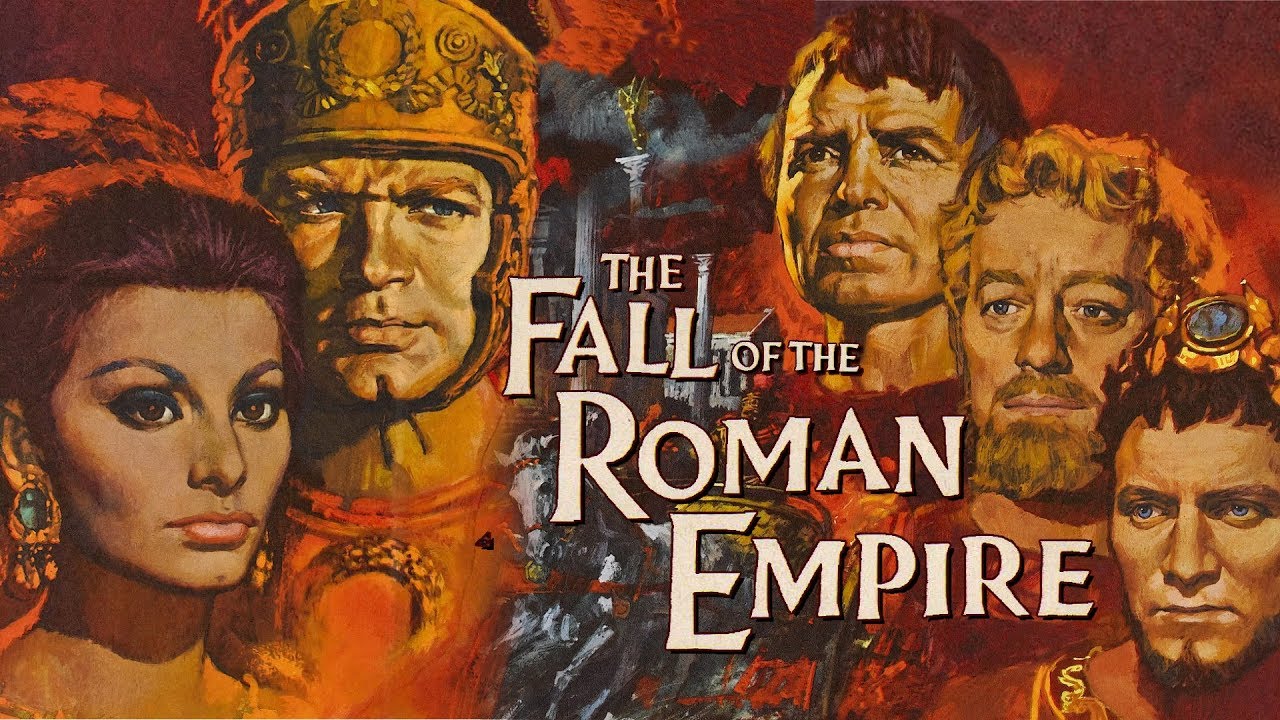
todozoo.com  – Released in 1964, “The Fall of the Roman Empire” stands as a monumental cinematic achievement that endeavors to depict the grandeur and eventual decline of one of history’s greatest empires. Directed by Anthony Mann, this film is a classic example of the historical epic genre, capturing the imagination of audiences with its elaborate sets, grand battle sequences, and a star-studded cast.

Plot Overview

The film is set during the reign of Emperor Marcus Aurelius and explores the political and social factors that contributed to the decline of the Roman Empire. Marcus Aurelius, played by Alec Guinness, is portrayed as a wise and just ruler who seeks to secure the future of Rome by appointing his adopted son, Livius (Stephen Boyd), as his successor. However, his plans are thwarted when his biological son, Commodus (Christopher Plummer), takes the throne following Aurelius’s death.

Commodus’s tyrannical rule leads to corruption and unrest within the empire, setting the stage for its eventual collapse. The film interweaves personal drama with historical events, exploring themes of power, loyalty, and betrayal.

Cast and Characters

“The Fall of the Roman Empire” features an impressive ensemble cast, including:

  • Stephen Boyd as Livius, the noble and conflicted protagonist.
  • Sophia Loren as Lucilla, the daughter of Marcus Aurelius and Livius’s love interest.
  • Alec Guinness as Marcus Aurelius, the wise emperor with a vision for Rome’s future.
  • Christopher Plummer as Commodus, the ambitious and ruthless antagonist.
  • James Mason as Timonides, a philosopher and advisor.

Production and Cinematography

The film is renowned for its lavish production values. Filmed on location in Spain, the production team constructed massive sets, including a replica of the Roman Forum, to authentically recreate the grandeur of ancient Rome. The film’s budget was one of the largest of its time, reflecting the ambition of the project.

Cinematographer Robert Krasker captured the epic scale of the film with sweeping wide shots and intricate set pieces that highlighted the richness of the Roman world. The film’s visual spectacle, combined with Dimitri Tiomkin’s powerful musical score, enhances the dramatic narrative.

Historical Accuracy and Themes

While “The Fall of the Roman Empire” takes certain liberties with historical facts for dramatic purposes, it successfully conveys the essence of the period’s complexities. The film delves into the themes of moral decay, political intrigue, and the consequences of absolute power, all of which resonate with the historical realities of Rome’s decline.

The portrayal of Commodus as a tyrant, for instance, echoes historical accounts of his reign, while the film’s depiction of internal strife and external pressures reflects the multifaceted challenges faced by the empire.

Reception and Legacy

Upon its release, “The Fall of the Roman Empire” received mixed reviews, with some critics praising its visual grandeur and others critiquing its pacing and narrative depth. Despite its initial reception, the film has gained recognition over the years for its ambitious scope and has influenced subsequent historical epics.

The film’s detailed production design and commitment to creating an immersive historical experience have earned it a place in the canon of classic epic cinema. It serves as a precursor to later films like “Gladiator,” which also explore similar themes of power and decline in ancient Rome.

Conclusion

“The Fall of the Roman Empire” (1964) remains a significant entry in the genre of historical epics. With its compelling performances, stunning visuals, and exploration of timeless themes, the film offers a captivating portrayal of one of history’s most fascinating periods. Despite its age, the film continues to be a testament to the enduring allure of the Roman Empire’s story and the cinematic power of historical storytelling.

Marlina the Murderer in Four Acts: A Cinematic Exploration

todozoo.com – “Marlina the Murderer in Four Acts” (Indonesian: Marlina Si Pembunuh dalam Empat Babak) is a 2017 Indonesian film directed by Mouly Surya. This film stands out as a compelling narrative that blends the Western genre with feminist themes, set against the stark and stunning backdrop of the Indonesian landscape.

The Plot and Structure

The film is divided into four acts: Robbery, Journey, Confession, and Birth. Each act unravels a part of Marlina’s journey and psychological transformation. The story begins with Marlina, a young widow living in a remote Indonesian village, who is attacked by a gang of bandits. In a bold and shocking act of self-defense, Marlina poisons and beheads the leader.

Cinematic Style and Themes

Mouly Surya’s direction masterfully integrates elements of the Western genre with Indonesian cultural nuances. The film’s visual style is reminiscent of the works of Sergio Leone, with wide shots capturing the vast, desolate landscapes of Sumba Island. This cinematic choice underscores the isolation and vulnerability felt by Marlina and amplifies her quest for justice.

The narrative explores themes of female empowerment and resilience in the face of oppression. Marlina’s journey is not just a physical one, but also a metaphorical exploration of reclaiming agency and dignity in a patriarchal society.

Critical Reception

The film was well-received internationally, praised for its bold storytelling and strong feminist undertones. It was selected as the Indonesian entry for the Best Foreign Language Film at the 91st Academy Awards.

Conclusion

“Marlina the Murderer in Four Acts” is more than just a film about revenge; it is an exploration of gender dynamics and cultural identity. Surya’s work challenges viewers to reflect on the societal structures that perpetuate gender-based violence, making it a significant piece of Indonesian cinema with universal relevance.

The 2009 film “Tsar” – Visual and Cinematic Style

todozoo.com – In 2009, Russian filmmaker Pavel Lungin released a historical drama titled “Tsar,” a cinematic portrayal of the turbulent reign of Ivan the Terrible, one of Russia’s most notorious rulers. The film delves into the complex relationship between power and religion, exploring the moral and ethical struggles faced by those in authority.

Plot Summary

Set in the 16th century, “Tsar” focuses on the volatile reign of Ivan IV, known as Ivan the Terrible, who is best remembered for his brutal tactics and authoritarian rule. The narrative primarily revolves around Ivan’s relationship with his childhood friend and spiritual advisor, Metropolitan Filipp. As Ivan’s paranoia and tyranny escalate, Filipp becomes a voice of conscience, challenging the Tsar’s oppressive methods and striving to mitigate his cruelty.

Key Themes

Power and Tyranny

One of the central themes of “Tsar” is the corrupting influence of absolute power. Ivan the Terrible’s reign epitomizes the dangers of unchecked authority, as his increasing paranoia leads to widespread terror and violence. The film portrays the delicate balance between maintaining control and succumbing to tyranny.

Religion and Morality

The film also explores the role of religion in governance, highlighting the tension between spiritual guidance and political power. Metropolitan Filipp serves as a moral counterbalance to Ivan’s excesses, representing the ethical dilemmas faced by those who attempt to wield influence for the greater good.

Visual and Cinematic Style

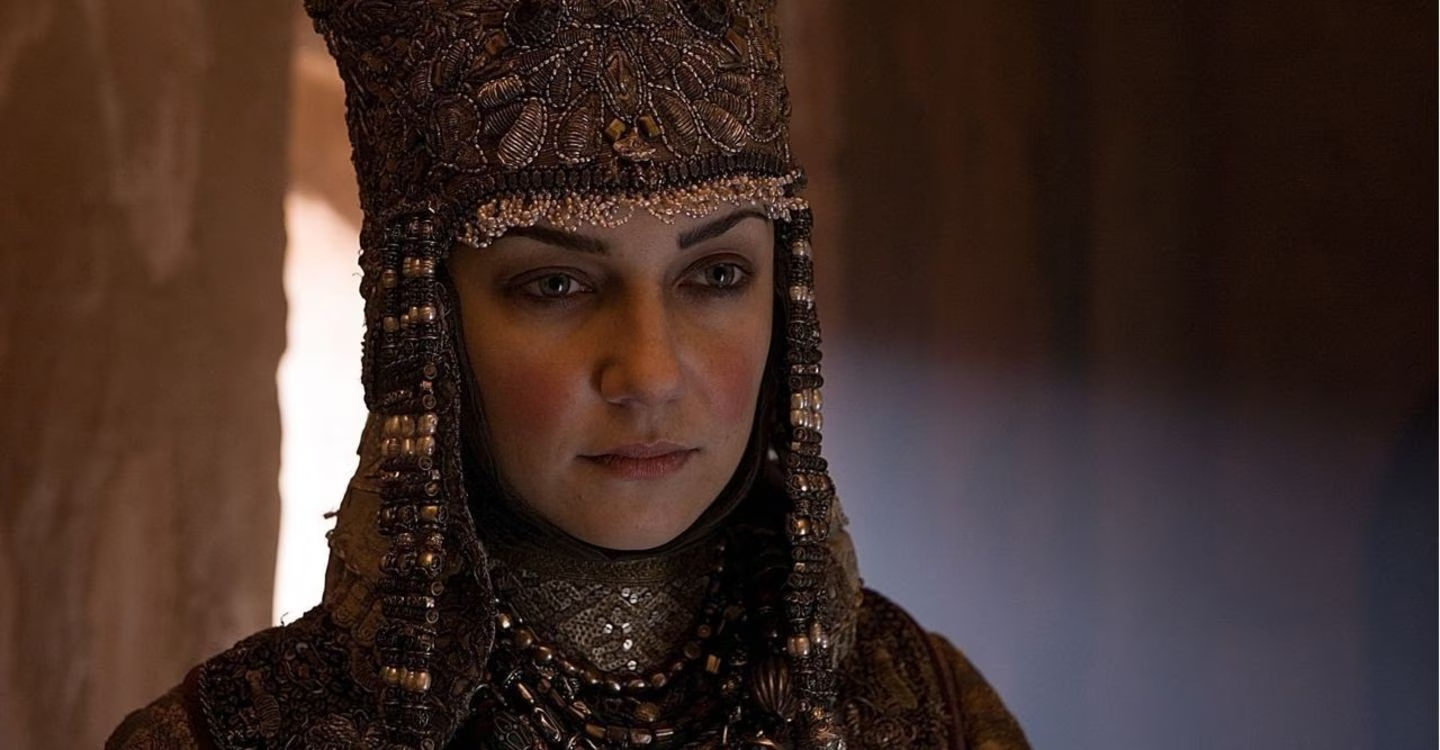
“Tsar” is noted for its striking visual style, capturing the stark contrasts between the opulence of the Russian court and the harsh realities of Ivan’s regime. The film’s cinematography and set design effectively convey the historical context, immersing viewers in a world of grandeur and brutality.

Conclusion

Pavel Lungin’s “Tsar” offers a thought-provoking examination of the complexities of leadership and the interplay between power and morality. Through its vivid portrayal of historical events, the film invites audiences to reflect on the enduring challenges of governance and the human condition.

The Puppetmaster (1993): A Cinematic Masterpiece of Storytelling

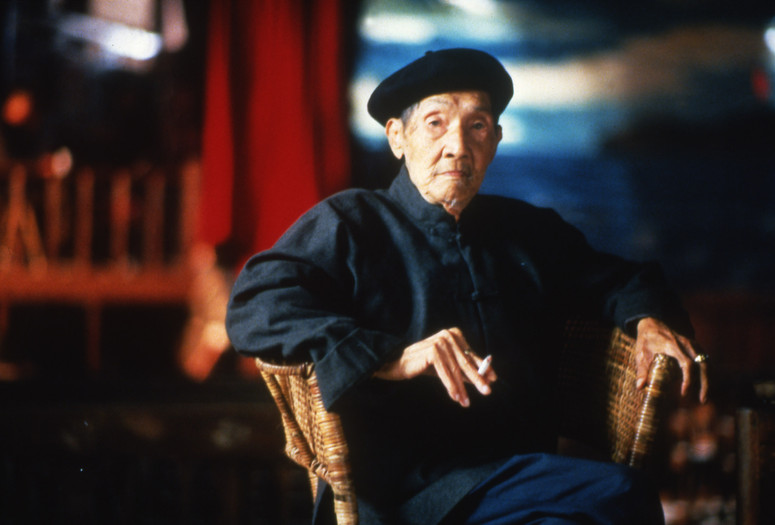
todozoo.com – “The Puppetmaster,” directed by Hou Hsiao-hsien, is a remarkable film released in 1993 that combines the artistry of cinema with the rich tapestry of historical narrative. This film not only showcases the director’s unique storytelling style but also provides a profound insight into the cultural and historical context of Taiwan during a turbulent period.

Plot and Themes

The film is a biographical drama that chronicles the life of Li Tien-lu, a renowned Taiwanese puppeteer. The narrative is set against the backdrop of Japanese-occupied Taiwan during the early 20th century. Through Li’s life story, the film explores themes of cultural identity, the impact of colonialism, and the resilience of traditional art forms.

Visual Style and Direction

Hou Hsiao-hsien is known for his distinctive visual style, characterized by long takes, minimalistic dialogue, and a focus on the environment surrounding the characters. In “The Puppetmaster,” he employs these techniques to immerse the audience in the period setting, allowing them to experience the historical and cultural nuances firsthand. The film’s visual narrative is a testament to Hou’s skill in blending realism with artistic expression.

Cultural and Historical Significance

“The Puppetmaster” serves as more than just a biographical account; it is a reflection on the preservation of cultural heritage amidst foreign domination. The film highlights the struggle to maintain traditional Taiwanese puppetry, an art form that becomes a symbol of resistance and identity for the protagonist. Through Li Tien-lu’s journey, the film portrays the complex interplay between personal life and larger historical forces.

Critical Reception

Upon its release, “The Puppetmaster” was acclaimed by critics for its artistic merit and historical depth. The film received numerous accolades and was featured in several international film festivals, solidifying Hou Hsiao-hsien’s reputation as a master filmmaker. Critics praised the film for its innovative narrative structure and its ability to evoke emotional resonance through subtle storytelling.

Conclusion

“The Puppetmaster” is a cinematic gem that transcends the boundaries of conventional filmmaking. It stands as a poignant reminder of the power of storytelling to preserve and celebrate cultural history. Hou Hsiao-hsien’s masterful direction and the film’s rich thematic exploration make it a significant work in the landscape of world cinema.

Braveheart: A Cinematic Masterpiece

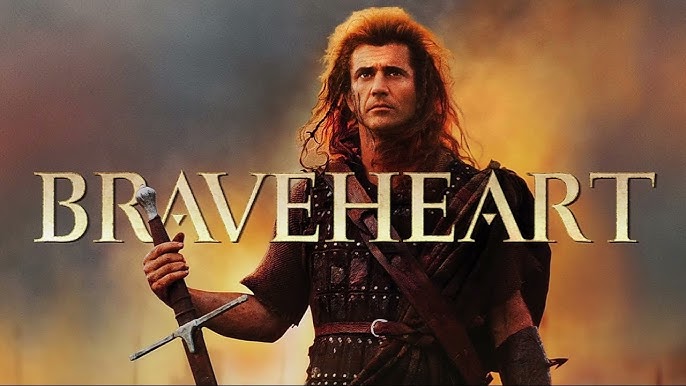
todozoo.com – “Braveheart” is a 1995 epic historical drama film directed by and starring Mel Gibson. The movie is renowned for its portrayal of the legendary Scottish warrior William Wallace, who led his countrymen in a struggle for freedom against English oppression during the late 13th century. With its sweeping cinematography, compelling storytelling, and powerful performances, “Braveheart” has cemented its place in film history as a beloved classic.

Plot Overview

The film begins with the young William Wallace witnessing the brutal murder of his father and brother by English soldiers. As he grows, Wallace becomes a peaceful farmer, but personal tragedy strikes when English troops kill his secret bride. Fueled by grief and a thirst for justice, Wallace leads a rebellion against the tyrannical rule of King Edward I of England. The story follows Wallace’s journey from a reluctant leader to a symbol of hope and resistance for the Scottish people.

Characters and Performances

Mel Gibson delivers a charismatic performance as William Wallace, portraying him with both vulnerability and strength. The film also features strong supporting roles, including Sophie Marceau as Princess Isabella of France and Patrick McGoohan as the ruthless King Edward I. The ensemble cast brings a sense of authenticity and depth to the historical figures they portray, enhancing the film’s emotional impact.

Cinematography and Music

“Braveheart” is celebrated for its breathtaking cinematography, capturing the rugged beauty of the Scottish landscape. The film’s battle scenes are both epic and visceral, creating a sense of realism and intensity that draws viewers into the heart of the conflict. James Horner’s stirring musical score complements the visuals, adding an emotional resonance to the narrative.

Historical Accuracy

While “Braveheart” is praised for its storytelling and cinematic achievements, it has faced criticism for historical inaccuracies. The film takes creative liberties with certain events and characters, prioritizing dramatic effect over strict adherence to historical facts. Despite this, the movie has sparked interest in Scottish history and the real-life figure of William Wallace.

Cultural Impact

Since its release, “Braveheart” has left a lasting impact on popular culture. It won five Academy Awards, including Best Picture and Best Director, and has inspired numerous parodies, references, and discussions about the nature of heroism and freedom. The film’s iconic battle cry, “They may take our lives, but they’ll never take our freedom!” has become synonymous with the fight against oppression.

Conclusion

“Braveheart” remains a powerful and influential film that resonates with audiences around the world. Its blend of action, romance, and historical drama continues to captivate viewers, making it a timeless classic. Whether celebrated for its cinematic artistry or debated for its historical liberties, “Braveheart” stands as a testament to the enduring power of storytelling.