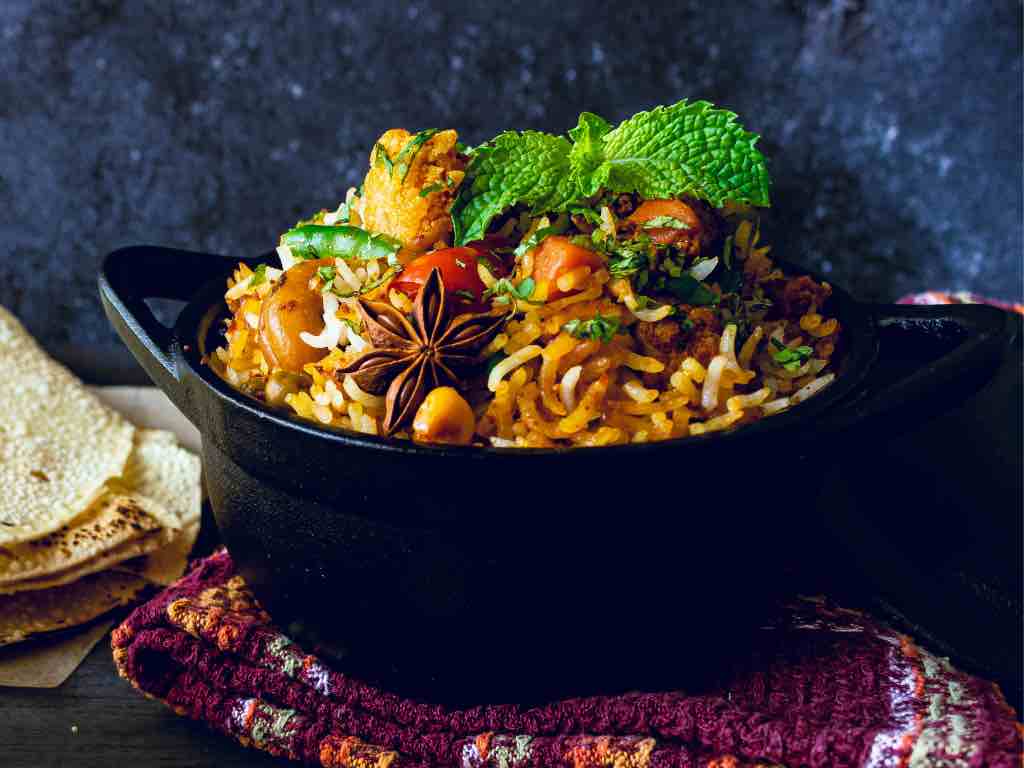
todozoo.com – Biryani, a majestic rice dish, is a culinary masterpiece that has captivated taste buds across the Indian subcontinent and beyond. It’s a harmonious blend of aromatic rice, tender meat or vegetables, and a symphony of spices. Biryani is often associated with celebrations, festivities, and royal feasts, and its rich history and diverse regional variations make it a truly fascinating dish.
The Origins of Biryani
The exact origins of biryani are shrouded in mystery, with various theories and legends surrounding its birth. Some historians trace its roots to Persia, while others believe it originated in India. Regardless of its exact origins, biryani has evolved over centuries to become a beloved dish in many cultures.
Key Ingredients and Flavors
The key ingredients in a classic biryani include:
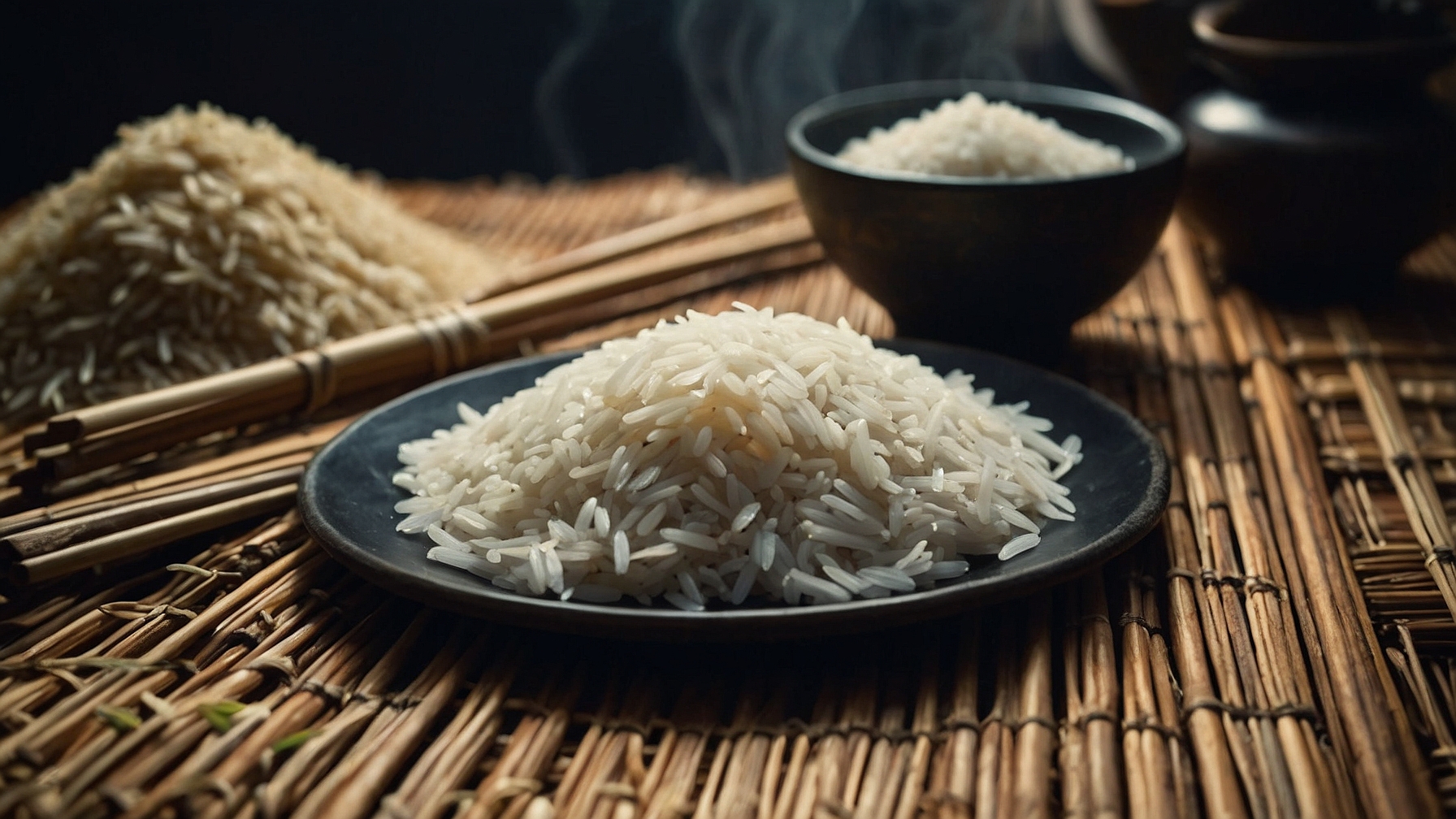
- Basmati Rice: This long-grain rice is known for its delicate flavor and fluffy texture.
- Meat or Vegetables: Traditionally, biryani is made with meat, such as lamb, chicken, or goat. However, vegetarian versions with vegetables like potatoes, peas, and carrots are equally popular.
- Spices: A blend of aromatic spices, including cardamom, cloves, cinnamon, and saffron, imparts a warm and fragrant flavor to the dish.
- Yogurt: Yogurt is often used to marinate the meat or vegetables, tenderizing them and adding a tangy flavor.
- Onions and Tomatoes: These form the base of the flavorful gravy that accompanies the rice.
The Cooking Process
The cooking process of biryani varies slightly depending on the region and the specific recipe. However, the general steps involve:
- Marination: The meat or vegetables are marinated in a mixture of yogurt, spices, and herbs.
- Cooking the Rice: Basmati rice is cooked separately until it is tender but not overcooked.
- Sautéing the Aromatics: Onions and spices are sautéed in ghee or oil until they are fragrant.
- Cooking the Meat or Vegetables: The marinated meat or vegetables are cooked until they are tender.
- Layering the Dish: The cooked rice, meat or vegetables, and the flavorful gravy are layered in a pot or a biryani pot.
- Sealing and Cooking: The pot is sealed tightly and cooked over low heat, allowing the flavors to meld together.
Regional Variations of Biryani
Biryani has evolved into numerous regional variations, each with its own unique characteristics:
- Hyderabadi Biryani: Known for its rich, spicy flavor and the use of dum pukht cooking technique.
- Lucknowi Biryani: Characterized by its delicate flavors, the use of kewra water, and the addition of nuts and dried fruits.
- Mughlai Biryani: A royal dish influenced by Mughal cuisine, often made with lamb or goat.
- Sindhi Biryani: A flavorful biryani with a strong emphasis on spices and the use of clarified butter.
Serving Suggestions
Biryani is typically served hot, often accompanied by raita, a cooling yogurt-based dip, and mirchi ka salan, a spicy green chili gravy. It can be enjoyed as a main course or a festive meal.
Why You Should Try Biryani
Biryani is a truly indulgent and flavorful dish that is perfect for special occasions or a comforting weeknight meal. Its rich history, diverse regional variations, and the complex interplay of flavors make it a culinary masterpiece. Whether you prefer a vegetarian or non-vegetarian version, biryani is sure to satisfy your cravings.