The Ancient Guardians of the Deep: Greenland Sharks

todozoo.com – In the frigid depths of the Arctic and North Atlantic Oceans, a silent predator lurks, its presence as ancient as the ice itself. The Greenland shark, a colossal creature shrouded in mystery, has captured the fascination of scientists and nature enthusiasts alike. With a life expectancy that stretches centuries, this enigmatic shark holds the title of the longest-living vertebrate on Earth.   

A Slow-Motion Existence

Unlike many other sharks, the Greenland shark is not known for its speed or agility. It is a slow-moving creature, often referred to as a “sleeper shark.” This lethargic lifestyle is a testament to its remarkable longevity. Scientists believe that the shark’s slow metabolism and cold environment contribute to its extended lifespan.   

A Diet Fit for a King

Despite its sluggish nature, the Greenland shark is a formidable predator. Its diet consists of a variety of marine life, including fish, seals, and even polar bears. In fact, researchers have found remnants of horse and reindeer carcasses in the stomachs of some Greenland sharks, suggesting that they may scavenge on land-based animals that have fallen into the sea.   

A Vulnerable Giant

While the Greenland shark is a top predator in its environment, it is not immune to threats. Overfishing, particularly in the past, has significantly reduced their population. Additionally, climate change poses a serious threat to their habitat. As the Arctic ice melts, the shark’s ecosystem is undergoing significant changes, which could impact their survival.   

Conservation Efforts

In recent years, there has been a growing global effort to protect the Greenland shark. International regulations have been implemented to limit fishing and bycatch, and scientists are working to better understand the shark’s biology and ecology. By studying these ancient creatures, we can gain valuable insights into the health of our oceans and the impact of human activities on marine ecosystems.   

Conclusion

The Greenland shark is a true marvel of nature. Its ability to survive for centuries in one of the harshest environments on Earth is a testament to its extraordinary adaptations. As we continue to learn more about this enigmatic creature, it is imperative that we take steps to ensure its survival for generations to come. By protecting the Greenland shark, we are not only safeguarding a unique species but also preserving the delicate balance of our planet’s oceans.
Exploring the Timeless Beauty of Fenghuang Ancient Town

todozoo.com – Nestled in the western part of Hunan Province, China, Fenghuang Ancient Town is a picturesque destination renowned for its well-preserved architecture, rich cultural heritage, and stunning natural scenery. Often described as one of China’s most beautiful towns, Fenghuang offers a glimpse into the country’s vibrant history and traditional lifestyle.

Historical Background

Fenghuang, meaning “phoenix” in Chinese, was built during the Kangxi era of the Qing Dynasty, around 1704. The town’s name is derived from the mythological bird, symbolizing rebirth and immortality. The area has been home to the Miao and Tujia ethnic minorities, whose influence is evident in the town’s architecture, customs, and festivals.

Architecture and Landmarks

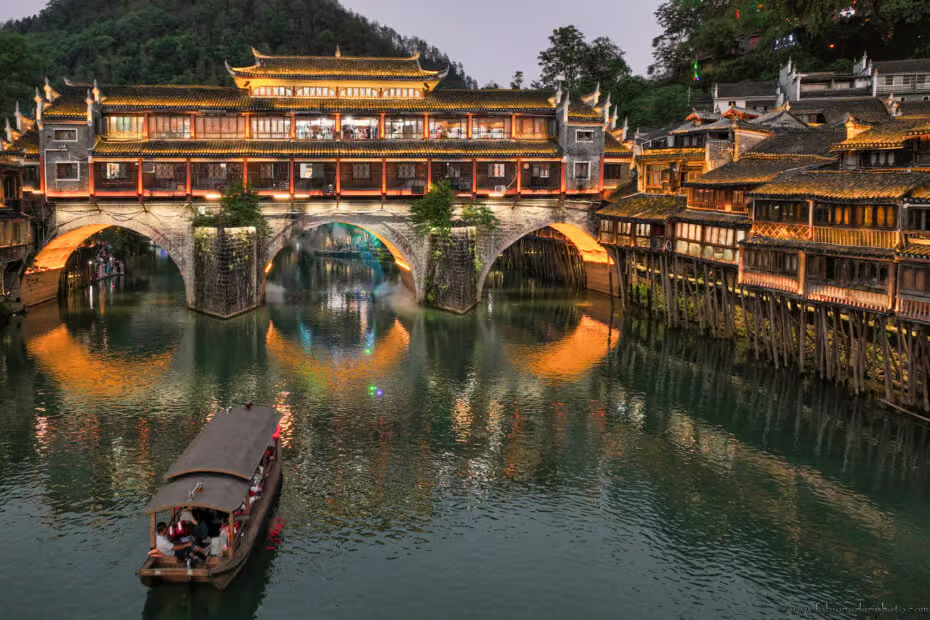
The town is famous for its traditional wooden houses, known as “Diaojiaolou,” which line the banks of the Tuojiang River. These stilted buildings are uniquely designed to adapt to the river’s changing levels and offer stunning views of the town and surrounding countryside. Key landmarks include the Hong Bridge, the Longevity Palace, and the East Gate Tower, each showcasing the exquisite craftsmanship of ancient Chinese architecture.

Cultural Significance

Fenghuang Ancient Town is a cultural hub, offering a rich tapestry of folk traditions, music, and dance. Visitors can immerse themselves in the vibrant local culture by attending the Miao New Year Festival or participating in traditional activities such as silver jewelry making and paper-cutting crafts. The town’s museums and galleries also provide insights into the history and customs of the local ethnic groups.

Natural Scenery

The town is set against a backdrop of lush mountains and serene waterways, offering breathtaking natural beauty. The Tuojiang River, which flows through the town, provides opportunities for scenic boat rides, allowing visitors to experience the tranquility of the area. The nearby Dehang Miao Village and the Southern Great Wall are also popular attractions for nature lovers and adventure seekers.

Conclusion

Fenghuang Ancient Town is a destination that captivates visitors with its enchanting blend of history, culture, and natural beauty. Whether exploring its ancient streets, engaging with local traditions, or simply soaking in the stunning scenery, Fenghuang offers an unforgettable journey into the heart of China’s rich heritage.

Ancient Chinese Cuisine: Rice and Rituals

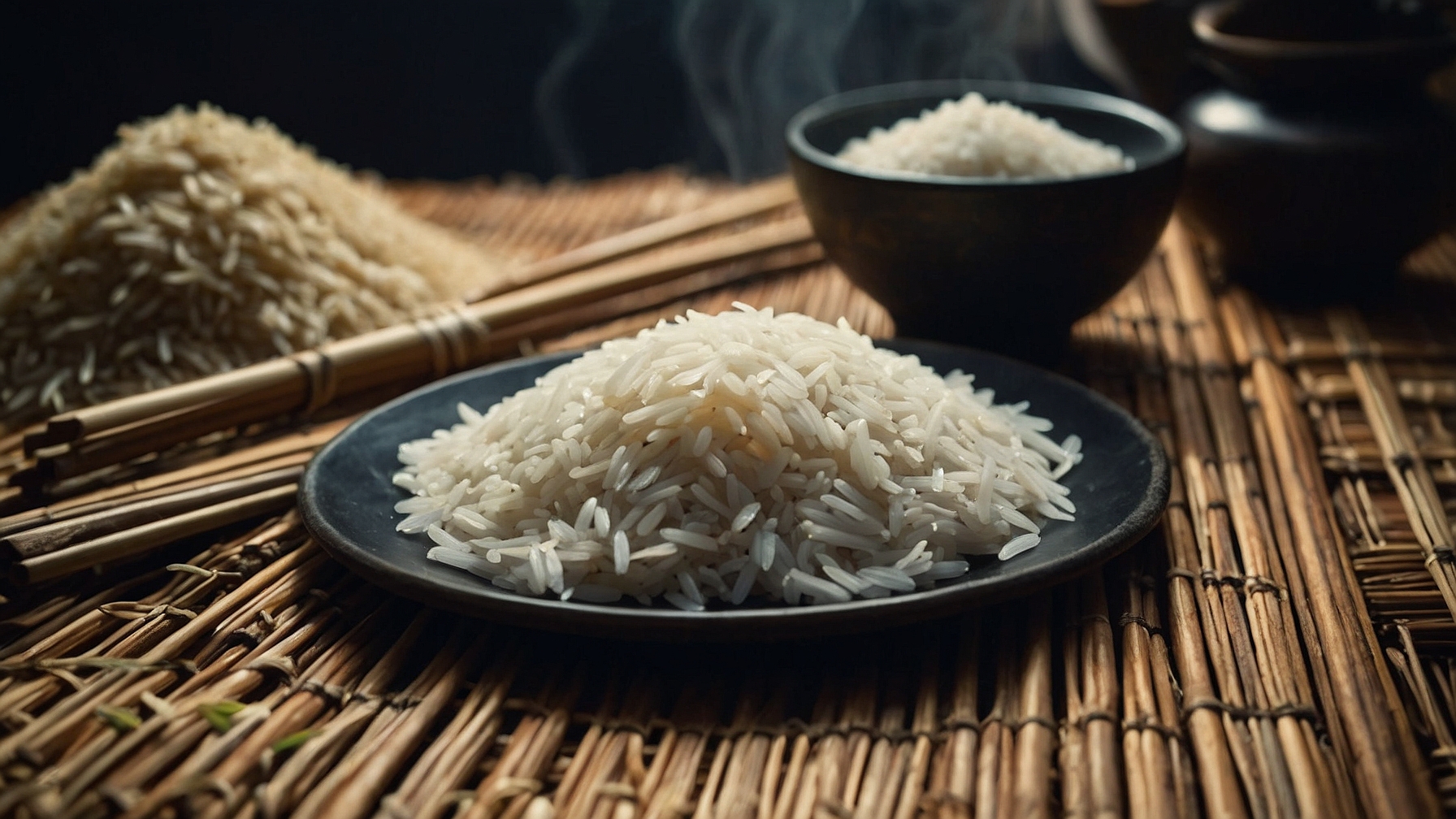
todozoo.com – Rice has been a cornerstone of Chinese culture for thousands of years, shaping not only the culinary landscape but also the social and spiritual practices of one of the world’s oldest civilizations. The significance of rice in Chinese culture extends far beyond its role as a staple food; it is deeply intertwined with rituals, traditions, and the agricultural cycle.

The Origins of Rice Cultivation

The history of rice cultivation in China dates back to around 7000 BC in the Yangtze River basin. As one of the earliest domesticated crops, rice quickly became a central part of life in ancient China. The fertile river valleys provided ideal conditions for rice farming, supporting the growth of early Chinese societies.

Rice in Ancient Chinese Cuisine

In ancient Chinese cuisine, rice was often the centerpiece of meals, complemented by a variety of vegetables, meats, and fish. Unlike modern times, where rice is sometimes viewed as a side dish, in ancient China, it was the main component of a meal. The importance of rice is reflected in the Chinese language itself, where the word for rice, “fan” (饭), also means “meal.”

Rituals and Symbolism

Rice held significant symbolic meaning in ancient Chinese rituals and traditions. It was often used in ceremonies to honor ancestors and deities, symbolizing prosperity and fertility. During the Shang and Zhou dynasties, rice was a key offering in sacrifices, demonstrating its value in both spiritual and daily life.

The Role of Rice in Festivals

Rice plays a crucial role in traditional Chinese festivals, many of which have roots in ancient times. The Dragon Boat Festival, for example, is celebrated with zongzi, a dish made of glutinous rice wrapped in bamboo leaves. This festival commemorates the poet Qu Yuan and reflects the ancient belief in the protective and purifying power of rice.

Agricultural Practices and Innovations

The cultivation of rice in ancient China was marked by remarkable agricultural innovations. Techniques such as paddy field farming, crop rotation, and the development of early irrigation systems helped increase yields and sustain large populations. These advancements not only supported the growth of Chinese civilization but also influenced agricultural practices worldwide.

Conclusion

Rice’s role in ancient Chinese cuisine and culture is a testament to its enduring significance. It is more than just a food source; it is a symbol of life, prosperity, and cultural identity. The rituals and traditions that have evolved around rice are a reflection of its deep-rooted importance in Chinese history and continue to be celebrated in contemporary China.

As we explore the rich tapestry of Chinese culinary heritage, the story of rice offers a fascinating glimpse into the ancient world, where food and ritual were inseparably linked.

Uncovering Ancient Civilizations: Secrets of the Sands

todozoo.com – The sands of time have buried countless civilizations, leaving behind a legacy of mystery and intrigue. From the majestic pyramids of Egypt to the enigmatic ruins of Petra, these ancient civilizations have fascinated historians, archaeologists, and adventurers for centuries. This article delves into the secrets of the sands, exploring the discoveries and revelations that have brought these lost worlds back to life.

The Enigma of Ancient Egypt

Ancient Egypt, with its towering pyramids and intricate hieroglyphs, remains one of the most captivating civilizations in history. The secrets of the pharaohs, the mysteries of the afterlife, and the advanced knowledge of astronomy and mathematics continue to intrigue scholars. Recent discoveries, such as the hidden chambers within the Great Pyramid and the lost city of Amenhotep III, provide new insights into this enigmatic civilization.

The Lost City of Petra

Carved into the rose-red cliffs of Jordan, Petra was the capital of the Nabatean Kingdom, a civilization that thrived at the crossroads of ancient trade routes. The city’s elaborate architecture, including the iconic Treasury and the Monastery, reflects the wealth and ingenuity of its inhabitants. The rediscovery of Petra in the 19th century unveiled a city that had been lost to the sands for centuries, offering a glimpse into the life of a desert civilization.

The Mysteries of Mesopotamia

Mesopotamia, the land between the Tigris and Euphrates rivers, is often referred to as the cradle of civilization. The Sumerians, Akkadians, Babylonians, and Assyrians who inhabited this region left behind a rich legacy of writing, law, and architecture. The discovery of cuneiform tablets and the deciphering of ancient texts have unlocked the secrets of Mesopotamian society, revealing a complex world of gods, kings, and everyday life.

The Hidden World of the Indus Valley Civilization

The Indus Valley Civilization, which flourished around 2500 BCE, was one of the world’s earliest urban societies. The cities of Harappa and Mohenjo-Daro, with their sophisticated drainage systems and grid-like street layouts, attest to the advanced urban planning of this civilization. The script of the Indus Valley Civilization remains undeciphered, leaving many secrets hidden within the ruins.

The Forgotten Kingdoms of the Sahara

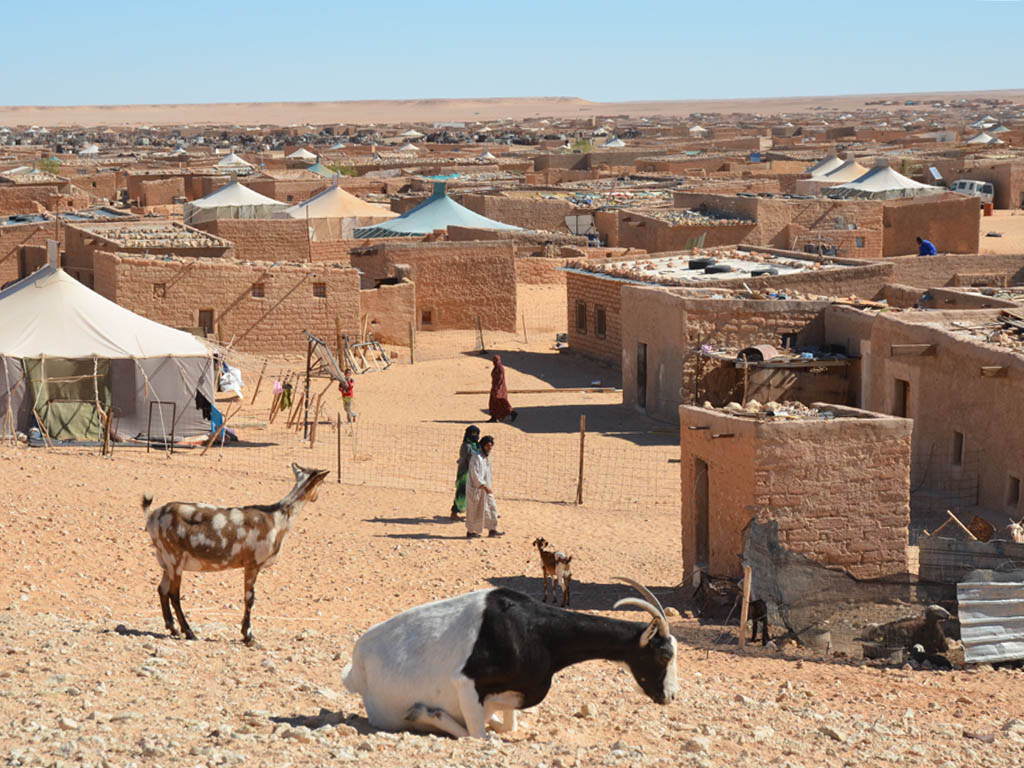
The Sahara Desert, once a fertile savannah, was home to a series of ancient civilizations and kingdoms. The Garamantes of the Fezzan, the Mali Empire, and the Ghana Empire all thrived in this region, leaving behind a legacy of trade, culture, and architecture. The harsh desert conditions have preserved these sites, allowing archaeologists to uncover the secrets of these forgotten kingdoms.

The Secrets of the Silk Road

The Silk Road, a network of trade routes that connected the East and West, was a melting pot of cultures, religions, and ideas. Along this ancient highway, cities like Samarkand and Kashgar became centers of learning and commerce. The archaeological sites along the Silk Road reveal the cosmopolitan nature of these cities and the exchange of goods, technologies, and philosophies that took place.

Conclusion

The secrets of the sands hold the key to understanding the rich tapestry of human civilization. From the majestic pyramids of Egypt to the forgotten kingdoms of the Sahara, these ancient civilizations continue to captivate and inspire. As we uncover their hidden treasures and decipher their lost languages, we gain a deeper appreciation for the ingenuity and complexity of our ancestors. The sands of time may bury these civilizations, but their legacies live on, offering endless possibilities for discovery and wonder.

Women’s Rights & Roles in Ancient Japanese Society

todozoo.com – The roles and rights of women in ancient Japanese society were shaped by a complex interplay of cultural, religious, and historical factors. This article explores the evolution of women’s status from the early Shinto period through the Heian era, highlighting the inconsistencies and changes that occurred over time.

Early Shinto Period

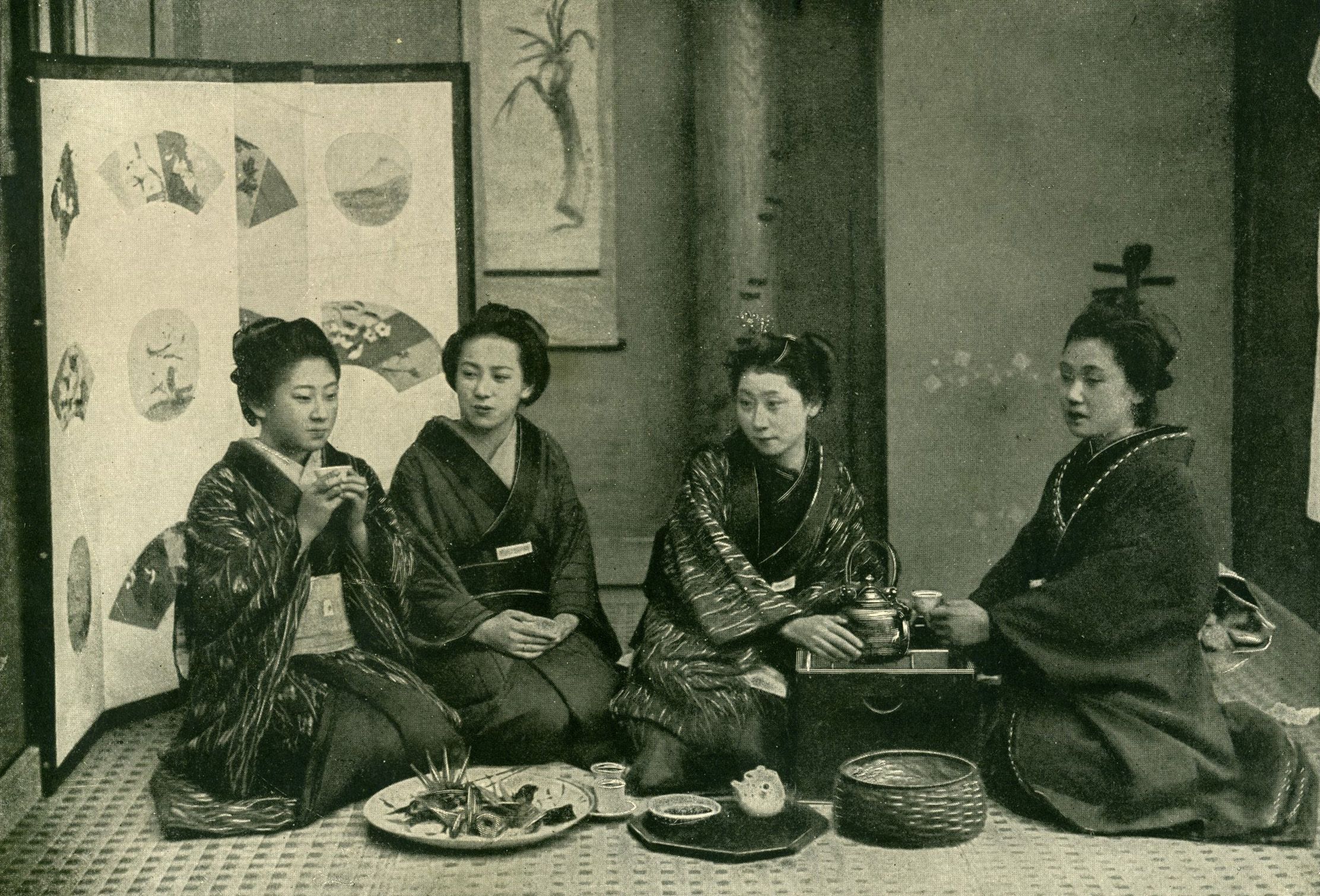
During the early Shinto period, women held significant roles in religious and cultural life. Shintoism, the indigenous religion of Japan, often revered women as spiritual leaders and mediums. This period saw women participating actively in religious ceremonies and rituals, which granted them a certain level of respect and influence within their communities.

Transition to Matriarchal Antiquity

The role of women in ancient Japan was not static and evolved significantly over time. Initially, there were periods of matriarchal influence where women held considerable power and authority. However, as different cultural and religious influences integrated into Japanese society, the status of women began to fluctuate. The introduction of Buddhism and Confucianism, for instance, brought about changes that often diminished women’s roles and rights.

Heian Period

The Heian period (794-1185) marked a significant shift in the status of women. While some high-ranking women, such as empresses and noblewomen, retained considerable influence and were even involved in political affairs, the majority of women saw a decline in their rights and freedoms. The Heian period is often noted for its literary achievements, many of which were produced by women, but this period also saw the entrenchment of patriarchal norms that limited women’s participation in public life.

Legal and Social Constraints

Legally, women in ancient Japan faced numerous constraints. They were often denied the right to inherit property or hold public office. Marriage laws were also heavily skewed in favor of men, with women having little say in their marital arrangements. These legal and social restrictions were further reinforced by cultural norms that emphasized women’s roles as wives and mothers, rather than as independent individuals.

Conclusion

The roles and rights of women in ancient Japanese society were dynamic and subject to significant changes over time. From the revered status of women in early Shintoism to the more restricted roles during the Heian period, the evolution of women’s status reflects the broader cultural and religious shifts that occurred in Japanese history. Despite these challenges, women continued to play vital roles in shaping Japanese society and culture.

By examining these historical contexts, we gain a deeper understanding of the complexities and nuances of women’s experiences in ancient Japan.

Scribe of the Divine Writings: Sacred Texts of Ancient Egypt

todozoo.com – In ancient Egypt, where religion and the divine were interwoven into the fabric of daily life, the role of the scribe was not merely administrative but also deeply spiritual. Among these scribes, the Scribe of the Divine Writings held a particularly revered position. These individuals were specialists in the transcription, creation, and preservation of religious and sacred texts, which were essential for the maintenance of ma’at (order, truth, and justice) and the proper functioning of the cosmos. This article delves into the role and significance of the Scribe of the Divine Writings in ancient Egyptian society.

The Sacred Nature of Writing in Ancient Egypt

Writing was considered a divine gift in ancient Egypt, believed to have been bestowed upon humanity by the god Thoth, the deity of wisdom, writing, and magic. As such, the act of writing, especially when it pertained to religious and sacred matters, was imbued with a sense of the divine. The Scribe of the Divine Writings was thus not just a record-keeper but also a conduit for the sacred knowledge and will of the gods.

The Training and Skills of the Scribe of the Divine Writings

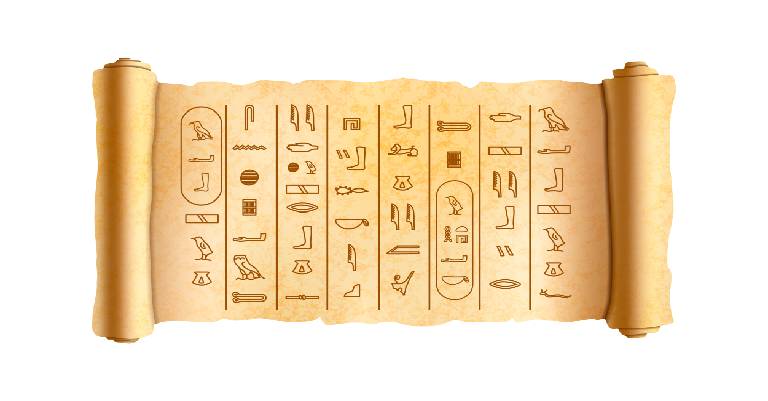
To become a Scribe of the Divine Writings, one underwent rigorous training from a young age. This education included mastering the complex hieroglyphic script, as well as the cursive hieratic and demotic scripts used for more everyday purposes. Scribes also studied religious texts, magical spells, and the intricacies of Egyptian theology and mythology. They learned the proper rituals and prayers to accompany their work, ensuring that the act of writing itself was performed with the necessary piety and reverence.

The Responsibilities of the Scribe of the Divine Writings

The primary responsibility of the Scribe of the Divine Writings was to produce Link Spaceman and maintain accurate copies of sacred texts. These included the Pyramid Texts, Coffin Texts, and the Book of the Dead, which were essential for the funerary rites and the journey of the deceased into the afterlife. Scribes also inscribed temple walls with hymns, prayers, and ritual texts, and they created magical texts and amulets to protect the living and the dead.

In addition to their role in the production of religious texts, Scribes of the Divine Writings were often involved in the composition of new works. They collaborated with priests and other religious officials to create liturgies, spells, and other texts that reflected the evolving religious practices and beliefs of ancient Egypt.

The Significance of the Scribe of the Divine Writings

The Scribe of the Divine Writings played a crucial role in the religious and cultural life of ancient Egypt. Their work ensured the continuity of Egyptian religious traditions and the preservation of sacred knowledge across generations. By accurately transcribing and creating religious texts, these scribes helped to maintain the balance of ma’at and to uphold the cosmic order.

Moreover, the Scribe of the Divine Writings was a key figure in the education of priests and other religious officials. They passed on their knowledge of hieroglyphs, religious texts, and ritual practices, thereby ensuring that the next generation could continue to serve the gods and the community.

The Legacy of the Scribe of the Divine Writings

The legacy of the Scribe of the Divine Writings is evident in the wealth of religious texts and inscriptions that have survived from ancient Egypt. These materials provide modern scholars with invaluable insights into the beliefs, practices, and knowledge of the ancient Egyptians. The meticulous work of these scribes has ensured that the wisdom of ancient Egypt continues to be studied and appreciated thousands of years after it was first recorded.

In conclusion, the Scribe of the Divine Writings was a vital member of ancient Egyptian society, responsible for the preservation and dissemination of sacred knowledge. Their contributions to the cultural, religious, and intellectual life of Egypt have left a lasting impact on the historical record and our understanding of this ancient civilization.