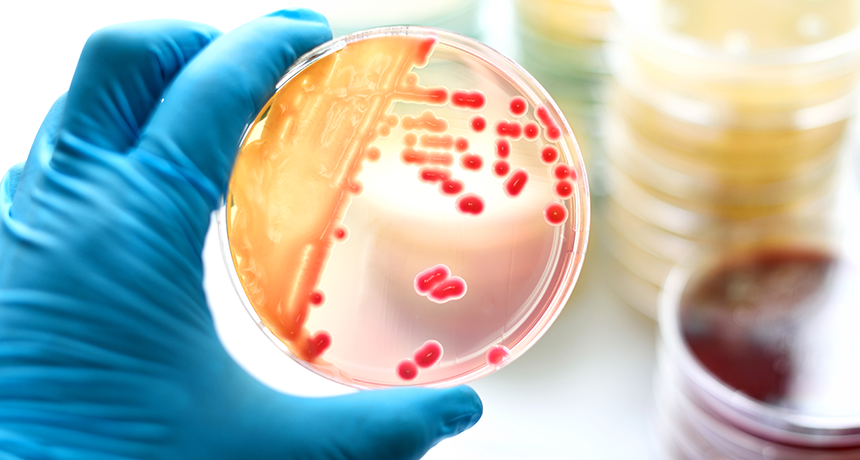
todozoo.com – In the vast tapestry of life, microbes are the unsung heroes, the tiny architects of our world. These microscopic organisms, invisible to the naked eye, play a pivotal role in shaping the environment, influencing human health, and even driving the evolution of life on Earth. From the depths of the ocean to the highest peaks, microbes are ubiquitous, and their impact is profound.
The Invisible World of Microbes
Microbes, including bacteria, viruses, fungi, and protozoa, are the smallest forms of life. They are so small that millions can fit on the head of a pin. Despite their minuscule size, they are the most abundant life forms on the planet. Every environment, from the most extreme to the most benign, hosts a diverse community of microbes.
The Architects of Earth’s Ecosystems
Soil Health and Fertility
Microbes are the custodians of soil health. They break down dead organic matter, recycling nutrients and making them available for plants. This process, known as decomposition, is vital for the fertility of soil and the growth of vegetation. Without microbes, the Earth would be barren, unable to sustain the diverse ecosystems we see today.
Climate Regulation
Microbes also play a crucial role in regulating the Earth’s climate. They are involved in the carbon and nitrogen cycles, which are essential for the balance of greenhouse gases in the atmosphere. Certain microbes can even capture carbon dioxide, a major greenhouse gas, and convert it into biomass, contributing to the fight against climate change.
The Guardians of Human Health
Symbiotic Relationships
Humans have a symbiotic relationship with microbes. The human body is home to trillions of microbes, collectively known as the microbiome. These microbes help with digestion, produce essential vitamins, and protect against pathogens. The microbiome is so integral to human health that it is often referred to as the “forgotten organ.”
Disease and Immunity
While most microbes are beneficial, some can cause disease. Pathogenic microbes have driven the course of human history, from the Black Death to the COVID-19 pandemic. However, microbes also play a crucial role in strengthening the human immune system. Exposure to a diverse range of microbes in early life helps train the immune system to distinguish between harmless and harmful organisms, reducing the risk of allergies and autoimmune diseases.
The Innovators of Biotechnology
Antibiotics and Vaccines
Microbes have been the source of some of the most significant medical breakthroughs. Antibiotics, derived from bacteria and fungi, have saved countless lives by combating bacterial infections. Similarly, vaccines, many of which are produced using microbial cultures, have eradicated or controlled diseases that once ravaged humanity.
Environmental Applications
In the realm of environmental science, microbes are used to clean up pollution. Bioremediation harnesses the power of microbes to break down pollutants, transforming toxic substances into harmless compounds. This technology is a testament to the potential of microbes to solve some of the world’s most pressing environmental challenges.
Conclusion
The mighty microbes, though invisible to the naked eye, are the architects of our world. They shape the environment, influence human health, and drive innovation in biotechnology. As we continue to uncover the secrets of these tiny organisms, we gain a deeper appreciation for their role in the intricate web of life. By understanding and respecting microbes, we can harness their power to address the challenges facing our planet and improve the health and well-being of all living beings.