The Red Tent (1969): A Historical Epic of Survival & Exploration

todozoo.com – “The Red Tent” is a 1969 historical adventure film directed by Mikhail Kalatozov. This international co-production features an ensemble cast, including Sean Connery, Peter Finch, and Claudia Cardinale. The film is inspired by the real-life events of the 1928 dirigible expedition led by Italian General Umberto Nobile to the North Pole. Through its epic narrative and dramatic depiction of human endurance, “The Red Tent” explores themes of survival, leadership, and the human spirit.

Plot Overview

The film recounts the ill-fated Arctic expedition of the airship Italia, commanded by General Umberto Nobile (played by Peter Finch). As the airship crashes on the ice, the crew is forced to survive under harsh conditions, setting up a makeshift camp using their red tent. The story unfolds through a series of flashbacks and a fictionalized account of Nobile’s later life, where he is haunted by memories of the expedition. Sean Connery portrays the legendary polar explorer Roald Amundsen, who plays a pivotal role in the rescue efforts.

Themes and Style

“The Red Tent” delves into the complexities of leadership and the moral dilemmas faced by those in command during life-and-death situations. The film examines the psychological struggles of Nobile as he grapples with guilt and responsibility for the lives lost during the expedition.

Kalatozov’s direction captures the stark beauty and treacherous nature of the Arctic environment, using sweeping cinematography to immerse viewers in the vast frozen landscape. The film’s score, composed by Ennio Morricone, adds to the emotional weight of the narrative, enhancing the tension and drama of the unfolding events.

Performances

The film boasts strong performances from its international cast. Peter Finch delivers a nuanced portrayal of General Nobile, capturing the character’s internal conflict and resilience. Sean Connery brings charisma and gravitas to his role as Amundsen, while Claudia Cardinale adds depth to the story as Valeria, Nobile’s supportive but concerned companion.

Reception and Legacy

“The Red Tent” received mixed reviews upon its release, with praise for its ambitious scope and visual grandeur. Despite its initial reception, the film has gained appreciation over time for its historical significance and artistic achievements. It stands as a compelling retelling of a dramatic chapter in polar exploration history.

Conclusion

“The Red Tent” (1969) offers a gripping account of survival against the odds, set against the backdrop of one of the most challenging environments on Earth. Its exploration of leadership, courage, and the human capacity to endure makes it a memorable entry in the genre of historical adventure films. Through its powerful storytelling and striking visuals, “The Red Tent” continues to resonate with audiences interested in the triumphs and trials of exploration.
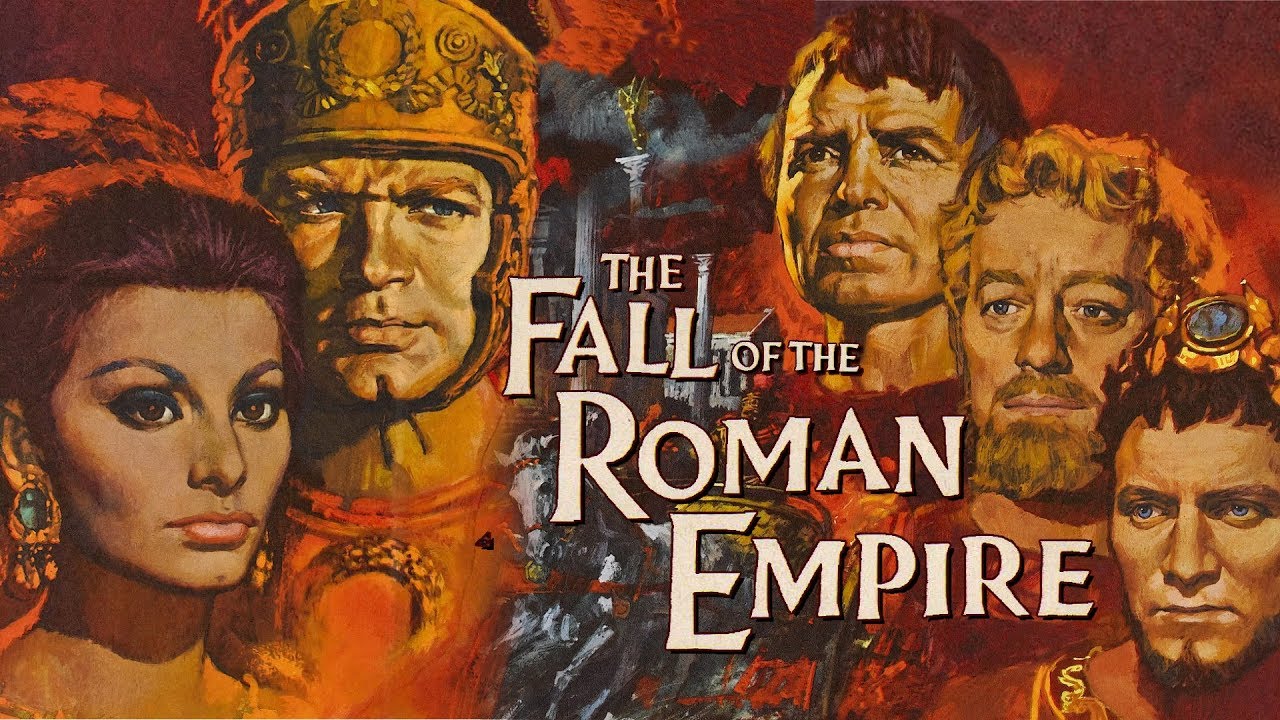
The Fall of the Roman Empire (1964): A Cinematic Epic

todozoo.com  – Released in 1964, “The Fall of the Roman Empire” stands as a monumental cinematic achievement that endeavors to depict the grandeur and eventual decline of one of history’s greatest empires. Directed by Anthony Mann, this film is a classic example of the historical epic genre, capturing the imagination of audiences with its elaborate sets, grand battle sequences, and a star-studded cast.

Plot Overview

The film is set during the reign of Emperor Marcus Aurelius and explores the political and social factors that contributed to the decline of the Roman Empire. Marcus Aurelius, played by Alec Guinness, is portrayed as a wise and just ruler who seeks to secure the future of Rome by appointing his adopted son, Livius (Stephen Boyd), as his successor. However, his plans are thwarted when his biological son, Commodus (Christopher Plummer), takes the throne following Aurelius’s death.

Commodus’s tyrannical rule leads to corruption and unrest within the empire, setting the stage for its eventual collapse. The film interweaves personal drama with historical events, exploring themes of power, loyalty, and betrayal.

Cast and Characters

“The Fall of the Roman Empire” features an impressive ensemble cast, including:

  • Stephen Boyd as Livius, the noble and conflicted protagonist.
  • Sophia Loren as Lucilla, the daughter of Marcus Aurelius and Livius’s love interest.
  • Alec Guinness as Marcus Aurelius, the wise emperor with a vision for Rome’s future.
  • Christopher Plummer as Commodus, the ambitious and ruthless antagonist.
  • James Mason as Timonides, a philosopher and advisor.

Production and Cinematography

The film is renowned for its lavish production values. Filmed on location in Spain, the production team constructed massive sets, including a replica of the Roman Forum, to authentically recreate the grandeur of ancient Rome. The film’s budget was one of the largest of its time, reflecting the ambition of the project.

Cinematographer Robert Krasker captured the epic scale of the film with sweeping wide shots and intricate set pieces that highlighted the richness of the Roman world. The film’s visual spectacle, combined with Dimitri Tiomkin’s powerful musical score, enhances the dramatic narrative.

Historical Accuracy and Themes

While “The Fall of the Roman Empire” takes certain liberties with historical facts for dramatic purposes, it successfully conveys the essence of the period’s complexities. The film delves into the themes of moral decay, political intrigue, and the consequences of absolute power, all of which resonate with the historical realities of Rome’s decline.

The portrayal of Commodus as a tyrant, for instance, echoes historical accounts of his reign, while the film’s depiction of internal strife and external pressures reflects the multifaceted challenges faced by the empire.

Reception and Legacy

Upon its release, “The Fall of the Roman Empire” received mixed reviews, with some critics praising its visual grandeur and others critiquing its pacing and narrative depth. Despite its initial reception, the film has gained recognition over the years for its ambitious scope and has influenced subsequent historical epics.

The film’s detailed production design and commitment to creating an immersive historical experience have earned it a place in the canon of classic epic cinema. It serves as a precursor to later films like “Gladiator,” which also explore similar themes of power and decline in ancient Rome.

Conclusion

“The Fall of the Roman Empire” (1964) remains a significant entry in the genre of historical epics. With its compelling performances, stunning visuals, and exploration of timeless themes, the film offers a captivating portrayal of one of history’s most fascinating periods. Despite its age, the film continues to be a testament to the enduring allure of the Roman Empire’s story and the cinematic power of historical storytelling.