
Haywire: A Family’s Turbulent Tapestry

todozoo.com – Haywire (1980) is a captivating television miniseries that delves into the complex and often tumultuous lives of the Hayward family. This biographical drama, based on Brooke Hayward’s memoir, offers a poignant and unflinching look at the joys, sorrows, and dysfunctions of a family marked by fame, fortune, and tragedy.   

A Stellar Cast Brings the Story to Life

The miniseries boasts a talented cast that brings the Hayward family to life:

  • Lee Remick as Margaret Sullavan, the luminous actress and troubled mother.  
  • Deborah Raffin as Brooke Hayward, the insightful and sensitive daughter.  
  • Jason Robards as Leland Hayward, the powerful theatrical producer and complex father figure. 

A Non-Linear Narrative Unravels the Past

Haywire employs a non-linear narrative structure, seamlessly weaving together past and present to create a rich and layered portrait of the family. Through flashbacks and present-day scenes, the miniseries explores the impact of Margaret Sullavan’s untimely death on her family and the enduring legacy of the Hayward name.  

A Deep Dive into the Golden Age of Hollywood

The film provides a fascinating glimpse into the glamorous world of Hollywood’s Golden Age, offering a behind-the-scenes look at the lives of its stars. The miniseries delves into the personal struggles and public triumphs of Margaret Sullavan, one of the most talented actresses of her generation.  

A Timeless Exploration of Family Dynamics

Beyond its historical significance, Haywire is a timeless exploration of family dynamics, love, loss, and the enduring bonds of kinship. The film’s honest portrayal of the Hayward family’s complexities and contradictions resonates with audiences, offering a poignant reminder of the importance of family and the power of human connection.

A Must-Watch for Fans of Historical Drama

For fans of historical drama and biographical films, Haywire is a must-watch. Its compelling storytelling, strong performances, and insightful exploration of the human condition make it a truly memorable television experience.
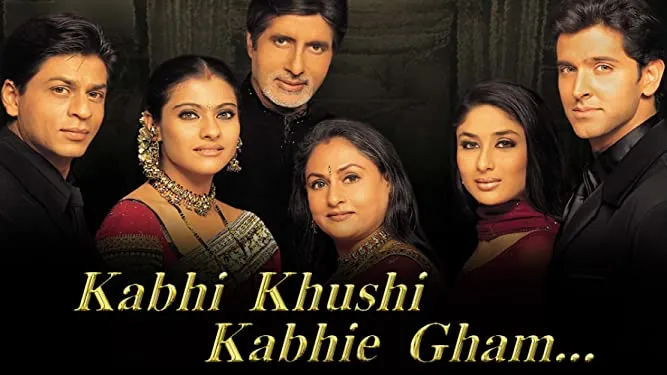

Kabhi Khushi Kabhie Gham: A Timeless Tale of Love & Family

todozoo.com – “Kabhi Khushi Kabhie Gham,” often abbreviated as K3G, is a Bollywood film that continues to capture the hearts of audiences worldwide. Released in 2001, this film is a quintessential family drama that blends emotion, music, and grandeur. Directed by Karan Johar, it features an ensemble cast of some of the biggest names in the Indian film industry, including Amitabh Bachchan, Jaya Bachchan, Shah Rukh Khan, Kajol, Hrithik Roshan, and Kareena Kapoor.

Plot Summary

The movie explores the complex dynamics within a wealthy Indian family, the Raichands, headed by the stern yet loving patriarch Yashvardhan Raichand (Amitabh Bachchan) and his supportive wife Nandini (Jaya Bachchan). Their adopted son, Rahul (Shah Rukh Khan), falls in love with Anjali (Kajol), a vivacious and spirited woman from a lower socio-economic background. This relationship creates a rift in the family, leading Rahul to leave home and settle in London. The story then follows the journey of Rohan (Hrithik Roshan), the younger Raichand sibling, as he attempts to reunite his fractured family.

Themes

Family and Tradition

At its core, “Kabhi Khushi Kabhie Gham” is a film about the importance of family and the value of tradition. It beautifully illustrates how love and understanding can bridge the gap between generations and cultural differences.

Love and Sacrifice

The movie delves into the theme of love, exploring its various forms—romantic love, parental love, and sibling love. Sacrifice emerges as a recurring motif, with characters making significant personal sacrifices for the happiness of their loved ones.

Music and Cinematography

The film is renowned for its captivating soundtrack, composed by Jatin-Lalit, Sandesh Shandilya, and Aadesh Shrivastava. Songs like “Bole Chudiyan” and “Suraj Hua Maddham” remain popular even today. The cinematography, helmed by Kiran Deohans, adds to the film’s grandeur with its stunning visuals and opulent set designs.

Cultural Impact

“Kabhi Khushi Kabhie Gham” has left an indelible mark on Indian cinema and popular culture. Its dialogues, music, and iconic scenes have become a part of the lexicon of Bollywood fans. The film’s exploration of themes like family, love, and tradition resonates with audiences across generations and cultures, making it a timeless classic.

Conclusion

“Kabhi Khushi Kabhie Gham” is more than just a movie; it is an emotional journey that celebrates the bonds of family and the power of love. Its universal themes and memorable performances ensure that it remains a beloved film, cherished by audiences around the world.

Cultivating Emotional Intelligence Within the Family

todozoo.com – Emotional intelligence (EI) is the capacity to be aware of, control, and express one’s emotions, and to handle interpersonal relationships judiciously and empathetically. Within the family context, cultivating emotional intelligence is crucial for fostering healthy relationships, effective communication, and a supportive environment. This article explores strategies for nurturing emotional intelligence within the family, ensuring that all members can navigate emotions constructively and empathetically.

1. Encourage Emotional Awareness

The first step in cultivating emotional intelligence is to help family members become aware of their emotions. Encourage open discussions about feelings, and validate each person’s emotional experiences without judgment. Use emotional vocabulary regularly, and help children label their feelings accurately. This awareness lays the foundation for understanding and managing emotions.

2. Teach Emotional Regulation

Emotional regulation is the ability to manage and control one’s emotions in a healthy way. Teach your children coping strategies for dealing with strong emotions, such as deep breathing, counting to ten, or taking a walk. Model these behaviors yourself, and discuss how you handle your emotions. Encourage the use of “I” statements to express feelings without blaming others.

3. Foster Empathy

Empathy is the ability to understand and share the feelings of another. Encourage your children to consider others’ perspectives by asking questions like, “How do you think she feels?” or “What might he be going through?” Role-play different scenarios to practice empathy, and highlight characters in books or movies who demonstrate empathy. By fostering empathy, you help your children develop stronger relationships and a deeper sense of compassion.

4. Promote Effective Communication

Effective communication is key to resolving conflicts and building strong family bonds. Teach your children the importance of active listening, where they listen to understand rather than to respond. Encourage them to express their needs and boundaries clearly and respectfully. Family meetings can be a great forum for practicing these communication skills, where each member has a chance to be heard.

5. Model Emotional Intelligence

Children learn by example, so it’s important for parents and caregivers to model emotional intelligence. Demonstrate how to handle your emotions constructively, communicate effectively, and show empathy towards others. Acknowledge when you make mistakes and discuss how you can learn from them. Your behavior sets the tone for the emotional climate of your family.

6. Encourage Social Responsibility

Emotional intelligence extends beyond the family to include social responsibility and awareness. Encourage your children to think about how their actions affect others and to consider the broader community. Volunteering, participating in community service, or engaging in discussions about current events can foster a sense of social responsibility and emotional intelligence.

Conclusion

Cultivating emotional intelligence within the family is a profound investment in the well-being of all its members. By encouraging emotional awareness, teaching emotional regulation, fostering empathy, promoting effective communication, modeling emotional intelligence, and encouraging social responsibility, you create a nurturing environment where emotional growth and understanding flourish. Remember, emotional intelligence is a skill that can be developed over time with patience, practice, and commitment.

Romance, Family, and Society: Korean Dramas

todozoo.com – Korean dramas, or “K-dramas,” have become a global phenomenon, captivating audiences worldwide with their unique blend of romance, family dynamics, and social commentary. These serialized television shows from South Korea are renowned for their engaging storylines, relatable characters, and the way they reflect and critique contemporary society.

The Allure of Romance in K-dramas

One of the most appealing aspects of Korean dramas is their portrayal of romance. Unlike the often fleeting or superficial depictions of love in Western media, K-dramas delve deep into the emotional and psychological complexities of romantic relationships. They explore themes of love at first sight, star-crossed lovers, and the slow burn of a relationship that develops over time. The romantic storylines in K-dramas are characterized by their emotional depth, the chemistry between characters, and the cultural nuances that add layers to the narrative.

Family Dynamics: The Heart of K-dramas

Family plays a central role in Korean culture, and this is reflected in the structure and themes of K-dramas. Many dramas revolve around the dynamics within families, including the challenges of filial piety, the pressures of living up to family expectations, and the complexities of intergenerational relationships. K-dramas often explore the sacrifices characters make for their families, the conflicts that arise, and the eventual reconciliation and healing that come with understanding and acceptance.

Reflecting and Shaping Society

Korean dramas are not just entertainment; they are also a mirror to society. Many K-dramas tackle social issues head-on, including class disparity, gender inequality, mental health, and the challenges of modern life. By weaving these issues into their narratives, K-dramas offer a space for reflection and discussion, sometimes even prompting societal change. For example, dramas that depict mental health issues have contributed to destigmatizing these conditions in South Korea and beyond.

Conclusion

Korean dramas offer a rich tapestry of romance, family dynamics, and social commentary. They have the power to entertain, to move, and to provoke thought. As the popularity of K-dramas continues to grow, they serve as a bridge between cultures, offering a glimpse into Korean society and its values. Whether you’re a fan of romance, family sagas, or thought-provoking narratives, there’s a K-drama out there for you. And as you watch, you might just find yourself learning something new about love, family, and the world we live in.