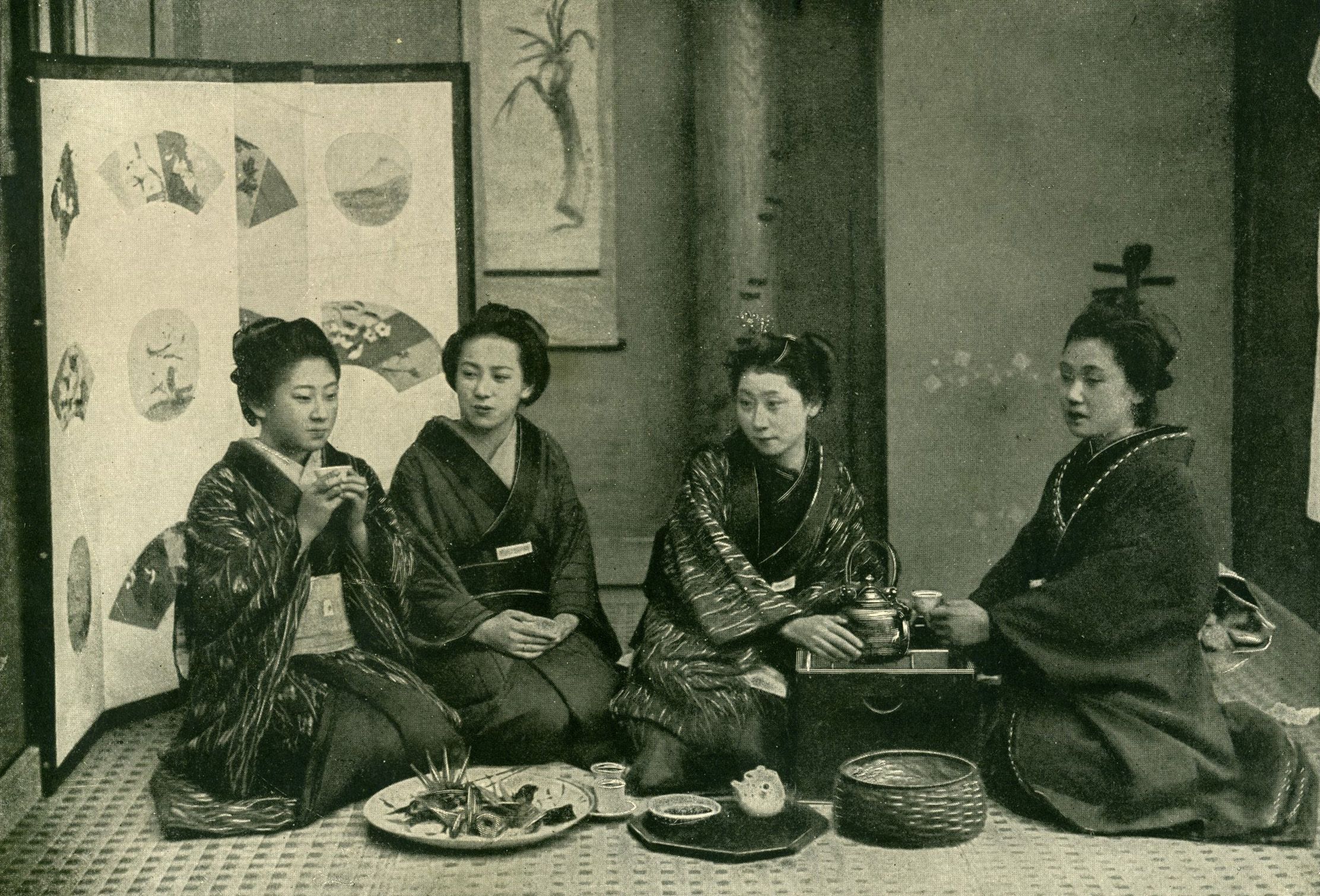
Women’s Rights & Roles in Ancient Japanese Society

todozoo.com – The roles and rights of women in ancient Japanese society were shaped by a complex interplay of cultural, religious, and historical factors. This article explores the evolution of women’s status from the early Shinto period through the Heian era, highlighting the inconsistencies and changes that occurred over time.

Early Shinto Period

During the early Shinto period, women held significant roles in religious and cultural life. Shintoism, the indigenous religion of Japan, often revered women as spiritual leaders and mediums. This period saw women participating actively in religious ceremonies and rituals, which granted them a certain level of respect and influence within their communities.

Transition to Matriarchal Antiquity

The role of women in ancient Japan was not static and evolved significantly over time. Initially, there were periods of matriarchal influence where women held considerable power and authority. However, as different cultural and religious influences integrated into Japanese society, the status of women began to fluctuate. The introduction of Buddhism and Confucianism, for instance, brought about changes that often diminished women’s roles and rights.

Heian Period

The Heian period (794-1185) marked a significant shift in the status of women. While some high-ranking women, such as empresses and noblewomen, retained considerable influence and were even involved in political affairs, the majority of women saw a decline in their rights and freedoms. The Heian period is often noted for its literary achievements, many of which were produced by women, but this period also saw the entrenchment of patriarchal norms that limited women’s participation in public life.

Legal and Social Constraints

Legally, women in ancient Japan faced numerous constraints. They were often denied the right to inherit property or hold public office. Marriage laws were also heavily skewed in favor of men, with women having little say in their marital arrangements. These legal and social restrictions were further reinforced by cultural norms that emphasized women’s roles as wives and mothers, rather than as independent individuals.

Conclusion

The roles and rights of women in ancient Japanese society were dynamic and subject to significant changes over time. From the revered status of women in early Shintoism to the more restricted roles during the Heian period, the evolution of women’s status reflects the broader cultural and religious shifts that occurred in Japanese history. Despite these challenges, women continued to play vital roles in shaping Japanese society and culture.

By examining these historical contexts, we gain a deeper understanding of the complexities and nuances of women’s experiences in ancient Japan.


The Impact of French Colonialism on Tunisian Society

todozoo.com – The history of Tunisia is marked by various influences, including the profound impact of French colonialism. From 1881 to 1956, Tunisia was under French control, a period that significantly shaped the country’s social, economic, and political landscape. The legacy of French colonial rule is complex and multifaceted, with both positive and negative consequences that continue to influence Tunisian society today.

The Establishment of French Rule

French colonialism in Tunisia began in 1881 with the Treaty of Bardo, which established a protectorate over the country. This marked the beginning of a period of significant change, as the French sought to impose their administrative, economic, and cultural systems on Tunisia.

Social and Cultural Impacts

Education and Language

One of the most enduring legacies of French colonialism is the influence on Tunisia’s education system and language. The French introduced a modern education system that emphasized French language and culture. This had a lasting impact, as French became the language of administration, education, and the elite. Today, French is widely spoken in Tunisia, and bilingualism in Arabic and French is common, particularly among the educated classes.

Urban Development

French colonial authorities also left their mark on Tunisian cities, particularly the capital, Tunis. The French implemented urban planning projects that transformed the city, creating the modern European-style quarter known as the Ville Nouvelle, while the traditional Tunisian quarter, the Medina, was largely preserved. This dual-city structure reflects the colonial divide between the European colonizers and the indigenous population.

Economic Impacts

French colonial rule significantly altered Tunisia’s economy. The French introduced new agricultural practices, infrastructure projects, and industries, which modernized the economy but also led to the exploitation of Tunisian resources and labor. The colonial economy was designed to benefit France, leading to the displacement of local farmers and the concentration of wealth in European hands.

Political Impacts

The political impact of French colonialism was profound, sparking nationalist movements that sought independence. The struggle against colonial rule fostered a sense of Tunisian identity and unity, leading to the formation of political parties and movements that advocated for self-determination. The most notable of these was the Destourian movement, which eventually led to Tunisia’s independence in 1956.

Conclusion

The impact of French colonialism on Tunisian society is complex and enduring. While it brought about modernization and development, it also resulted in economic exploitation, social stratification, and cultural imposition. The legacy of colonial rule continues to influence Tunisia’s social, economic, and political landscape, shaping the country’s trajectory in the post-colonial era. Understanding this history is crucial to appreciating the challenges and opportunities that Tunisia faces today.

Romance, Family, and Society: Korean Dramas

todozoo.com – Korean dramas, or “K-dramas,” have become a global phenomenon, captivating audiences worldwide with their unique blend of romance, family dynamics, and social commentary. These serialized television shows from South Korea are renowned for their engaging storylines, relatable characters, and the way they reflect and critique contemporary society.

The Allure of Romance in K-dramas

One of the most appealing aspects of Korean dramas is their portrayal of romance. Unlike the often fleeting or superficial depictions of love in Western media, K-dramas delve deep into the emotional and psychological complexities of romantic relationships. They explore themes of love at first sight, star-crossed lovers, and the slow burn of a relationship that develops over time. The romantic storylines in K-dramas are characterized by their emotional depth, the chemistry between characters, and the cultural nuances that add layers to the narrative.

Family Dynamics: The Heart of K-dramas

Family plays a central role in Korean culture, and this is reflected in the structure and themes of K-dramas. Many dramas revolve around the dynamics within families, including the challenges of filial piety, the pressures of living up to family expectations, and the complexities of intergenerational relationships. K-dramas often explore the sacrifices characters make for their families, the conflicts that arise, and the eventual reconciliation and healing that come with understanding and acceptance.

Reflecting and Shaping Society

Korean dramas are not just entertainment; they are also a mirror to society. Many K-dramas tackle social issues head-on, including class disparity, gender inequality, mental health, and the challenges of modern life. By weaving these issues into their narratives, K-dramas offer a space for reflection and discussion, sometimes even prompting societal change. For example, dramas that depict mental health issues have contributed to destigmatizing these conditions in South Korea and beyond.

Conclusion

Korean dramas offer a rich tapestry of romance, family dynamics, and social commentary. They have the power to entertain, to move, and to provoke thought. As the popularity of K-dramas continues to grow, they serve as a bridge between cultures, offering a glimpse into Korean society and its values. Whether you’re a fan of romance, family sagas, or thought-provoking narratives, there’s a K-drama out there for you. And as you watch, you might just find yourself learning something new about love, family, and the world we live in.