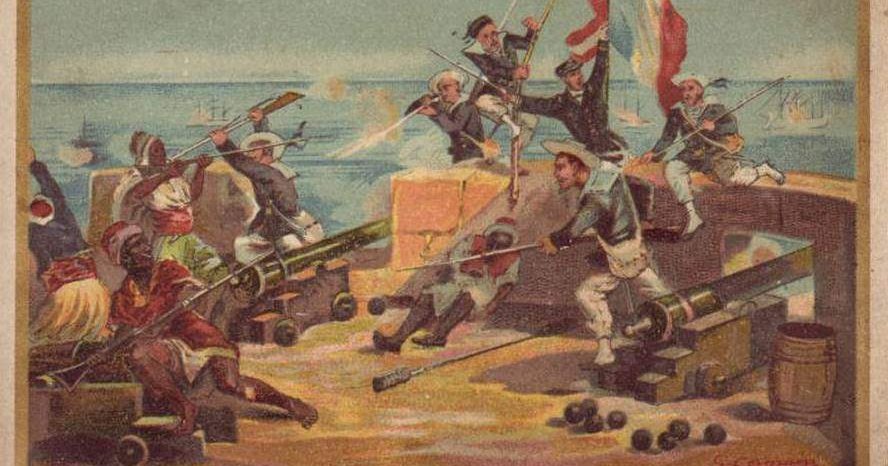
todozoo.com – The history of Tunisia is marked by various influences, including the profound impact of French colonialism. From 1881 to 1956, Tunisia was under French control, a period that significantly shaped the country’s social, economic, and political landscape. The legacy of French colonial rule is complex and multifaceted, with both positive and negative consequences that continue to influence Tunisian society today.
The Establishment of French Rule
French colonialism in Tunisia began in 1881 with the Treaty of Bardo, which established a protectorate over the country. This marked the beginning of a period of significant change, as the French sought to impose their administrative, economic, and cultural systems on Tunisia.
Social and Cultural Impacts
Education and Language
One of the most enduring legacies of French colonialism is the influence on Tunisia’s education system and language. The French introduced a modern education system that emphasized French language and culture. This had a lasting impact, as French became the language of administration, education, and the elite. Today, French is widely spoken in Tunisia, and bilingualism in Arabic and French is common, particularly among the educated classes.
Urban Development
French colonial authorities also left their mark on Tunisian cities, particularly the capital, Tunis. The French implemented urban planning projects that transformed the city, creating the modern European-style quarter known as the Ville Nouvelle, while the traditional Tunisian quarter, the Medina, was largely preserved. This dual-city structure reflects the colonial divide between the European colonizers and the indigenous population.
Economic Impacts
French colonial rule significantly altered Tunisia’s economy. The French introduced new agricultural practices, infrastructure projects, and industries, which modernized the economy but also led to the exploitation of Tunisian resources and labor. The colonial economy was designed to benefit France, leading to the displacement of local farmers and the concentration of wealth in European hands.
Political Impacts
The political impact of French colonialism was profound, sparking nationalist movements that sought independence. The struggle against colonial rule fostered a sense of Tunisian identity and unity, leading to the formation of political parties and movements that advocated for self-determination. The most notable of these was the Destourian movement, which eventually led to Tunisia’s independence in 1956.
Conclusion
The impact of French colonialism on Tunisian society is complex and enduring. While it brought about modernization and development, it also resulted in economic exploitation, social stratification, and cultural imposition. The legacy of colonial rule continues to influence Tunisia’s social, economic, and political landscape, shaping the country’s trajectory in the post-colonial era. Understanding this history is crucial to appreciating the challenges and opportunities that Tunisia faces today.