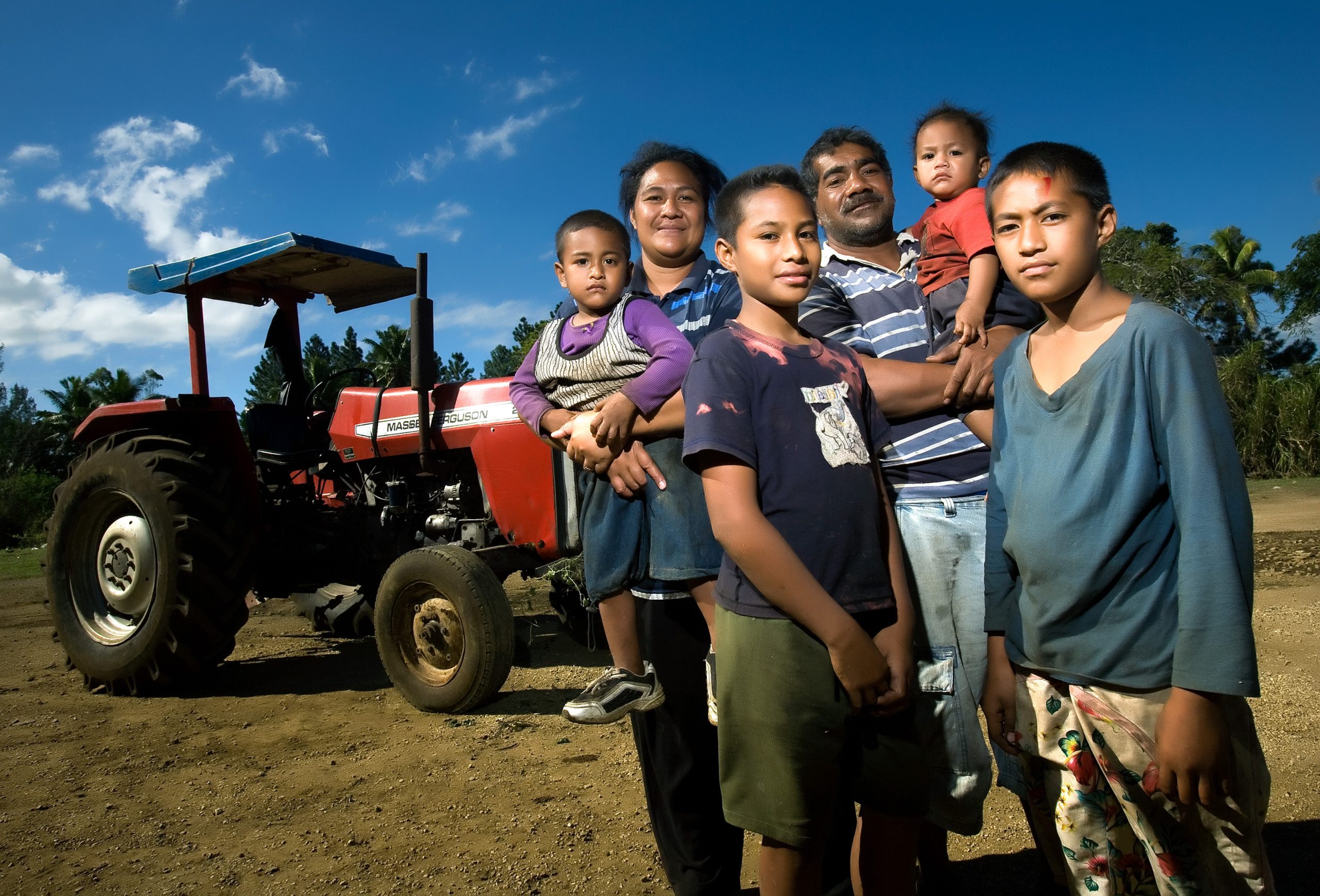
todozoo.com – Tongan migration is a complex and multifaceted phenomenon that has evolved over centuries. The movement of Tongans, both within the Pacific region and to more distant shores, has been influenced by a variety of factors including economic opportunities, environmental challenges, and social networks. This article explores the patterns and impacts of Tongan migration, shedding light on the experiences and contributions of Tongan migrants.
Historical Context of Tongan Migration
Historically, Tongans were seafaring people who navigated the Pacific Ocean with remarkable skill. Their traditional voyages were primarily for trade, exploration, and the establishment of social and political connections. However, the advent of European colonization and the globalization of the economy significantly altered the patterns of Tongan migration.
Contemporary Migration Patterns
In contemporary times, Tongan migration is characterized by several key patterns:
1. Internal Migration
Internal migration within the Tongan archipelago is common, with people moving from rural areas to urban centers in search of better employment and educational opportunities. This movement has led to the growth of cities like Nuku’alofa and the development of a more urbanized society.
2. Regional Migration
Tongans also migrate within the Pacific region, often to countries like New Zealand, Australia, and the United States. This migration is driven by economic factors, as these countries offer higher wages and better job prospects. Additionally, regional migration is facilitated by social networks and family ties that have been established over generations.
3. International Migration
International migration to more distant countries is another significant pattern. Tongans have settled in various parts of the world, including the United States, Canada, and Europe. This migration is often motivated by educational opportunities, family reunification, and the desire for a better quality of life.
Impacts of Tongan Migration
The impacts of Tongan migration are far-reaching, affecting both the sending and receiving countries:
1. Economic Impacts
Economically, migration has had mixed effects. On one hand, remittances from Tongan migrants are a vital source of income for many families and contribute to the national economy. On the other hand, the loss of skilled and educated individuals can lead to a brain drain, depriving Tonga of essential human capital.
2. Social and Cultural Impacts
Migration has also had profound social and cultural impacts. Tongan communities abroad have created vibrant diaspora cultures, blending traditional Tongan practices with elements of their host societies. This cultural exchange enriches both Tongan and global cultures. However, there are also challenges, such as the preservation of Tongan language and identity among younger generations.
3. Environmental Impacts
Environmental factors, such as climate change and natural disasters, are increasingly influencing Tongan migration patterns. Rising sea levels and more frequent cyclones threaten Tongan communities, prompting some to migrate in search of safer environments. This environmental migration raises important questions about climate justice and the rights of displaced peoples.
Conclusion
Tongan migration is a dynamic process shaped by historical, economic, social, and environmental factors. The patterns and impacts of migration reflect the resilience and adaptability of Tongan people, as well as the challenges they face in an increasingly globalized world. Understanding these dynamics is crucial for policymakers, communities, and individuals seeking to navigate the complexities of migration and its effects on society.