
Philadelphia Sports: A Legacy of Passion and Pride

todozoo.com – Philadelphia, known as the City of Brotherly Love, is also a city deeply rooted in sports tradition. With its passionate fan base, iconic teams, and historic moments, Philadelphia sports are a testament to the city’s enduring spirit and pride. From the roaring crowds at Lincoln Financial Field to the electric atmosphere at the Wells Fargo Center, the city’s sports scene is vibrant and full of life.

A Rich History of Winning and Dedication

Philadelphia is home to several professional sports teams, each contributing to the city’s rich sporting history. The Philadelphia Eagles, with their memorable Super Bowl LII victory, have long been the pride of the city’s football fans. Meanwhile, the Philadelphia Phillies boast a storied history in Major League Baseball, with multiple World Series titles under their belt.

The Philadelphia 76ers have had their share of basketball legends, from Wilt Chamberlain to Allen Iverson, leaving an indelible mark on the NBA. The Flyers, with their legacy of toughness and grit, have been a formidable force in the NHL.

Iconic Venues and Unforgettable Moments

Philadelphia’s sports venues are as iconic as the teams that play in them. Lincoln Financial Field, Citizens Bank Park, and the Wells Fargo Center are more than just places to watch a game; they are gathering spots for fans to unite and celebrate their shared passion.

Some of the most unforgettable moments in sports history have taken place in these venues. Whether it’s the Eagles’ miraculous “Philly Special” play during the Super Bowl or the Phillies’ triumphant 2008 World Series win, these moments are etched in the memory of every Philadelphia sports fan.

The Fans: The Lifeblood of Philadelphia Sports

Philadelphia’s sports fans are known for their unwavering loyalty and unbridled enthusiasm. They are the lifeblood of the city’s sports culture, supporting their teams through thick and thin. This passion is evident in the sea of green on game days for the Eagles, the raucous cheers echoing through the Wells Fargo Center, and the tireless chants at Citizens Bank Park.

The fans’ dedication is not just confined to the professional level. College sports, especially basketball, attract a fervent following, with local universities like Villanova achieving national acclaim.

A Legacy That Continues to Thrive

Philadelphia sports are more than just games; they are a way of life. The city’s legacy of sports passion and pride continues to thrive, with each generation passing down their love for the teams. As new athletes rise and new legends are made, Philadelphia’s sports legacy remains as strong as ever, inspiring hope and unity across the city.

Conclusion: A City United by Sports

In Philadelphia, sports are a unifying force, bringing together diverse communities in shared celebration and camaraderie. The legacy of passion and pride in Philadelphia sports is a testament to the city’s resilience and spirit, a legacy that will undoubtedly continue for generations to come.
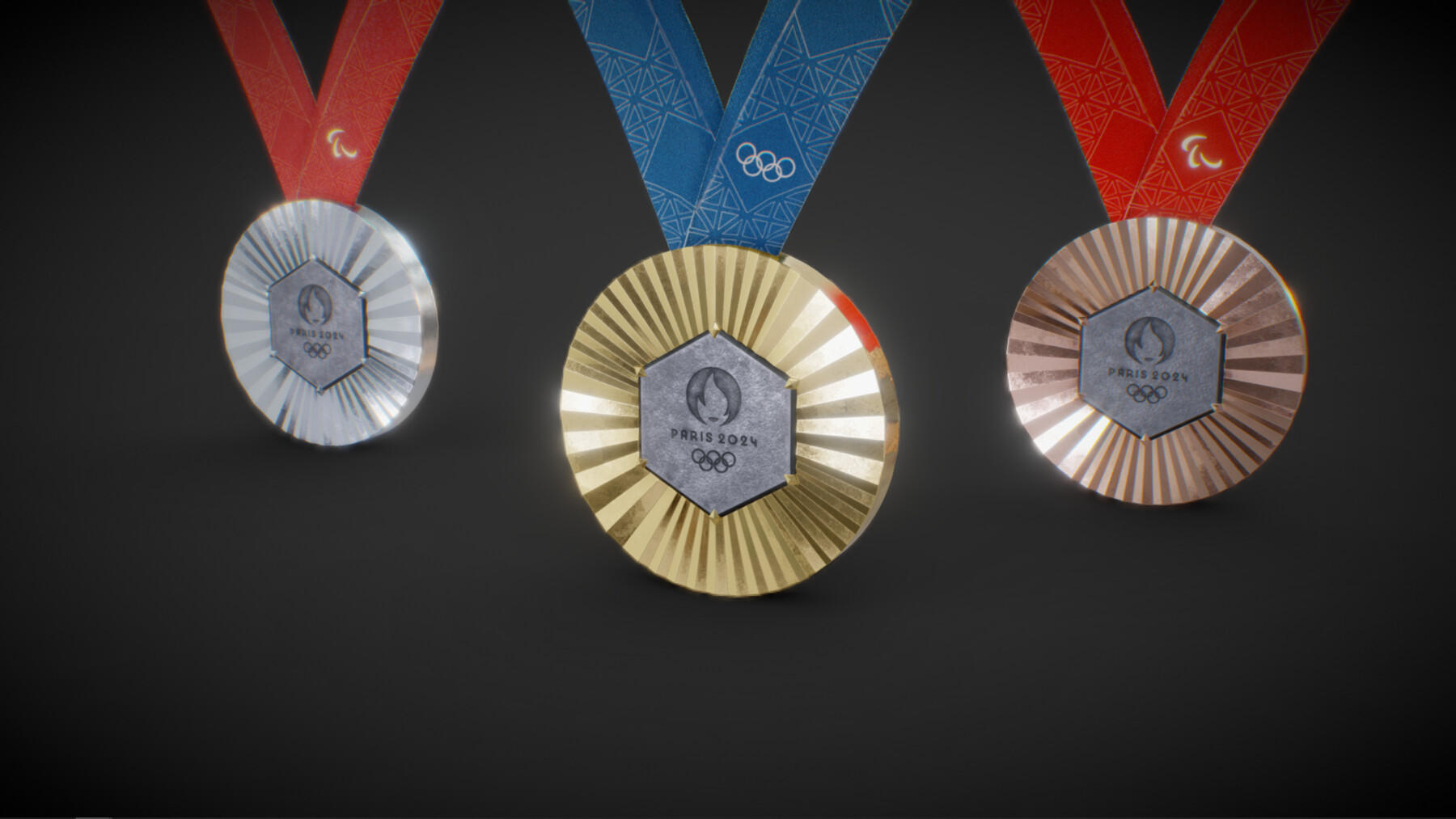
National Pride and Global Competition: The Olympic Medal Count

todozoo.com – The Olympic Games, a global spectacle that brings together the world’s finest athletes, is not just about individual glory and personal bests. It is also a platform where nations showcase their prowess, fostering a sense of national pride and igniting global competition. The Olympic medal count is a key indicator of this nationalistic fervor and international rivalry. It is a tally that goes beyond mere numbers, embodying the spirit of competition, the investment in sports, and the cultural significance of athletic achievement.

The Significance of the Medal Count

The medal count is more than just a scoreboard; it is a reflection of a nation’s investment in sports infrastructure, athlete development, and the overall health and fitness of its population. Countries with high medal counts are often seen as leaders in sports, with robust systems for identifying, training, and supporting athletes from a young age. This investment is not just financial but also cultural, with sports being an integral part of the national identity.

National Pride and the Medal Count

The Olympic Games are a time when national pride is palpable. Fans adorn themselves in their country’s colors, and the medal count becomes a source of national boasting rights. Each medal won is celebrated not just by the athlete but by the entire nation, symbolizing a collective achievement. The medal count can also serve as a unifying force, bringing together people from all walks of life to cheer for their country.

Global Competition and the Medal Count

On a global scale, the medal count is a testament to the shifting geopolitical landscape. Traditional sports powers like the United States, Russia, and China often dominate the medal tally, but emerging nations are increasingly making their mark. This global competition is not just about sports; it is also about soft power, with countries using their Olympic successes to project an image of strength, unity, and progress on the world stage.

The Controversy Surrounding the Medal Count

While the medal count is a popular measure of Olympic success, it is not without its critics. Some argue that it unfairly favors larger and wealthier nations that can afford to invest heavily in sports. Others point out that the focus on the medal count can detract from the achievements of athletes from smaller nations who may not have the same resources but still compete with heart and determination.

Conclusion

The Olympic medal count is a complex symbol of national pride and global competition. It reflects the investment, culture, and identity of nations, serving as a source of collective pride and international rivalry. While it is a popular measure of Olympic success, it is important to remember that the true spirit of the Games lies in the participation, the pursuit of excellence, and the coming together of the world’s athletes in the spirit of friendship and respect. As the world continues to evolve, so too will the significance of the medal count, but the Olympic Games will remain a unique and unifying event that transcends borders and cultures.