
Sofia Vergara: A Global Icon of Beauty and Talent

todozoo.com – Sofia Vergara, a Colombian-American actress, model, and television personality, has captivated audiences worldwide with her stunning beauty, infectious laughter, and undeniable talent. Best known for her iconic role as Gloria Delgado-Pritchett on the hit television series “Modern Family,” Vergara has become a global sensation, leaving an enduring mark on the entertainment industry.   

Early Life and Career Beginnings

Born on July 10, 1972, in Barranquilla, Colombia, Sofia Vergara’s journey to stardom began in her early twenties. She started her career as a model, appearing in numerous commercials and print advertisements. Her striking looks and magnetic personality quickly caught the attention of television producers, leading to her first acting roles in Colombian telenovelas.   

Rise to International Fame

Vergara’s breakthrough came in the early 2000s when she landed roles in American television series. Her comedic timing and natural charm made her a standout, and she soon became a sought-after actress. However, it was her role as Gloria Delgado-Pritchett on “Modern Family” that catapulted her to global fame.

The character of Gloria, a loud, passionate, and often hilarious Colombian mother, perfectly suited Vergara’s personality and comedic skills. Her portrayal of the character earned her numerous awards and nominations, including multiple Emmy Award nominations for Outstanding Supporting Actress in a Comedy Series.   

A Versatile Actress and Businesswoman   

Beyond “Modern Family,” Vergara has showcased her versatility as an actress, appearing in films such as “Hot Pursuit,” “Smurfs: The Lost Village,” and “Happy Feet Two.” She has also lent her voice to animated films like “Ice Age: Continental Drift” and “Emoji Movie.”   

In addition to her acting career, Vergara is a successful businesswoman. She has her own clothing line, Sofia by Sofia Vergara, and has partnered with various brands to launch beauty and lifestyle products.   

A Cultural Icon and Philanthropist

Sofia Vergara has become a cultural icon, admired for her beauty, intelligence, and entrepreneurial spirit. She has shattered stereotypes and paved the way for Latinx representation in Hollywood.   

Beyond her professional achievements, Vergara is also a dedicated philanthropist. She has supported various charitable organizations, including the St. Jude Children’s Research Hospital and the Latin American Scholarship Program.   

Sofia Vergara’s enduring popularity and influence are a testament to her talent, charisma, and hard work. She continues to inspire and entertain audiences worldwide, proving that beauty and intelligence can go hand in hand.
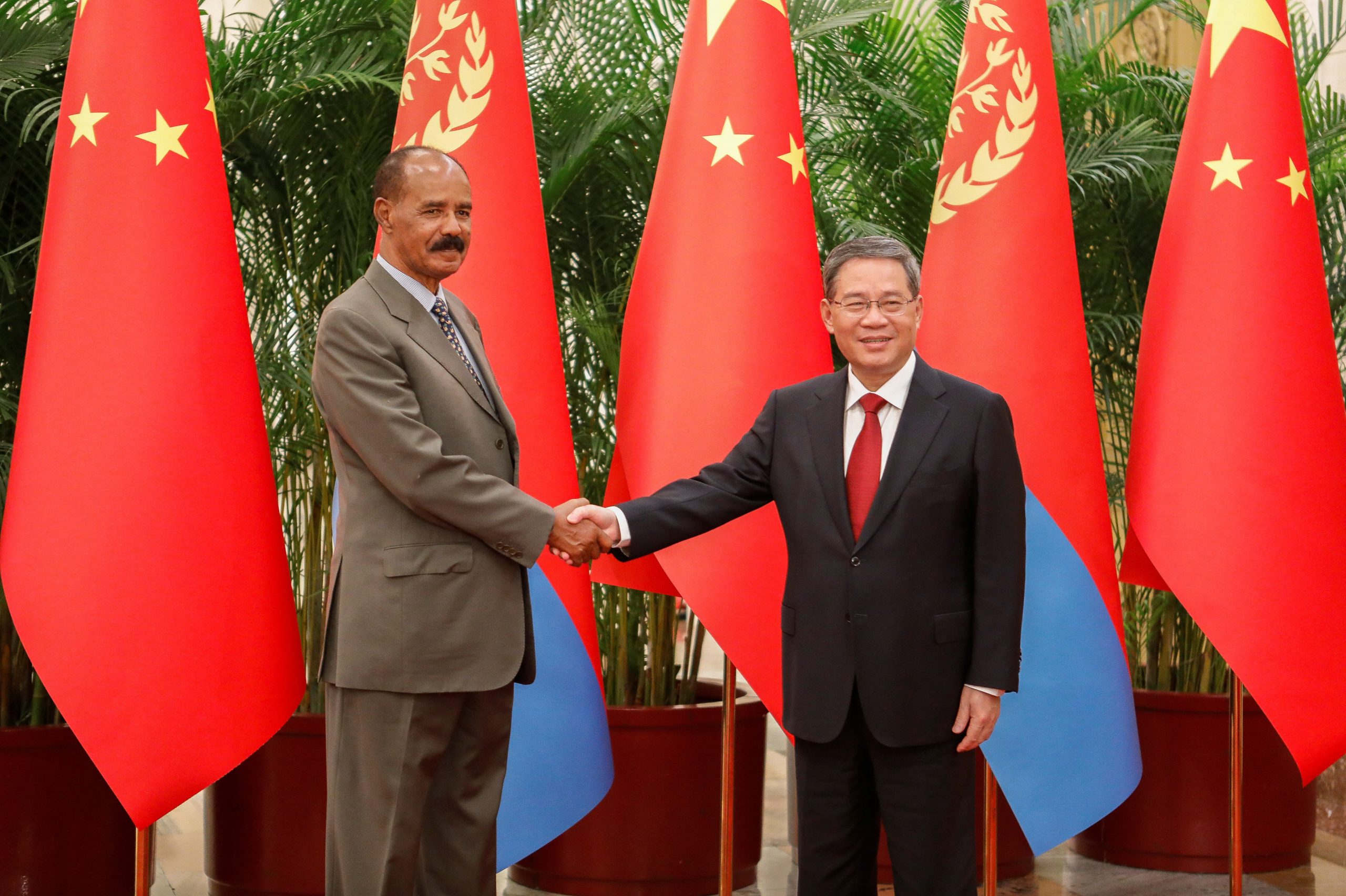

Global Affairs and Eritrea’s Role in International Diplomacy

todozoo.com – Eritrea, a small nation in the Horn of Africa, has played a significant role in international diplomacy and global affairs, particularly within its region. Despite its size, Eritrea’s strategic location and historical context have positioned it as a key player in regional dynamics. This article explores Eritrea’s involvement in international diplomacy and its impact on global affairs.

Historical Context

Eritrea’s role in international diplomacy cannot be understood without considering its historical context. The country gained independence from Ethiopia in 1993 after a prolonged struggle. This history of conflict and the subsequent establishment of a sovereign state have shaped Eritrea’s approach to international relations.

Regional Diplomacy

Eritrea’s primary focus in international diplomacy has been on regional affairs. The country has been involved in various regional conflicts and peace processes, particularly concerning the Horn of Africa. Eritrea’s relations with neighboring countries such as Ethiopia, Sudan, and Djibouti have been central to its diplomatic efforts.

Border Conflicts and Peace Initiatives

One of the most significant aspects of Eritrea’s role in international diplomacy has been its involvement in border conflicts and subsequent peace initiatives. The Eritrea-Ethiopia border conflict in the late 1990s and early 2000s drew international attention and led to various peace efforts, including the Algiers Agreement in 2000. Eritrea’s participation in these peace processes has been crucial for regional stability.

Human Rights and International Criticism

Eritrea has faced international criticism over its human rights record, which has at times strained its relations with Western countries and international organizations. The country’s policies on conscription, freedom of expression, and political repression have been subjects of concern. Navigating these criticisms while maintaining its sovereignty has been a diplomatic challenge for Eritrea.

Economic Diplomacy

Economic diplomacy is another area where Eritrea has sought to expand its role. The country has sought to attract foreign investment and aid to support its development efforts. Engaging with international financial institutions and regional economic communities has been part of Eritrea’s strategy to overcome economic challenges.

Participation in International Organizations

Eritrea is a member of various international organizations, including the United Nations, the African Union, and the Intergovernmental Authority on Development (IGAD). Participation in these organizations allows Eritrea to contribute to global discussions on peace, security, and development, while also advocating for its national interests.

Conclusion

Eritrea’s role in international diplomacy and global affairs is multifaceted, reflecting its historical experiences, regional dynamics, and national interests. While the country faces challenges related to human rights and economic development, its strategic location and diplomatic efforts position it as an important player in the Horn of Africa. As Eritrea continues to navigate its complex international relations, its actions will have implications not only for its own future but also for regional stability and global diplomacy.

Global Influence of Salvadorans Abroad: El Salvador’s Diaspora

todozoo.com – El Salvador’s diaspora, comprising millions of Salvadorans living outside their home country, has become a significant force in global affairs, influencing economic, social, and cultural landscapes around the world. This diaspora, particularly prominent in the United States, Canada, and various European countries, plays a crucial role in shaping the international image and development of El Salvador.

Economic Impact

One of the most tangible impacts of the Salvadoran diaspora is its economic contribution to El Salvador. Remittances from Salvadorans abroad constitute a substantial portion of the country’s GDP, providing essential financial support to families and contributing to the national economy. In 2023, remittances were estimated to exceed $6 billion, underscoring the diaspora’s critical role in sustaining El Salvador’s economic stability.

Cultural Influence

The Salvadoran diaspora has also left a significant mark on the cultural landscapes of their host countries. From the vibrant Salvadoran communities in Los Angeles and Toronto to the burgeoning Salvadoran populations in European cities like Madrid and Rome, Salvadorans have brought their rich cultural heritage to the global stage. This includes the celebration of traditional festivals, the promotion of Salvadoran cuisine, and the sharing of indigenous languages and customs, all of which have enriched the cultural diversity of their adopted homes.

Political Engagement

Salvadorans abroad have not only maintained strong ties with their homeland but have also become politically engaged, both in El Salvador and in their countries of residence. Many Salvadoran expatriates actively participate in elections, either by voting remotely or by returning to El Salvador to cast their ballots. This engagement reflects a deep sense of civic responsibility and a desire to influence the political direction of their home country.

Additionally, Salvadorans have become increasingly involved in the political processes of their host countries, advocating for immigrant rights, participating in local politics, and contributing to policy discussions that affect their communities.

Social Contributions

The Salvadoran diaspora has made significant social contributions, particularly in the realms of education and philanthropy. Many Salvadorans have pursued higher education abroad, contributing to academic and professional fields in their host countries. Simultaneously, they have established educational programs and charitable initiatives aimed at supporting communities in El Salvador, focusing on areas such as healthcare, education, and disaster relief.

Conclusion

The global influence of Salvadorans abroad is multifaceted, encompassing economic, cultural, political, and social dimensions. The Salvadoran diaspora’s contributions have not only sustained and enriched their communities in host countries but have also played a pivotal role in the development and international standing of El Salvador. As the diaspora continues to grow and engage with both their homeland and their adopted homes, their global influence is set to expand, further cementing their role as ambassadors of Salvadoran culture and values on the world stage.

The Ascendancy of Japanese Films in the Global Market

todozoo.com – In the year 2024, Japanese films have experienced a significant surge in popularity and success on the global stage, marking a pivotal moment in the international film industry. This article explores the key factors contributing to this rise and the impact it has had on the global market.

Box Office Success and Market Share

Japan’s box office performance in 2024 was robust, with a notable 4 percent increase from the previous year, reaching a post-pandemic high of $1.5 billion. This growth reflects a strong recovery and the resilience of the Japanese film industry. Japanese movies accounted for 66.9 percent of the box office gross receipts in Japan, indicating a strong domestic market presence.

Global Recognition and Awards

The success of Japanese films in the United States has been particularly noteworthy. Films like “Godzilla Minus One” and “Kimitachi wa Do Ikiruka” (“The Boy and the Heron”) have not only performed well at the box office but have also secured prestigious awards, further boosting the international appeal of Japanese cinema.

Animation and Live-Action Contributions

The Japanese film market is characterized by a strong emphasis on animation, which continues to be a significant driver of the industry. Animation films have dominated the top spots in the box office, showcasing the enduring appeal and influence of Japanese animation on a global scale. Additionally, live-action adaptations of popular manga series, such as Toei’s adaptation of “Oshi No Ko,” have also contributed to the industry’s growth.

Industry Initiatives and Tax Incentives

Japan has introduced new film tax incentives to attract international filmmakers, aiming to further enhance its status as a global production hub. This initiative is part of a broader strategy to support the production of high-quality films and to increase the international visibility of Japanese cinema.

Market Dynamics and Future Prospects

The Japanese film industry is not only recovering from the impacts of the pandemic but is also actively seeking to expand its global footprint. Companies like K2 Pictures Inc. are raising funds to produce the next global movie hit, indicating a strong commitment to international growth. The industry’s focus on original content and innovative storytelling is expected to continue driving its success in the global market.

Conclusion

The rise of Japanese films in the global market in 2024 is a testament to the industry’s resilience, creativity, and strategic initiatives. With a strong domestic market, global recognition, and innovative approaches to production, Japan is poised to maintain its position as a leading force in the international film industry. The future looks bright for Japanese cinema, with continued growth and expansion expected in the coming years.

An Emerging Market on the Global Stage: Djibouti Stock Exchange

todozoo.com – The Djibouti Stock Exchange (DSE) stands as a testament to the growing economic potential of the Horn of Africa. Established with the aim of fostering economic development and providing a platform for capital mobilization, the DSE has been instrumental in attracting both local and foreign investors to the region. This article delves into the emergence of the Djibouti Stock Exchange as a key player in the global financial market landscape.

The Establishment of the Djibouti Stock Exchange

The DSE was officially inaugurated in 2006, marking a significant milestone in Djibouti’s efforts to modernize its financial sector. The exchange was created to facilitate the trading of securities, including stocks and bonds, and to encourage the growth of a diversified economy. The establishment of the DSE was a strategic move to position Djibouti as a regional financial hub, leveraging its strategic geographical location at the crossroads of Africa, Asia, and the Middle East.

Infrastructure and Regulatory Framework

To ensure transparency and investor confidence, the DSE operates under a robust regulatory framework overseen by the Djibouti Financial Market Authority. The exchange has also invested in advanced trading technologies, providing a reliable and efficient platform for trading activities. These measures have helped to attract a growing number of companies looking to list their shares and access capital.

Market Performance and Growth

Since its inception, the DSE has experienced steady growth, with an increasing number of companies listing on the exchange. The market capitalization has expanded, reflecting the growing interest from investors and the broader economic development of Djibouti. The exchange has also seen the introduction of various financial instruments, diversifying the investment options available to market participants.

Challenges and Opportunities

Despite its progress, the DSE faces several challenges typical of emerging markets, including liquidity constraints and the need for a broader investor base. However, the government’s commitment to economic reforms and the strategic location of Djibouti present significant opportunities for further development. The exchange is well-positioned to capitalize on the growing interest in African markets and the increasing integration of the Horn of Africa into the global economy.

Conclusion

The Djibouti Stock Exchange represents a promising emerging market with the potential to play a pivotal role in the economic development of Djibouti and the broader region. As the exchange continues to mature and attract investment, it will undoubtedly contribute to the diversification and strengthening of the national economy. With a focus on innovation, regulatory improvements, and market expansion, the DSE is poised to become a leading financial center in the Horn of Africa, offering exciting opportunities for investors looking to tap into the continent’s growth potential.

National Pride and Global Competition: The Olympic Medal Count

todozoo.com – The Olympic Games, a global spectacle that brings together the world’s finest athletes, is not just about individual glory and personal bests. It is also a platform where nations showcase their prowess, fostering a sense of national pride and igniting global competition. The Olympic medal count is a key indicator of this nationalistic fervor and international rivalry. It is a tally that goes beyond mere numbers, embodying the spirit of competition, the investment in sports, and the cultural significance of athletic achievement.

The Significance of the Medal Count

The medal count is more than just a scoreboard; it is a reflection of a nation’s investment in sports infrastructure, athlete development, and the overall health and fitness of its population. Countries with high medal counts are often seen as leaders in sports, with robust systems for identifying, training, and supporting athletes from a young age. This investment is not just financial but also cultural, with sports being an integral part of the national identity.

National Pride and the Medal Count

The Olympic Games are a time when national pride is palpable. Fans adorn themselves in their country’s colors, and the medal count becomes a source of national boasting rights. Each medal won is celebrated not just by the athlete but by the entire nation, symbolizing a collective achievement. The medal count can also serve as a unifying force, bringing together people from all walks of life to cheer for their country.

Global Competition and the Medal Count

On a global scale, the medal count is a testament to the shifting geopolitical landscape. Traditional sports powers like the United States, Russia, and China often dominate the medal tally, but emerging nations are increasingly making their mark. This global competition is not just about sports; it is also about soft power, with countries using their Olympic successes to project an image of strength, unity, and progress on the world stage.

The Controversy Surrounding the Medal Count

While the medal count is a popular measure of Olympic success, it is not without its critics. Some argue that it unfairly favors larger and wealthier nations that can afford to invest heavily in sports. Others point out that the focus on the medal count can detract from the achievements of athletes from smaller nations who may not have the same resources but still compete with heart and determination.

Conclusion

The Olympic medal count is a complex symbol of national pride and global competition. It reflects the investment, culture, and identity of nations, serving as a source of collective pride and international rivalry. While it is a popular measure of Olympic success, it is important to remember that the true spirit of the Games lies in the participation, the pursuit of excellence, and the coming together of the world’s athletes in the spirit of friendship and respect. As the world continues to evolve, so too will the significance of the medal count, but the Olympic Games will remain a unique and unifying event that transcends borders and cultures.

Starbucks: The Global Coffee Experience That Conquered the World

todozoo.com – In the world of coffee, few names resonate as powerfully as Starbucks. From its modest beginnings in Seattle, Washington, in 1971, Starbucks has grown into a global phenomenon, transforming the way people consume coffee and turning itself into a cultural icon. With its commitment to quality, customer experience, and innovative approach to coffee culture, Starbucks has not just conquered the world; it has redefined the coffee experience for millions of people across the globe.

The Birth of a Coffee Empire:
The story of Starbucks began with three coffee enthusiasts: Jerry Baldwin, Gordon Bowker, and Zev Siegl. Their vision was to create a space where people could enjoy high-quality, freshly roasted coffee beans. The first Starbucks store was a modest coffee bean shop, but it wasn’t until Howard Schultz joined the company in 1982 that the vision of Starbucks as a global coffeehouse chain began to take shape. Inspired by the Italian coffeehouse culture he encountered on a trip to Milan, Schultz saw the potential for a similar experience in the United States. After buying the company in 1987, he set out to create a “third place” between work and home, a comfortable environment where people could gather, relax, and enjoy a premium coffee experience.

The Starbucks Experience:
At the heart of Starbucks’ success is the unique experience it offers to its customers. The company’s coffeehouses are designed to be warm and inviting, with a consistent aesthetic that makes each location instantly recognizable. The menu features a wide range of coffee drinks, from classic espresso to seasonal specialties, all made with a focus on quality and craftsmanship. Starbucks also offers a variety of food options, teas, and other beverages, catering to a broad customer base with diverse tastes and preferences.

Innovation and Expansion:
Starbucks has been a pioneer in the coffee industry, constantly innovating and adapting to changing consumer trends. The introduction of the Starbucks Rewards program, mobile ordering, and the Starbucks app has revolutionized the way customers interact with the brand, providing convenience and personalized experiences. The company’s commitment to sustainability and ethical sourcing has also set a benchmark for corporate responsibility in the industry.

Starbucks’ expansion strategy has been equally impressive. By the early 2000s, Starbucks had become a household name in the United States, and the company began to aggressively expand internationally. Today, Starbucks operates over 30,000 stores across more than 80 countries, with each location tailored to the local market while maintaining the brand’s core identity.

The Global Impact:
Starbucks’ influence extends beyond its stores. The company has played a significant role in popularizing coffee culture worldwide, introducing new coffee experiences and setting trends that have been emulated by countless competitors. Starbucks has also made a mark on global social issues, with initiatives aimed at supporting coffee farmers, conserving water, reducing waste, and promoting community service.

Conclusion:
Starbucks’ journey from a small coffee bean shop in Seattle to a global coffee empire is a testament to the power of a compelling vision and a commitment to excellence. By focusing on the coffee experience, innovation, and a strong brand identity, Starbucks has not only conquered the world but has also left an indelible mark on the global coffee culture. As the company continues to evolve and expand, its legacy as a pioneer in the coffee industry is secure, and its impact on the way we enjoy coffee is undeniable.