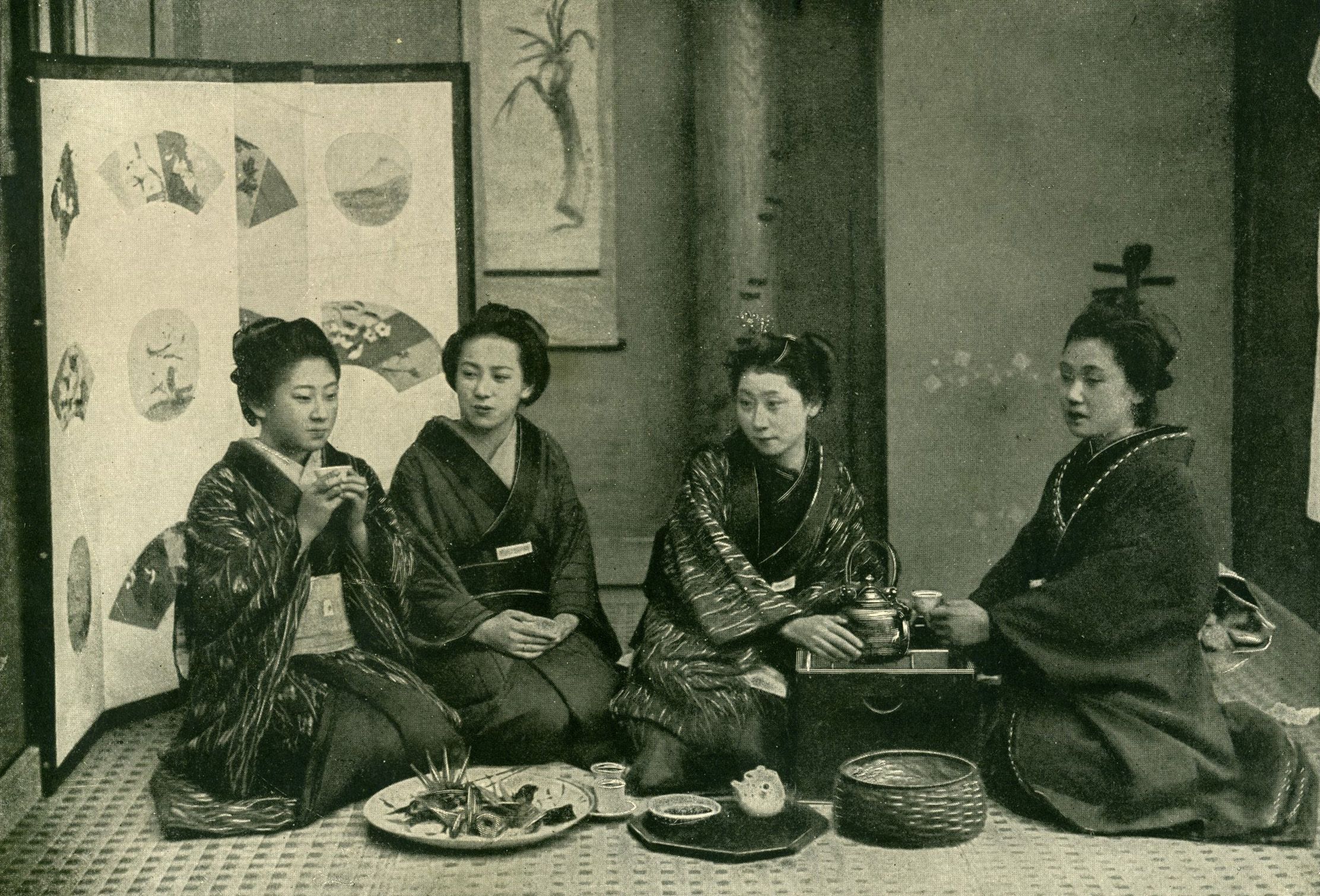
Women’s Rights & Roles in Ancient Japanese Society

todozoo.com – The roles and rights of women in ancient Japanese society were shaped by a complex interplay of cultural, religious, and historical factors. This article explores the evolution of women’s status from the early Shinto period through the Heian era, highlighting the inconsistencies and changes that occurred over time.

Early Shinto Period

During the early Shinto period, women held significant roles in religious and cultural life. Shintoism, the indigenous religion of Japan, often revered women as spiritual leaders and mediums. This period saw women participating actively in religious ceremonies and rituals, which granted them a certain level of respect and influence within their communities.

Transition to Matriarchal Antiquity

The role of women in ancient Japan was not static and evolved significantly over time. Initially, there were periods of matriarchal influence where women held considerable power and authority. However, as different cultural and religious influences integrated into Japanese society, the status of women began to fluctuate. The introduction of Buddhism and Confucianism, for instance, brought about changes that often diminished women’s roles and rights.

Heian Period

The Heian period (794-1185) marked a significant shift in the status of women. While some high-ranking women, such as empresses and noblewomen, retained considerable influence and were even involved in political affairs, the majority of women saw a decline in their rights and freedoms. The Heian period is often noted for its literary achievements, many of which were produced by women, but this period also saw the entrenchment of patriarchal norms that limited women’s participation in public life.

Legal and Social Constraints

Legally, women in ancient Japan faced numerous constraints. They were often denied the right to inherit property or hold public office. Marriage laws were also heavily skewed in favor of men, with women having little say in their marital arrangements. These legal and social restrictions were further reinforced by cultural norms that emphasized women’s roles as wives and mothers, rather than as independent individuals.

Conclusion

The roles and rights of women in ancient Japanese society were dynamic and subject to significant changes over time. From the revered status of women in early Shintoism to the more restricted roles during the Heian period, the evolution of women’s status reflects the broader cultural and religious shifts that occurred in Japanese history. Despite these challenges, women continued to play vital roles in shaping Japanese society and culture.

By examining these historical contexts, we gain a deeper understanding of the complexities and nuances of women’s experiences in ancient Japan.

The Ascendancy of Japanese Films in the Global Market

todozoo.com – In the year 2024, Japanese films have experienced a significant surge in popularity and success on the global stage, marking a pivotal moment in the international film industry. This article explores the key factors contributing to this rise and the impact it has had on the global market.

Box Office Success and Market Share

Japan’s box office performance in 2024 was robust, with a notable 4 percent increase from the previous year, reaching a post-pandemic high of $1.5 billion. This growth reflects a strong recovery and the resilience of the Japanese film industry. Japanese movies accounted for 66.9 percent of the box office gross receipts in Japan, indicating a strong domestic market presence.

Global Recognition and Awards

The success of Japanese films in the United States has been particularly noteworthy. Films like “Godzilla Minus One” and “Kimitachi wa Do Ikiruka” (“The Boy and the Heron”) have not only performed well at the box office but have also secured prestigious awards, further boosting the international appeal of Japanese cinema.

Animation and Live-Action Contributions

The Japanese film market is characterized by a strong emphasis on animation, which continues to be a significant driver of the industry. Animation films have dominated the top spots in the box office, showcasing the enduring appeal and influence of Japanese animation on a global scale. Additionally, live-action adaptations of popular manga series, such as Toei’s adaptation of “Oshi No Ko,” have also contributed to the industry’s growth.

Industry Initiatives and Tax Incentives

Japan has introduced new film tax incentives to attract international filmmakers, aiming to further enhance its status as a global production hub. This initiative is part of a broader strategy to support the production of high-quality films and to increase the international visibility of Japanese cinema.

Market Dynamics and Future Prospects

The Japanese film industry is not only recovering from the impacts of the pandemic but is also actively seeking to expand its global footprint. Companies like K2 Pictures Inc. are raising funds to produce the next global movie hit, indicating a strong commitment to international growth. The industry’s focus on original content and innovative storytelling is expected to continue driving its success in the global market.

Conclusion

The rise of Japanese films in the global market in 2024 is a testament to the industry’s resilience, creativity, and strategic initiatives. With a strong domestic market, global recognition, and innovative approaches to production, Japan is poised to maintain its position as a leading force in the international film industry. The future looks bright for Japanese cinema, with continued growth and expansion expected in the coming years.