The Role of the Secretary General: NATO’s Leadership

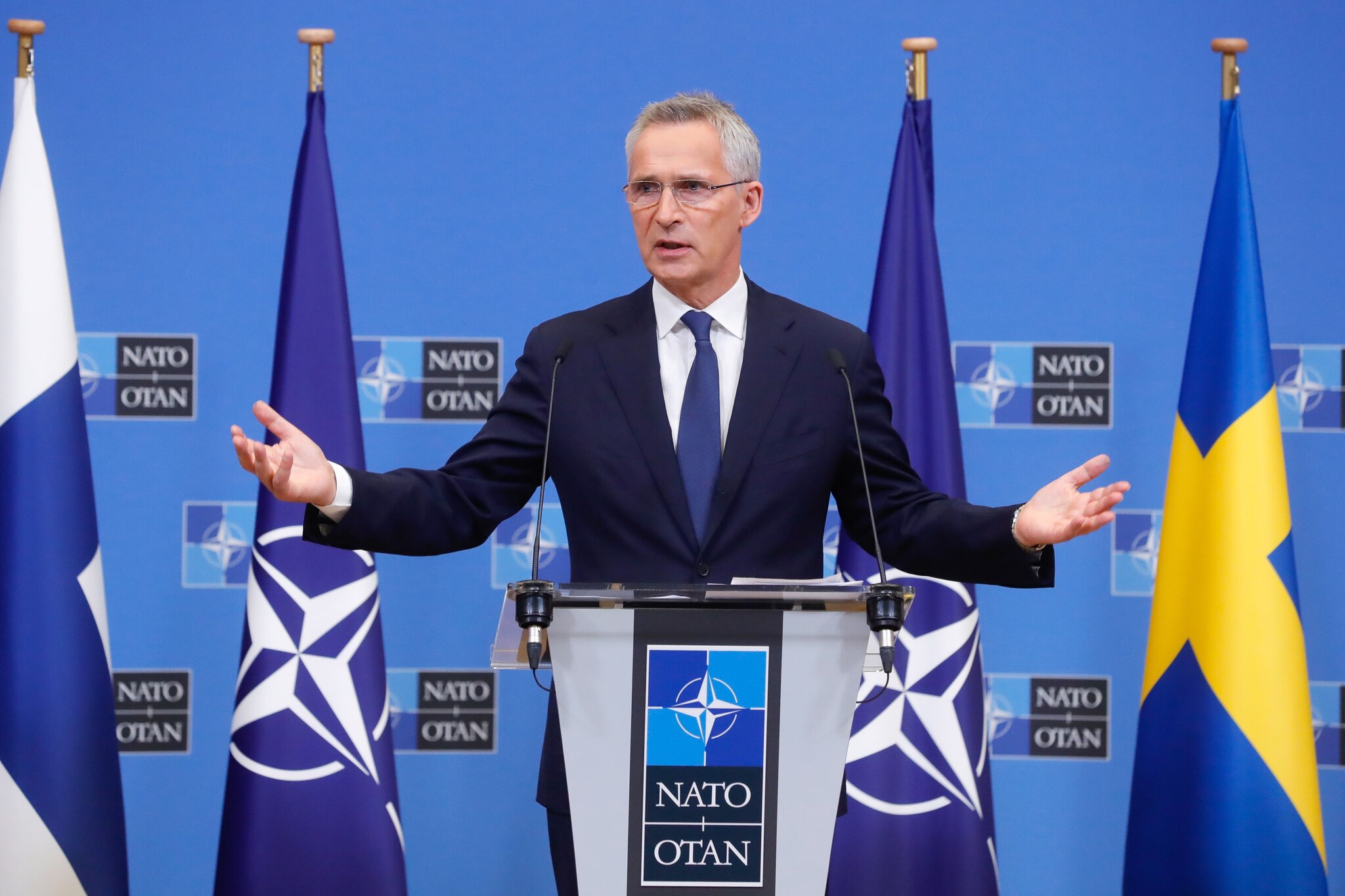
todozoo.com – The North Atlantic Treaty Organization (NATO) is a military alliance that serves as a cornerstone of collective security in the Euro-Atlantic region. At the helm of this alliance is the Secretary General, a position that requires a blend of diplomatic acumen, political savvy, and strategic vision. This article explores the role of the NATO Secretary General, focusing on the recent appointment of Mark Rutte and the challenges he faces.

The Role of the Secretary General

The NATO Secretary General is responsible for coordinating the alliance’s work, presiding over the North Atlantic Council, and chairing most of the major committees within NATO, excluding the Military Committee. The Secretary General does not have military command authority; instead, the political, military, and strategic decisions are made by the member states. The Secretary General works closely with the NATO Military Committee Chairman and the Supreme Allied Commander Europe to ensure the effective functioning of the alliance.

Mark Rutte: A New Leadership Era

Mark Rutte, the former Prime Minister of the Netherlands, was appointed as the new NATO Secretary General in June 2024. His appointment was seen as a strategic move to maintain stability within the alliance during a period of heightened geopolitical tensions, particularly the ongoing conflict in Ukraine.

Background and Experience

Rutte, born in 1967, has been a key figure in Dutch politics, serving as Prime Minister for nearly 14 years. Known for his pragmatic approach and ability to navigate complex political landscapes, Rutte has a track record of leading diverse coalition governments and implementing significant economic and social reforms.

Key Tasks and Challenges

Rutte’s tenure as NATO Secretary General is expected to be marked by several critical tasks and challenges:

  1. Supporting Ukraine: One of Rutte’s primary tasks is to continue and enhance NATO’s support for Ukraine. This includes coordinating military aid and training, which is crucial for Ukraine’s defense against Russian aggression.
  2. Defense Spending: Rutte has emphasized the need for NATO member states to increase their defense spending. Currently, only 23 out of 32 NATO countries meet the alliance’s target of spending 2% of their GDP on defense. Rutte’s role will involve persuading member states to meet and potentially exceed this target to strengthen NATO’s collective defense capabilities.
  3. Balancing Internal Divisions: NATO faces internal divisions, particularly regarding the level of support for Ukraine and the allocation of defense resources. Rutte will need to navigate these differences to maintain unity within the alliance.
  4. Engagement with China: Rutte has been vocal about China’s role in the global security landscape, describing it as a “systemic challenge” and a “decisive enabler” of Russia’s actions in Ukraine. His approach to China will likely involve a mix of engagement and deterrence, aiming to maintain stability while addressing concerns about China’s influence.

Conclusion

The NATO Secretary General plays a pivotal role in shaping the alliance’s strategic direction and maintaining its cohesion. Mark Rutte’s appointment brings a wealth of political experience and a pragmatic approach to the role. As he takes on the challenges of supporting Ukraine, increasing defense spending, and managing internal divisions, Rutte’s leadership will be crucial in navigating NATO through one of its most complex periods in recent history.
Women’s Rights & Roles in Ancient Japanese Society

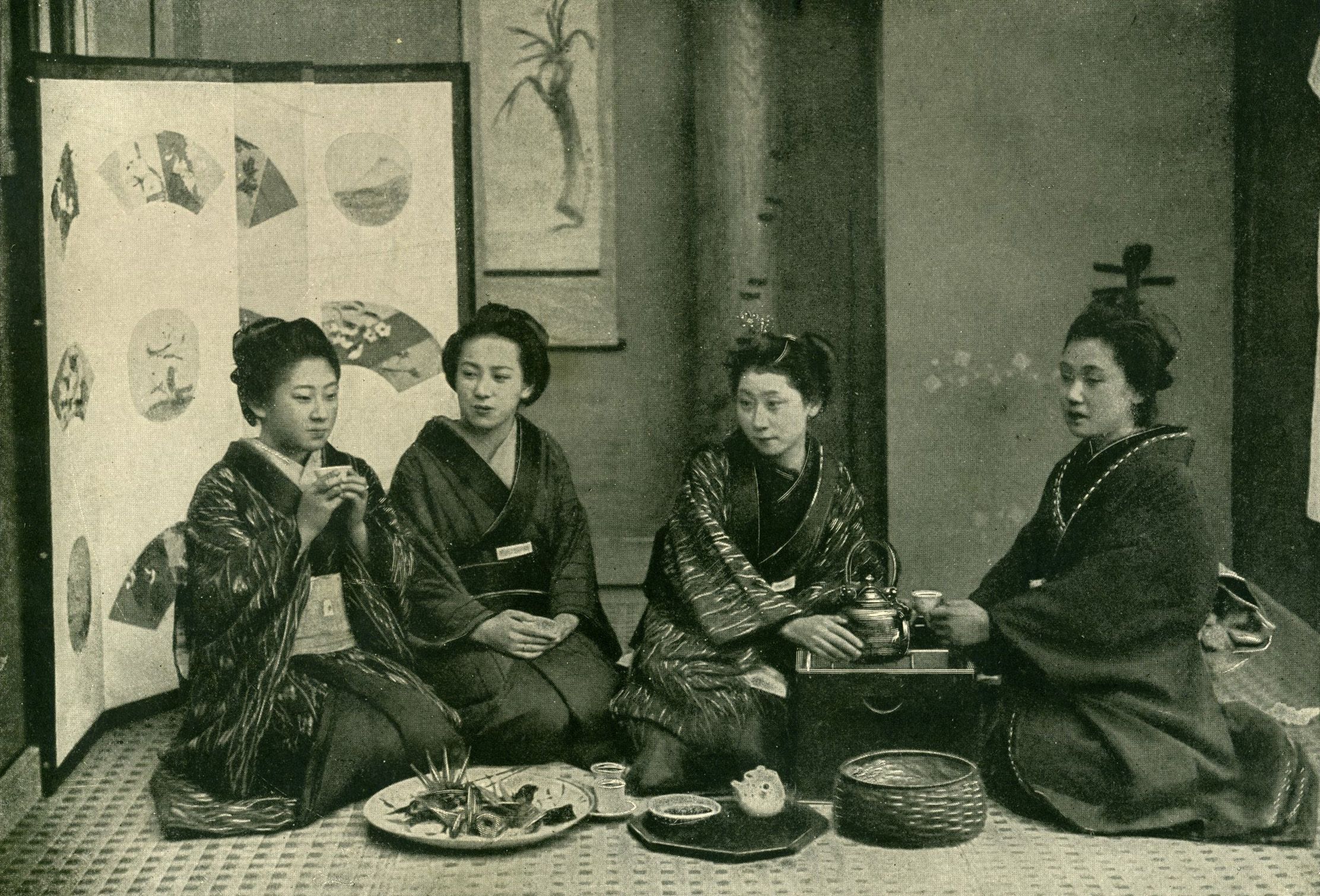
todozoo.com – The roles and rights of women in ancient Japanese society were shaped by a complex interplay of cultural, religious, and historical factors. This article explores the evolution of women’s status from the early Shinto period through the Heian era, highlighting the inconsistencies and changes that occurred over time.

Early Shinto Period

During the early Shinto period, women held significant roles in religious and cultural life. Shintoism, the indigenous religion of Japan, often revered women as spiritual leaders and mediums. This period saw women participating actively in religious ceremonies and rituals, which granted them a certain level of respect and influence within their communities.

Transition to Matriarchal Antiquity

The role of women in ancient Japan was not static and evolved significantly over time. Initially, there were periods of matriarchal influence where women held considerable power and authority. However, as different cultural and religious influences integrated into Japanese society, the status of women began to fluctuate. The introduction of Buddhism and Confucianism, for instance, brought about changes that often diminished women’s roles and rights.

Heian Period

The Heian period (794-1185) marked a significant shift in the status of women. While some high-ranking women, such as empresses and noblewomen, retained considerable influence and were even involved in political affairs, the majority of women saw a decline in their rights and freedoms. The Heian period is often noted for its literary achievements, many of which were produced by women, but this period also saw the entrenchment of patriarchal norms that limited women’s participation in public life.

Legal and Social Constraints

Legally, women in ancient Japan faced numerous constraints. They were often denied the right to inherit property or hold public office. Marriage laws were also heavily skewed in favor of men, with women having little say in their marital arrangements. These legal and social restrictions were further reinforced by cultural norms that emphasized women’s roles as wives and mothers, rather than as independent individuals.

Conclusion

The roles and rights of women in ancient Japanese society were dynamic and subject to significant changes over time. From the revered status of women in early Shintoism to the more restricted roles during the Heian period, the evolution of women’s status reflects the broader cultural and religious shifts that occurred in Japanese history. Despite these challenges, women continued to play vital roles in shaping Japanese society and culture.

By examining these historical contexts, we gain a deeper understanding of the complexities and nuances of women’s experiences in ancient Japan.

Global Affairs and Eritrea’s Role in International Diplomacy

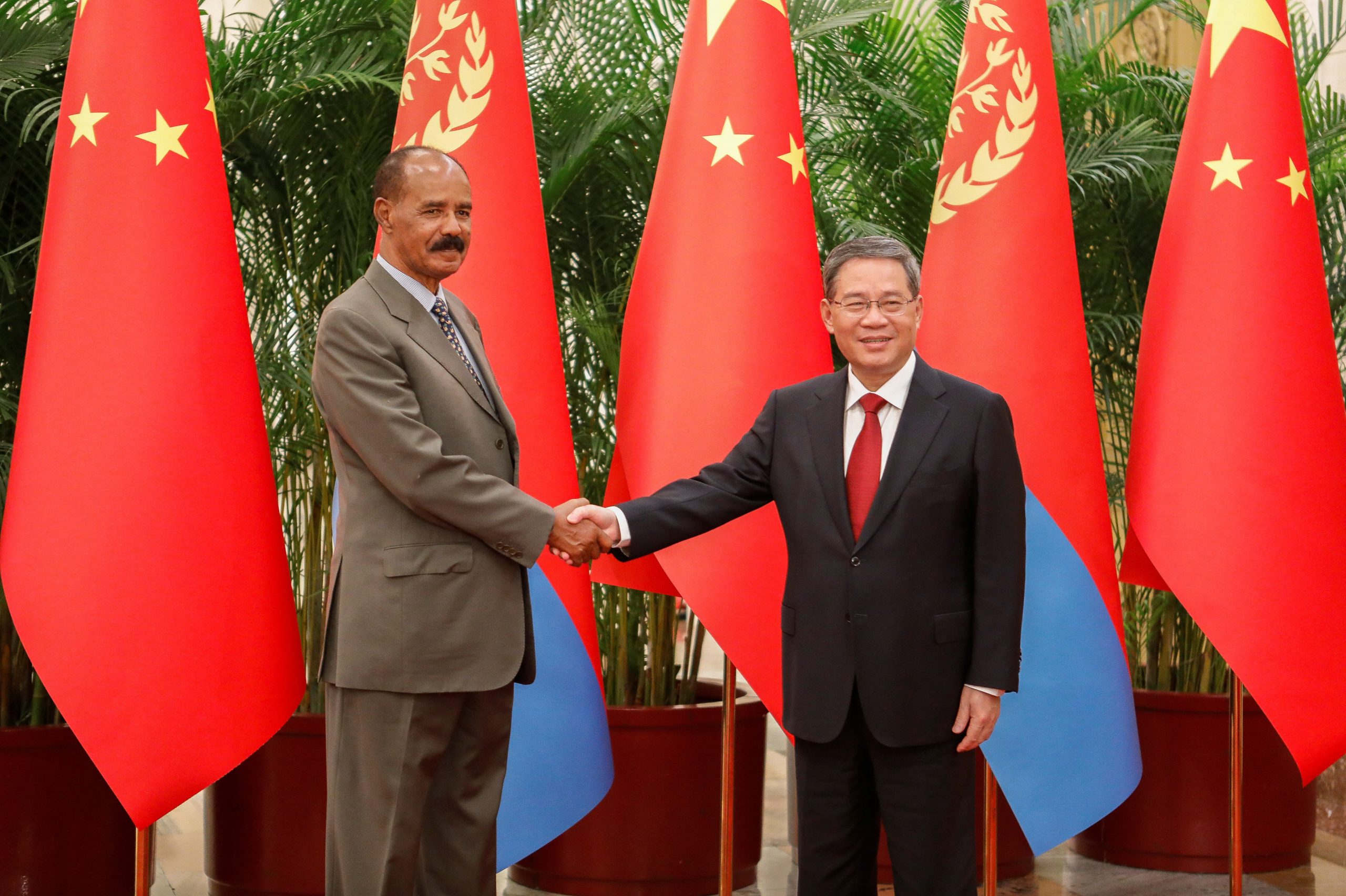
todozoo.com – Eritrea, a small nation in the Horn of Africa, has played a significant role in international diplomacy and global affairs, particularly within its region. Despite its size, Eritrea’s strategic location and historical context have positioned it as a key player in regional dynamics. This article explores Eritrea’s involvement in international diplomacy and its impact on global affairs.

Historical Context

Eritrea’s role in international diplomacy cannot be understood without considering its historical context. The country gained independence from Ethiopia in 1993 after a prolonged struggle. This history of conflict and the subsequent establishment of a sovereign state have shaped Eritrea’s approach to international relations.

Regional Diplomacy

Eritrea’s primary focus in international diplomacy has been on regional affairs. The country has been involved in various regional conflicts and peace processes, particularly concerning the Horn of Africa. Eritrea’s relations with neighboring countries such as Ethiopia, Sudan, and Djibouti have been central to its diplomatic efforts.

Border Conflicts and Peace Initiatives

One of the most significant aspects of Eritrea’s role in international diplomacy has been its involvement in border conflicts and subsequent peace initiatives. The Eritrea-Ethiopia border conflict in the late 1990s and early 2000s drew international attention and led to various peace efforts, including the Algiers Agreement in 2000. Eritrea’s participation in these peace processes has been crucial for regional stability.

Human Rights and International Criticism

Eritrea has faced international criticism over its human rights record, which has at times strained its relations with Western countries and international organizations. The country’s policies on conscription, freedom of expression, and political repression have been subjects of concern. Navigating these criticisms while maintaining its sovereignty has been a diplomatic challenge for Eritrea.

Economic Diplomacy

Economic diplomacy is another area where Eritrea has sought to expand its role. The country has sought to attract foreign investment and aid to support its development efforts. Engaging with international financial institutions and regional economic communities has been part of Eritrea’s strategy to overcome economic challenges.

Participation in International Organizations

Eritrea is a member of various international organizations, including the United Nations, the African Union, and the Intergovernmental Authority on Development (IGAD). Participation in these organizations allows Eritrea to contribute to global discussions on peace, security, and development, while also advocating for its national interests.

Conclusion

Eritrea’s role in international diplomacy and global affairs is multifaceted, reflecting its historical experiences, regional dynamics, and national interests. While the country faces challenges related to human rights and economic development, its strategic location and diplomatic efforts position it as an important player in the Horn of Africa. As Eritrea continues to navigate its complex international relations, its actions will have implications not only for its own future but also for regional stability and global diplomacy.

Leading from the Top: The Role of a CEO

todozoo.com – The Chief Executive Officer (CEO) is the highest-ranking executive in a company, responsible for overseeing the entire organization and making critical decisions that affect its future. The role of a CEO is multifaceted, encompassing strategic planning, financial management, and leadership, among other responsibilities.

Key Responsibilities of a CEO

Strategic Leadership

A CEO’s primary role is to provide overall direction and leadership for the company. This includes setting the strategic goals and objectives of the organization and ensuring that the necessary resources are in place to achieve them. CEOs are tasked with making major corporate decisions that can significantly impact the company’s direction, such as the development of new products, the acquisition of other companies, and the sale of the company or its assets.

Public Representation

CEOs often serve as the public face of the company, representing the organization to investors, customers, and other stakeholders. They are responsible for communicating the company’s vision and strategy effectively and building strong relationships with key stakeholders.

Financial Management

In addition to strategic leadership, CEOs must also manage the company’s finances. This includes creating and managing budgets, monitoring performance, and making important financial decisions. They must also ensure that the company is compliant with all legal and regulatory requirements.

Operations Management

A CEO is responsible for the overall management of the company, overseeing the work of other executives and managing the company’s employees. This includes ensuring that the company runs efficiently and effectively by creating and implementing policies and procedures.

Long-term Goal Setting

CEOs should focus on the company’s growth and development, identifying and pursuing new business opportunities, developing new products and services, and expanding into new markets. They should have a long-term view and work to create a sustainable and profitable business.

Preparing for the Role of a CEO

Becoming a CEO requires a combination of education, experience, and leadership skills. Several executive programs are designed to prepare individuals for the responsibilities of a CEO:

  • Berkeley Executive Program in Management (Berkeley EPM): This program is designed to transform proven leaders into global executives ready to lead the charge. It includes modules on advanced management competencies, leading innovative change, and more.
  • MIT Professional Education Technology Leadership Program (TLP): This program is geared towards the development needs of technology CEOs, CTOs, CIOs, and emerging leaders. It is designed for technology leaders and experienced practitioners from large corporations as well as startups.
  • UCLA Post Graduate Program in Management for Executives (UCLA PGPX): This program is an extensive general management program offered by UCLA Anderson School of Management, designed to cover all aspects of best-in-class management education.

Conclusion

The role of a CEO is complex and demanding, requiring a blend of strategic thinking, financial acumen, and leadership skills. CEOs are responsible for the overall direction and success of the company, making decisions that can significantly impact its future. Preparing for this role involves gaining the necessary education and experience through specialized executive programs.

Ajay Devgn’s Diverse Roles: Versatile Veteran

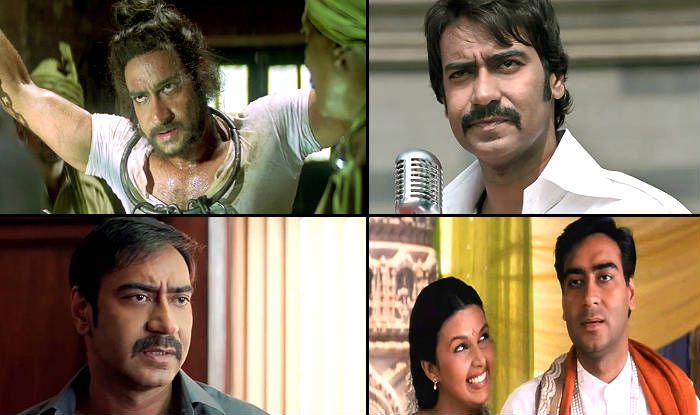
todozoo.com – In the ever-evolving landscape of Bollywood, where stars are often typecast into specific roles, Ajay Devgn stands out as a beacon of versatility. With a career spanning over three decades, Devgn has not only cemented his status as a leading actor but has also showcased his prowess in a myriad of roles that defy conventional typecasting. His ability to seamlessly transition from intense drama to light-hearted comedy, from action-packed thrillers to historical epics, has earned him a place among the most versatile actors in Indian cinema.

The Early Years: Establishing a Strong Foundation

Ajay Devgn’s journey in Bollywood began in the early 1990s, with his debut film “Phool Aur Kaante” (1991), where he introduced a new style of action hero to Indian cinema. The film was a commercial success, and Devgn’s performance was lauded for its freshness and energy. However, it was not just his action chops that caught the audience’s attention; it was his versatility that laid the foundation for a diverse career.

Diverse Roles: A Testament to Versatility

Over the years, Ajay Devgn has taken on roles that span a wide range of genres and characters, each distinct from the other. His portrayal of Bhagat Singh in “The Legend of Bhagat Singh” (2002) was a stark contrast to his role as a possessive husband in “Hum Dil De Chuke Sanam” (1999). The depth and intensity with which he portrayed the revolutionary leader earned him critical acclaim and solidified his reputation as a versatile actor.

In “Company” (2002), Devgn played the role of a mafia don, showcasing his ability to portray complex, morally ambiguous characters with finesse. His performance in the film earned him several awards, including the National Film Award for Best Actor. This was followed by another critically acclaimed performance in “Omkara” (2006), where he played the role of a volatile, jealous husband, earning him further accolades.

Exploring Different Genres

Ajay Devgn has not limited himself to serious roles; he has also shown his versatility by taking on comedic roles. Films like “Bol Bachchan” (2012) and “Golmaal” series have showcased his comedic timing and his ability to make the audience laugh. His willingness to experiment with different genres has allowed him to connect with a wider audience.

Directorial Ventures: A New Dimension

In addition to his acting career, Ajay Devgn has also ventured into direction with films like “U Me Aur Hum” (2008) and “Shivaay” (2016). These directorial ventures have allowed him to explore his creative side and have added another dimension to his versatility.

Conclusion

Ajay Devgn’s diverse roles are a testament to his versatility as an actor. His ability to convincingly portray a wide range of characters, from historical figures to fictional heroes, from intense drama to light-hearted comedy, has earned him a special place in the hearts of audiences and critics alike. As he continues to explore new roles and challenge himself, there is no doubt that Ajay Devgn will remain a versatile veteran in the ever-changing landscape of Indian cinema.